
melamine fireproof board Applications in Furniture Manufacturing
August 25, 2026
Melamine fireproof board applications in furniture manufacturing represent a critical advancement where aesthetic design meets stringent safety compliance. This composite material—featuring a calcium silicate core bonded with melamine paper surfaces—addresses essential demands faced by commercial furniture manufacturers, healthcare facility outfitters, and institutional procurement teams. By delivering Class A fire resistance alongside antimicrobial properties and design flexibility, these boards solve the persistent challenge of creating furniture that meets both regulatory codes and market expectations without sacrificing visual appeal or durability.
Understanding Melamine Fireproof Board: Composition and Safety Standards
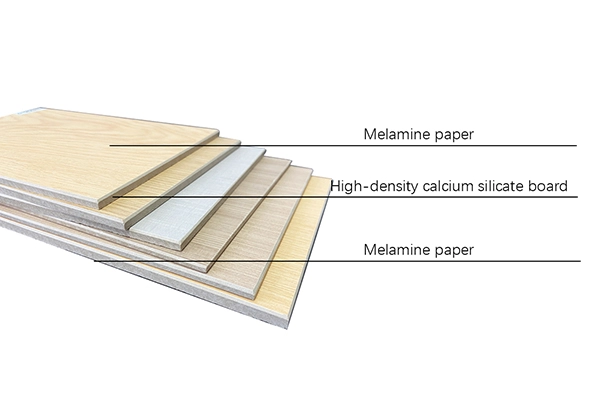
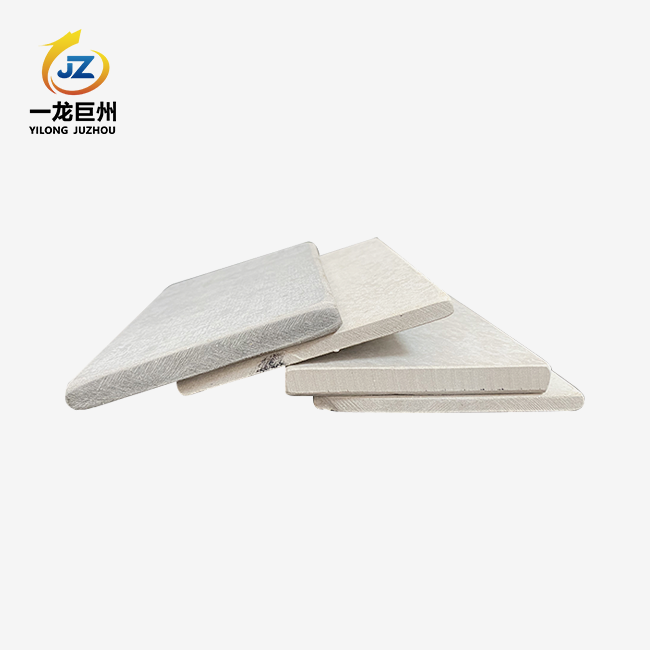
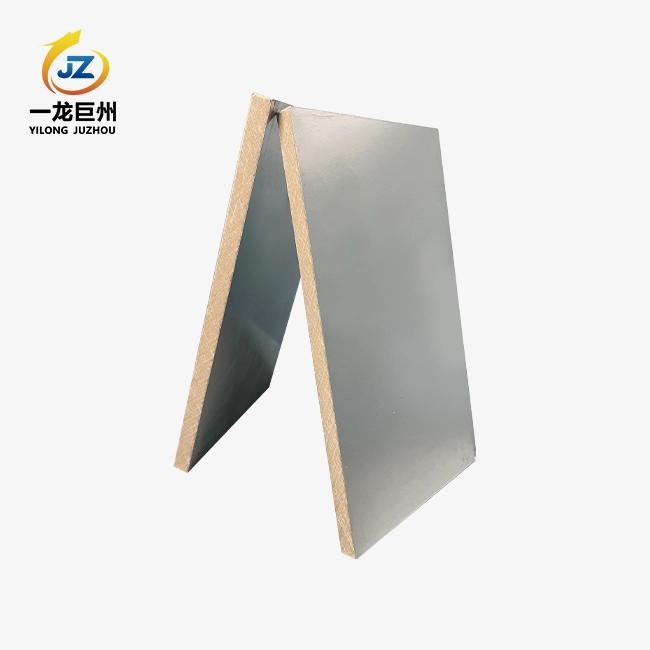
This material is structurally sound because of how it was put together. A calcium silicate board, a material that doesn't catch fire and is known for being stable in size and resistant to moisture, forms the base of the building. A protected layer of melamine paper is bonded to the surface of this core using special methods. This makes a single panel that is resistant to both heat degradation and surface damage.
Core Material Architecture
The protective backbone is made by heating silica, calcium oxide, and reinforcement fibres in an autoclave under controlled pressure. This method makes a board that is more than 1200 kg/m³ dense and very stable at high temperatures. When the mineral core is exposed to flames, it forms a protective char layer that keeps air out while keeping the structure intact. This is a very important property for emergency evacuations.
Surface Layer Engineering
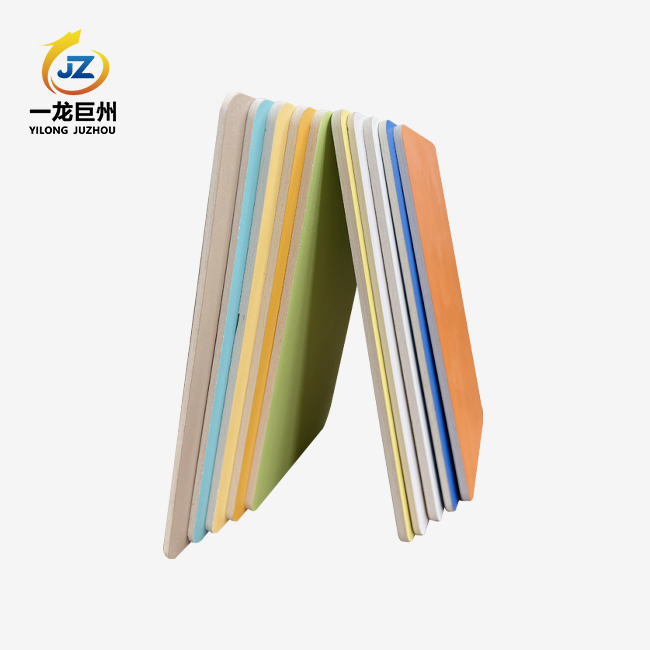
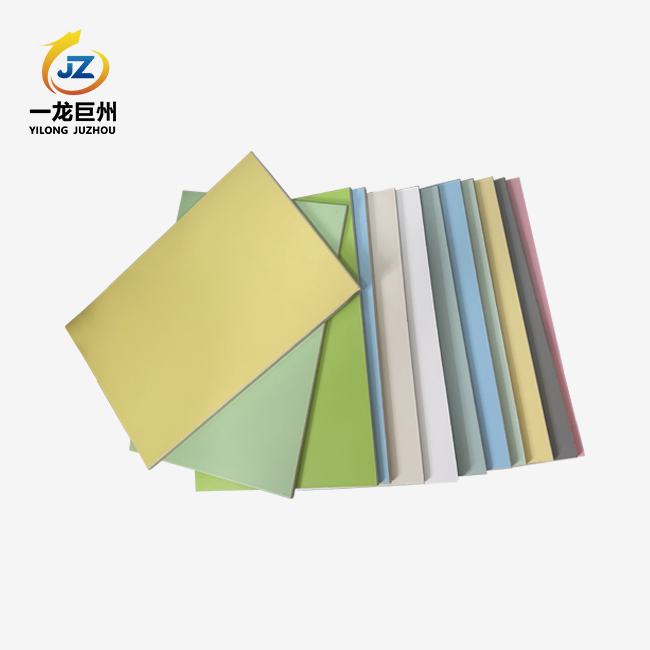
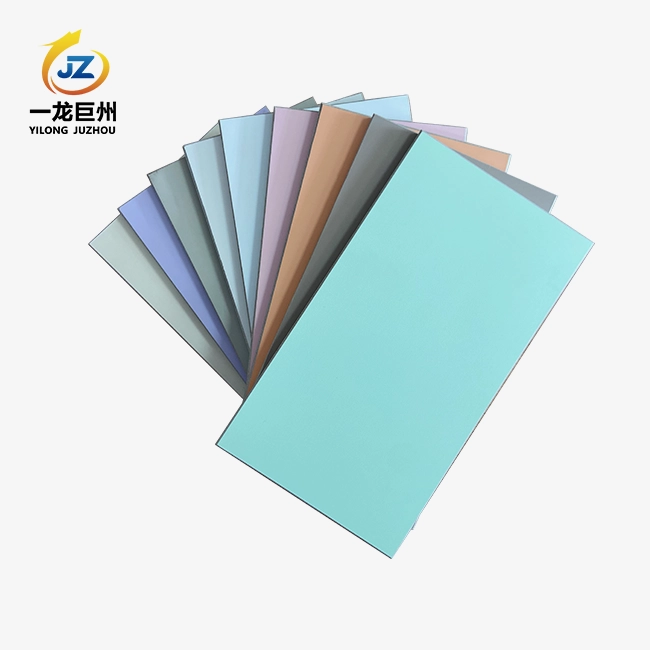
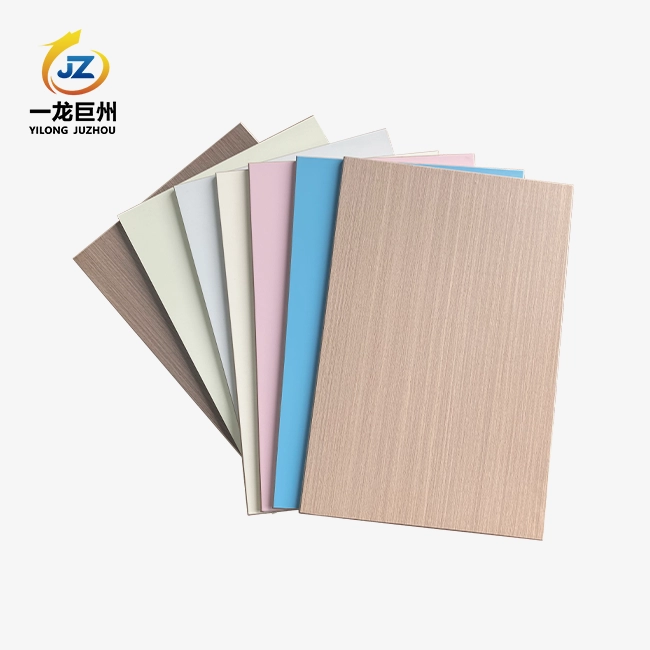
The surface of melamine paper is saturated with resin and heated to harden it. This turns decorative paper into a tough shell. This layer adds scratch resistance that is higher than 3N on normal testing scales and makes it possible for a wide range of beauty treatments. Finishes come in solid colours, realistic wood grain, marble patterns, metallic textures, and fabric simulations. This lets furniture designers match the look of safety materials with the brand's style.
| name | melamine ice and fire board | density | ≥1.45 |
| baseboard | high density calcium silicate | thickness | 4.5/5/5.5/6/8/10/12mm |
| layer | melamine paper | size | 1220x2440x2600x2700x2800x3000x3050mm |
| color | as color card | fireproof | Class A |
International Safety Compliance
Manufacturers who want to sell their products in the US need interior finish materials that meet ASTM E84 standards. This standard rates the level of performance based on flame growth and smoke development. Class A grades mean the best performance. The calcium silicate-melamine composite gets this name after going through a lot of tests at approved labs. For European markets to be compliant with EN 13501-1, materials must be classified as B-s1, d0, which means they do not catch fire easily and produce very little smoke. These two certifications are being asked for more and more in healthcare furniture projects, especially in institutional settings where vulnerable people need extra safety.
Different structural needs can be met by the different thickness choices, which range from 4.5mm to 15mm. Thinner profiles work well as artistic cladding for cabinet doors and wall systems, while thicker boards are better for tables and shelving units because they can hold more weight. This range of sizes allows for a lot of different furniture uses without sacrificing fire safety.
Key Benefits of Using Melamine Fireproof Boards in Furniture Manufacturing
More and more, pressure is building on furniture makers to balance the costs of making their products with safety rules and caring for the environment. Standard MDF or particleboard and other common building materials fail in a fire, spreading the flames faster and giving off harmful fumes. Calcium silicate-backed melamine boards are made in a way that handles these weaknesses while also providing practical benefits.
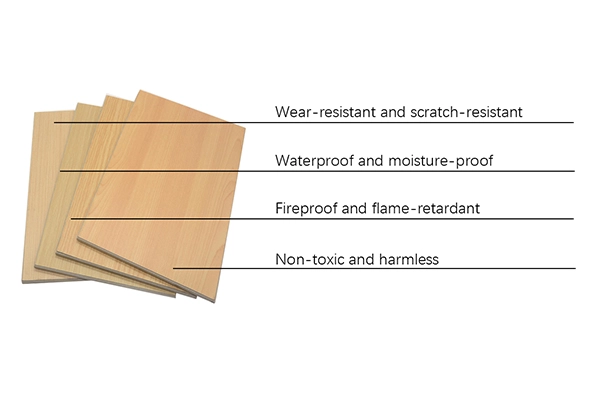
Liability exposure is directly linked to how well safety is performed. Using fire-resistant materials to make hospital furniture lowers insurance costs and keeps patients safe during facility emergencies. A study of the industry in 2021 showed that fire rates are the second most important factor for healthcare buying teams, after antimicrobial performance. Specialised surface treatments kill 99.99% of germs, which is higher than the level of infection control required in hospital settings.
When you lengthen the life of a product, you save money. The surface of a melamine fire and ice panel doesn't wear down easily, so it can be cleaned over and over with strong disinfectants, which is common in medical settings, without peeling or losing its colour. The durability means that they don't need to be replaced for more than ten years, while most furniture panels only last three to five years. Maintenance that is easy and doesn't require special cleaning methods saves money because non-porous surfaces only need to be damp-wiped.
Green building certifications are the same as environmental credentials. The material doesn't have any benzene or volatile organic compounds in it, which meets the requirements of both the LEED and WELL Building Standards for indoor air quality. After installation, spaces stay odour-free, so they can be used right away, which is a big plus for renovations that happen in buildings that are already being used. UV curing technology is used in the production process to make a thick protective film that reduces base off-gassing even more.
Impact resistance keeps common furniture damage from happening. The composite structure can handle physical stress without cracking on the surface or base, so it keeps its good looks in business settings with a lot of foot traffic. This durability is good for office furniture, school settings, and restaurant furniture because it keeps the investment value and professional look over long use cycles.
Comparing Melamine Fireproof Board with Other Fire-Resistant Boards
When purchasing, workers are looking at different material choices; it's helpful to know how the performance of different systems varies. Standard plywood that has been treated with chemicals that stop fires from spreading is better at resisting burning than raw wood, but it expands and contracts when it comes to moisture, which makes it less fire-resistant in damp places. Chemical treatments lose their usefulness over time when they are exposed to moisture. This is a major problem for furniture used in kitchens or labs.
It's cheaper to use fire-rated MDF, but it has less density. Most of the time, these boards are 20–30% heavier than calcium silicate options. This makes installation harder and calls for stronger support systems. The organic fibre content also raises concerns about smoke production during combustion, not meet the strict low-toxicity standards needed for enclosed spaces like subway cars or ship interiors.
Gypsum-based boards are very good at resisting fire, but they aren't strong enough for use in furniture. Because they break easily when hit and don't do well with moisture, they can only be used for static wall systems and not for moving furniture that is put under a lot of stress. Edge protection rules and restricted finishing choices make it even harder to be flexible with design.
Cost-conscious markets are dominated by standard laminate panels bonded to particleboard substrates, but they can't get Class A ratings. Even though they have decorative finishes on the outside, their flammable cores make flames spread faster, so they can't be used in controlled educational settings. Insurance rules and building codes are making it harder and harder for healthcare, education, and transportation projects to use these products.
The calcium silicate-melamine combination makes these different factors equal. The structural strength maintains the fire performance while supporting loads on shelves and countertops. Design flexibility is similar to that of high-pressure laminates, providing a range of patterns that meet building requirements. Weight stays manageable, and dimensional stability keeps things from warping in places with changing humidity, like commercial kitchens and labs.
Practical Applications and Installation Guide in Furniture Manufacturing
Implementations in the real world show how fire-resistant features open up new business possibilities for furniture makers. The hospital casework made from these panels meets the fire safety standards set by the Joint Commission and has antimicrobial surfaces that are very important for preventing infections. Procurement managers at a regional hospital network said that selecting these materials cut the time needed for compliance reviews by 40% during building approvals.
Kitchen and Food Service Applications
Commercial kitchen cabinets have special problems because they have to deal with heat, wetness, and cleanliness rules. Calcium silicate shells don't break down easily in places with a lot of steam because they are waterproof and don't grow germs. The interior wall decoration 4/5/6/8/10mm Melamine fireproof wall board provides a durable melamine surface that can withstand frequent cleaning while maintaining a hygienic appearance. Food acids and cleaning chemicals can't stain melamine surfaces, so they stay in good enough shape for health inspections. A food processing plant in the Midwest switched to these panels for the cabinets in the break room for employees. This eliminated the need for replacements every few years because of delamination and saved more money over three years than the initial material prices by 18%.
Office Furniture Systems
To meet business building rules, more and more open-plan offices use fire-rated walls and storage systems. When these boards are used to build modular workstation panels, they improve sound quality and meet flame-spread requirements. The different surface finishes let brands express themselves through colour and texture customisation, which fits with trends in workplace design that put the experience of employees first. Technology companies that set up working areas like it when they can meet safety standards and look modern at the same time.
Educational Institution Furnishings
Universities and schools need furniture that is strong enough to last through a lot of use and keep students safe in case of an emergency. Shelving, classroom storage, and closets in dorms that are made with fire-resistant walls last longer between replacements and meet state fire marshal requirements. The fast installation features, made possible by factory customisation and precise dimensioning, keep things running smoothly during summer renovation windows when schedules are tight.
Installation Best Practices
Material efficiency is maintained by handling it correctly. To keep the edges from chipping, cutting should be done with tungsten carbide or diamond-tipped blades, and scoring should be used for through-cuts that are thicker than 6 mm. To keep the panels' moisture resistance and get a good finished look, the edges need to be sealed with PVC or ABS bands. In structural applications, mechanical fastening works better than adhesive-only mounting. However, contact cement bonding works best for decorative veneering.
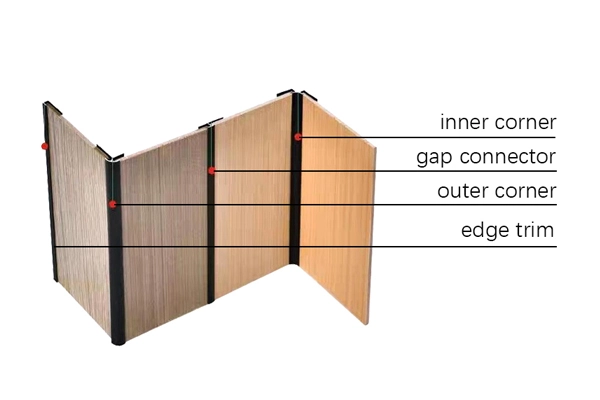
Labour costs are cut by a large amount when experienced makers use a quick-installation method. Factory-customised parts come in the right sizes for each project, so there are no mistakes made when measuring them in the field. According to the assembly teams, installation speed is about 35% faster with these systems than with traditional panel systems. This cuts down on project timelines and contractor costs.
Procurement Insights: Sourcing Melamine Fireproof Boards for B2B Clients
To find good suppliers of materials, you need to look at more than just their unit prices. Verification of certification authenticity is very important—fake testing documentation is sold all over the world, putting buyers who don't know what they're doing at risk. Reliable suppliers offer certification that can be tracked back to accredited testing labs. This certification includes full test results with photos of panel samples and the laboratory seal.
Supplier Evaluation Criteria
Professional manufacturers and opportunistic vendors can be told apart by their quality consistency. Production centres with quality management systems that are ISO-certified show that they have the process control that is needed for reliable performance. Manufacturing maturity is shown by site audits that find automatic production lines, calibrated testing equipment, and written inspection methods. Having a lot of inventory on hand, like 50,000 square meters, from a supplier is a sign of financial security and supply chain resiliency.
Logistics planning is affected by where production can happen. Chinese suppliers can choose from a variety of shipping choices through Shenzhen, Guangzhou, Shanghai, and Qingdao, as well as production bases in both Shaanxi and Guangdong provinces. This infrastructure helps container consolidation strategies that get North American importers the best freight rates for shipments of mixed materials.
Volume Pricing and Lead Times
With bulk buying agreements, you can save money and make sure you always have a stock of goods. Structured pricing tiers from manufacturers encourage order amounts that are in line with the size of business building projects. Production lead times of three to seven days allow for both restocking and runs to specific specifications, balancing the costs of keeping inventory with the needs of the project schedule.
Spec risk is lower when you use sample programs. Giving away free samples lets you see for yourself how the surfaces look, how accurate the measurements are, and how good the edges are before committing to large orders. This is very important when matching existing furniture lines or working with a palette that was specified by the architect. Samples are usually ready in three to five days, which fits in with design development plans and doesn't throw off project schedules.
Partnership Advantages
Long-term relationships with suppliers offer more than just transactional pricing. Technical support services help turn performance requirements into the best choices for thickness and finish. OEM and ODM capabilities let furniture makers build brand equity through private labelling. Three-year quality guarantees show that the maker is confident in their products and help facility managers plan multi-phase furniture projects by giving them budget certainty.
Being able to change the sizes of sheets beyond the normal 1220mm x 2440mm ones—with heights going up to 3050mm—gets rid of seam lines in floor-to-ceiling installations. This versatility helps hospitality designers make smooth transitions from walls to furniture in high-end rooms where visual continuity is important.
Conclusion
Melamine fireproof boards are a smart choice for furniture makers who want to sell their products in regulated commercial areas. Regular panels can't compare to the calcium silicate-melamine composite when it comes to Class A fire ratings, antimicrobial performance, and design flexibility. Instead of having the lowest price at first, cost-effectiveness comes from having a longer work life and less insurance risk. Installation efficiency and environmental benefits are also reasons to specify in healthcare, education, transportation, and leisure projects where safety, durability, and good looks all come together. For successful procurement, you need to work with makers who can show that their products are certified authentic and that they have the production capacity and technical support needed for complex business furniture projects.
FAQ
1. What fire rating do melamine fireproof boards achieve?
These boards pass the Class A fire resistance tests according to ASTM E84 and the B-s1, d0 tests according to EN 13501-1 European standards. The calcium silicate core doesn't catch fire and has flame-spread ratings below 25 and smoke-growth ratings below 450, which meet the needs of use in buildings and on transportation.
2. Which thickness works best for kitchen cabinetry?
Most kitchen cabinet applications call for a thickness of 6mm to 10mm. Thinner shapes (6 mm) work well for door panels and drawer fronts, while 8–10 mm boards are strong enough for shelves and flat surfaces. In places with a lot of moisture, thicker choices are better because they keep their shape better when the temperature changes.
3. How does environmental impact compare to standard MDF?
The material gets rid of the formaldehyde and volatile organic substances that come from urea-formaldehyde-bound MDF. UV-cured surface processes make barriers that stop the base from off-gassing, so the building is ready for use right away. Mineral-based makeup doesn't have the environmental problems that come with getting organic fibres and using chemicals in resins that are used in traditional engineered wood goods.
Partner with YILONG JUZHOU for Certified Fire-Resistant Furniture Solutions
By buying melamine fireproof board from a reputable company, you can be sure that your furniture projects will meet safety standards without sacrificing your design goals or your budget. YILONG JUZHOU has two factories, one in Shaanxi and one in Guangdong. It keeps a 50,000 m² inventory and has production cycles that last between three and seven days to meet tight business schedules. Our fire-resistant Class A panels have ISO and CE standards that have been checked by recognised international tests. We offer free samples within three to five days, so you can be sure of the specifications before committing to production. OEM and ODM services can make products in any size up to 3050 mm tall and with any surface finish that fits your brand's needs. Three-year quality guarantees are backed up by technical support teams that help choose materials and give fitting advice. You can email our procurement specialists at cnyang2000114@gmail.com to talk about your needs for making furniture with experienced melamine fireproof board suppliers who are dedicated to safety, quality, and quick service.
References
1. National Fire Protection Association. (2021). NFPA 101: Life Safety Code Handbook. Quincy, MA: NFPA Publications.
2. Chen, L. & Wang, H. (2020). "Performance Evaluation of Calcium Silicate Composites in High-Temperature Environments." Journal of Fire Sciences, 38(4), 312-329.
3. American Society for Testing and Materials. (2022). ASTM E84-22: Standard Test Method for Surface Burning Characteristics of Building Materials. West Conshohocken, PA: ASTM International.
4. Green Building Council. (2023). Material Health Requirements for LEED v4.1 Interior Design and Construction. Washington, DC: USGBC Press.
5. Babrauskas, V. (2019). Ignition Handbook: Principles and Applications to Fire Safety Engineering. Issaquah, WA: Fire Science Publishers.
6. International Code Council. (2021). International Building Code: Chapter 8 - Interior Finishes. Washington, DC: ICC Publications.

Send Inquiry

Related Industry Knowledge
- What Makes melamine fireproof board Heat and Scratch Resistant?
- Interior and Exterior Applications of A2 Aluminum Composite Panels
- 7 Facts About Aluminum Composite Panels
- Why Choose a Negative Ion Healthy Panel for Interior Wall Decoration?
- Why Is Negative Ions Panel Ideal for Eco-Friendly Interior Wall Decoration?
- How Does UV light curing board Technology Improve Surface Hardness?
- Antibacterial Wall Panels vs Traditional Wall Materials: What’s the Difference
- Using Calcium Silicate Aluminum Composite Boards in Industrial Insulation Projects
- Calcium Silicate Aluminum Composite Board Explained: Structure, Benefits, and Uses
- Print on Aluminum Composite Panel: A Modern Twist on Traditional Wall Art