
melamine fireproof board Surface Finish and Design Options
September 29, 2026
When procurement teams evaluate interior wall materials for commercial or public projects, surface finish is rarely treated as a cosmetic afterthought. A melamine fireproof board delivers far more than visual appeal — its surface layer directly influences fire resistance behavior, antibacterial performance, cleanability, and long-term durability. Built on a calcium silicate core with melamine paper laminated on one or both sides, this panel system has become a preferred solution across hospitals, airports, hotels, schools, and industrial facilities where safety compliance and design precision are non-negotiable.
Understanding Melamine Fireproof Boards and Surface Finishes
What Makes the Surface Layer Critical
The layer on top of a fire-rated wall panel isn't just for looks. When high-pressure thermofusion fuses melamine paper to a calcium silicate substrate, it makes a barrier that is chemically stable and doesn't let any holes through it. This dried film doesn't let volatile organic compounds (VOCs) out, doesn't contain any benzene in it, and kills 99.99% of bacteria, which is a very important quality in healthcare and food-processing settings.
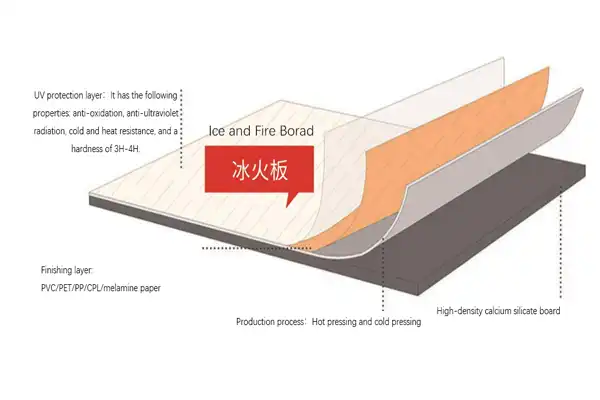
YILONG JUZHOU panels have Class A fire protection, which means that the surface actively stops the spread of fire instead of just slowing it down. The National Fire Protection Association (NFPA 101) says that materials used for finishing the inside of healthcare facilities must meet Class A flame spread rates (0–25 index). That requirement is met by these boards, which also keep their aesthetic value.
As a core material, calcium silicate helps with resistance to water, stability in shape, and absorption of impacts. The substrate doesn't warp when the humidity changes, which is a common problem for MDF or regular gypsum-based panels in hallways with a lot of foot traffic.
Key Design Options and Their Impact on Performance
Available Surface Patterns and Finish Categories
People who work in procurement often want to know which finish works best in a certain setting. The answer relies on the project's needs for both function and style. YILONG JUZHOU has five main types of surface patterns for all normal panel sizes (including the Melamine Fire and Ice Board, 1220mm x 2440mm, with a maximum height of 3050mm and thicknesses ranging from 4.5mm to 15mm):
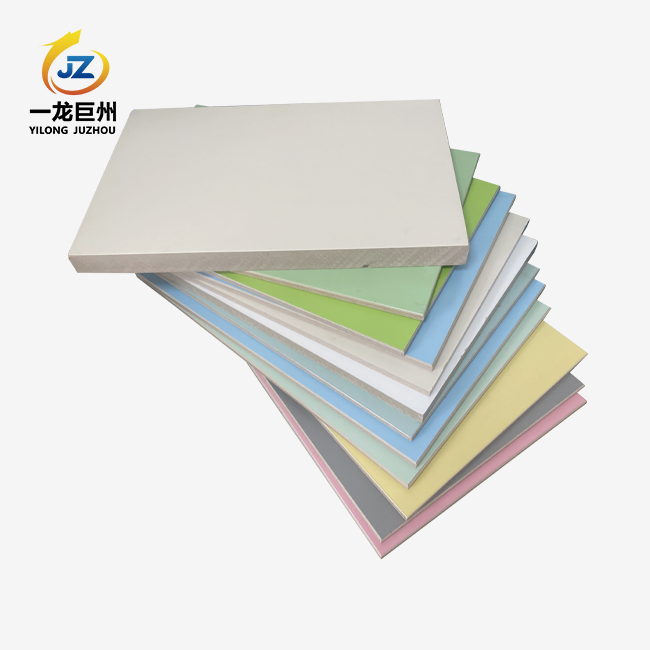
- Solid color finishes — Uniform, clean surfaces suited to healthcare settings, pharmaceutical facilities, and government interiors where hygienic appearance and easy disinfection take priority. The non-porous surface resists common hospital-grade cleaning agents without surface degradation.
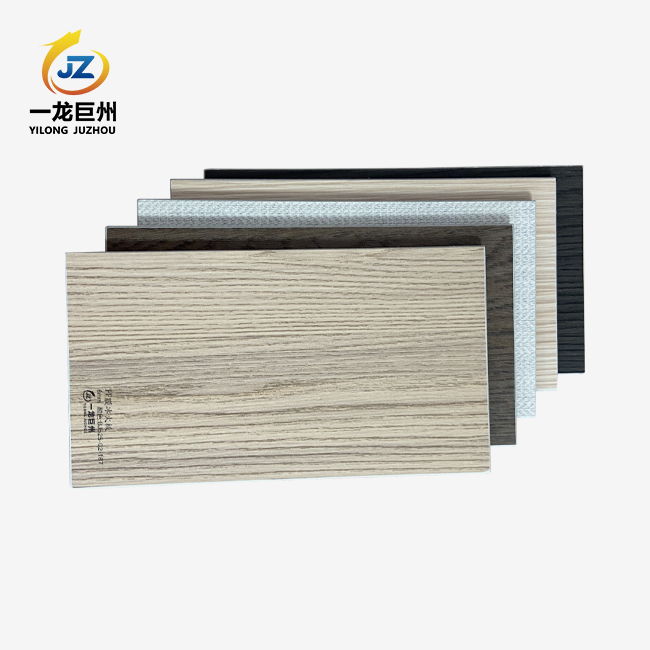
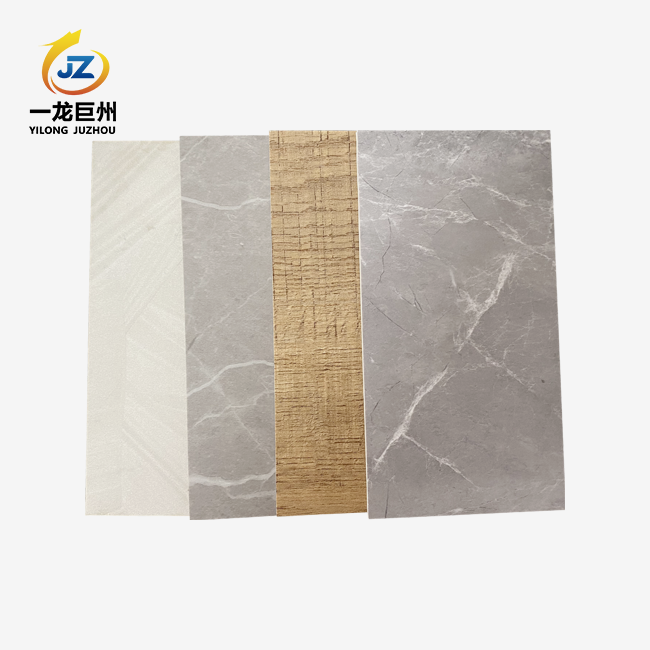
- Woodgrain patterns — Thermally transferred woodgrain textures provide the warmth of natural timber without combustibility risks. Hotels, high-end clubs, and villa interiors frequently specify this finish where occupancy comfort and fire code compliance must coexist.
- Marble-patterned surfaces — Veined stone aesthetics replicate premium stonework at a fraction of the installation complexity. Shopping malls, airport lounges, and office lobbies use these finishes to project an upscale environment while meeting building code requirements.
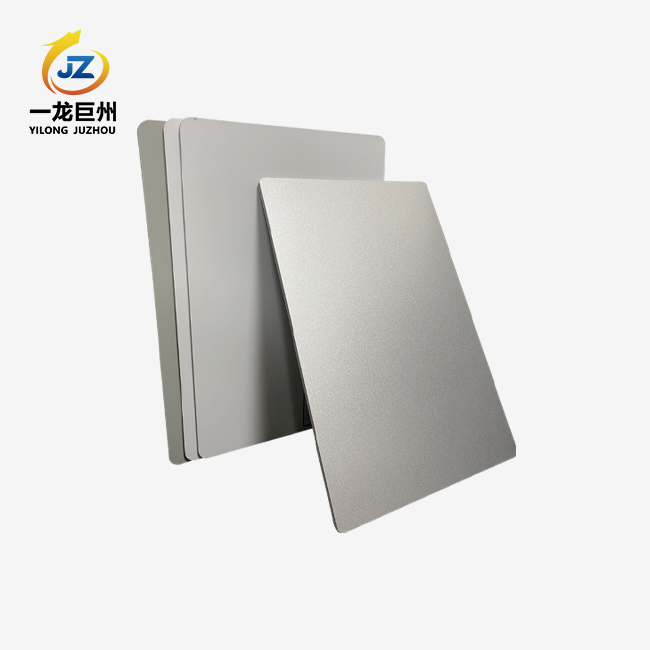
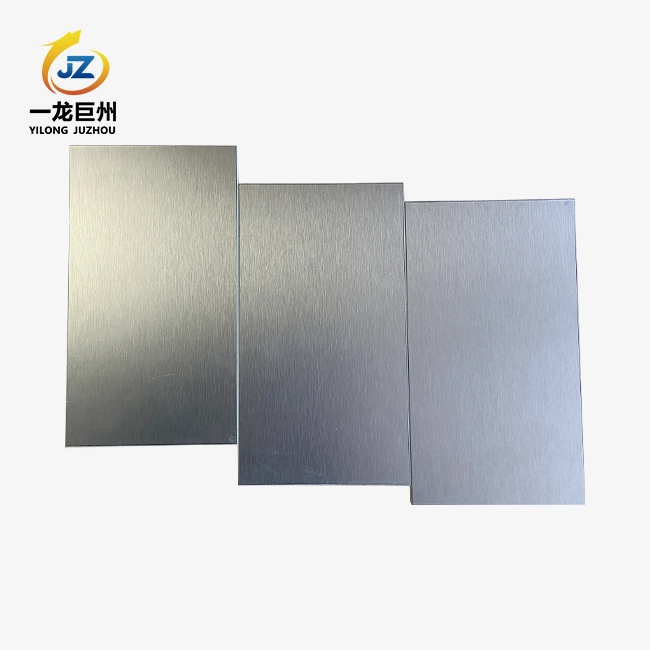
- Metallic patterns — Brushed and polished metallic surface effects suit modern commercial interiors and transit hubs. Subway stations and train terminals have specified these finishes where abrasion resistance and visual durability matter.
- Cloth-patterned textures — Woven surface effects add tactile softness to educational settings, libraries, and residential apartments, offering design variety without compromising panel strength.
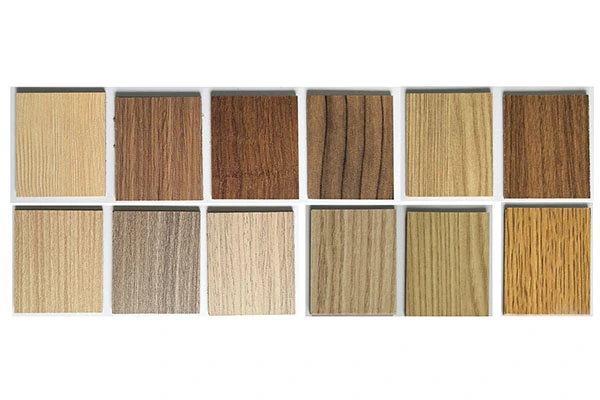
These five groups include the vast majority of commercial and institutional wall applications inside. Each finish goes through UV curing, which makes a thick, colorfast film that stops panels from losing their color over time, which can happen with traditional painting. Long-lasting color retention is a clear benefit in phased remodeling projects where panels must match perfectly when they are put in.
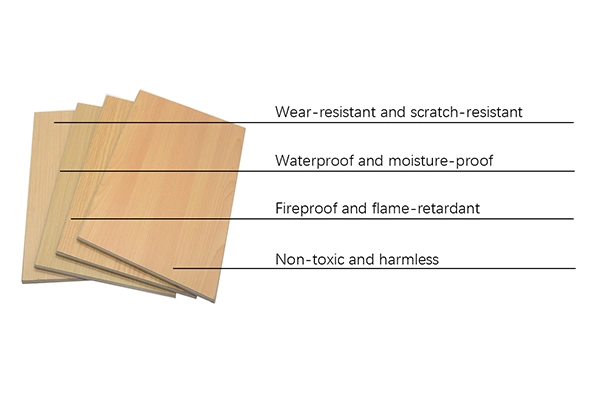
Surface finish affects Taber's resistance to wear and scratching in addition to design choice. Wear-resistant melamine surfaces can handle being in a corridor with a lot of foot traffic. They don't get scratched or marked up as regular laminate panels do after 3–5 years of use.
How to Choose the Best Melamine Fireproof Board Surface Finish for Your Project?
Matching Finish to Environment and Compliance Requirements
When choosing a surface finish, you need to look at four things at once: the fire safety rating, the maintenance plan, the chemical exposure profile, and the architectural intent. In different industries, this is how buying teams usually make this choice.
Surfaces with a smooth, solid color are preferred by healthcare facilities because they are easy to clean and disinfect. At 99.99% efficiency, antibacterial performance meets the infection control standards needed by hospitals in the United States that are recognized by the Joint Commission.
Spaces used for manufacturing and handling food need surfaces that are waterproof, don't grow germs, and can handle steam, humidity, and chemical splashes. This panel configuration is good for pharmaceutical cleanrooms and food preparation areas because it has a calcium silicate core and a moisture-resistant melamine surface layer.
Over a 10-year period, commercial builders who look at lifecycle cost will find that melamine fireproof boards do better than plywood and standard MDF. The calcium silicate core doesn't need to be fixed as plywood does at the edges that are visible and need to be refinished, or like MDF does when water gets into it and makes it swell. The quick pressure strip assembly method cuts down on the time needed for work on-site, and pre-customization in the factory gets rid of the waste that comes with cutting standard sheets in the field.
When looking at different fire-resistant laminates, Class A calcium silicate-core panels are naturally non-flammable because of the material they are made of, not just because of a treatment on the outside that can wear off. This difference in structure is important for formal bid reviews that need documentation from a third party on the combustion tests.
Sourcing and Procurement Tips for Melamine Fireproof Boards
Evaluating Suppliers and Managing Order Logistics
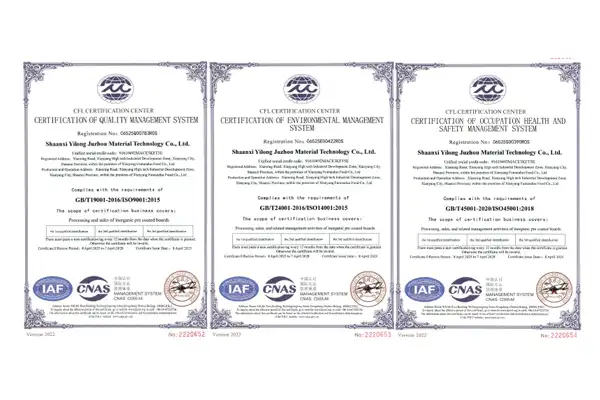
For B2B buying, the minimum requirement is to work with a company whose certifications can be checked. YILONG JUZHOU has two factories, one in Xianyang High-tech Zone, Shaanxi Province, and one in Foshan City, Guangdong Province, where they make their products. They are certified to the China Environmental Protection Standard, ISO, and CE.
The wait time for production is 3–7 days, and there is a stock of 50,000 m² ready to be sent out right away. Exports go through the seaports of Shenzhen, Guangzhou, Shanghai, and Qingdao. Xi'an, Guangzhou, Shenzhen, and Foshan are all options for land transport. This model with multiple access points makes it easier for international distributors to get panels into Asia, the Middle East, and Africa.
Because OEM and ODM are available, regional wholesalers and sellers in building materials can ask for private-label panels in different sizes, finishes, or packaging. For long-term supply contracts, the minimum order quantity can be negotiated, which is good for property developers who are in charge of handling building pipelines with different stages. Free samples are sent out within 3–5 days, so buying teams can see for themselves how good the surface is before committing to large orders.
As part of quality control, you should ask for reports on the burning behavior that use ISO 5660 or ASTM E84 results, data on the surface bonding strength (pull-off strength above 1.0 MPa), and formaldehyde emission certification that confirms an E1 or lower classification. YILONG JUZHOU guarantees the quality of its Melamine paper fireproof wall panel for three years and offers technical help with design and installation.
Future Trends and Innovations in Melamine Fireproof Board Surface Finishes
Where the Market Is Heading
Surfaces that can do more than one thing at once are becoming more popular in the commercial interiors market. Antimicrobial surface finishes are now required for healthcare buildings, and they are also being used in schools and public transportation after the pandemic. Nanotechnology coatings that clean themselves are the next generation of low-maintenance wall systems. Photocatalytic surface treatments break down organic contaminants without using chemicals.
Sustainability approval is quickly becoming a unique way to buy things. In the US, buyers want panels that meet increasingly strict formaldehyde pollution standards set by CARB Phase 2 or EPA TSCA Title VI. Formal scoring rubrics for bids are giving more weight to recyclable base materials and production methods that use less carbon.
The need for customization is also growing. Large EPC contractors and hotel chains are asking for exact Pantone color matches, custom woodgrain patterns, and panel profiles that are only used on this project. As specification-driven buying takes the place of standard purchasing, manufacturers with flexible production runs and in-house design skills will be able to stay ahead of the competition.
Conclusion
Choosing the surface finish for interior wall panels is not just a matter of taste; it is also a technical procurement decision. The fire code, how easy it is to clean, how long it lasts, and how much it costs to install all depend on the finish. When you combine a calcium silicate core with a UV-cured melamine surface in the right design and thickness, you get a melamine fireproof board that works well in hospitals, transit hubs, business offices, and industrial buildings. When you work with a company that offers certified goods, quick production time, and real customization options, you can be sure that the project will be completed successfully and there will be no problems with the purchase.
FAQ
Q1: What thickness should I specify for a high-traffic commercial corridor?
For areas with a lot of foot traffic in commercial buildings or transit hubs, a thickness of 8mm to 12mm is good for impact resistance without adding too much weight to the structure. Thicker panels (14–15 mm) are better for places where sound needs to be reduced even more or where equipment is likely to hit the wall.
Q2: Can these panels be factory-cut to non-standard dimensions?
Yes, YILONG JUZHOU can do unique sizes as long as an OEM or ODM deal is in place. Standard sheets are 1220mm x 2440mm, and the tallest panel can be 3050mm. However, the workshop can pre-cut to specific project sizes if you confirm your order.
Q3: Are these panels suitable for wet areas like hospital bathrooms?
The melamine layer on top and the calcium silicate core inside are both resistant to water and germs. To keep water from getting into the core, PVC or ABS edge banding and waterproof sealant should be used to seal the exposed panel edges in areas that get wet.
Q4: How quickly can I receive samples before placing a bulk order?
It takes 3–5 business days to ship samples. Free samples are available for buying teams that want to compare materials before submitting a bid.
Request Your Custom Sample from YILONG JUZHOU Today
With two factories in China, YILONG JUZHOU has a ready inventory of 50,000 m² and a production lead time of 3–7 days. This makes us a reliable melamine fireproof board supplier for commercial developers in the U.S., healthcare facility managers, and international distributors. We guarantee the quality of our panels for three years and have ISO, CE, and Environmental Protection certifications. You can email us at cnyang2000114@gmail.com to get a free sample or talk about your special needs right away.
References
1. National Fire Protection Association. NFPA 101: Life Safety Code. 2021.
2. American Society for Testing and Materials. ASTM E84: Standard Test Method for Surface Burning Characteristics of Building Materials. 2023.
3. International Organization for Standardization. ISO 5660-1: Reaction-to-Fire Tests — Heat Release, Smoke Production and Mass Loss Rate. 2019.
4. U.S. Environmental Protection Agency. TSCA Title VI: Formaldehyde Standards for Composite Wood Products. 2017.
5. California Air Resources Board. CARB Phase 2 Airborne Toxic Control Measure for Composite Wood Products. 2018.
6. European Committee for Standardization. EN 13501-1: Fire Classification of Construction Products and Building Elements. 2019.

Send Inquiry



Related Industry Knowledge
- UV Antibacterial panels Safety Standards and Certification Overview
- melamine fireproof board Surface Finish and Design Options
- Ice fireproof board Usage in Commercial and Industrial Buildings
- How to Improve Paint Adhesion on Aluminum Composite Panels
- Is Calcium Silicate Fireproof Board Easy to Install?
- 7 Facts About Aluminum Composite Panels
- Overview of HPL fireproof board
- How Does melamine fireproof board Enhance Interior Fire Safety?
- What Is a Calcium Silicate Aluminum Composite Board? A Complete Guide
- Exploring Modern Aluminum Composite Panel Innovations