
Negative ions panel vs Air Purifiers: Which Is Better?
October 23, 2026
When comparing a negative ions panel to a conventional air purifier, neither is universally superior — the right choice depends on your building type, usage scenario, and long-term cost expectations. A negative ions panel built on a calcium silicate substrate with antibacterial coating delivers passive, continuous air anion release without electricity, maintenance costs, or noise. Air purifiers, by contrast, actively filter particulates but require ongoing filter replacements and power consumption. For commercial and healthcare environments prioritizing permanent, low-maintenance IAQ improvement, the negative ions panel presents a compelling architectural solution.
Understanding Negative Ions Panels and Air Purifiers
How a Negative Ions Panel Works
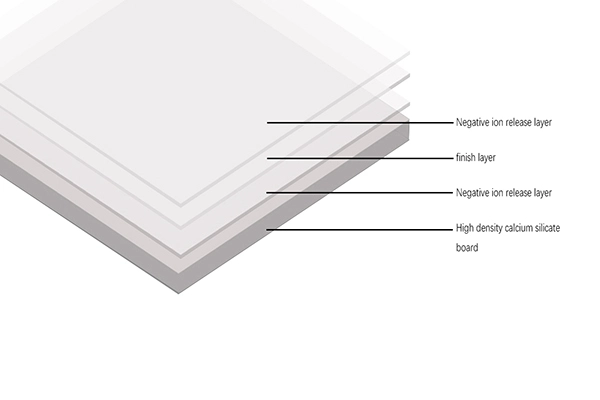
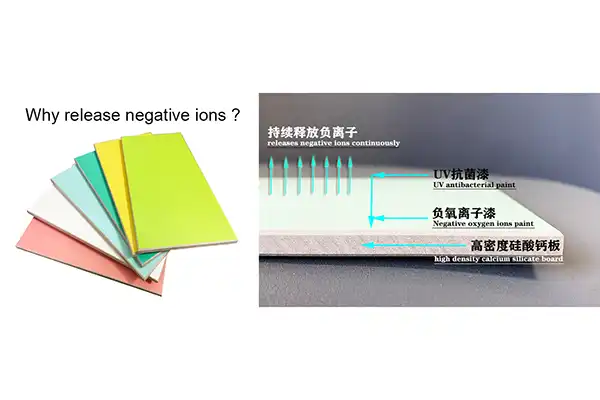
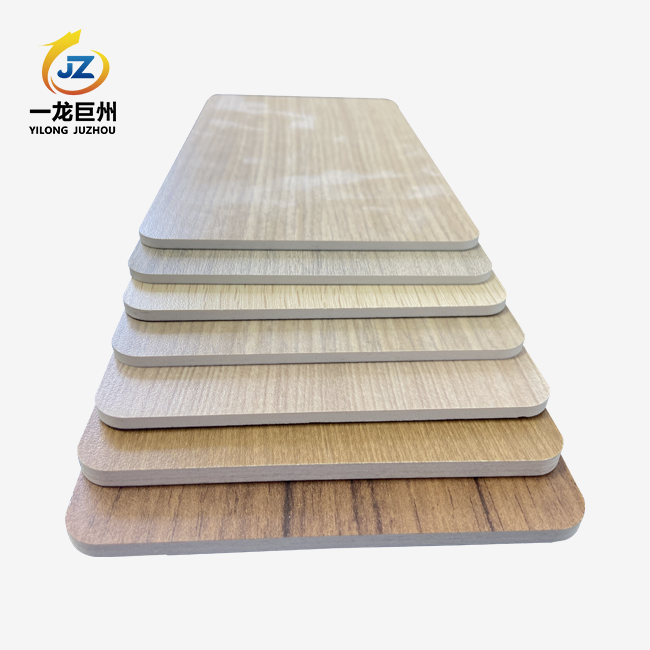
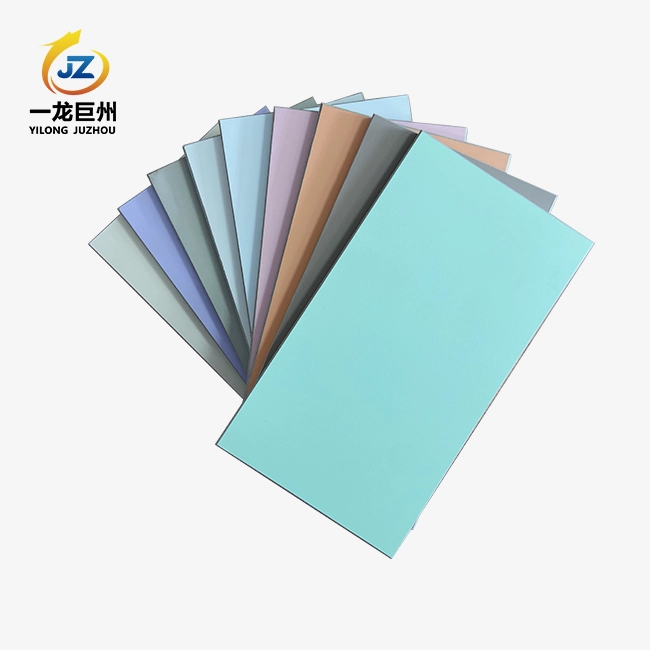
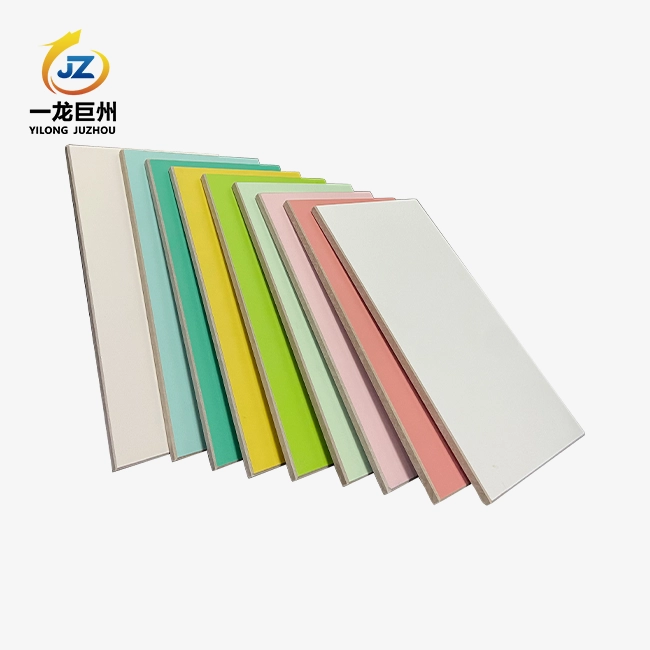
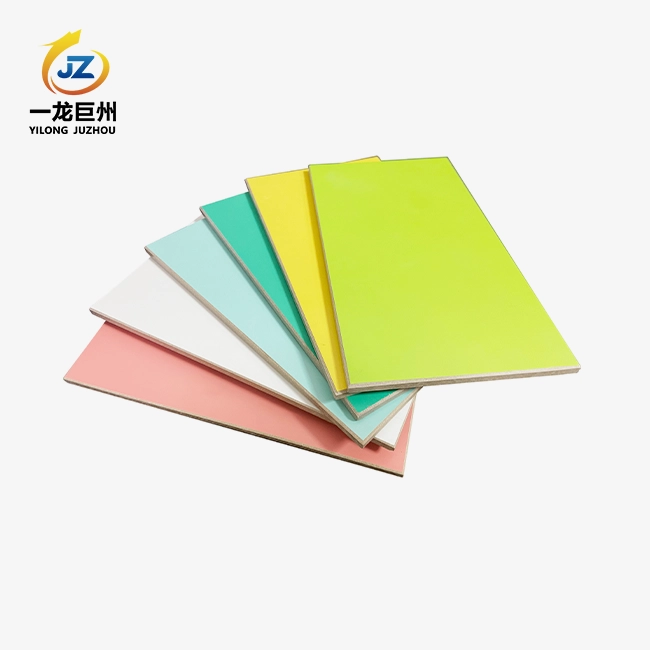
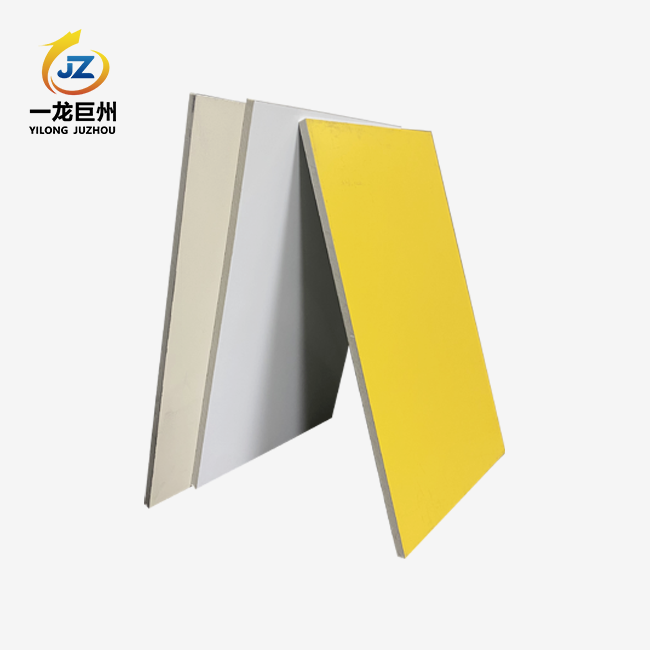
A negative ions panel is a functional plastic wallboard that is designed to improve the quality of the air inside by releasing negative oxygen ions continuously and passively. The base of YILONG JUZHOU's product is made of calcium silicate board, and the top layer is painted with a special negative ions antibacterial paint. Ions are created in the air molecules around the piezoelectric rocks when the temperature changes and there is moisture in the air. This happens without any electricity being added. This makes a bioactive atmosphere that settles down particles in the air, neutralizes VOCs like formaldehyde, and stops bacteria from growing 99.99% of the time. The panel has both an ENF-grade environmental certification and an EU certification, which means it can be used in controlled commercial settings.
How Air Purifiers Work
Negative ion antibacterial panle provides a passive air purification solution alongside the active methods used by air purifiers that rely on mechanical and chemical filtration. HEPA filters get rid of particles as small as 0.3 microns, activated carbon soaks up smells and gaseous pollutants, and UV treatment kills biological contaminants. These appliances filter air by actively drawing it through media, which makes them good at getting rid of high-density particle loads. But they need to be plugged in all the time and have their filters changed every 3 to 12 months. They also make noise when they're working, which can be annoying in quiet places like hospital halls or library reading rooms.
Key Performance Comparison: Negative Ions Panels vs Air Purifiers
Knowing how these two technologies work differently helps buying teams make smart budget choices and pick solutions that fit with the building's long-term goals.
Here is a straight comparison of the most important success factors:
- Pollutant Removal Efficiency: HEPA-based air purifiers capture a broader range of particulates at high concentrations. Negative ions panels excel at continuous, low-level formaldehyde degradation and VOC neutralization — an ongoing problem in newly renovated commercial spaces and hospital interiors.
- Energy Consumption: Air purifiers draw 30–200W continuously, accumulating high operational costs in large facilities. A negative-ion antibacterial panel requires zero electricity, representing substantial lifecycle savings across multi-floor deployments.
- Maintenance Requirements: Air purifier filters need regular replacement, adding recurring procurement costs. The anion-release function of a well-manufactured panel lasts 15–20 years passively, with surface cleaning requiring only a damp cloth.
- Noise Impact: Air purifiers generate 30–60 dB during operation — a concern in environments like CT rooms, operating theaters, and libraries. Panels operate in complete silence by design.
- Safety & Compliance: Low-quality ionizers can emit ozone as a byproduct, which poses respiratory risks. YILONG JUZHOU's panels use tourmaline-based mineral activation that does not generate ozone, and all products carry verified radiation safety test reports confirming emission levels within background limits.
Because of these differences, each technology can be used in different types of situations. Instead of seeing this as a competition, procurement teams would be better off finding out which solution fills in the gaps in their present IAQ plan.
Use Case Scenarios: When to Choose Negative Ions Panels or Air Purifiers?
Where Negative Ions Panels Deliver the Most Value
Negative ion antibacterial panle work especially well in places where improving the indoor air quality (IAQ), following health rules, and blending in with the architecture are all important at the same time. The panels made by YILONG JUZHOU are used in a lot of places, like schools, kindergartens, libraries, airports, train stops, hotels, offices, houses, shopping malls, and pharmaceutical facilities. They are strong enough for high-traffic public buildings because they have a Class A fire resistance grade, are waterproof and mold-proof, and can withstand a lot of pressure. They come in thicknesses ranging from 4.5mm to 15mm, with a normal width of 1220mm and lengths going up to 3050mm. They fit seamlessly into both new building and repair projects.
Where Air Purifiers Perform Better
Air purifiers are still the best way to clean the air in places where there is a lot of it, like on factory floors, in chemical processing rooms, or in temporary construction zones where passive ionization can't handle the particulate loads. In these situations, HEPA filtration quickly and accurately removes particles, which wall-integrated solutions can't fully match.
Combining Both for Optimal IAQ
Both technologies are used together in a lot of complex B2B projects, especially ones that involve big hospitals and college campuses. While portable air purifiers address localized pollution spikes in high-risk areas, negative ion panels handle continuous background purification and surface antibacterial protection across all interior spaces. This mixed method improves both performance and cost-effectiveness.
Procurement Considerations for B2B Clients
Certifications and Compliance
When purchasing teams look at anion wall panel providers, they should put an emphasis on certifications that can be verified. The negative ions panels made by YILONG JUZHOU are certified by the EU, ISO, CE, and the China Environmental Protection Standard. They also meet ENF-grade formaldehyde emission ratings. These qualifications meet the official standards for bids in government, healthcare, and educational procurement processes in the United States and other countries.
Total Cost of Ownership
The cost of the materials at the start is only one measure of value. When you look at the total cost of ownership over the life of a building, which is 10 years, passive wall panels get rid of the need to buy new filters, sign up for service contracts, and use a lot of energy that air purifiers do. For large-scale projects like remodeling hotels, airport hubs, or hospital wards, this difference adds up to big savings on the budget.
Purchasing managers should also check how reliable a supplier is. YILONG JUZHOU has two production bases in Foshan, Guangdong, and Xianyang, Shaanxi. It has a 50,000-square-meter inventory, a production wait time of 3–7 days, and a guarantee of a response time within 24 hours. The company lets OEM and ODM customers make changes, and they offer free samples within 3–5 days. This lowers the risk of not meeting specifications before buying in bulk.
Conclusion
In commercial IAQ management, both negative ions panels and air purifiers have their place. Air filters work quickly and accurately to clean the air after sudden, high-volume particulate events. However, negative ions panels provide something that air filters cannot: permanent architectural integration that constantly cleanses air, kills 99.99% of bacteria, fights moisture and mold, and meets fire and environmental compliance requirements without ongoing running costs. An anion wall panel system is more than just a wall finish for B2B procurement teams that are building or remodeling long-term public and business buildings. It is an investment in the health and safety of the people who will be using the building and in following the rules.
FAQ
Q1: Are negative ions panels more effective than HEPA air purifiers?
They are used for different things. HEPA air purifiers are very good at quickly catching large groups of particles. Negative ions panels break down VOCs and formaldehyde continuously over time. This is a huge benefit for commercial spaces that are newly built or renovated and have off-gassing that lasts for months.
Q2: Do negative ions panels help with allergies?
High levels of negative ions lower allergens in the air and make breathing easier, according to studies published in journals like the Journal of Hygiene. Mineral-embedded walls passively release anions, which makes enclosed spaces better in measured ways.
Q3: Can these panels emit ozone?
Ozone is not made by high-quality screens that use tourmaline-based mineral activation, like those made by YILONG JUZHOU. Before you buy any ionization product, you should always ask your supplier for a radiation and ozone emission test report.
Q4: How long do the panels last?
The anion-release function usually stays on for 15–20 years, which is about the same amount of time that business interior improvements last. During that time, the calcium silicate base offers structural longevity, resistance to impact, and dimensional stability.
Partner With YILONG JUZHOU — Trusted Negative Ions Panel Manufacturer
YILONG JUZHOU builds commercial, healthcare, and institutional projects around the world with negative ions panels that have been proven to work. We help procurement teams from the specification stage all the way through delivery with two production bases, a standing inventory of 50,000 m², and a quality guarantee that lasts for three years. You can get a free sample right now, or you can talk about OEM and bulk supply options. You can email our team at cnyang2000114@gmail.com to see all of our products.
References
1. Perez, V., Alexander, D. D., & Bailey, W. H. (2013). Air ions and mood outcomes: A review and meta-analysis. BMC Psychiatry.
2. Krueger, A. P., & Reed, E. J. (1976). Biological impact of small air ions. Science, 193(4259).
3. U.S. Environmental Protection Agency. (2022). Indoor Air Quality: Introduction to Indoor Air Problems. EPA Publication.
4. World Health Organization. (2010). WHO Guidelines for Indoor Air Quality: Selected Pollutants. WHO Press.
5. Wyon, D. P. (2004). The effects of indoor air quality on performance and productivity. Indoor Air, 14(S7).
6. ASHRAE. (2019). ANSI/ASHRAE Standard 62.1: Ventilation for Acceptable Indoor Air Quality. American Society of Heating, Refrigerating and Air-Conditioning Engineers.

Send Inquiry

Related Industry Knowledge
- Best Colors and Finishes for an Exterior wall ACP panel
- How to Choose the Right Fiberglass Resin Board
- Calcium silicate fireproof board vs Gypsum Board: Which Is Better?
- A2 Aluminum Composite Panel vs. Standard ACP: Key Differences
- Medical Clean Board Solutions for Sterile Laboratories
- Top Applications of Calcium Silicate Aluminum Composite Boards in Fireproof Systems
- A Beginner’s Guide to Choosing Antibacterial Wall Panels
- How Does melamine fireproof board Enhance Interior Fire Safety?
- melamine fireproof board in Commercial Interior Decoration Projects
- Calcium Silicate Aluminum Composite Board vs Traditional ACP Panels: Key Differences