
Calcium silicate fireproof board vs Gypsum Board: Which Is Better?
September 30, 2026
If you’re trying to decide between a calcium silicate fireproof board and a gypsum board, the answer relies on the particular demands of your project. Calcium silicate boards outperform gypsum boards regularly in fire resistance, moisture durability, and long-term structural integrity in high-performance situations such as hospitals, industrial facilities, airports, or commercial developments. For lighter interior uses, Gypsum boards are still a good value. For where fire safety compliance, antibacterial performance, and material lifespan are not negotiable criteria, calcium silicate panels provide a measurably stronger ROI over the building’s lifecycle.
Understanding Calcium Silicate Fireproof Board and Gypsum Board
What Are These Two Materials Made Of?
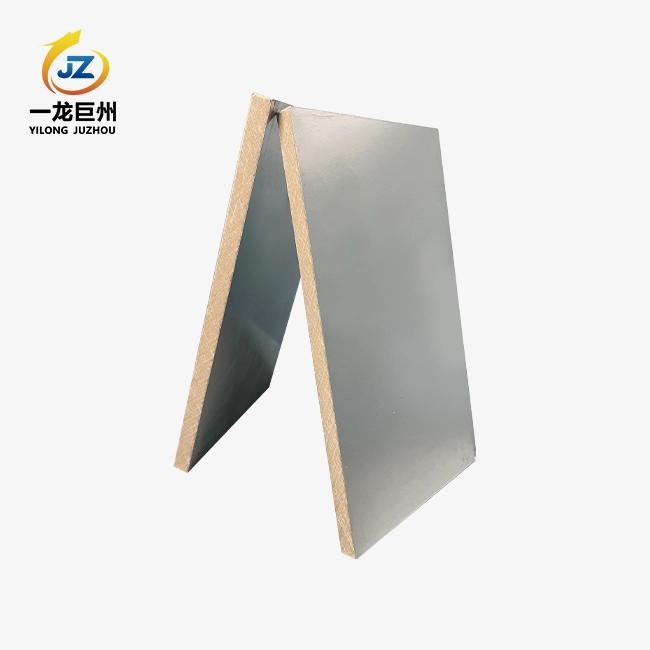
Calcium silicate fireproof boards are manufactured from a mixture of siliceous, calcareous, and reinforcing fibres. This makes a thick, dimensionally stable panel that is fireproof (Class A). Gypsum boards are built up mostly of layers of paper and dried calcium sulphate. Their paper-core structure means they are more likely to absorb water, bloat, and lose their surface in humid or high-traffic regions. But they are lighter, easier to cut, and cheaper in the short term.
Why does composition determine performance?
The technique in which a building material is created is quite crucial. The fireproof boards of calcium silicate are cured in the autoclave under high pressure and temperature. This increases the density of the panel structure and seals in its fire resistance and water resistance. Gypsum boards are crushed and kiln-dried, creating a product that functions well in regular interior environments but breaks down more quickly when exposed to water, impacts, or extended heat. If purchasing managers realise this fundamental distinction, they can set better requirements as to material right from the outset.
Performance Comparison: Calcium Silicate vs Gypsum Board
Fire Resistance
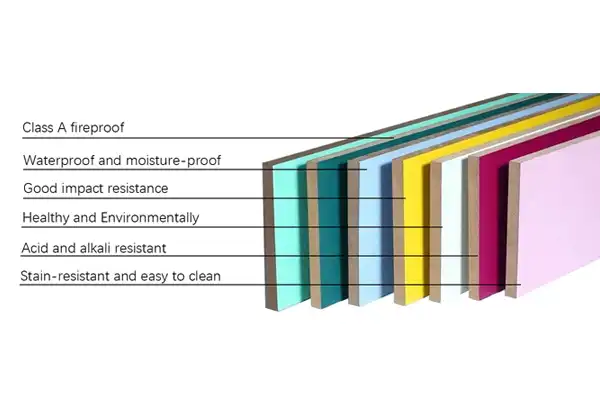
According to international fire regulations, Asbestos-free cement pressure board, which belongs to the category of calcium silicate fireproof boards, is classified as A1 non-combustible. Panels between 9 and 12 mm thick, depending on the panel design, can achieve fire protection limits of one hour or more than two hours. Gypsum boards provide some passive fire protection due to the water in calcium sulphate. But they do collapse and fall apart if they get too hot for too long. Calcium silicate fireproof board is the finest material for construction projects that require meeting fire safety criteria, such as caves, drug facilities, and public transit stops.
Moisture, Impact, and Longevity
Because calcium silicate panels work better than gypsum options, these are the main reasons why:
- Waterproof and mold-resistant: Calcium silicate fireproof boards don't soak up water for long periods of time, so they can be used in places with a lot of humidity, like food processing plants, hospital hallways, and basements.
- Impact resilience: The reinforced fiber matrix is very resistant to cracks in walls and surface dents, so areas with a lot of foot traffic need less upkeep.
- Dimensional stability: In contrast to gypsum, which can warp or crack, the panel keeps its shape through seasonal changes because it doesn't expand or contract much when the temperature changes.
- Sound insulation: Calcium silicate panels can block out up to 46 decibels of noise, making open-plan offices, schools, and public buildings quiet, comfortable, and healthy.
Because of these performance traits, calcium silicate fireproof boards are a good long-term investment, especially when lifetime cost analysis is part of the decision to buy.
Where Gypsum Boards Still Hold Value
When budget is the main issue, gypsum boards are still the best choice for home interiors, low-rise office partitions, and renovation projects. Their lighter weight makes them easier to handle, and normal fitting tools can be used on all of them. For non-regulated indoor uses that won't be exposed to water or fire, gypsum is still a useful and affordable option.
Cost and Procurement Factors for Global B2B Clients
Evaluating Total Cost of Ownership
When purchasing managers compare the initial costs of materials, they often forget to take into account replacement cycles, maintenance labor, and fines for not following the rules. Gypsum boards are cheaper per sheet, but they are more likely to get damaged by water, impact, and fire, which adds to the overall cost. Though calcium silicate fireproof boards cost more at first, they have a lower total cost of ownership over the next five to ten years because they last longer and need less upkeep.
Supplier Certification and Logistics Standards
When buying building panels for big projects or projects that span countries, the reputation of the seller is just as important as the product itself. Calcium silicate fireproof board suppliers you can trust should have ISO, CE, and any other environmental certifications that are needed. These certifications show that the products work well and are made consistently. Also, procurement teams should look at wait times, stock levels, and export packing standards. This is especially important for EPC projects that need to be delivered in stages.
YILONG JUZHOU is certified by the China Environmental Protection Agency, ISO, and CE. They keep a stock of 50,000 m² and can produce normal production orders in 3 to 7 days. Exports leave from the ports of Shenzhen, Guangzhou, Shanghai, or Qingdao, and can also be sent by land through Xi'an, Guangzhou, Shenzhen, and Foshan. This makes logistics flexible enough to meet a wide range of international supply needs.
Application Scenarios – Which Board Suits Your Project?
Where Calcium Silicate Panels Excel
Calcium silicate fireproof boards are the best choice for places where fire, moisture, and cleanliness standards all come together. Hospitals, clinics, schools, kindergartens, libraries, subways, airports, train stations, hotels, high-end clubs, shopping malls, and places that make drugs or food are some examples. They are very useful in healthcare and public infrastructure projects where infection control is a measurable compliance requirement because they kill 99.99% of bacteria.
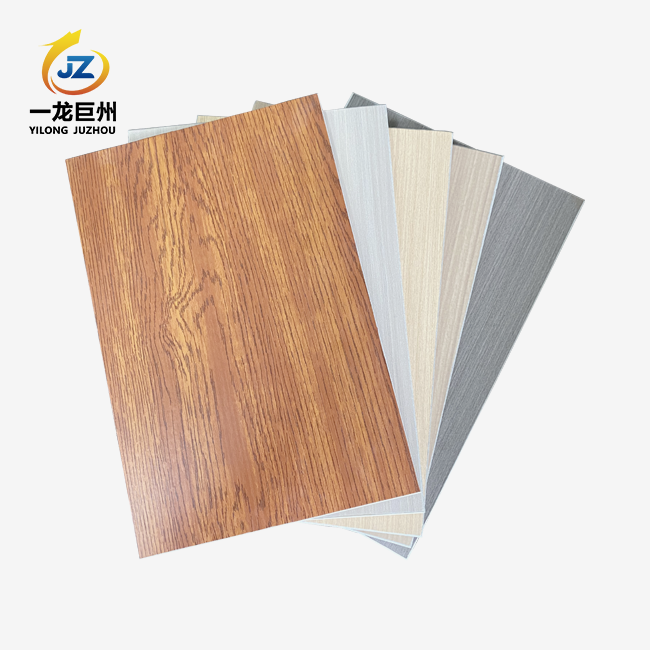
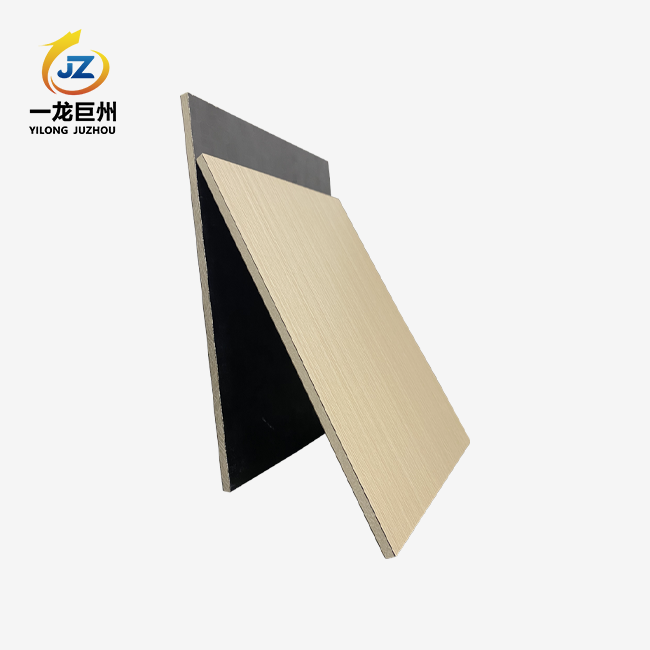
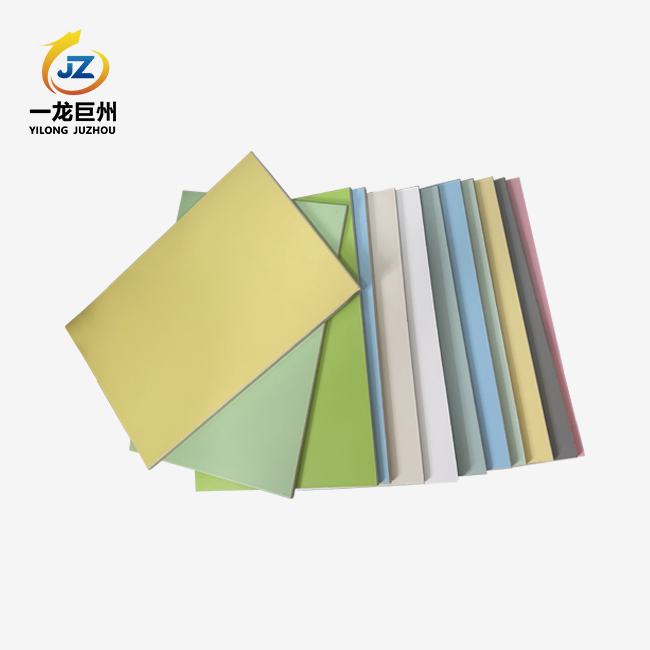
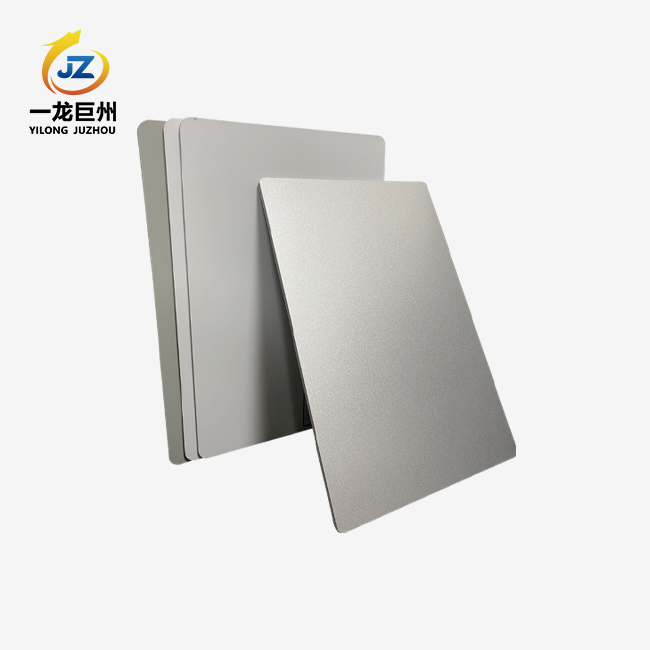
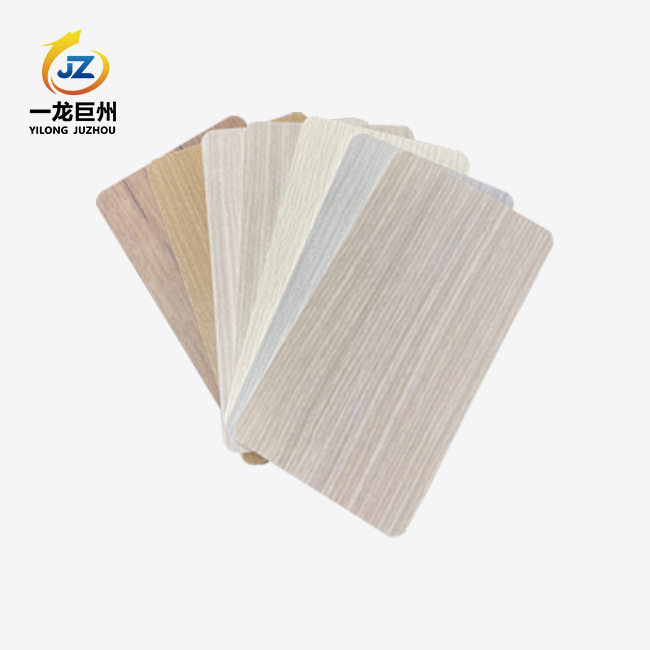
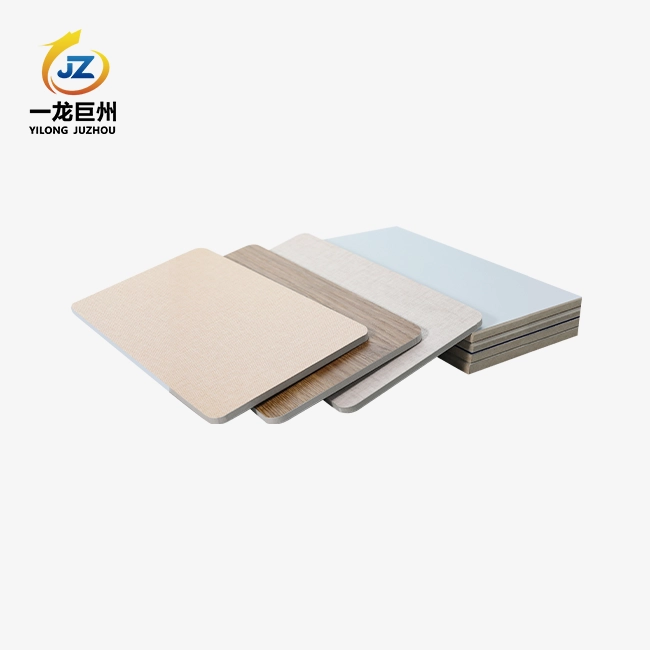
The Marble Calcium Silicate Board from YILONG JUZHOU stands out in this group. It is a calcium silicate panel with a UV-cured marble film layer on top of it. It can be as thin as 4.5 mm or as thick as 15 mm, with a typical width of 1220 mm and lengths of up to 3050 mm. There are different surface choices, such as solid color, woodgrain, marble pattern, metallic pattern, and cloth pattern. This gives builders and interior designers the visual freedom that high-end business and private projects need.
There is no benzene or volatile chemical molecules in the material. UV curing makes a thick film on the surface that stops the substrate from off-gassing completely, so it can be used right away after installation. Its quick pressure-strip installation method is made at the factory, which cuts down on the time needed for on-site work and lets it be put together right at the project site.
Where Gypsum Boards Remain Appropriate
Gypsum boards are still a good choice for standard drywalling in homes, temporary wall systems in office fit-outs, and any other indoor use where the temperature is controlled, the air is dry, and there is little risk. They shouldn't be used in places that need to keep fires separate, keep water out, or have heavy-duty surface performance—for these high-demand scenarios, A1 fireproof wall board is the appropriate alternative.
Choosing the Right Fireproof Board: A Decision Support Guide
Four things come together to determine the best wall panel specification: the fire risk classification, the environmental exposure, the expected project lifecycle, and compliance requirements. Calcium silicate fireproof boards meet performance and licensing standards that gypsum panels can't always meet. This is true for projects in healthcare, education, public transit, and industrial production, among other areas.
With OEM and ODM capabilities, buying teams and dealers can choose unique panel sizes, finishes, and installation systems that meet the needs of each project. When international distributors need to get materials for more than one market, they should look for a supplier with two production bases, certified quality systems, and quick technical support. This will make the buying process safer.
Conclusion
Calcium silicate fireproof boards work better than gypsum boards in all high-demand areas, including resistance to fire, longevity in wet conditions, effectiveness against germs, and long-term structural stability. In places with low risk and limited budgets, gypsum boards work well. It is technically sound and good for business for procurement professionals working in commercial construction, healthcare, industrial facilities, or international distribution to choose calcium silicate panels. The choice shows how important safety, following the rules, and long-lasting materials are to the project.
FAQ
Q1: How does the fire resistance of calcium silicate boards compare to gypsum boards?
Calcium silicate fireproof boards get Class A1 ratings for not catching fire and can withstand fire for one to two hours or more in tested assemblies. Calcium sulfate in gypsum boards traps moisture, which makes them passively fire-resistant. However, when heated for a long time, they break and lose their structural integrity. For areas that are separated from fires, calcium silicate is the required standard.
Q2: Are calcium silicate boards suitable for humid or wet environments?
Yes. Calcium silicate panels are waterproof, don't absorb water or mold, and don't grow mold. Because they don't swell, warp, or break down when exposed to humidity for a long time, they are the normal choice for hospitals, food plants, tunnels, and building projects along the coast.
Q3: What thicknesses and sizes are available for bulk procurement?
Calcium silicate fireproof boards can be bought from YILONG JUZHOU in thicknesses ranging from 4 mm to 30 mm. The sizes of the Marble Calcium Silicate Board are 4.5, 5, 5.5, 6, 8, 10, 12, 14, and 15 mm. It comes in a normal width of 1220 mm and lengths of up to 3050 mm. Custom sizes can be made through OEM and ODM agreements.
Q4: Can I request a sample before placing a bulk order?
You can get free samples, which are usually sent out within 3 to 5 days. It is possible to change the specifications of samples to meet the needs of buyers in different markets.
Partner with YILONG JUZHOU — Trusted Calcium Silicate Board Manufacturer
YILONG JUZHOU operates dual production facilities in Foshan, Guangdong, and Xianyang, Shaanxi, with 50,000 m² in stock and a 3–7-day production cycle. Our calcium silicate fireproof board supplier capabilities extend across 30+ export markets, backed by ISO, CE, and China Environmental Protection certifications. We offer OEM/ODM customization, a three-year quality guarantee, and full technical support from specification through installation. Reach our team at cnyang2000114@gmail.com to request your free sample or bulk quote today.
References
1. ASTM International. ASTM C1396/C1396M: Standard Specification for Gypsum Board. ASTM International, 2017.
2. British Standards Institution. BS EN 15283-2: Gypsum Boards with Fibrous Reinforcement. BSI, 2009.
3. International Organization for Standardization. ISO 1182: Reaction to Fire Tests for Products — Non-Combustibility Test. ISO, 2020.
4. Underwriters Laboratories. UL Fire Resistance Directory: Wall and Partition Assemblies. UL Standards, 2022.
6. Wang, L., & Zhang, Y. Performance Evaluation of Calcium Silicate Boards in High-Humidity Building Environments. Construction and Building Materials Journal, 2019.
6. European Committee for Standardization. EN 12467: Fibre-Cement Flat Sheets — Product Specification and Test Methods. CEN, 2012.

Send Inquiry

Related Industry Knowledge
- How to Choose a Coated Aluminum Composite Panel
- A2 Aluminum Composite Panel for High-Rise Fire Safety
- Top 10 Interesting Facts about Aluminium Composite Panels
- Understanding Aluminum Composite Panels for Beginners
- Interior and Exterior Applications of A2 Aluminum Composite Panels
- How Does a Negative Ion Healthy Panel Improve Indoor Air Quality?
- Inorganic pre-coated panels for Modern Architectural Applications
- What Is a Calcium Silicate Aluminum Composite Board? A Complete Guide
- Medical Clean Board for Hospital Wall and Ceiling Systems
- UV Antibacterial panels Durability and Scratch Resistance Explained