
A Buyer's Guide to Antibacterial Wall Panels
November 3, 2026
Antibacterial wall panels are interior wall boards that have been treated on the outside to prevent bacteria from growing. This helps keep the walls of crowded buildings clean. A smart buyer checks four things: the antibacterial test report, the fire and moisture data, how the panels are put together, and how quickly the supplier can respond. It can be used in hospitals, schools, clean rooms, food plants, and business projects. I explain how each one works. I also tell you about the YILONG JUZHOU panels' specs before you ask for a quote. This way, you can decide if they are right for your project.
What Antibacterial Wall Panels Are and Why Buyers Choose Them
What Antibacterial Wall Panels Do
Antibacterial wall panels are made from boards that are made in a factory, so bacteria cannot grow on their surface. It doesn't clean itself or kill germs. Because it cuts down on the number of germs that can grow on the surface between cleanings, it works. Coatings that keep things clean, layers of defense that don't let air through, and coatings that have extra stuff mixed in are all common technologies. It is possible to use a lot of different base materials, like calcium silicate board, PVC, and FRP materials. I always check to see if the antibacterial test was done on the whole panel or just a small piece of the coating or raw material before I review something. This answer tells you the difference between a real product and something a company says it is.

Antibacterial vs. Antimicrobial Claims
Both terms are used by people who want to buy things, but they mean different things. Antibacterial means that it gets rid of bacteria. "Antimicrobial" can also mean "fungi," "mold," or "algae." A report that only looks at two types of bacteria does not show mold or mildew resistance, and a claim that there are fewer bacteria does not show mold or mildew resistance. In the US, the EPA is in charge of antimicrobial claims because of FIFRA. That's why I think you should ask each supplier how it can back up what it says. ISO 22196 is often used in labs to test how germ-resistant plastics and other surfaces without pores are. Find out about the organisms that were tested, the lab where they were done, the date of the tests, and the rate of killing that was given.
Where Hygiene Benefits Matter Most
The CDC found that every day, about 1 in 31 hospital patients in the U.S. got at least one infection from the care they received. Walls are one source. Antibacterial wall panels with a smooth, easy-to-clean surface make it easier to keep the area clean. That kind of surface works better in schools, hospitals, clinics, pet hospitals, and food factories because it doesn't hold dirt well. With fake finishes, store and hotel owners can also make sure that all of their locations look the same. People who are still interested are told by me that panels help keep germs away, but they don't replace cleaning, airflow, and germ-killing.
How to Evaluate Performance and Compare Wall Finishes
Reading the Antibacterial Test Report
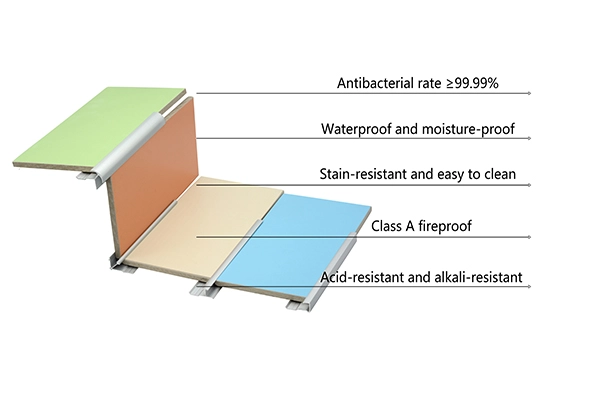
The standard (like JIS Z 2801 or ISO 22196), the bacteria used, the contact time, and the lab that did the test should all be in a good test report. The date and name of the test item or product are also shown. That's why, when a supplier gives me a sample, I ask what kinds of organisms are in the 99.99% number and if it matches the production line. The UV antibacterial paint on YILONG JUZHOU is said to kill 99.99% of bacteria. Buyers should ask for a test report to be sent with their sample. Also, I believe you should see if the outcome stays the same after several cleanings. It can lose its power if a layer on the surface wears away.
Fire, Moisture, and Impact Data
Fire must match the code in order to reach its goal. The YILONG JUZHOU panels are GB 8624 Class A, which means they won't catch fire. China has its own building code, while most projects in the United States follow ASTM E84 and their own local building codes. Talk to your code official or architect to find out more. Also, it's important to have water. Even though the panels keep water and mold out, you should still seal the edges, joints, and pipe holes. Also, carts and other tools won't be able to break or dent them because they are strong. Find out how it handles water and pressure to get the exact thickness you want.
Comparing Panels with Tile, PVC, and Painted Drywall
But the grout lines need to be cleaned more often because they get dirty. The tile lasts a long time. Painting drywall makes it easy to hang, but water can damage it and make it dent. Most PVC is easy to clean, but unless a test report says otherwise, it doesn't kill germs. These antibacterial wall panels are 1220 mm by 2440 mm, which is about 4 feet by 8 feet. They don't come in small tiles. Now there are not as many joints. I compare the trims, adhesives, labor, downtime, repairs, and replacements when I look at the system as a whole. The lowest price per square meter isn't always the best deal for business and industrial projects.
Choosing Antibacterial Wall Panels by Application and Specification
Matching Panels to Each Space
There are different risks in each room, so I check each one first. Things in operating rooms and hospitals need to be simple to clean, not be harmed by germs, and not catch fire. A lot of U.S. healthcare projects follow FGI rules. These steps should be taken by anyone who wants to buy a medical clean board or a medical antibacterial board. It is important for drug plants and clean rooms to have smooth surfaces and clear joints. Some places that make food need to keep water out, and schools and subways need to be able to handle hits. A shopping mall, a stadium, a medical beauty clinic, and a pet hospital are just a few of the design goals that are often added. All of these places where YILONG JUZHOU panels are used to build walls or decorate work well with them.
YILONG JUZHOU Panel Structure and Sizes
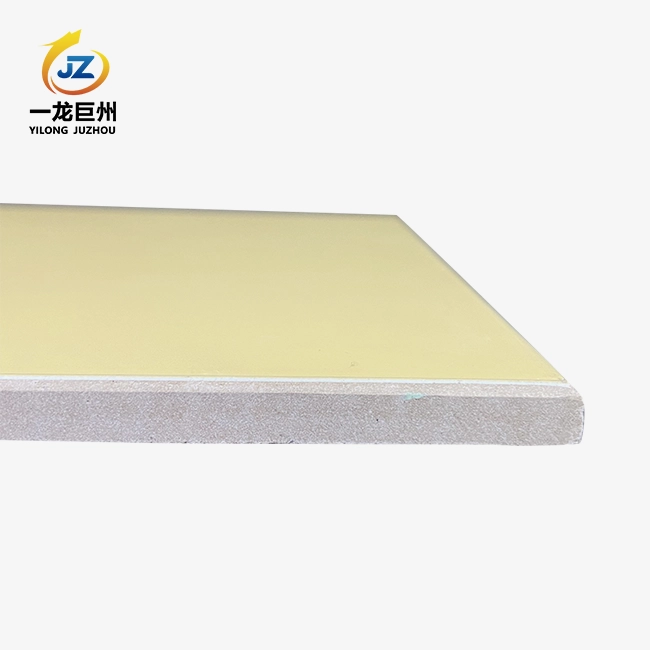
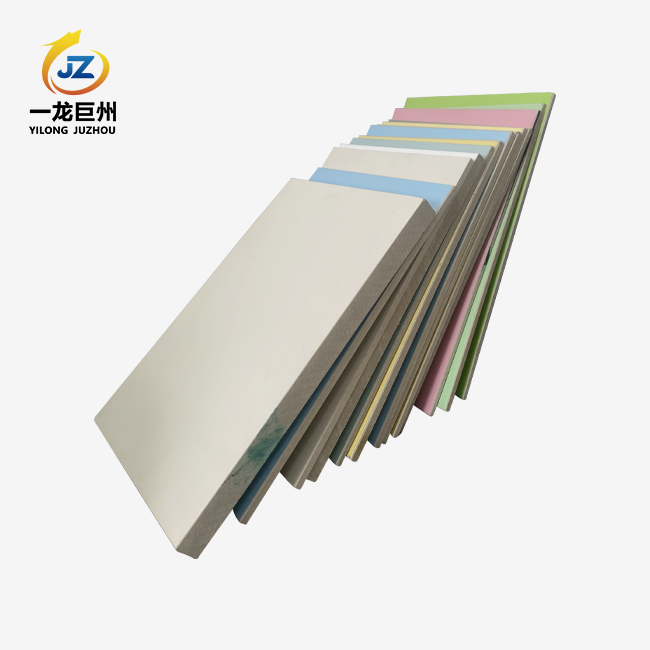
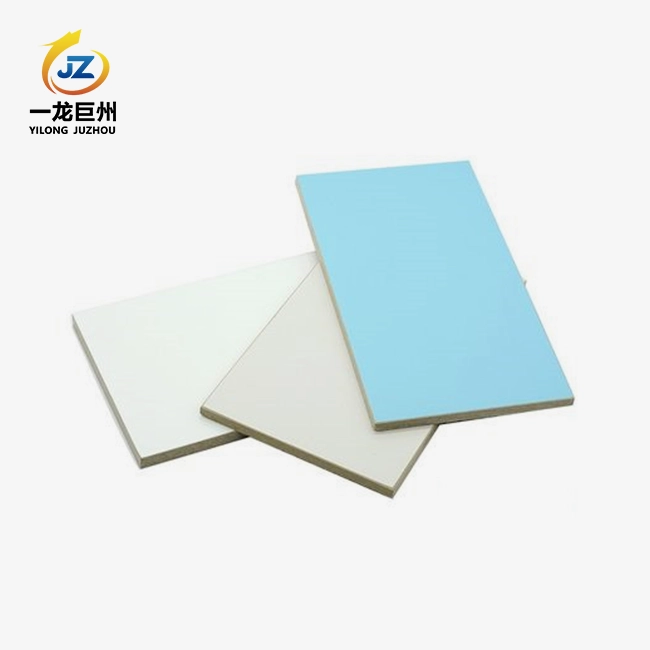
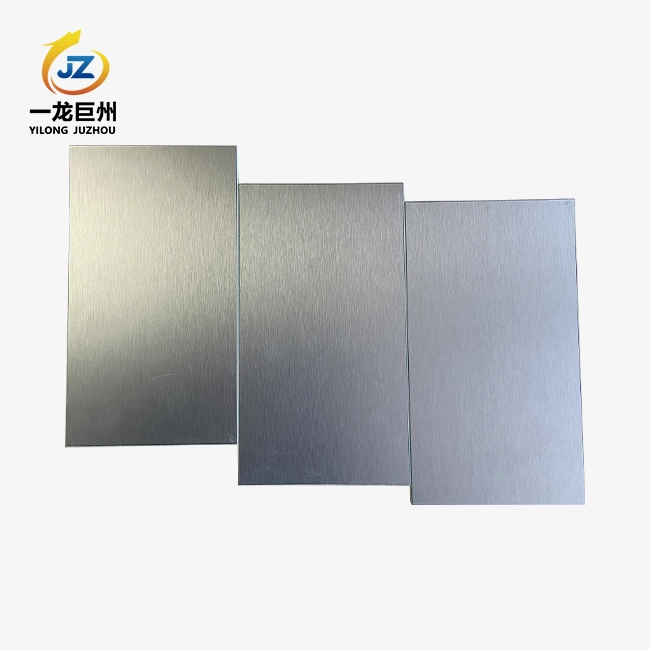
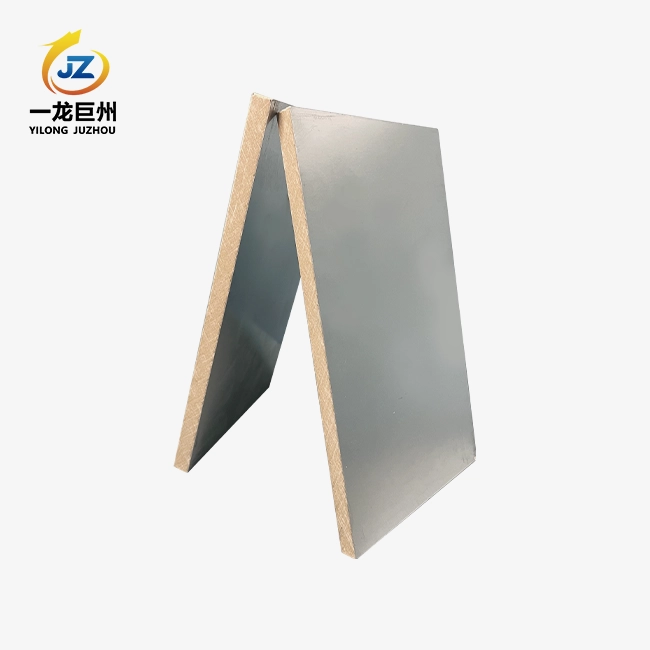
The item's exterior is made of calcium silicate and either a PVC film or UV-antibacterial paint. It comes in 4.5, 5, 5.5, 6, 8, 10, 12, 15, 18, and 20 mm thick. It should be 3050 mm tall, 2440 mm wide, and 1220 mm deep. You can pick a solid color, a smooth woodgrain finish, a patterned marble or metal finish, or a patterned cloth finish. When UV light cures something, it makes a thick film that keeps the substrate from letting gas out. There is no benzene or other volatile chemicals in the material, so rooms don't smell after it's been put in, and it can be used right away. Over time, the color doesn't change.
Building a Project Brief and Checking Samples
First, I always ask what kind of building it is, how big the walls are, how clean it is, when and where the delivery will happen, and if there are any fire rules. After that, I sort the criteria into groups based on what they could be used for. One business might start by checking the paperwork, while another could start by checking the stock and lead time. You should use more than just price to compare suppliers. A simple table will do great. In three to five days, YILONG JUZHOU will send you a free sample if you ask for one. You can also make changes as an OEM or ODM customer. Before you agree to buy a lot of it, you should look at each sample to see how well the colors match, how smooth it is, how thick it is, how well the edges are cut, how well the joints fit, and how well it cleans.
Installation, Cost, and Supplier Selection
Installation and Maintenance
Before putting up any panels, even strong ones like a medical clean board, you should always make sure the base is dry and level. Press-strips make it easy to put these panels up quickly and on bare walls. They also save time and work. Because the factory can make them to order, teams can also plan layouts before the goods are sent out. To keep things clean, pay extra attention to corners, floor joints, ceiling lines, door frames, and places where pipes go through walls. Use cleaning products that the company says are safe, and don't scrub the surface with rough pads or solvents. Every so often, look for damage like cracks, holes, and worn edges. This way, you can fix it before water gets to the core.

Cost and Procurement Factors
How thick it is, what finish it has, how fireproof it is, how big the order is, how it is packed, and how much freight costs affect the price. Things like trims, glues, fasteners, extra panels, labor, and waste from cutting should also be in a good budget. Making sure you know the minimum order amounts, how consistent the batches are, and when the deliveries will happen is important for projects and distributors that have more than one site. They have 50,000 square meters of stock and can make something in three to seven days. Hernzhen, Guangzhou, Shanghai, and Qingdao all have ports where ships can dock. Early on, check the Incoterms, export documents, and customs requirements to make sure there won't be any delays when the goods are being put into service.
Evaluating a Supplier
They will give you test reports, technical data sheets, installation instructions, and ways to make sure the quality is good if you buy from a good company. Labels, packaging, and customs forms must all be made to fit the country they are going to, so export experience is important. Shaanxi Yilong Juzhou Material Technology Co., Ltd. makes things in Xianyang and Foshan, all in China. Eco-Friendly China, ISO, and CE have all said that its products are safe. The company responds in 24 hours, helps with design and installation, and guarantees quality for three years. Ask for paperwork, samples, and references before you decide. Also, make sure that each coupon can be used to buy the thing you want.
Conclusion
Antibacterial wall panels can help keep the interior walls of busy buildings clean if they are used properly. People who want to buy something should read the test report to learn about the species, the method, and the lab. The fire and moisture data should also match the destination code, which they should do. Paint, drywall, standard PVC, and tile all have more joints than large-format panels. Look at how much the whole installation will cost instead of how much each unit costs. There should be rules for every place, like clean rooms, schools, food plants, and hospitals. It's a good idea to choose a supplier that has a history of steady production and export. There should also be samples, a clear project brief, careful installation, and approved ways to clean. Panels help stop the spread of germs, but they still need to be cleaned and have enough airflow.
FAQ
Q1: Do antibacterial wall panels replace regular cleaning?
Yes, germs can't grow on the outside. Still, you should clean and sanitize it often to get rid of the grease, dirt, and food leftovers. I'm going to do more than just clean the panel to stop infections.
Q2: Are the panels fire-resistant?
GB 8624 says that YILONG JUZHOU panels are Class A, which means they can't catch fire. U.S. inspectors use ASTM E84 a lot, so make sure you ask the person in charge of your code what paperwork your project needs.
Q3: Can I order OEM or ODM versions?
Yes. You can place an OEM or ODM order with YILONG JUZHOU. Sizes of sheets that meet the rules are 1220 mm wide and 2440 mm high. They could be a solid color or have a pattern that looks like wood, marble, metal, or cloth.
Q4: Can I test a sample first?
Yes. You can get free samples, and most of the time, shipping takes three to five days. Check the finish, thickness, quality of the edges, and how well it cleans before you let a lot of people make it. Ask for the test report as well.
Start Your Antibacterial Wall Panels Project with YILONG JUZHOU
Are you ready to look at one more? The company that makes the antibacterial wall panels that you buy from YILONG JUZHOU makes them. They offer free samples, OEM and ODM services, two factories, 50,000 square meters of stock, and a quality guarantee that lasts for three years. Feel free to email cnyang2000114@gmail.com with the wall's size, thickness, finish, and where you want it to go, and our team will make a plan for how to fit it.
References
1. Magill et al., "Changes in Prevalence of Health Care–Associated Infections in U.S. Hospitals," New England Journal of Medicine, 2018.
2. ISO 22196: Measurement of Antibacterial Activity on Plastics and Other Non-Porous Surfaces, International Organization for Standardization, 2011.
3. ASTM E84: Standard Test Method for Surface Burning Characteristics of Building Materials, ASTM International, 2023.
4. GB 8624: Classification for Burning Behavior of Building Materials and Products, Standardization Administration of China, 2012.
5. Guidelines for Environmental Infection Control in Health-Care Facilities, Centers for Disease Control and Prevention, 2003.
6. FGI Guidelines for Design and Construction of Hospitals, Facility Guidelines Institute, 2022.

Send Inquiry


Related Industry Knowledge
- Negative ions panel vs Air Purifiers: Which Is Better?
- How Durable Is PE aluminum composite board?
- What Is the Best Exterior wall ACP panel for Modern Facades?
- UV Antibacterial panels Material Structure and Coating Technology
- ACP Sheets: Pros, Cons, and Uses Explained
- Analysis of the Functional Principles and Market Prospects of the Negative ions panel
- A Beginner’s Guide to Choosing Antibacterial Wall Panels
- Inorganic pre-coated panels for Modern Architectural Applications
- How to clean an aluminum composite panel?
- Medical Clean Board Installation and Maintenance Guide