
Antibacterial Wall Panels for Hygienic Commercial Interiors
September 8, 2026
Antibacterial wall panels are purpose-engineered interior cladding systems that actively suppress microbial colonization on wall surfaces. Unlike standard paint or ceramic tile, these panels integrate biocidal technology directly into their structure, delivering continuous pathogen reduction without relying solely on cleaning schedules. For purchasing managers, project engineers, distributors, and OEM clients working in healthcare, food production, hospitality, or commercial construction, selecting the right hygienic wall solution can directly affect regulatory compliance, occupant safety, and long-term facility costs. This guide walks through what these panels are, how they work, how they compare to traditional materials, and what to look for when sourcing them at scale.
Understanding Antibacterial Wall Panels: Definition, Benefits, and Applications
What Makes a Panel Truly Antibacterial?
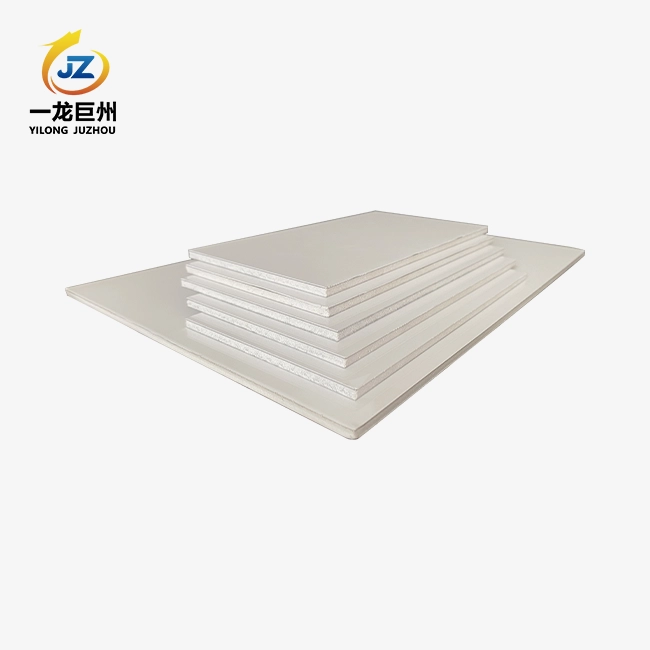
It is not enough to just have a surface that is easy to clean when you have an antibacterial wall panel. The product comprises active elements that are able to enter the cell walls of bacteria and prevent them from replicating. These active ingredients include silver-ion technology, zinc-based compounds, and UV-cured antimicrobial coatings. YILONG JUZHOU's panels, which are constructed on a calcium silicate board substrate and have a UV antibacterial coating surface layer, have been shown to reach a 99.99% antibacterial rate. This number has been validated using third-party testing methodologies that are compliant with ISO 22196 standards. Due to the fact that they are so effective, they are much superior to passively cleanable surfaces in controlled situations.

Core Benefits That Drive Procurement Decisions
The performance profile of these sanitary wall panels concurrently fulfills a number of different procurement criteria. Here are the primary benefits that are worthy of consideration:
- Safety against fire: They have been rated as non-combustible Class A by GB8624, which means that they are in compliance with strict fire rules in places like schools, hospitals, and public transportation systems.
- Resistance to Moisture and Mold: The thick film layer that has been cured by ultraviolet light prevents moisture from entering, which in turn prevents mold development in high-humidity environments such as commercial kitchens and food processing facilities.
- Strong structural resistance protects walls from denting and cracking, which is a practical advantage in high-traffic corridors and loading zones. Impact durability is characterized by the capacity to withstand impact.
- There is no benzene or volatile organic compounds present in the material; hence, there is no off-gassing caused by VOCs. Following the installation, the room is devoid of odors and is prepared for immediate occupancy, which is an important factor in the rehabilitation of hospitals and buildings that are already inhabited.
- Colorfastness: UV-cured panels maintain their color integrity over time without fading or noticeable color fluctuation, significantly exceeding typical laminate or painted boards in terms of their ability to maintain their aesthetic appeal over time.

One of the most fundamental challenges in commercial procurement is the requirement to strike a balance between hygienic compliance, budget efficiency, and design quality. These combined benefits provide a solution to this problem. Choosing a material that can concurrently manage fire safety, moisture, impact, and air quality eliminates the requirement for various solutions that overlap with one another.
Where These Panels Are Applied
The application range is broad. YILONG JUZHOU's medical antibacterial wall panels are used across hospitals, operating rooms, medical aesthetic centers, pet hospitals, clean rooms, pharmaceutical factories, food factories, schools, shopping malls, subway stations, stadiums, and residential renovations. According to the WHO, healthcare-associated infections affect hundreds of millions of patients globally each year, making surface hygiene a frontline concern — not a finishing detail.
How Antibacterial Wall Panels Work and Their Types
The Science Behind the Surface
The antibacterial efficacy of the Antibacterial wall panels offered by YILONG JUZHOU is derived from a coating that has been UV-cured and placed over a core made of calcium silicate board. Additionally, an optional PVC film layer is available, depending on the needs of the application. The process of UV curing results in the formation of a thick coating that is cross-linked, which renders the surface physically non-porous. Due to the fact that biofilm development, which is the forerunner to chronic contamination, needs rough surfaces to attach, the absence of pores might be considered very important. On a surface that is smooth, rigid, and UV-cured, bacteria are unable to establish a root system.
With a standard width of 1220mm, lengths up to 2440mm, and a maximum height of 3050mm, panel thickness choices vary from 4.5mm to 20mm (4.5 / 5 / 5.5 / 6 / 8 / 10 / 12 / 15 / 18 / 20mm). Additionally, panel height options are available up to 3050mm. The dimensional flexibility of these panels allows them to be adapted to both typical commercial interiors and non-standard industrial layouts because of their adaptability.
Panel Types and Aesthetic Options
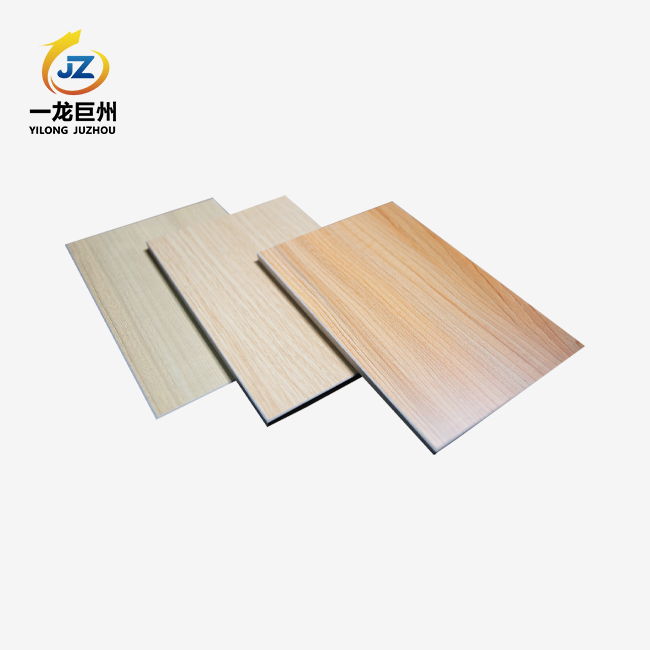
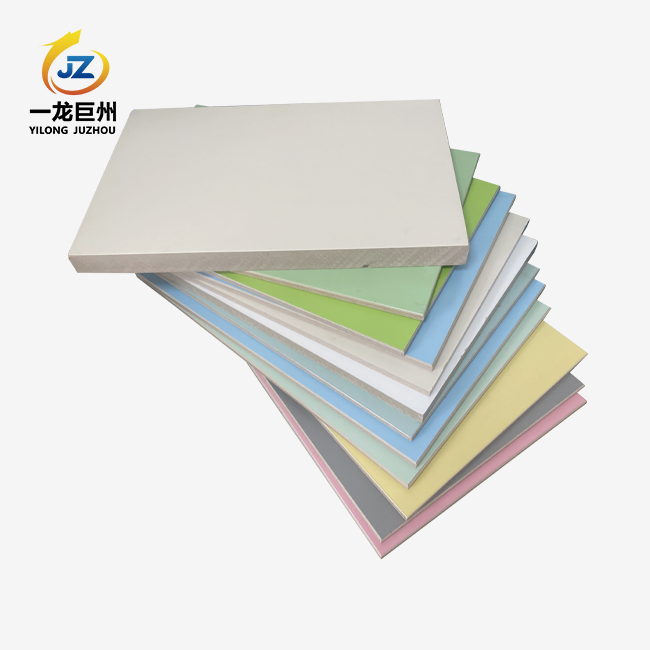
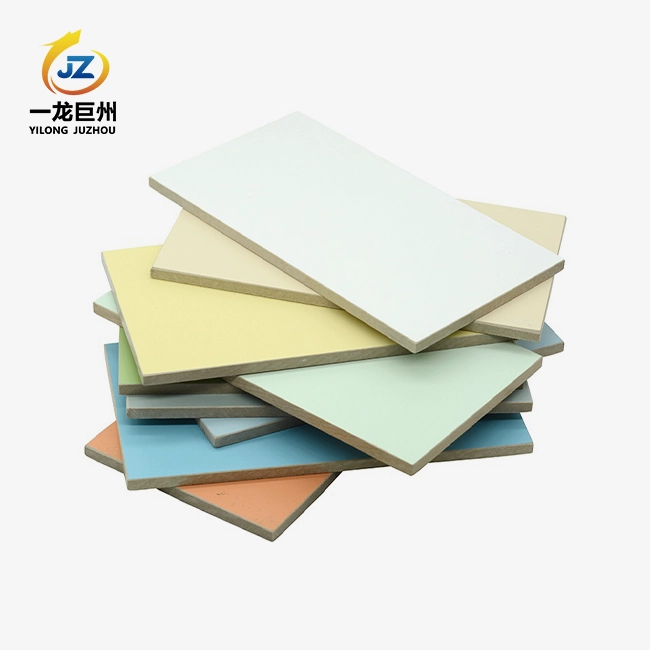
YILONG JUZHOU offers panels in solid color, woodgrain, marble-patterned, metallic pattern, and cloth pattern finishes. This variety allows procurement teams and interior designers to specify Antibacterial wall panels without sacrificing architectural intent — a common requirement in hotel lobbies, upscale medical clinics, and institutional buildings where aesthetics are part of the brief.
Comparing Antibacterial Wall Panels with Traditional Alternatives
Traditional wall materials — ceramic tile, painted drywall, and standard laminates — have served commercial interiors for decades. However, their limitations become visible in regulated or high-use environments. Ceramic tile grout lines are notorious bacterial harbors; biofilm embeds itself in the porous grout matrix even after regular cleaning. Over time, painted surfaces chip and absorb moisture, creating micro-environments where mold thrives. Standard laminates lack fire resistance ratings appropriate for healthcare or transit infrastructure.
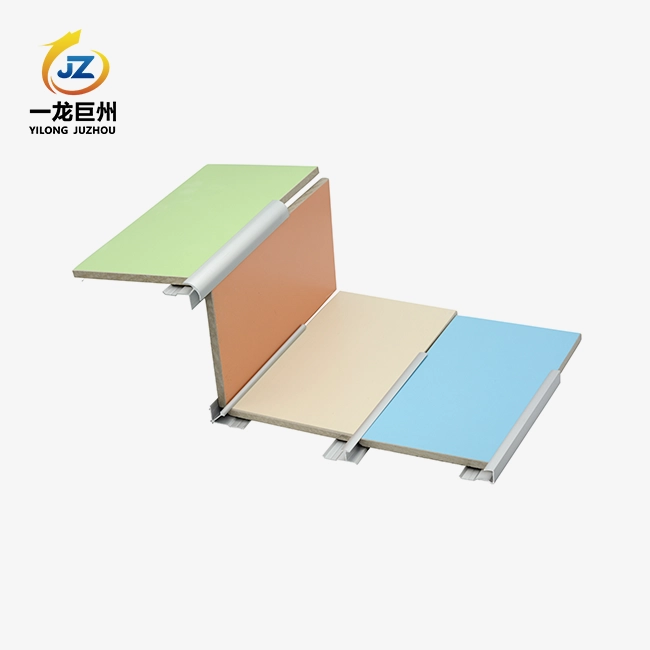
Hospital decoration antibacterial wall panel products address each of these weaknesses. The seamless installation system used by YILONG JUZHOU — a quick pressure strip method — eliminates grout joints entirely. Panels arrive factory-customized, reducing on-site labor time and minimizing cutting waste. The Class A fire rating satisfies code requirements that painted drywall cannot meet without additional fire-rated assemblies. Over a full lifecycle, the reduced maintenance burden and longer replacement cycle translate into measurable operational savings, even where the upfront panel cost exceeds that of paint or tile.
Selecting the Best Antibacterial Wall Panel Solutions for Your Business
Key Procurement Criteria
As part of their evaluation of potential suppliers for antibacterial wall panels, procurement teams should take into consideration the following dimensions:
- In order to verify certification, it is necessary to confirm conformity with established standards. The China Environmental Protection Standard Certification, ISO certification, and CE certification that YILONG JUZHOU has serve as a legitimate foundation for their participation in international bids.
- Third-Party Test studies: In order to validate bacterial reduction claims against both Gram-positive and Gram-negative strains, it is recommended to get antimicrobial activity studies from authorized laboratories such as SGS or Intertek.
- Capacity for Customization: Original Equipment Manufacturer (OEM) and Original Design Manufacturer (ODM) services provide purchasers the ability to define panel dimensions, surface treatments, and thickness in accordance with project-specific specifications. Two of YILONG JUZHOU's manufacturing bases are located in Foshan, Guangdong, and Xianyang, Shaanxi. These bases operate to enable complete OEM/ODM production.
- Sample Availability: Free samples are available and are normally sent within three to five days. This gives procurement teams the opportunity to do physical testing before committing to bulk purchases.
- Lead Time and Stock: With a manufacturing time of three to seven days and a standing inventory of fifty thousand square meters, supply continuity is a reasonable expectation for phased construction and repeat orders.
- The after-sales support offered by YILONG JUZHOU includes a quality guarantee that is valid for three years, in addition to design and installation technical services. This helps to reduce the risk of the project for major EPC contracts.

The evaluation of total value is what differentiates a solid supply choice from a cost issue that is found in the middle of a project. These criteria make it possible for procurement teams to analyze total value.
Conclusion
Interior wall systems that are hygienic have gone from being a specialized specification to being a standard need in a variety of industries, including healthcare, food manufacturing, commercial building, and public infrastructure. There is quantifiable and long-lasting protection against microbial contamination provided by antibacterial wall panels that are constructed on calcium silicate board and include UV antimicrobial surface technology. These panels also fulfill fire, moisture, and environmental regulations concurrently. The combination of proven performance data, dimensional flexibility, design possibilities, and dependable supply logistics establishes these panels as a solution that is both defensible and practicable for procurement experts who are responsible for handling complicated project needs. The transformation of a wall surface into a long-term asset for a facility may be accomplished by selecting a supplier that has certified credentials, OEM capacity, and timely technical assistance.
FAQs About Antibacterial Wall Panels
1. Does the antibacterial effect wear off over time?
The UV-cured layer that is applied to antibacterial wall panels manufactured by YILONG JUZHOU creates a film that is densely cross-linked and does not deteriorate even when subjected to regular washing with ordinary commercial disinfectants. As a result of the antibacterial qualities being incorporated into the surface layer rather than being placed as a detachable finish, the protection on the panel is maintained throughout its entire service life when it is cleaned using procedures that do not involve abrasion.
2. Can these panels support LEED or green building certification goals?
These panels contain no benzene or volatile organic compounds and comply with China's Environmental Protection Standard. Their zero off-gassing profile contributes positively to indoor air quality credits in green building evaluation frameworks.
3. How are panel joints sealed to prevent bacterial ingress?
YILONG JUZHOU uses a pressure strip installation system that minimizes exposed joints. Where joints exist, aluminum trims or compatible sealants close any gaps, maintaining a continuous hygienic surface without grout lines.
4. Are the panels suitable for food processing wash-down environments?
The moisture-resistant, non-porous UV surface withstands routine wash-down cleaning. The anti-mildew performance and impact resistance make these panels appropriate for food factories and pharmaceutical clean rooms where surfaces face daily chemical exposure.
Partner with YILONG JUZHOU — Trusted Antibacterial Wall Panel Manufacturer
YILONG JUZHOU delivers proven antibacterial wall panels backed by ISO, CE, and China Environmental Protection certifications, with two production bases ensuring consistent volume output and 3–7 day lead times. Whether you need OEM custom panels, bulk supply for a multi-phase development, or free samples for material evaluation, our team responds within 24 hours. Contact us directly at cnyang2000114@gmail.com to request samples, technical documentation, or a project-specific quotation.
References
1. International Organization for Standardization. (2011). ISO 22196: Measurement of Antibacterial Activity on Plastics and Other Non-Porous Surfaces. ISO.
2. World Health Organization. (2022). Global Report on Infection Prevention and Control. WHO.
3. Donlan, R. M. (2002). Biofilms: Microbial Life on Surfaces. Emerging Infectious Diseases, 8(9), 881–890. Centers for Disease Control and Prevention.
4. Cheesbrough, M. (2006). District Laboratory Practice in Tropical Countries (2nd ed.). Cambridge University Press.
5. SGS Group. (2023). Antimicrobial Testing Services Overview. SGS.
6. U.S. Centers for Disease Control and Prevention. (2019). Guidelines for Environmental Infection Control in Health-Care Facilities. CDC.

Send Inquiry


Related Industry Knowledge
- How to Paint Aluminum Panels | 6 Steps for Facade Durability
- Where Are UV Antibacterial panels Most Commonly Used?
- Are there any antibacterial indoor wall panels?
- Coated Aluminum Composite Panel: Structure, Features, and Applications Explained
- Inorganic pre-coated panels for Modern Architectural Applications
- Medical Clean Board for Hospital Wall and Ceiling Systems
- Medical Clean Board Installation and Maintenance Guide
- Cladding Paint Aluminum Composite Panel Coating
- How do I choose the right aluminum composite panels for my building?
- Things to Know About Aluminium Composite Panels