
Calcium Silicate Fireproof Board vs. Gypsum Board: A Comparison of Fire Resistance, Moisture Resistance, and Durability
October 14, 2026
When choosing interior wall materials for commercial construction, hospitals, or industrial facilities, the decision between calcium silicate fireproof board and traditional gypsum board significantly affects both immediate safety and long-term operational costs. Calcium silicate fireproof board stands out for its exceptional non-combustible properties, robust moisture resistance, and superior structural durability, making it the preferred choice for demanding environments where fire safety regulations and environmental challenges require materials that perform consistently over decades. While gypsum board offers a cost-effective solution for standard applications, the enhanced protective capabilities and lifecycle value of calcium silicate boards justify their consideration for projects prioritizing safety, compliance, and longevity.
Understanding Calcium Silicate Fireproof Board and Gypsum Board
To choose the right wall panel material, you need to know what makes these two choices different at their core. Both are protective and look nice, but their materials and methods of production show big differences that affect how well they work in real life.

What Is Calcium Silicate Fireproof Board?
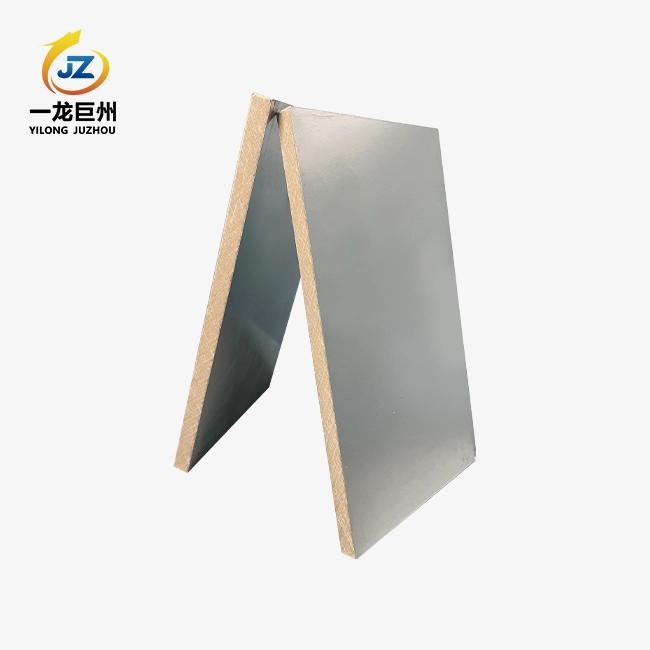
It takes a specific mix of siliceous materials, calcareous chemicals, and reinforcing fibres, along with high-temperature steam drying, to make Calcium silicate fireproof boards. This way of making things makes a thick, solid matrix that can withstand high temperatures and still keep its shape. In the 20 years we've been in the construction business, we've seen these boards used in hospitals, drug plants, basements, and business buildings.
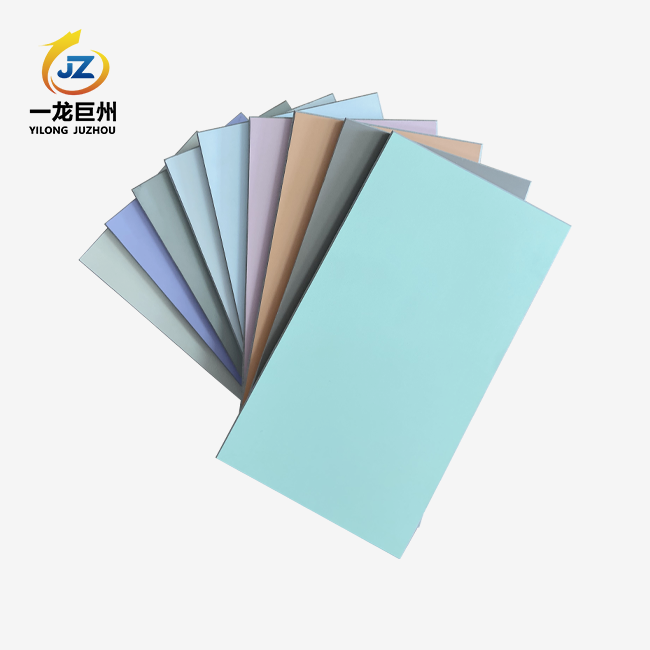
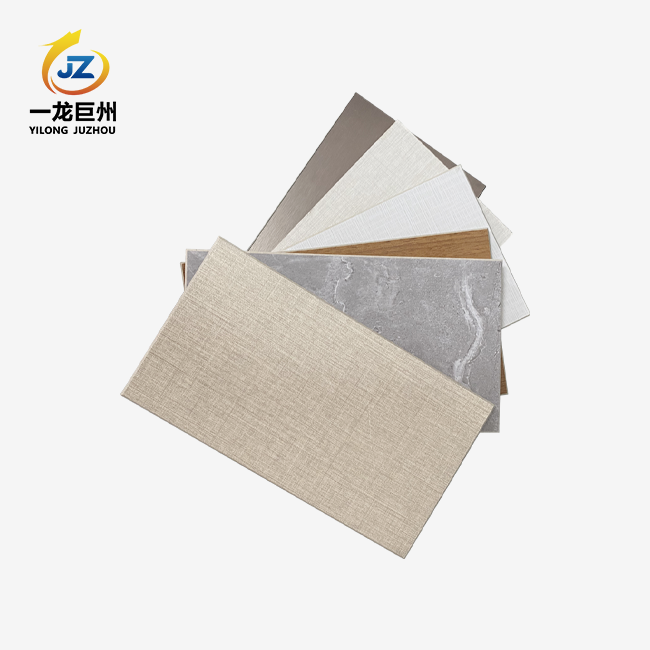
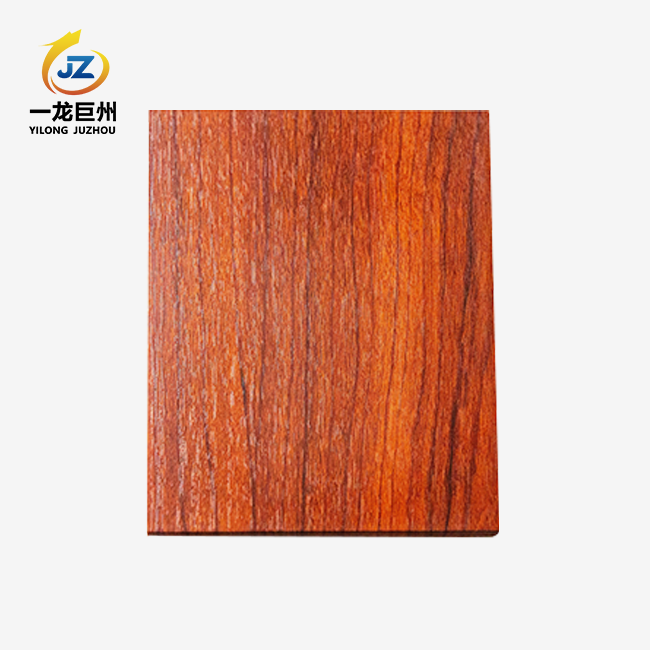
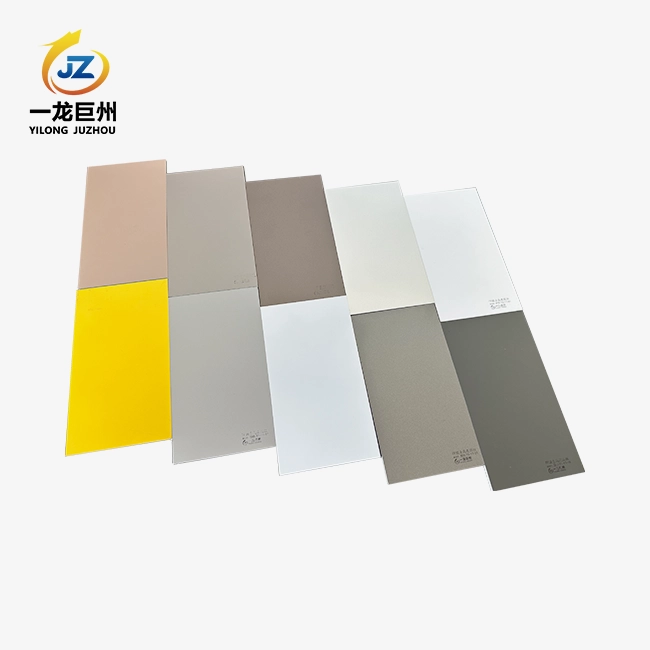
Our marble Calcium silicate fireproof board products at YILONG JUZHOU come in panels with thicknesses between 4.5mm and 15mm and normal sizes of 1220mm wide and up to 3050mm long. The film-coated surface layer gives builders a wide range of visual choices, such as marble patterns, wood grain, metallic finishes, solid colours, and cloth textures, so they can meet safety standards and design goals without any problems.
Composition and Characteristics of Gypsum Board
Gypsum board is mostly made up of hydrated calcium sulphate that is pressed between two layers of paper. Creating these panels is a pretty simple process that involves making gypsum powder, shaping it between layers of paper, and then drying it. This makes production easier, which means lower starting costs and wider access.
The material has some fire resistance because it contains chemically bound water. When it comes into contact with fire, the water vapour escapes and briefly slows the flow of heat. Installation teams like that gypsum board is easy to work with and doesn't require any special tools to cut. This makes it a popular choice for light business and household uses where stress from the environment is low.
Fire Resistance Comparison: Calcium Silicate Board vs. Gypsum Board
When choosing wall materials for public buildings, healthcare facilities, and industrial areas, fire safety must always come first. The difference in performance between Asbestos-free cement pressure board and these two materials is especially clear when they are exposed to fire for a long time.

How Calcium Silicate Boards Achieve Superior Fire Ratings
Calcium silicate fireproof boards get Class A fire protection grades because they are naturally not flammable. Unlike materials that depend on chemical processes to provide short-term safety, these screens keep their shape during long fire events. Testing shows that choices with thicknesses between 9 mm and 12 mm usually meet the strict ASTM and EN certification standards for one to two hours of fire protection.
The dense microstructure keeps flames from getting through and covers the structures below with great heat protection. In real fires that happened in hospitals and business buildings where our products were placed, these boards successfully stopped the spread of fire, giving people time to get out of the building and limiting damage to property.
Gypsum Board Fire Protection Mechanisms and Limitations
Gypsum board is resistant to fire because when it burns, it releases water vapour that briefly cools the materials around it and slows the spread of the fire. This passive protection works well in controlled situations, but it doesn't work as well when exposed for a long time. The paper faces are still flammable, and the board's ability to protect decreases greatly when the chemically bound water runs out.
Standard gypsum board isn't always enough for projects that need to follow strict fire safety rules. These projects often need extra protective layers or specially designed fire-rated versions, which raise the cost of the materials and make the installation process more difficult. The material also gives off smoke when exposed to fire for a long time, which makes it harder to get people out of buildings that are still occupied.
Moisture Resistance and Durability: Key Considerations for Procurement
Environmental resilience has a direct effect on how long a material lasts and how often it needs to be maintained. This is especially true in tough installation settings where humidity, temperature changes, and physical forces test the limits of the material every day.
Calcium Silicate Board Performance in Humid Environments
Because they don't absorb water, Calcium silicate fireproof boards are the best choice for kitchens, bathrooms, coastal buildings, food processing plants, and any other place where moisture could damage materials. The boards are waterproof and don't grow mould because they are made of inorganic materials, which don't give microbes any organic material to grow on.
Our marble Calcium silicate fireproof boards are 99.99% effective at killing germs, meeting the needs of healthcare situations that need to keep infections under control. The material keeps its shape even when the temperature changes, so it doesn't bend, swell, or lose its finish, which can be bad for both looks and structural performance. When compared to past gypsum installations, hospitals that put up these panels say they need a lot less upkeep.
A2 fireproof wallboard: Calcium silicate fireproof boards are resistant to pressure, so they keep walls from cracking and denting in places that get a lot of use. This durability is good for places like schools, airports, train stops, and shopping stores because it lowers the cost of repairs and keeps the building looking professional for a long time.
Gypsum Board Vulnerability to Water Damage
Standard gypsum board easily soaks up water, which causes it to change size, lose its surface, have the paper facing come off, and mould to grow. Even types of gypsum that are resistant to water damage have chemical agents and special facings that only slow down water damage in really wet conditions.
Facilities managers say that gypsum board installations in wet areas need to be replaced every couple of years, which means that initial savings are lost on ongoing costs. Impact damage is a problem with this material, which makes upkeep harder. This is especially true in institutional and business settings where wall surfaces are touched often.
Cost, Procurement, and Supplier Insights for B2B Buyers
Budget concerns go beyond the purchase price and include how well the equipment is installed, how often it needs to be maintained, when it needs to be replaced, and the costs of interrupting operations. More and more, procurement workers are realising that the original cost of materials is only one part of the total cost of ownership.
Evaluating Lifecycle Value Beyond Initial Pricing
Calcium silicate fireproof boards have higher initial costs because they are made using a more complex process and have better material properties. But projects with 10 to 20-year plans always get more value because they don't have to pay as much for maintenance, their replacement processes are longer, and they don't have to pay as much for downtime. Because the boards are stable, they don't need as much callback service, which protects contractors' reputations and cuts down on warranty claims.
YILONG JUZHOU keeps a 50,000m² inventory at our production facilities in Shaanxi and Guangdong to make sure that we can meet the needs of construction schedules that are broken up into stages. Our 3- to 7-day production time and 24-hour reaction guarantee take care of the shipping reliability issues that procurement teams say are important when choosing a provider. We ship from several places, including Shenzhen, Guangzhou, Shanghai, and Qingdao. This makes transportation more efficient for projects all over the United States.
Installation Considerations and Technical Support
Standard construction tools can be used on both materials, but because Calcium silicate fireproof boards are denser, the right blades need to be chosen. When compared to other connection systems, our marble Calcium silicate fireproof boards' quick pressure strip fitting method saves time on work. We can customise panels in the factory so that they are delivered in the exact sizes and finishes needed for a project. This saves time and money on site cutting waste and speeds up installation schedules.
We send free samples within 3–5 days so that project teams can test them out before making decisions about specifications. Our technical support includes design advice, help with installation, and quality guarantees for three years. These are all parts of the complete service standards that set trusted suppliers apart from commodity vendors. With OEM and ODM capabilities, you can work with other brands and make unique solutions for wholesalers who serve regional markets.
Making the Right Choice: Application-Specific Recommendations
In the end, choosing the right material means matching the product's features to the needs of the project, its surroundings, and the level of performance that is most important. Understanding these situations helps buying choices lead to the best results.
High-Risk Fire Environments and Critical Facilities
Materials that meet the highest fire safety standards are needed in hospitals, drug companies, caves, and buildings that house vulnerable people. Calcium silicate fireproof boards are perfect for these uses because they don't catch fire, don't release toxic gases, and are structurally stable. The certification of the material makes the regulatory approval process easier and gives you proof during inspections and insurance reviews.
Our marble Calcium silicate fireproof boards are easy to clean and have antibacterial qualities, so they fit right in with healthcare infection control measures. The UV-cured film coating makes a dense surface that stops the release of substrate gases. This means that the building can be filled right away without worrying about off-gassing, which is a big plus for remodelling projects that happen in buildings that are already being used.
Moisture-Intensive and High-Traffic Applications
In places like food processing plants, business restaurants, airports, schools, and seaside building sites, the ability of materials to resist water is crucial to their survival. The waterproofing and physical stability of Calcium silicate fireproof boards stop them from failing too soon, which would otherwise cause unexpected repair costs and business interruptions.
The ability to withstand impacts is especially useful in places like kindergartens, libraries, offices, subway stops, apartments, hotels, high-end clubs, houses, and shopping halls where walls are often touched. These long-lasting panels can look good in a wide range of design situations because they come in a variety of surface styles, such as solid colours, wood grain, marble patterns, shiny textures, and cloth-like looks.
Budget-Conscious Projects with Standard Conditions
Gypsum board can still be used in controlled indoor environments with little to no moisture exposure, light traffic, and moderate fire protection needs. When environmental conditions don't threaten early failure, projects with tight starting funds and shorter planning horizons may be able to handle the lower cost of materials.
But procurement teams should carefully check whether savings that seem to be saving money are really saving money when installation labour, upkeep needs, and when to replace things are added to the total cost. Please email our team at cnyang2000114@gmail.com to talk about specific project parameters and get detailed cost comparisons that take lifecycle factors into account.
Conclusion
Calcium silicate fireproof board and gypsum board have different performance profiles that can be used for different types of projects. Calcium silicate fireproof boards are better at resisting fire, handling moisture, and lasting longer, which makes up for their higher initial cost by saving money over time. Because of these qualities, they make sense for hospitals, schools, factories, and other business buildings that need to choose materials that are safe, last a long time, and require little upkeep.
When used in controlled settings, gypsum board is a cheap option for standard interior uses. The people who work in procurement should make sure that the materials they choose meet the needs of the project, follow the rules, be environmentally friendly, and help the company reach its long-term asset management goals. Working with seasoned Calcium silicate fireproof board suppliers guarantees access to certified products, technical support, and on-time delivery that help projects succeed.
FAQ
1. Can calcium silicate fireproof boards be used outdoors?
Calcium silicate fireproof boards are good for use outside because they don't absorb water and keep their shape even when the temperature changes. The material doesn't break down easily when exposed to weather, UV light, and changes in moisture, so it can be used for outer cladding, tube linings, and covered outdoor areas.
2. What thickness should I specify for optimal fire protection?
The thickness of the panel affects how resistant it is to fire. For the most part, our 9mm to 12 mm calcium silicate fireproof boards meet most industrial building codes for one to two hours of fire resistance. For longer fire resistance, 15 mm panels may be needed in critical situations. Check the fire safety rules and building codes in your area, and then get in touch with our expert team for help making sure the specifications fit your project needs.
3. Which certifications should I verify when selecting a calcium silicate fireproof board supplier?
Check for ISO approval to make sure the quality control systems are up to par, CE marking to make sure the products are legal in Europe, and China Environmental Protection Standard approval to make sure the environmental performance is good. The results of ASTM and EN fire protection tests show how well the fire ratings really worked. YILONG JUZHOU keeps these certificates up to date across all of our product lines. If you need proof, you can ask for it to help with your purchasing decisions and legal compliance.
Partner with YILONG JUZHOU for Premium Calcium Silicate Fireproof Board Solutions
YILONG JUZHOU has two production facilities in Shaanxi and Guangdong, China, which are strategically placed and combine twenty years of experience in material technology. As a recognised producer of Calcium silicate fireproof boards, we offer Class A fire-rated marble Calcium silicate fireproof boards that meet international safety standards and can be used in a variety of ways to suit business projects' needs. Our large inventory means that we can deliver quickly, and our OEM and ODM capabilities let distributors and large developers get solutions that are just right for them.
Email our expert team at cnyang2000114@gmail.com to get free samples, talk about project details, or look into ways to work together. Our promise to respond within 24 hours and provide full support, including design advice, installation help, and three-year quality guarantees, shows how committed we are to our clients' success.
References
1. American Society for Testing and Materials. "Standard Test Methods for Fire Resistance of Building Construction and Materials." ASTM E119-20.
2. European Committee for Standardization. "Fire Classification of Construction Products and Building Elements Using Data from Fire Resistance Tests." EN 13501-2:2016.
3. National Fire Protection Association. "Standard Building Code Requirements for Fire Safety." NFPA 101: Life Safety Code, 2021 Edition.
4. Building Research Establishment. "Fire Performance of Calcium Silicate Boards in Commercial Construction." BRE Global Technical Paper, 2020.
5. International Code Council. "International Building Code Chapter 7: Fire and Smoke Protection Features." IBC 2021 Edition.
6. Construction Specifier Institute. "Comparative Analysis of Fire-Resistant Wall Panel Systems for Healthcare Facilities." CSI Technical Journal, Volume 18, 2022.

Send Inquiry


Related Industry Knowledge
- Aluminum Composite Panel Design Ideas for Modern Architecture
- Why Use Medical Clean Board in Operating Rooms?
- Melamine fireproof board Installation Guidelines for Builders
- What Makes melamine fireproof board Heat and Scratch Resistant?
- melamine fireproof board vs HPL Fireproof Panels Comparison
- Inorganic pre-coated panels vs Organic Coated Boards Comparison
- Top 10 Tips for Working with Aluminum Composite Material Panels
- How to install an aluminum composite panel?
- The Importance of Adhesion Testing for ACM Panels as Painting Supports
- Things to Know About Aluminium Composite Panels