
Why Use Medical Clean Board in Operating Rooms?
September 23, 2026
Operating rooms demand zero compromise on hygiene. A medical clean board — built on a high-density calcium silicate substrate with a UV-cured antibacterial coating — delivers a non-porous, seamless wall surface that actively resists microbial adhesion. Unlike conventional wall materials, it achieves a 99.99% antibacterial rate, withstands aggressive hospital-grade disinfectants, and meets Class A fire resistance standards. For procurement teams, facility managers, and healthcare construction professionals, specifying the right wall cladding is not an aesthetic decision — it is a patient safety decision.
Understanding Medical Clean Boards: Definition and Core Features
What Sets Them Apart from Standard Wall Panels
A medical clean board is a composite architectural panel that was made to work in clean, high-traffic healthcare settings. It is made up of a calcium silicate board core and either a UV-resistant paint surface or a PVC film layer. When the UV light hits the surface layer, it hardens into a thick film that covers the substrate. This stops off-gassing and makes the surface 3H to 5H hard. This is very different from regular gypsum boards or ceramic tiles, which have grout lines or tiny holes on the surface that bacteria can live in.
There are no benzene, formaldehyde, or other volatile organic substances in the medium. After installation, the room has no smell and can be used right away, which is a big plus for renovation projects that cause hospitals to lose time and money.
Certifications That Matter to Procurement Teams
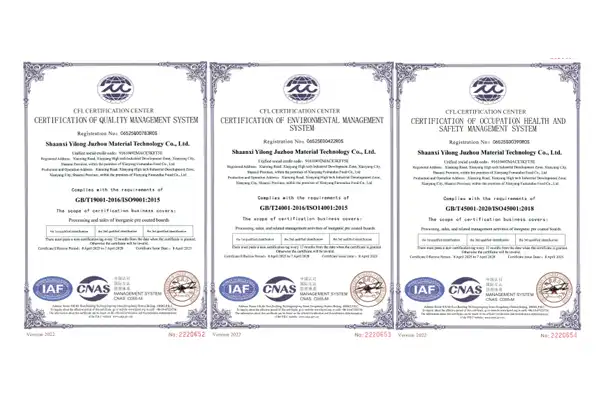
The medical clean board from YILONG JUZHOU is certified by the China Environmental Protection Standard, ISO, and CE. It meets GB 8624 Class A fire resistance for non-flammability. These certifications give international purchasing officers the proof they need for formal bids and third-party validation processes when they check that a product meets ISO 14644 cleanroom standards or GMP manufacturing guidelines.
Advantages of Using Medical Clean Boards in Operating Rooms
The CDC says that every day in U.S. acute care hospitals, about 1 in 31 people get hospital-acquired illnesses (HAIs). Pathogens can stay on surfaces of walls for a long time. According to ISO 22196 standards, the UV antibacterial coating on this panel kills 99.99% of bacteria, including Staphylococcus aureus and E. coli. The smooth, non-porous surface keeps liquids from soaking in, which stops biofilm from forming behind the wall covering.
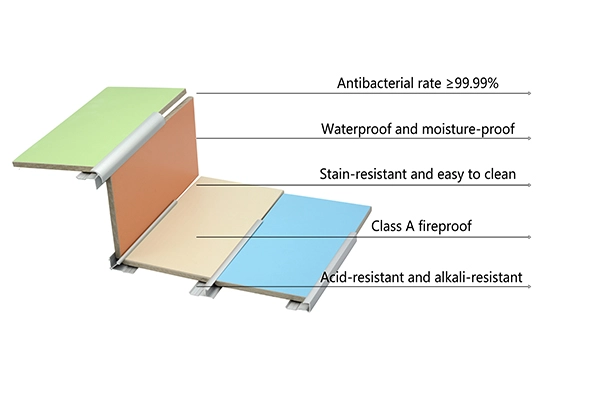
These are the main performance benefits that make this product a top choice in operating rooms, intensive care units, and negative pressure isolation wards:
- 99.99% antibacterial rate: UV-cured coating actively breaks microbial cell attachment, decreasing contamination risk across the service life of the panel - not just at the point of installation.
- Fire-resistant: Class A (GB 8624). The calcium silicate substrate is non-combustible and meets the most stringent fire safety standards for hospital construction and restoration projects.
- Improved moisture and mould resistance: The panel’s moisture-proof characteristics help to prevent the growth of mould behind the wall system, which is especially important in surgical conditions with high humidity where condensation is prevalent.
- High impact resistance: The dense substrate resists dents and cracks caused by collisions with equipment, which is a common occurrence in ORs where carts, gurneys and medical gadgets constantly bump into wall surfaces.
- Zero VOC off-gassing. Unlike epoxy paint systems, which require cure times before re-occupancy, this panel permits immediate use following installation, dramatically minimising facility downtime during refurbishment stages.
The antibacterial rate is 99.99%, and the UV-cured covering actively breaks down the binding of microbial cells. This lowers the risk of exposure over the whole life of the panel, not just when it is first installed.
Types of Medical Clean Boards and Their Applications in Hospitals
Panel Configurations for Different Clinical Environments
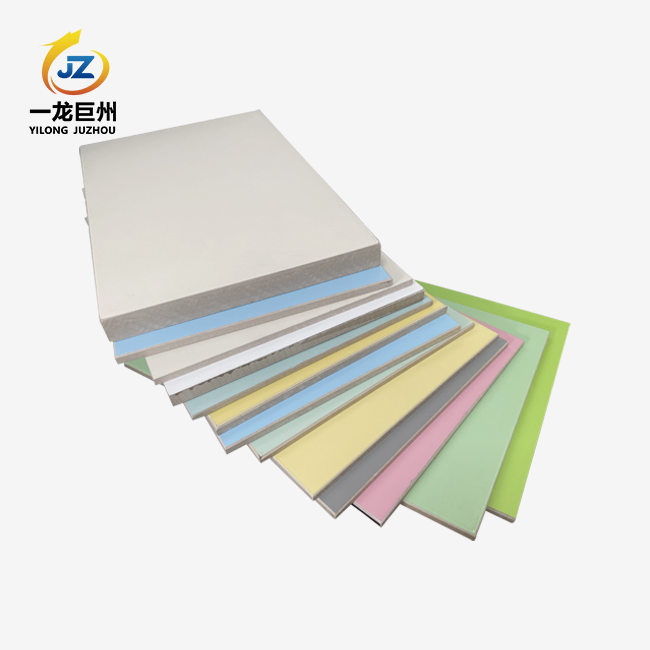
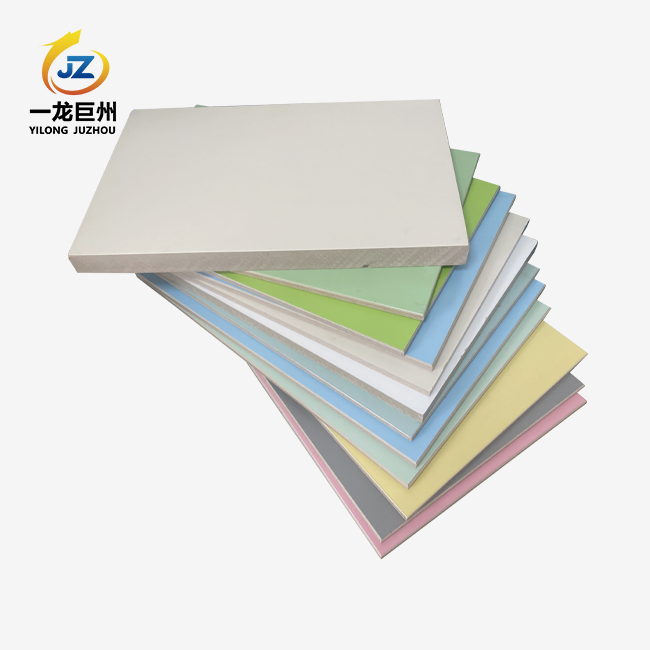
YILONG JUZHOU offers the Medical purification board in a wide range of thicknesses: 4.5mm, 5mm, 5.5mm, 6mm, 8mm, 10mm, 12mm, 15mm, 18mm and 20mm. Standard width is 1220 mm and can be built to lengths up to 3050 mm for operating rooms with high ceilings. Therefore, this wall system is ideal for operating rooms, acute care units, sterile rooms, pharmaceutical GMP manufacturing areas, and medical aesthetic centres.
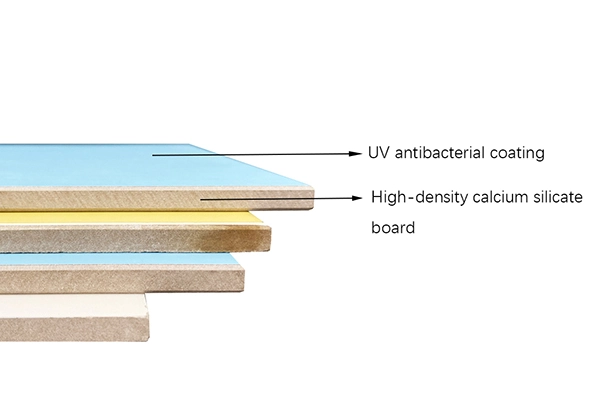
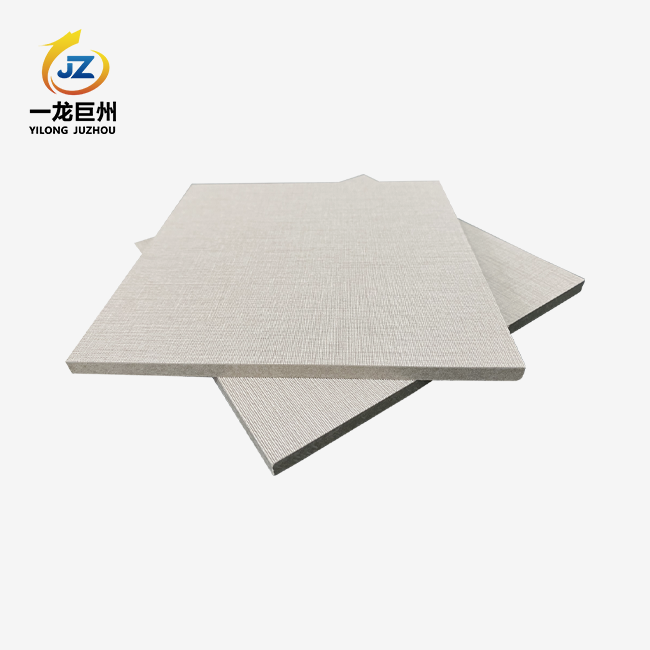
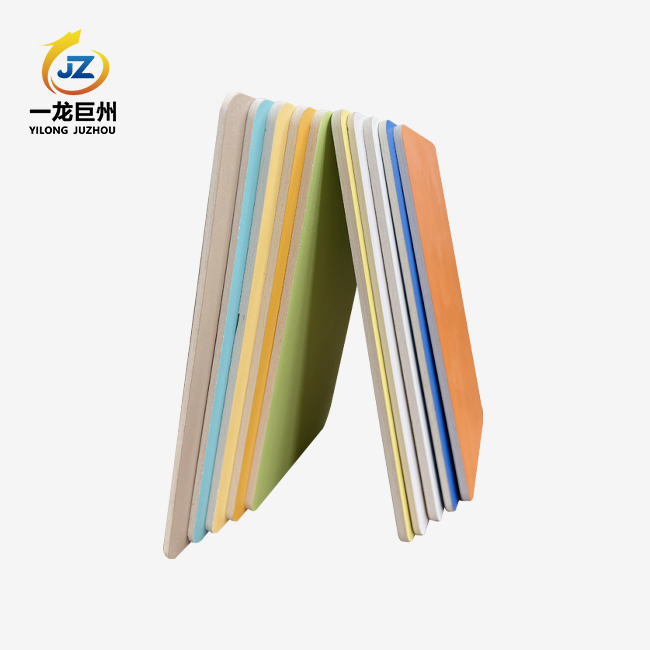
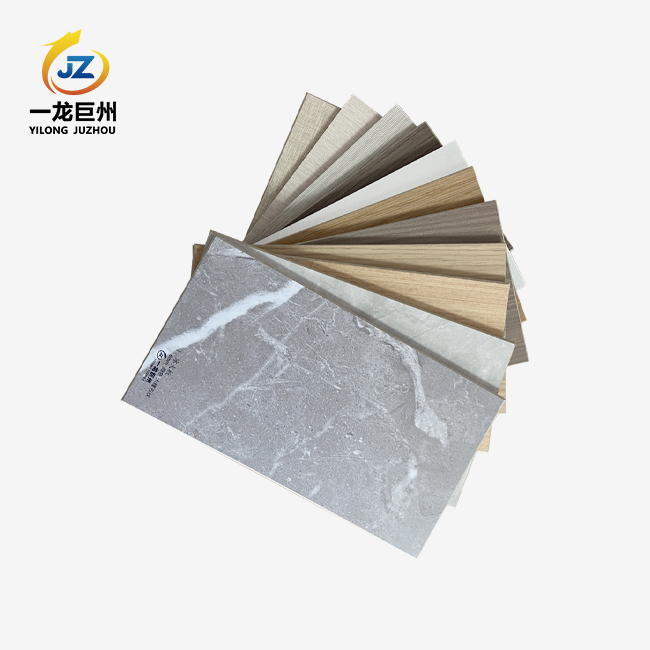
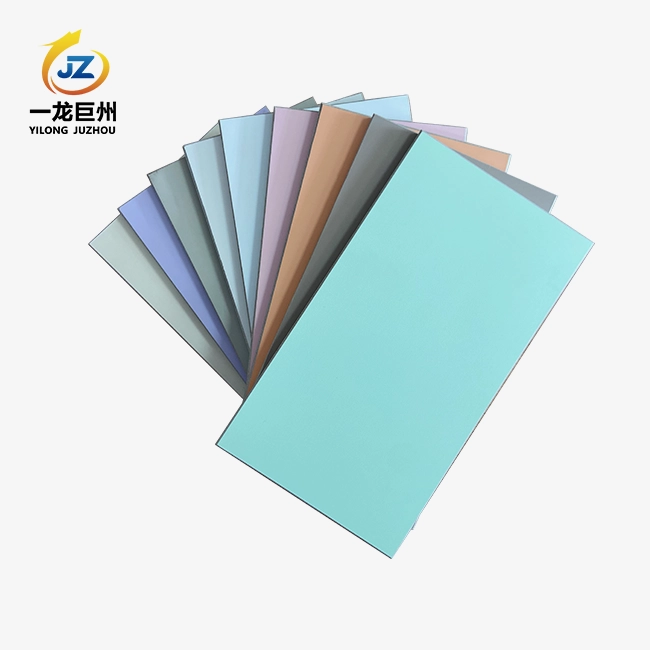
Available in a variety of colours and finishes, including solid tones, wood and marble-patterned surfaces, metallic and cloth-patterned finishes. This collection enables hospital interior designers and architects to coordinate the look of the walls with the brand requirements of the hospital, without compromising on cleanability. Full OEM and ODM customisation is supported, allowing distributors and building procurement teams to specify the exact panel sizes, finishes, and branding features needed for each project.
Installation Simplicity That Reduces Project Timelines
With the quick pressure-strip fitting method, there are no wet skills involved in finishing the wall at all. Panels are customized at the mill and don't need to be cut on-site for regular layouts. This dry installation method doesn't create any building dust while mounting, which is very important when working in healthcare facilities that are already open or are only partly open.
How to Maintain and Clean Medical Clean Boards in Operating Rooms?
Standard medical disinfectants, such as alcohol-based wipes, quaternary ammonium compounds, and weak chlorine solutions, can't damage the UV-cured antibacterial surface chemically. Wiping down the terminal with a soft cloth and an approved hospital-grade cleaner is all that needs to be done to keep it clean between surgeries.
Facility engineers should not use steel wool, rough scrubbing pads, or highly concentrated phenolic cleaners that are applied directly without watering them down. These can wear down the surface hardness rating over time. By scheduling eye inspections every three months to check for surface integrity (looking for tiny scratches or worn-down joint sealant), panel service life can be extended well beyond the normal three years that YILONG JUZHOU guarantees for quality.
For joint areas, neutral-cure antibacterial silicone sealant keeps the smooth, solid surface needed for proper wash-down compliance and stops biofilm from building up in panel gaps.
Comparing Medical Clean Boards with Other Wall Surfaces
When procurement professionals look at OR wall covering, they often compare three options: Hospital antibacterial board, ceramic tile, and epoxy paint. Each has its own set of pros and cons.
In the past, ceramic tile was the standard in surgery areas. However, grout lines are still the most common place for germs to stick to tiled OR walls. Biofilm can't be completely removed from porous grout no matter how often it is cleaned, and replacing tiles during a makeover is time-consuming and annoying.
Epoxy paint has a smooth finish, but it can chip and peel when equipment hits it over and over again. As a result of the way it is applied, there is a lot of VOC exposure, which means that the space has to be ventilated for longer periods of time before it can be used again, which is a major operational liability in healthcare settings.
Both of these weaknesses are fixed by a medical-grade composite wall panel. It gives a smooth surface like epoxy paint without the risk of chipping, and it gets rid of all grout lines. VOCs are not present in the building process during the dry installation process. When you look at how often you need to do maintenance, how much it costs to be down for repairs, and how often you need to replace the product over its expected 15–20-year service life, the total cost of ownership is better than both options.
Conclusion
Operating rooms are the places in hospitals where infections are most likely to happen. Wall materials are not passive parts; the medical clean board affects the number of microbes, how well chemicals work, and how well people keep things clean over time. A calcium silicate-based antibacterial wall panel with a UV-cured surface directly meets these needs, with proven antibacterial performance, Class A fire resistance, and a dry installation process that keeps operations running as smoothly as possible. When purchasing materials for hospital renovations or new buildings, people who work in procurement should give this product group a close look and compare it to more common options.
FAQ
Q1: Does the antibacterial performance fade over time?
The UV-cured coating bonds permanently to the calcium silicate substrate during manufacturing. Because the antimicrobial properties are embedded within the cured film rather than applied as a topical spray, the 99.99% antibacterial rate remains active throughout the panel's service life without reapplication.
Q2: What customization options are available for large hospital projects?
OEM and ODM services are fully supported. Procurement teams can specify panel thickness, surface pattern, dimensions, and color to align with project requirements. Sample customization is available, typically delivered within 3–5 days.
Q3: How long does production and delivery take?
Standard production time runs 3–7 days. YILONG JUZHOU maintains a stock of 50,000 m² at production bases in Foshan, Guangdong, and Xianyang, Shaanxi. Shipping is available through Shenzhen, Guangzhou, Shanghai, and Qingdao seaports, with inquiry responses within 24 hours.
Q4: Is the panel suitable for pharmaceutical cleanroom environments?
Yes. The non-porous, zero-dust-emission surface supports ISO Class 5–8 cleanroom standards and GMP pharmaceutical manufacturing environments where particulate contamination is a compliance issue.
Upgrade Your OR Wall Systems with YILONG JUZHOU Medical Clean Board
YILONG JUZHOU is a reliable company that makes medical clean boards. They have two production bases, are certified by both ISO and CE, and have a ready stock of 50,000 m². We offer free samples within 3–5 days, support OEM/ODM customization, and guarantee the quality of our products for three years. Get in touch with our technical team right away to get specs or a price on your job. You can email us at cnyang2000114@gmail.com.
References
1. Centers for Disease Control and Prevention (CDC). Healthcare-Associated Infections (HAI) Data and Statistics. CDC, 2023.
2. World Health Organization. Global Guidelines for the Prevention of Surgical Site Infection. WHO, 2018.
3. Dancer, S.J. "The Role of Environmental Cleaning in the Control of Hospital-Acquired Infection." Journal of Hospital Infection, 2009.
4. International Organization for Standardization. ISO 14644-1: Cleanrooms and Associated Controlled Environments — Classification of Air Cleanliness by Particle Concentration. ISO, 2015.
5. Boyce, J.M. "Modern Technologies for Improving Cleaning and Disinfection of Environmental Surfaces in Hospitals." Antimicrobial Resistance & Infection Control, 2016.
6. American Institute of Architects (AIA). Guidelines for Design and Construction of Hospitals and Health Care Facilities. Facility Guidelines Institute, 2022.

Send Inquiry


Related Industry Knowledge
- How to Choose the Right HPL Fireproof Board for Your Project
- Negative ions healthy panel: Expert Buying Guide
- Medical Clean Board Applications in Healthcare Facilities
- Interior and Exterior Applications of A2 Aluminum Composite Panels
- Why Choose a Negative Ion Healthy Panel for Interior Wall Decoration?
- Analysis of the Functional Principles and Market Prospects of the Negative ions panel
- UV light curing board Scratch Resistance and Durability Explained
- Applications of Inorganic pre-coated panels in Commercial Buildings
- Coated Aluminum Composite Panel: Structure, Features, and Applications Explained
- How Antibacterial Wall Panels Improve Hygiene in High-Traffic Areas