
Negative ions healthy panel: Expert Buying Guide
September 16, 2026
If you are evaluating wall materials for a commercial, healthcare, or institutional project, this guide walks you through everything you need to know about the negative ions healthy panel — what it is, how it compares to alternatives, how to select the right specification, and how to source it reliably. By the end, you will have the clarity to move from research to confident procurement.
Understanding Negative Ions Healthy Panels
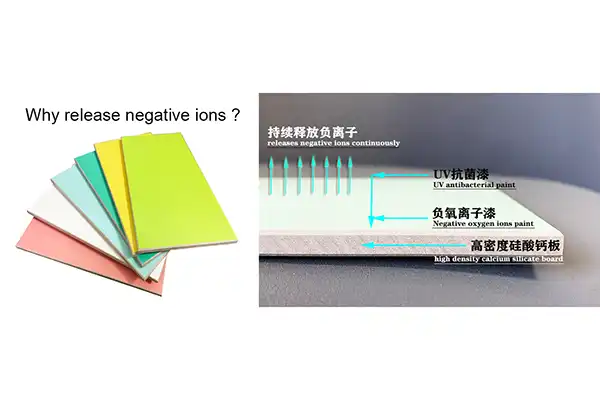
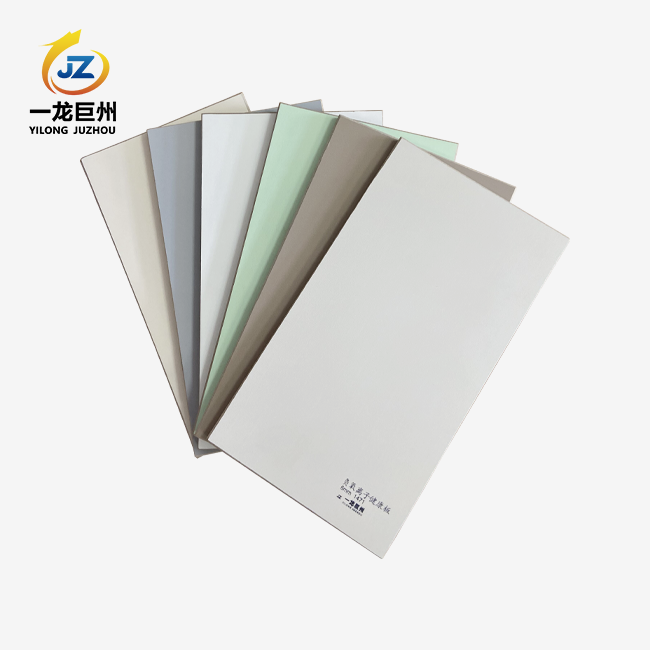
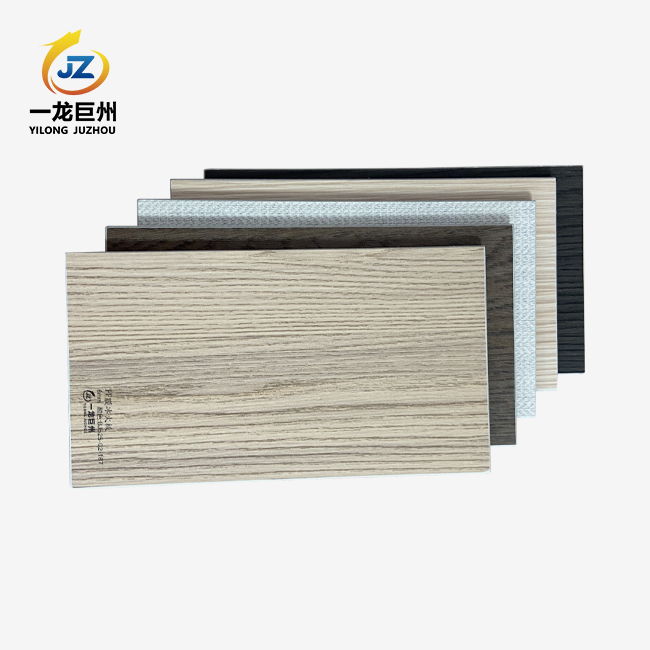
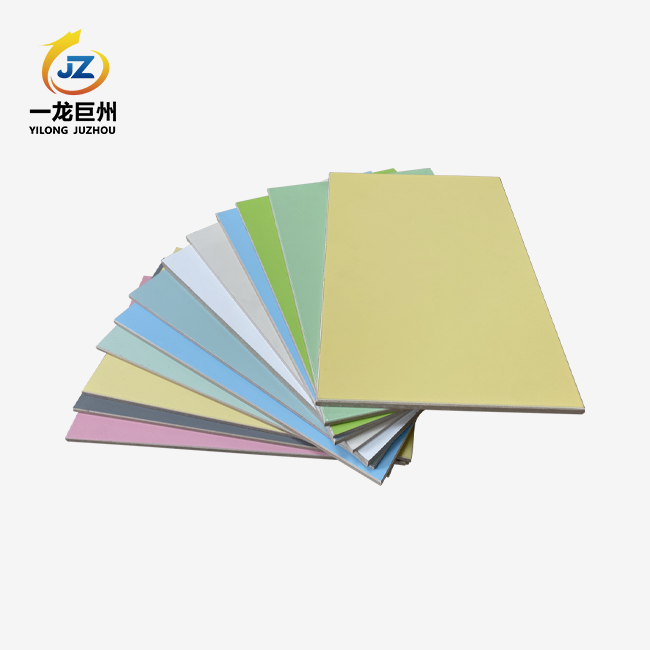
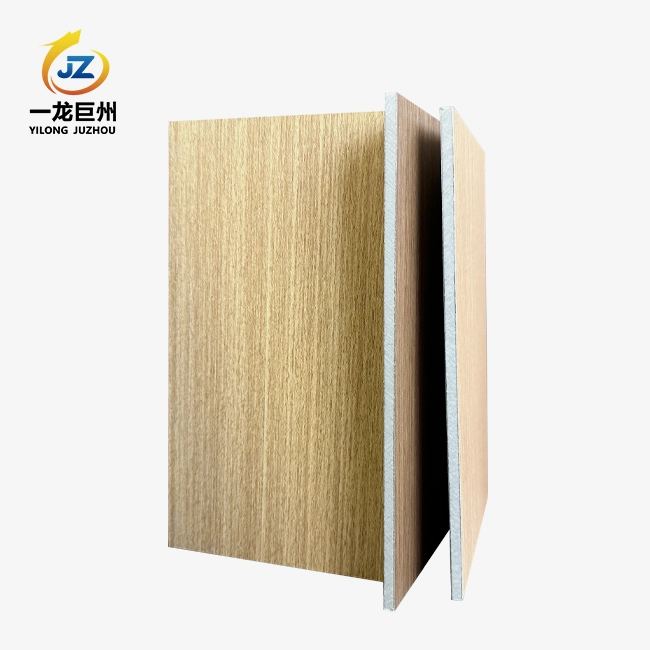
A negative ions healthy panel is a useful composite wall board that is designed to release air anions into the room all the time. A calcium silicate board base and a negative ions antibacterial surface coating are combined in the product structure to make a passive air-improvement system that doesn't need electricity or regular upkeep.
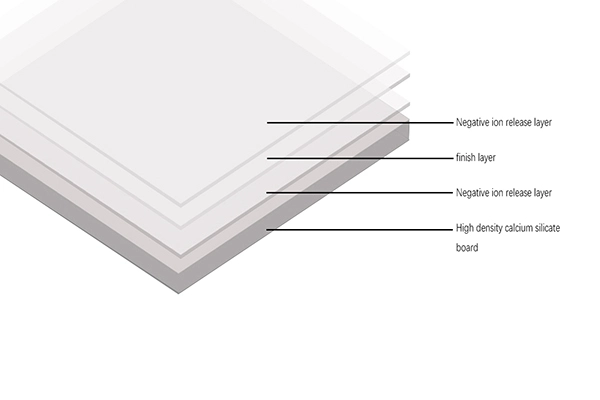
The theory behind this is well known. According to a study published in the International Journal of Molecular Sciences (2018), negatively charged air ions neutralize positively charged pollutants and lower the amount of particulate matter in the air. They also stop bacteria from growing. When the top layer's minerals are activated by the air's temperature and humidity, they make hydroxyl ions that break down VOCs like formaldehyde into safe water and carbon dioxide.
How These Panels Differ from Conventional Ionizers
Standard air purifiers and ionizers are active devices that use a lot of energy and need to have their filters changed and their parts serviced on a regular basis. On the other hand, a healthy ion wall board is a building surface that doesn't do anything. It's part of the building environment and works around the clock. It covers every square meter of wall space instead of just cleaning one air column. This difference is important for running big commercial areas like hospitals, airports, and office buildings.
Comparing Negative Ions Healthy Panels with Alternative Solutions
A lot of the time, procurement teams compare Negative Ion Health Wall Board to HEPA air cleaners, ozone generators, and UV decontamination systems. Each technology has a place, but the comparison shows that they are not all the same when it comes to ownership costs and how well they work with certain applications.
Active air purifiers clean the air in a specific area very well, but they need power, filter replacements, and regular maintenance. Ozone generators get rid of smells, but high concentrations of ozone are known to be harmful to health, so they shouldn't be used in healthcare spaces where people are present. Humidifiers lower humidity, but they don't do anything to kill pathogens or break down VOCs.
The calcium silicate-based ion wall panel is in a class by itself. It has superior antibacterial performance (99.99% rate), Class A fire protection, and constant anion release, all of which are built into the wall finish. Grand View Research's 2023 market review showed that there was a growing need to buy multifunctional building materials that improve both air quality and surface hygiene. This was especially true for healthcare and school infrastructure upgrades after the pandemic.
How to Choose the Right Negative Ions Healthy Panel for Your Business
To choose the right specification, you have to match the product's features with the needs of the installation space. Before you place an order, you should carefully look over these core specification parameters.
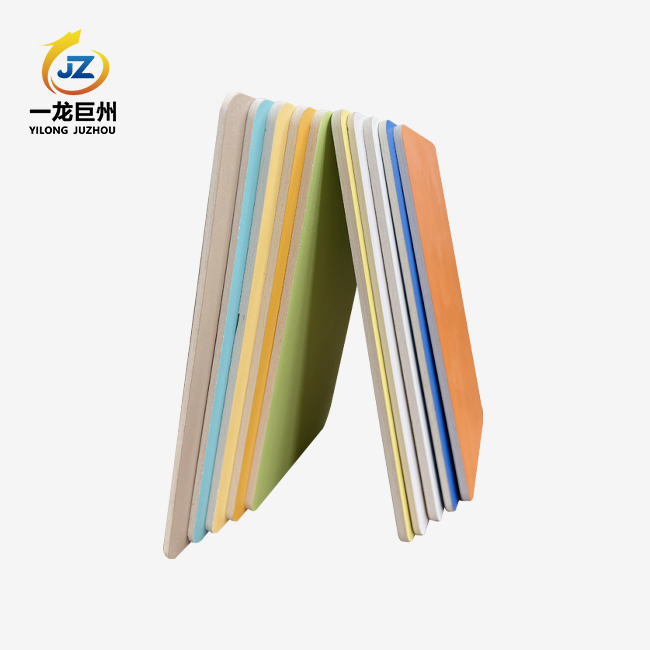
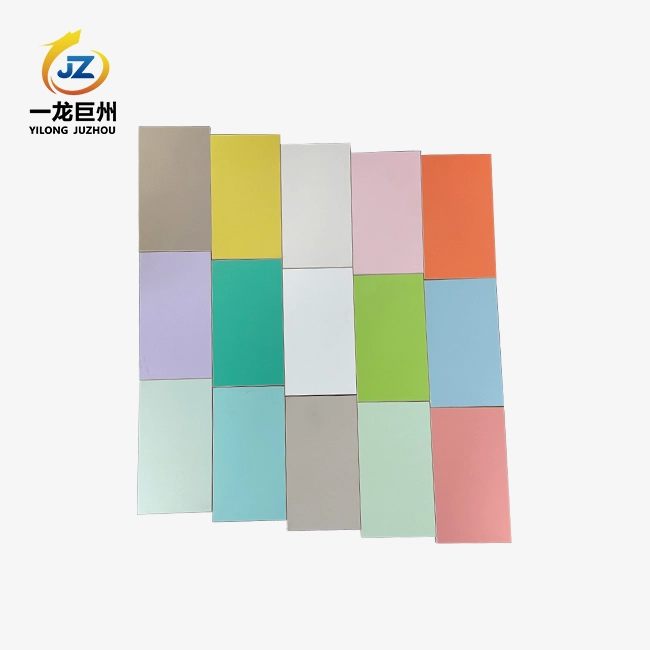
- Thickness range: Available in 4.5/5/5.5/6/8/10/12/14/15 mm. Thicker profiles (10–15 mm) are suitable for high-impact zones such as hospital corridors and subway stations; thinner profiles are good for light-duty commercial interiors.
- Standard panel size: 1220 mm wide x 2440 mm long, maximum height choice of 3050 mm, suitable for most commercial ceiling heights with no seams.
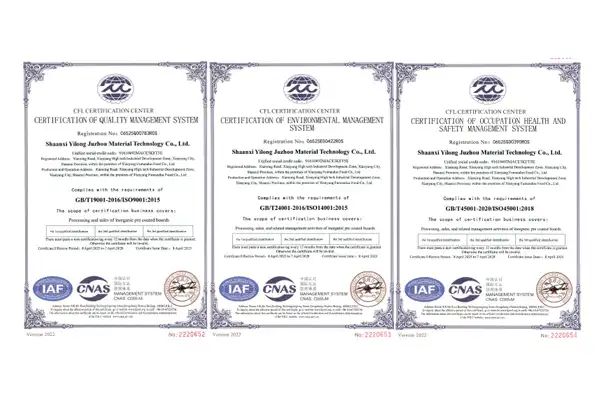
- Certifications to confirm: ENF-grade environmental certification, Class A fire resistance documents, EU CE certification, and antibacterial test report with 99.99% rate.
- OEM/ODM availability: See if the provider offers original equipment and design manufacturing for applications needing custom panel sizes or brand finishes.
You can choose from thicknesses of 4.5, 5, 5.5, 6, 8, 10, 12, 14, and 15 mm. In high-impact areas like hospital hallways and subway stops, thicker profiles (10–15 mm) work best. Thinner profiles, on the other hand, are best for light-duty business spaces.
"OEM and ODM are available:" Check to see if the provider supports original equipment and design manufacturing for projects that need brand-specific finishes or custom panel sizes.
Trusted Brands and Suppliers of Negative Ions Healthy Panels
One of the most important factors in B2B material procurement is the credibility of the supplier. When choosing a negative ions healthy panel manufacturer, don't just look at what they say in their catalog; also ask for third-party test reports, visit the production base, and look over their export compliance paperwork.
The Shaanxi Yilong Juzhou Material Technology Co., Ltd. (YILONG JUZHOU) company has two factories: one in Foshan City, Guangdong Province, and one in the Xianyang High-tech Zone in Shaanxi Province. Their screens are certified by the China Environmental Protection Standard, ISO, and CE. They have been used in more than 30 countries in hospitals, schools, hotels, pharmaceutical companies, food processing plants, and tunnel interior projects.
The lead time for production is 3–7 days, and we promise to answer all business-to-business questions within 24 hours. The company ships from several seaports, including Shenzhen, Guangzhou, Shanghai, and Qingdao. It also serves land transport through Xi'an, Guangzhou, Shenzhen, and Foshan, which gives foreign distributors real logistical freedom. The quality is guaranteed for three years, and there is full OEM/ODM design and installation expert service. Within 3–5 days, you can get free samples, which give buying teams a chance to test the products physically before committing to large orders.
Production lead time runs 3–7 days, with response to B2B inquiries guaranteed within 24 hours. The company ships from multiple seaports — Shenzhen, Guangzhou, Shanghai, and Qingdao — and supports land transport via Xi'an, Guangzhou, Shenzhen, and Foshan, giving international distributors genuine logistical flexibility. A three-year quality guarantee and full OEM/ODM design and installation technical service are standard terms. Free samples are available within 3–5 days, which allows procurement teams to conduct physical evaluation before committing to volume orders.
Practical Guide to Using and Maintaining Negative Ions Healthy Panels
Negative Ion Health Wall Board can be installed using standard dry-fix or adhesive-fix methods. They are lighter than ceramic tile or stone cladding, so they put less stress on the structure. Panels should be put up in a clean, dry area, and the joints should be properly sealed in places that need to keep out moisture, like operating rooms or CT suites.
Placement Priorities for Maximum Effectiveness
In public places like airports, train stations, and shopping malls, cover as many walls as possible to keep the concentration of anions the same across the occupied area. In classrooms and healthcare rooms, give the most attention to the walls that are closest to people's breathing zones. Because the surface is anti-static, it doesn't collect much dust, and all you need to clean it regularly is a damp cloth. Strong acid-based cleaners should not be used on the surface because they can wear it down over time.
Integration with Workplace Wellness Programs
Many building managers think of indoor air quality (IAQ) as just an HVAC problem, but they forget how important surface materials are to the IAQ situation as a whole. An ion-releasing wall paint works with HVAC filters to keep particles in place between air change cycles. The ENF-grade environmental certification and antibacterial test results are strong proof that the project meets the WELL Building Standard or LEED standards.
Conclusion
Negative ions healthy panel brings together the practicalities of building, finishing, and managing indoor air quality. It works passively, kills 99.99% of bacteria, is fire-resistant (Class A), and won't get damaged by water. These features make it a popular choice for hospitals, schools, transit hubs, commercial buildings, and high-end residential projects. When you're looking for providers, give top priority to those with verified certifications, clear test data, and the production capacity and transportation infrastructure to safely support multi-phase or foreign projects.
FAQ
Q1: Does continuous negative ion emission pose any health risk?
There is no solid evidence that the continuous passive ion emission from mineral-based wall panels is linked to bad health outcomes. The amounts of ions that are made are about the same as those found in the air near a forest or the coast. To make sure that mineral additives don't exceed average radiation levels, you should always ask for a radiation safety test result.
Q2: How long does the ion-releasing function last?
The mechanism works for as long as the panel lasts, which is usually 15–20 years under normal conditions. This is because it relies on the piezoelectric and pyroelectric properties of minerals that are embedded in the panel instead of a cartridge that needs to be replaced.
Q3: How do I determine the right panel thickness for my project?
Make sure the thickness fits the impact load and the needs of the structure. For factory walls or hallways with a lot of foot traffic, 10–15 mm profiles offer better impact protection and keep walls from cracking and denting. 5–6 mm profiles are enough for standard office or home interiors and save money on materials.
Q4: Can these panels be used in food processing facilities?
Yes. The calcium silicate base is waterproof, resistant to moisture and mildew, and the surface is 99.99% antibacterial. This makes the panels suitable for places like food processing and pharmaceuticals where cleanliness is important.
Request a Free Sample from YILONG JUZHOU — Trusted Negative Ions Healthy Panel Supplier
With two production bases, a ready stock of 50,000 m², and a guarantee of a 24-hour reaction time, YILONG JUZHOU offers certified, high-performance negative ions healthy panel options. Get in touch with our team right away to get a free sample, OEM/ODM consultation, or bulk order quote that is made just for your project. You can email us at cnyang2000114@gmail.com to see all of our products.
References
1. Perez, V., Alexander, D. D., & Bailey, W. H. (2013). Air ions and mood outcomes: A review and meta-analysis. BMC Psychiatry.
2. Goldstein, N. (2018). Negative air ions and their effects on human health and indoor air quality. International Journal of Molecular Sciences.
3. Grand View Research. (2023). Global functional building materials market analysis and forecast report.
4. World Health Organization. (2010). WHO guidelines for indoor air quality: Selected pollutants. WHO Press.
5. ASHRAE. (2022). ASHRAE Standard 62.1: Ventilation and acceptable indoor air quality in residential buildings. American Society of Heating, Refrigerating and Air-Conditioning Engineers.
6. Lu, S., & Liu, Y. (2021). Antibacterial surface coatings in healthcare construction: Material performance and certification standards. Construction and Building Materials Journal.

Send Inquiry

Related Industry Knowledge
- What Are The Advantages of an exterior ACP Sheet?
- Antibacterial Wall Panels for Hygienic Commercial Interiors
- Medical Clean Board in Modern Healthcare Construction
- Medical Clean Board Material Types and Performance
- Top Applications of Calcium Silicate Aluminum Composite Boards in Fireproof Systems
- Are there any antibacterial indoor wall panels?
- Medical Clean Board Trends in Medical Building Design
- Why Is Negative Ions Panel Ideal for Eco-Friendly Interior Wall Decoration?
- What is a PP healthy panel? Uses, Benefits & Future Trends Explained
- UV light curing board Scratch Resistance and Durability Explained