
How to Choose the Right HPL Fireproof Board for Your Project
September 16, 2026
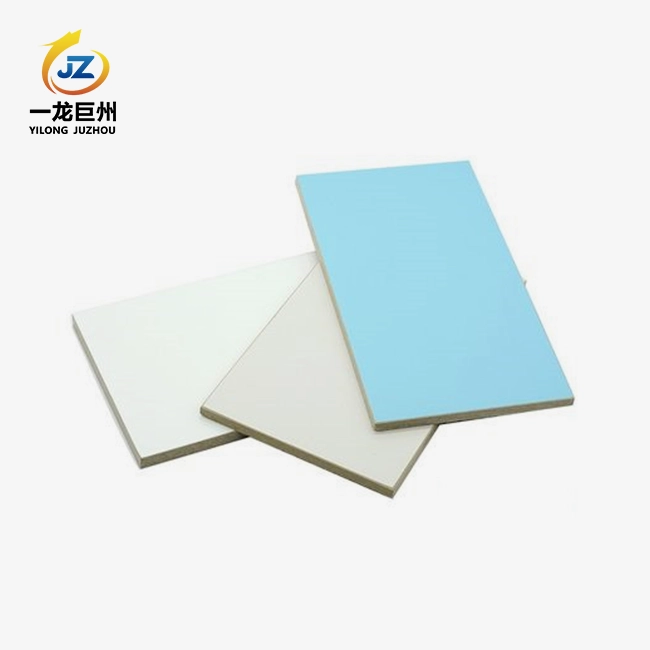
Choosing the right HPL fireproof board starts with understanding your project's fire safety requirements, environmental conditions, and aesthetic goals. An HPL fireproof board — structured with a calcium silicate core and high-pressure laminate on both surfaces — delivers Class A fire resistance, antibacterial protection, and moisture resistance in a single panel. Whether you are specifying materials for a hospital corridor, airport terminal, or commercial retrofit, matching panel thickness, surface finish, and certification compliance to your actual use conditions is what separates a sound procurement decision from a costly mistake.
Understanding HPL Fireproof Boards: Key Features and Benefits
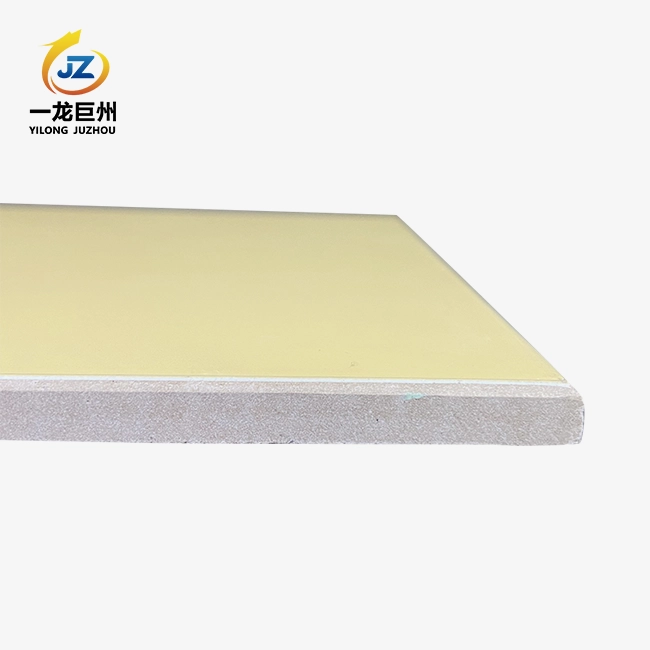
Multiple layers of phenolic resin-soaked kraft paper are glued to a calcium silicate substrate by an HPL fireproof board. An ornamental melamine layer is then fused on top of the calcium silicate substrate at temperatures and pressures above 1,000 PSI. The end result is a panel that is dense enough to resist impact, water, and flame spread all at the same time. Standard gypsum board soaks up water and breaks when hit, while standard MDF can catch fire. This hybrid design makes both issues go away in a single offering.

These panels really shine in harsh conditions because of their top-notch performance:
- Class A Fire Resistance: The calcium silicate core combined with the HPL surface achieves fireproof Class A ratings, meaning the panel does not propagate flame and significantly limits heat release — a critical requirement under ASTM E84 and IBC codes enforced across U.S. commercial construction projects.
- 99.99% Antibacterial Rate: The non-porous HPL surface inhibits bacterial colonization, making it fully compatible with infection-control protocols in healthcare and food processing facilities where surfaces face repeated disinfectant exposure.
- Waterproof and Mold-Resistant: The panel's density — with water absorption below 1.0% — prevents moisture ingress that causes mold growth, structural deterioration, and recurring maintenance costs in high-humidity environments like subways, tunnels, and commercial kitchens.
- Zero VOC Emissions: The material contains no benzene or volatile organic compounds. UV curing creates a sealed surface film that eliminates off-gassing after installation, allowing immediate occupancy — a measurable advantage in phased construction schedules.
- Impact Resistance: Strong resistance to mechanical stress prevents wall dents and surface cracking in high-traffic zones such as hotel lobbies, school hallways, and airport terminals.
HPL Wall Protection Panel has strong resistance to impact: in high-traffic areas like hotel lobbies, school halls, and airport hubs, walls and surfaces don't get dents or cracks thanks to its excellent ability to withstand mechanical stress.
Core Criteria for Selecting the Right HPL Fireproof Board
Match Thickness to Structural Demand
The rigidity, impact resistance, and installation method are all directly affected by the thickness of the panel. Panels from YILONG JUZHOU come in 4.5, 5, 5.5, 6, 8, 10, 12, 14, and 15 mm thick, with a normal width of 1,220 mm and lengths of up to 3,050 mm. Thinner panels are better for cladding dry areas inside, while thicker ones are better for load-bearing wall systems and high-impact areas. Teams in charge of buying things should say what thickness is needed based on the wall substrate, the mechanical load that is expected, and the fastening system that will be used.

Verify Certification Compliance
As a general rule, U.S. project requirements need ASTM E84 flame spread and smoke development data, IBC compliance paperwork, and antibacterial performance test results in healthcare or educational settings. Along with detailed data sheets, you should always ask for third-party test certificates. Panels that have ISO, CE, and China Environmental Protection Standard Certification, like YILONG JUZHOU products, can be tracked back in a way that makes bids and code inspections easier.
Align Surface Finish With Application Context
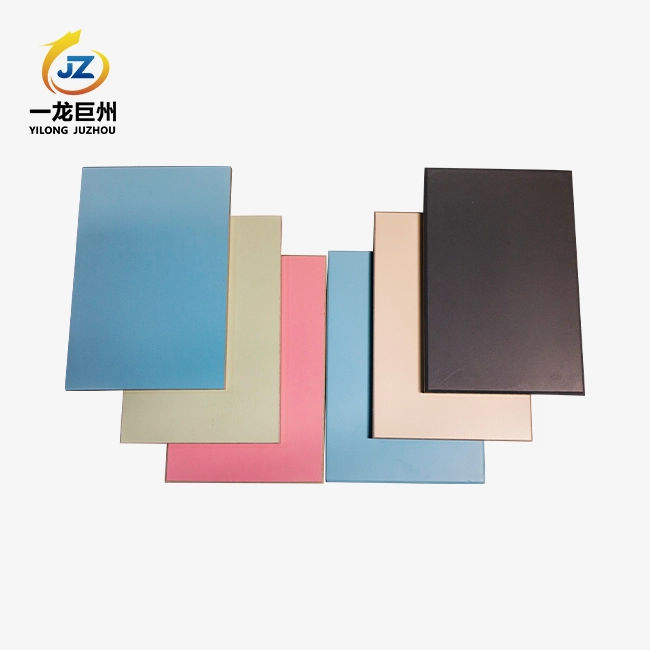
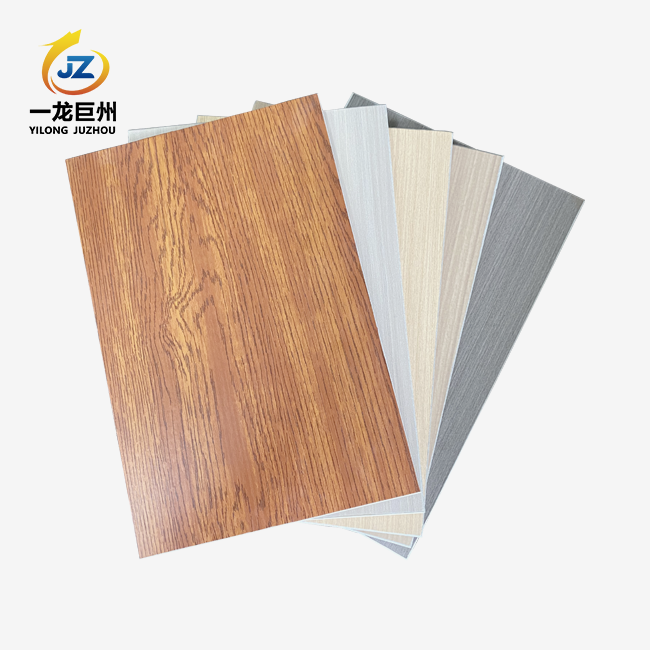
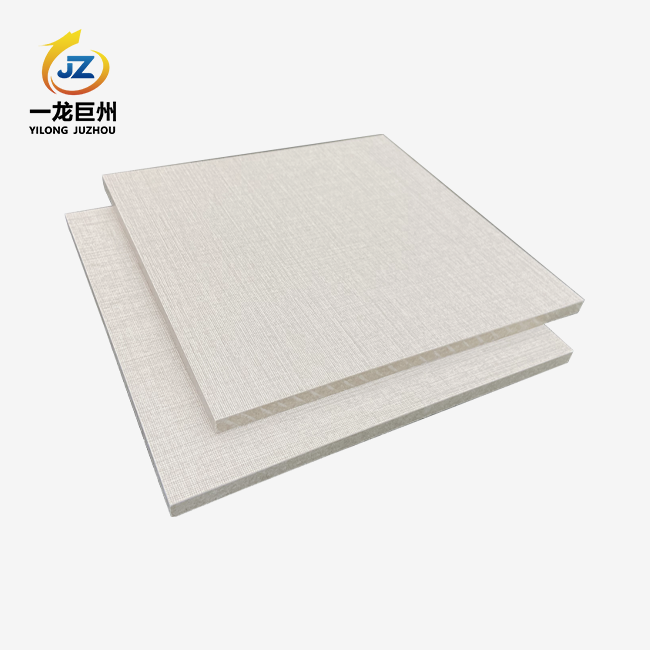
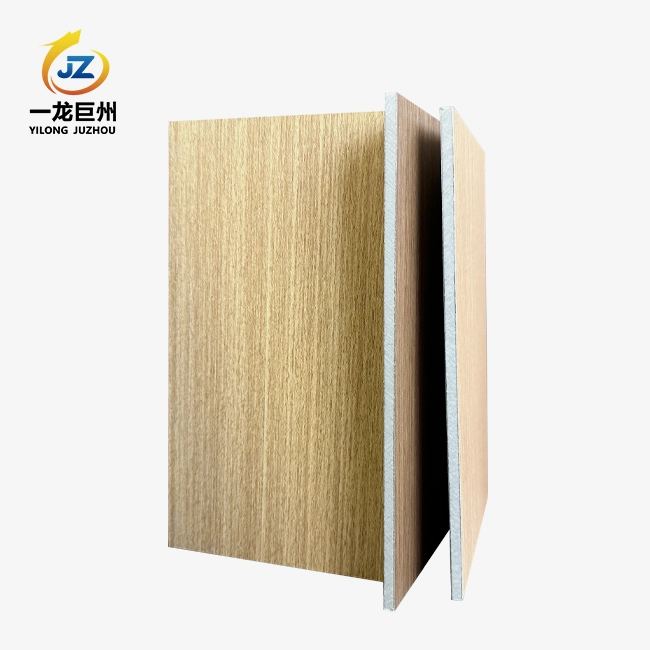
The surface finish affects both how it looks and how well it works. You can choose from a uniform color, a wood grain design, a marble pattern, a metallic pattern, or a cloth material. Solid-color, smooth surfaces are best for healthcare and cleanrooms because they are easy to clean. Wood grain or marble finishes add style to high-end retail and hotel projects without compromising fire safety.
Comparing HPL Fireproof Boards With Alternatives
Procurement managers often compare HPL composite panels to gypsum board, fiber cement board, and MDF-based panels when they are looking at safe wall panel choices. The real-world trade-offs are shown in the table below:
Gypsum board is still the cheapest choice, but it doesn't hold up well against impacts and doesn't handle much moisture. Fiber cement board is good at dealing with moisture, but it doesn't come in a lot of different surface finishes and is heavy to install. MDF-based panels give you more design options, but they pose a fire risk that keeps them from meeting Class A requirements. HPL fireproof board, which is made with a calcium silicate core, has the best shape for fire safety, resistance to moisture, surface sturdiness, and good looks.
Real-world data on deployments backs up this point of view. When compared to painted gypsum systems, hospitals that use HPL wall cladding have lower surface replacement rates. This is because the panel can handle both the mechanical impact of medical equipment and repeated chemical cleaning. The panel can meet strict flame spread values and give designers a lot of freedom when it comes to designing long wall runs in airport terminals.
How to Procure HPL Fireproof Boards: Sourcing and Delivery
Evaluate Supplier Production Capacity
A trusted HPL fireproof board provider makes sure that the quality of their products stays the same from one batch to the next. YILONG JUZHOU has two factories, one in Xianyang, Shaanxi Province, and one in Foshan, Guangdong Province. Together, they have 50,000 m² of stock that can be used. For normal orders, the wait time for production is 3 to 7 days, and samples ship in 3 to 5 days. This level of production supports phased delivery schedules that are common in contracts for building multiple properties or renovating institutions.
Understand Customization and OEM Capabilities
Large contracts for HPL Wall Protection Panel often need custom panel sizes, surface designs that aren't available anywhere else, or private-label packaging. YILONG JUZHOU takes OEM and ODM orders for this product, can produce panels up to 3,050 mm tall, and can customize samples for clients to test finishes in different regional markets. This flexibility is especially helpful for international distributors who have to meet varying client needs across different countries.
Plan Logistics From Production to Site
Exports leave from the seaports of Shenzhen, Guangzhou, Shanghai, and Qingdao. Xi'an, Guangzhou, Shenzhen, and Foshan are the land ports that can be used for transport. To keep goods from getting damaged during shipping, procurement managers should make sure that delivery windows work with installation schedules and that the packaging meets the standards of the final market.
Conclusion
To choose the right HPL fireproof board wall panel, you need to make sure that the product specs match the safety rules, weather conditions, and style needs of the project. A calcium silicate core in an HPL composite board gives it a proven mix of Class A fire resistance, antibacterial performance, moisture resistance, and surface toughness that few other materials can match in such a wide range of uses. During the sourcing stage, giving priority to third-party approval data, proven production capacity, and customization support can help keep project timelines and long-term performance goals safe. A provider that offers documented quality assurance and quick expert help isn't just a vendor; they become a benefit to the project.
FAQ
Q1: What fire resistance rating does an HPL fireproof board typically carry?
The HPL fireproof board from YILONG JUZHOU meets fireproof Class A, which is the highest level for internal wall materials in most foreign and U.S. building rules. This means that the panel stops the flame from spreading and lowers the amount of heat it gives off to levels that meet ASTM E84 standards for business and public buildings.
Q2: Can these panels be used in exterior applications?
The panels talked about here are designed to decorate and fix up inner walls. Applications that will be outside need an extra UV-stabilization treatment. When used inside, like in subways, tunnels, and closed-off business areas, the screens work well without any extra weatherproofing.
Q3: How do I verify a supplier's compliance with fire safety standards?
Not just product datasheets, but also test certificates from a third-party lab. For example, ASTM E84 and EN 13501-1 should be used as test standards on certificates, and each batch number should be able to be tracked. You can get products certified by ISO, CE, and the China Environmental Protection Standard from YILONG JUZHOU if you ask for them.
Q4: What is the minimum order quantity for procurement?
Get in touch with YILONG JUZHOU directly to get MOQ information based on the details of your project. With 50,000 m² of stock on hand and a production window of 3 to 7 days, we can handle both small test orders and big contracts.
Partner With YILONG JUZHOU for Your Next Project
YILONG JUZHOU offers approved HPL fireproof board options with two production bases, wait times of three to seven days, and a quality guarantee that lasts for three years. We are a reliable HPL fireproof board manufacturer that has worked on projects in over 30 countries. We accept OEM/ODM orders, free sample requests, and full technical specification help. Email cnyang2000114@gmail.com to get in touch with our team within 24 hours and ask for a free sample or a cheap quote today.
References
1. NEMA LD 3 — High-Pressure Decorative Laminates (HPDL): Types, Grades, Sizes, and Tolerances. National Electrical Manufacturers Association, 2020.
2. EN 438: High-Pressure Decorative Laminates (HPL) — Sheets Based on Thermosetting Resins. European Committee for Standardization (CEN), 2016.
3. ASTM E84: Standard Test Method for Surface Burning Characteristics of Building Materials. ASTM International, 2022.
4. International Building Code (IBC): Interior Finish Requirements — Chapter 8. International Code Council, 2021.
5. ISO 4586: High-Pressure Decorative Laminates — Sheets Based on Thermosetting Resins. International Organization for Standardization, 2019.
6. Indoor Air Quality Guide: Best Practices for Design, Construction and Commissioning. American Society of Heating, Refrigerating and Air-Conditioning Engineers (ASHRAE), 2018.

Send Inquiry


Related Industry Knowledge
- Aluminum Composite Panel vs. Solid Aluminum: Which Is Better?
- Fire-Retardant ACP Panels: Elevating Safety Standards in Modern Infrastructure
- Fiberglass Resin Board: Composition, Performance, and Industrial Applications
- Analysis of the Functional Principles and Market Prospects of the Negative ions panel
- Best Way to Paint Aluminum Composite Panel for Long-Lasting Results
- Why Should Architects Consider Aluminum Composite Panels for Facades?
- Why Is Medical Clean Board Important in Cleanrooms?
- Medical Clean Board for Hospital Wall and Ceiling Systems
- How to Prepare Aluminum Composite Material (ACM) for Painting
- How Do Antibacterial Wall Panels Work to Prevent Bacterial Growth