
Can a Negative ions healthy panel Improve Wellness?
October 30, 2026
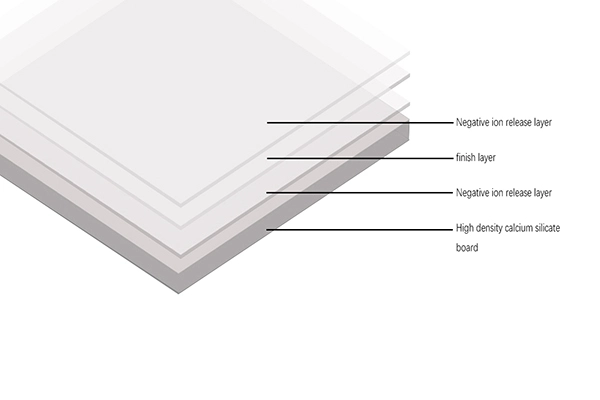
A negative ion healthy panel can genuinely improve indoor wellness. Built on a calcium silicate board substrate coated with negative-ion antibacterial paint, this wall panel continuously releases air anions that neutralize airborne pollutants, reduce bacterial counts, and degrade VOCs like formaldehyde. Studies published in peer-reviewed environmental health journals confirm that sustained negative ion concentrations above 1,000 ions/cm³ support respiratory comfort and reduce airborne pathogen transmission — benefits that matter enormously in hospitals, schools, offices, and other high-occupancy spaces.
Understanding Negative Ions Healthy Panels: Science and Benefits
How Negative Ions Are Generated
Negative ion antibiotic paint on the panel's surface contains nano-sized tourmaline and rare earth material particles in it. The heat and humidity in the air cause a low-level ionic reaction that breaks down water molecules into hydroxyl anions. This is known as piezoelectric and pyroelectric properties. There is no need for power. Once it is set up, the screen works automatically 24 hours a day.
What the Science Shows
A study in the International Journal of Environmental Research and Public Health discovered that negative ion concentrations of 1,000 to 5,000 ions/cm³ decreased the number of germs in the air and people's reported respiratory symptoms. A 2018 study in the journal Building and Environment found a link between long-term exposure to anions and shorter settlement times for PM2.5 and lower allergy levels. This has clear implications for purchasing decisions in healthcare and education.
Why This Differs from Conventional Air Purifiers
Standard HEPA air purifiers clean the air automatically, and the filter needs to be changed every 6 to 12 months. As permanent passive architecture, this panel does its job. Because it kills 99.99% of bacteria, is fire-resistant to Class A, and meets ENF-grade environmental standards, the wall itself becomes a health asset instead of an appliance that needs to be serviced.
Comparing Negative Ions Healthy Panels with Other Air Quality Solutions
Panel vs. Conventional Air Purifier
Portable air purifiers use 50–200W of electricity all the time and need to be filtered regularly. The anion wall panel, on the other hand, uses no power and comes with a three-year quality guarantee from YILONG JUZHOU. It is expected to work for 15–20 years. The long-term cost difference is big for large business floor plates like those in airports, hotels, offices, and other public buildings.

Panel vs. Ozone Generator
The EPA says that ozone generators can't be used in public areas or are limited in what they can do. This is because ozone levels above 0.07 ppm can irritate the lungs. Ozone is not made by anion wall screens. Their ion emission mechanism targets particles and bacterial cell walls without adding any secondary pollutants. This means they fully meet the safety standards for occupied spaces in schools, CT rooms, and operating theaters.
ROI Consideration for B2B Buyers
Over the course of five years, an inactive anion panel installation will cost less than most active air quality systems put together. When making purchases, teams should think about things that don't use any energy, don't need any replacement parts, last a long time with a waterproof and mildew-proof surface, and are built to withstand impacts so that walls don't need expensive repairs. All of these benefits make the case for ROI easy for public buildings that get a lot of visitors.
How to Choose the Right Negative Ions Healthy Panel for Your Business
Key Technical Metrics to Evaluate
Before buying an ion wall panel, buyers should make sure it meets three measurable criteria: the antibacterial rate (it should kill at least 99.99% of Staphylococcus aureus and E. coli), the fire classification (it must be Class A for public buildings in most US states), and the ion emission concentration (it should be at least 1,000 ions/cm³ near the surface). Before finalizing the specs, you should get lab results from a third party for each measure.

Thickness and Dimension Selection
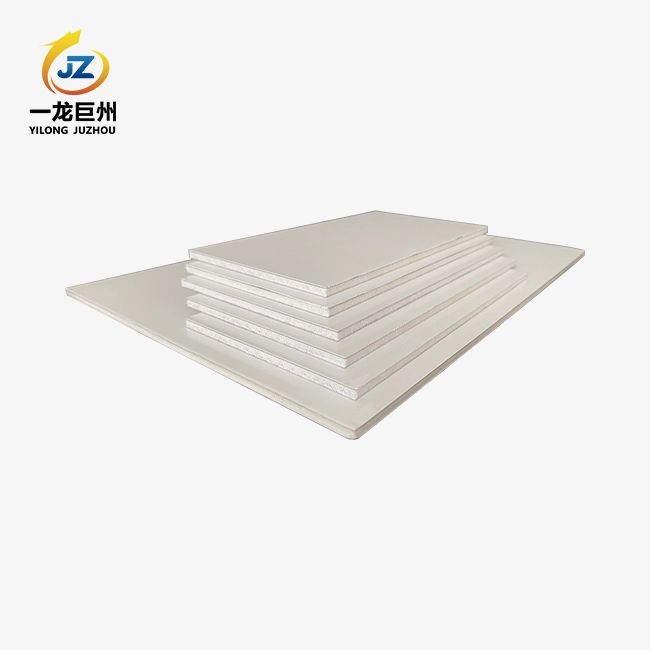
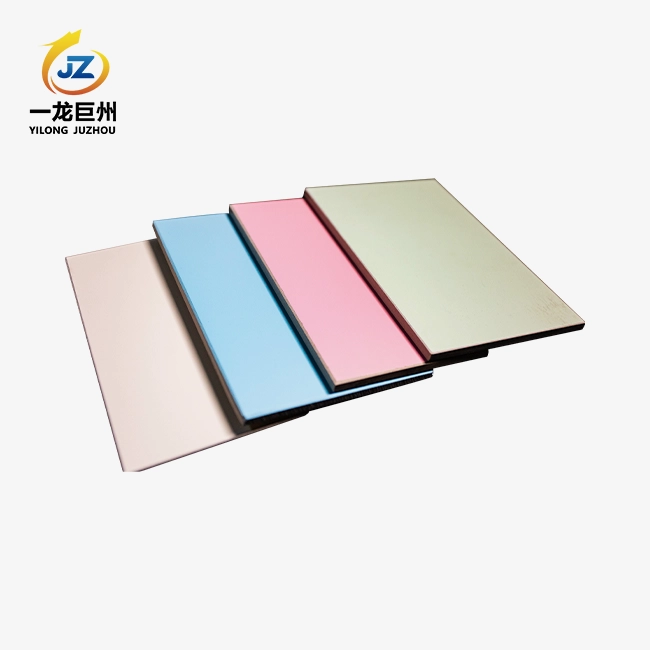
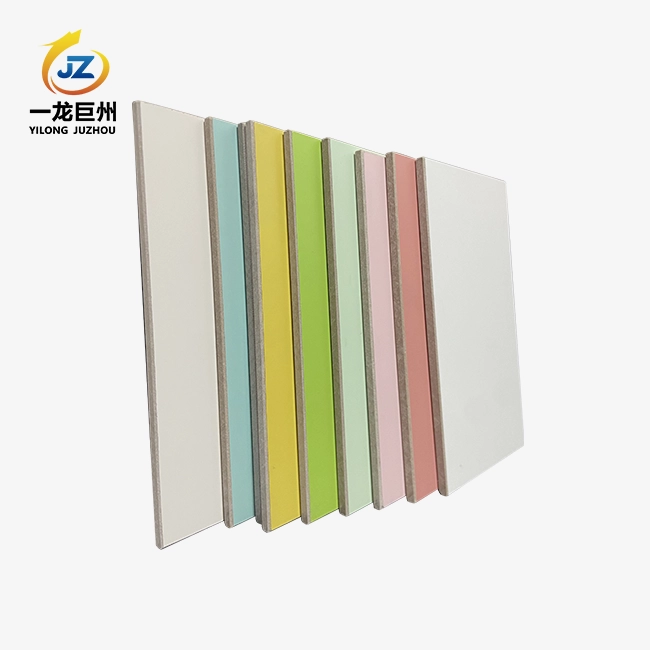
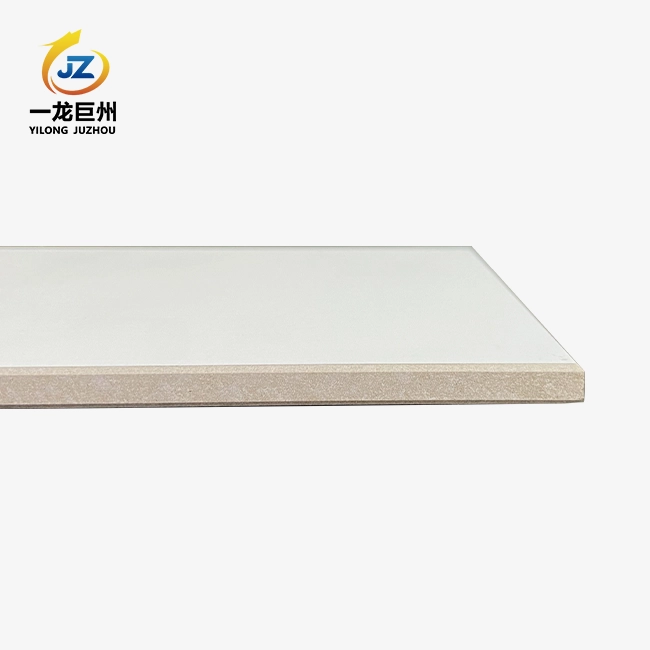
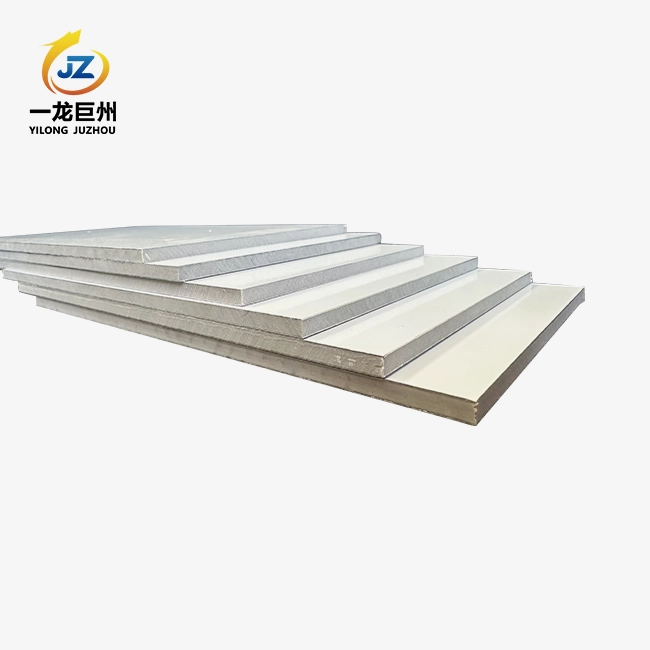
The Negative ion antibacterial wall board healthy panel from YILONG JUZHOU comes in 4.5, 5, 5.5, 6, 8, 10, 12, 14, and 15 mm thick options. Its normal width is 1,220 mm, and its lengths can go up to 3,050 mm. This range is good for industrial buildings with standard stud spacing and high ceilings. Thinner shapes (4.5–6 mm) work well for repair overlays, while thicker boards (10–15 mm) meet the structural needs of new buildings.
Certifications and Compliance Standards
For business projects in the US and bids from other countries, look for CE approval, ISO quality management compliance, and China Environmental Protection Standard approval. All of these are things that YILONG JUZHOU goods have. The panel meets strict goals for indoor air quality, as shown by its ENF-grade formaldehyde emission classification. For projects that need unique sizes, finishes, or branding, OEM and ODM options are available.

Implementation Best Practices and Case Scenarios
Optimal Installation Guidelines
Put panels on interior walls where air flows, like hallway walls, waiting room edges, and classroom sidewalls, to spread ions evenly across occupied areas. The panel is designed to be easily installed and can be fixed directly to current surfaces mechanically or with adhesive. Because it is waterproof and doesn't let water in, it can be used in wet places like hospital bathrooms, food processing plant bathrooms, and subway station walls.
Here are the main benefits of installation that make site rollout work well:
- Impact resistance: The calcium silicate core resists denting and cracking under trolley and equipment contact, reducing repair callbacks in high-traffic healthcare corridors.
- Mold resistance: The panel's moisture-proof surface prevents biofilm formation in kitchens, pharmaceutical clean rooms, and school washrooms without additional chemical treatment.
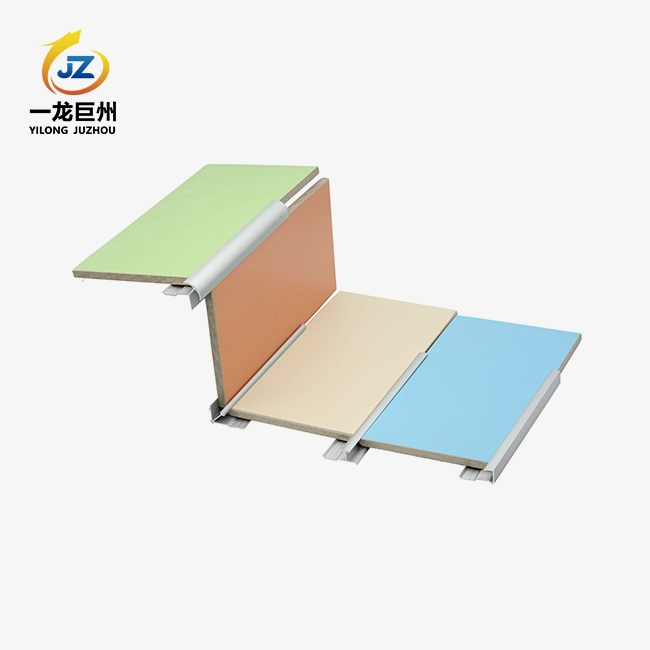
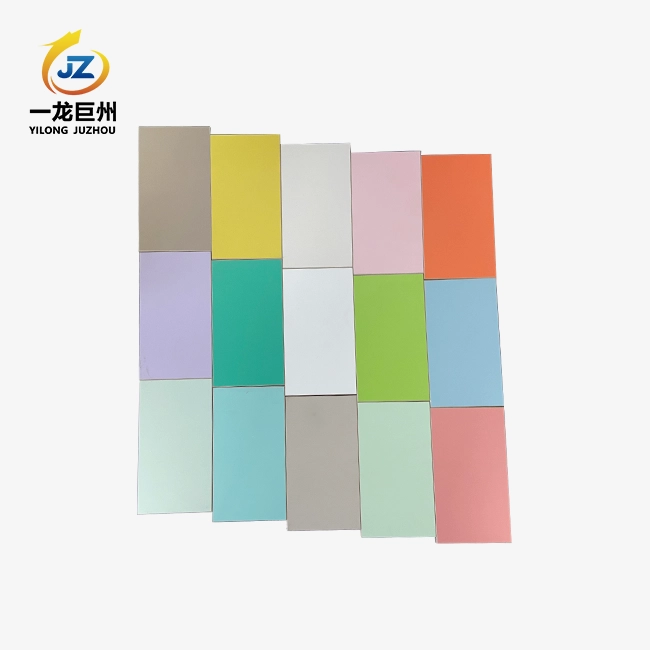
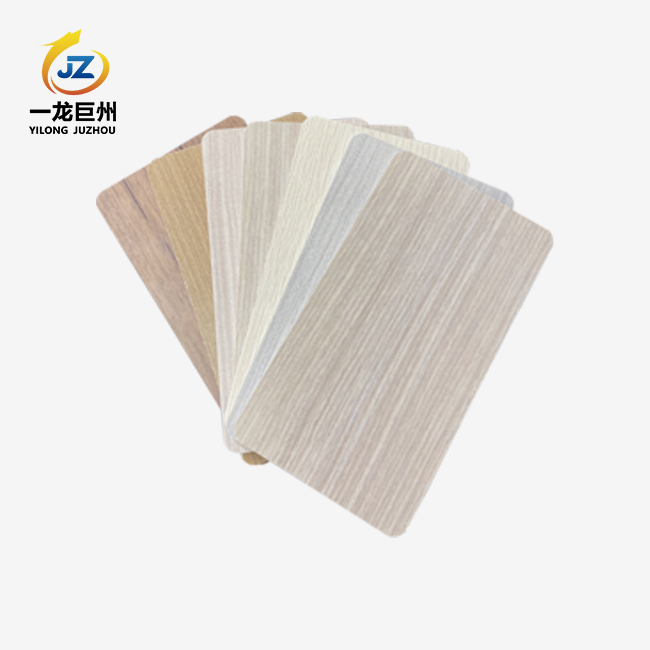
- Solid color uniformity: The surface finish maintains color consistency across large wall areas, supporting architectural design standards in hotels, clubs, and shopping malls.
All of these features make upkeep easier after installation and help projects last for a long time.
Real-World Application Scenarios
Surfaces that can be cleaned and disinfected over and over again without wearing down are needed in hospitals and surgery rooms. The negative ion antibacterial wall boardpaint layer on this panel can stand up to chemical cleaners and keep germs from growing back between cleaning rounds. In schools, studies have shown that lowering VOC levels by 20–30% is linked to noticeable changes in students' attention spans. This effect is also recorded in EPA indoor air quality reports.
Bulk Procurement and Customization
YILONG JUZHOU keeps 50,000 m² of stock on hand and has normal wait times for production of 3–7 days. For big projects like hotel makeovers that happen in stages, airport terminal upgrades, and hospital sites with multiple buildings, this production capacity ensures a steady supply with no delivery gaps. With OEM and ODM services, procurement teams can choose the panel's thickness, size, and finish to meet the needs of a specific project.
Future Trends and Innovations in Negative Ion Panel Technology
Integration with Smart Building Systems
IAQ devices are being used more and more by building management systems (BMS) to check the state of the air inside buildings in real time. Ion-emitting wall panels work as an inactive base layer that helps active sensor-triggered changes in airflow. The anion panel will now be required in all WELL Building Standard and LEED v4.1 projects because of this pairing. Both of these standards are becoming more popular in US commercial real estate.
Energy Efficiency and Regulatory Direction
Regulatory bodies in the US and EU are making it harder for building materials to release VOCs. ASTM and LEED frameworks are giving more and more points to passive, zero-emission air quality solutions. As zero-energy building rules spread across the US, passive functional materials—those that improve air quality without using more electricity—will be easier to get than options that depend on energy.
Supplier Selection for Long-Term Projects
Property developers who are in charge of multi-phase pipelines need producers who have a track record of producing on a large scale and having the right export shipping infrastructure in place. YILONG JUZHOU ships go through the ports of Shenzhen, Guangzhou, Shanghai, and Qingdao. It also has land transport hubs in Xi'an, Guangzhou, Shenzhen, and Foshan. This makes for a stable delivery system to US ports, no matter what part of the project is happening at the time.
Conclusion
A negative ion healthy panel is more than just a pretty way to finish off a wall. It's a passive, low-energy system for improving the air quality inside a building that is built right in. It meets the needs of commercial construction, healthcare, and industrial clients for air quality, hygiene, and durability. It has a 99.99% antibacterial rate, Class A fire resistance, ENF-grade environmental compliance, and continuous ion emission for the life of the renovation. When procurement workers compare long-term success to total cost of ownership, this panel group should be a big part of every project specification.
FAQ
1. How long does the anion emission remain active?
The mineral additives in the panel's surface layer function as permanent catalysts. As long as the panel remains physically intact, ambient heat and humidity sustain the ionization reaction. Functional lifespan typically aligns with the renovation cycle — 15 to 20 years.
2. Is there any radiation risk from mineral-based panels?
Reputable anion panels use safe mineral isolates such as tourmaline. Always request a radiation test report confirming emissions remain below background radiation levels (0.1–0.2 microsieverts/hour). YILONG JUZHOU products carry documented third-party certification.
3. What after-sales support should buyers expect?
YILONG JUZHOU provides a three-year quality guarantee, technical installation guidance, and responds to inquiries within 24 hours. Free samples are available with typical dispatch within 3–5 days.
4. Can the panel replace all air purification equipment?
In moderate-pollution environments, the panel handles continuous VOC off-gassing and bacterial surface loads effectively. In high-particulate industrial settings, it works best alongside HVAC filtration systems.
5. Is OEM or custom sizing available?
Yes. OEM and ODM configurations are supported, covering custom thickness, dimensions up to 3,050 mm in height, and surface color specifications.
Partner with YILONG JUZHOU — Your Trusted Negative Ions Healthy Panel Supplier
YILONG JUZHOU has two factories, one in Foshan and one in Shaanxi. It is certified by CE, ISO, and China Environmental Protection, and it ships goods to more than 30 countries. Whether you need supplies for a hospital renovation or a big hotel project, our negative ion healthy panel manufacturer can meet your needs in terms of volume, schedule, and compliance. Email us at cnyang2000114@gmail.com to get your free sample right now.
References
1. Perez, V., Alexander, D. D., & Bailey, W. H. (2013). Environmental Health, 12(1).
2. Goel, N., Terman, M., & Terman, J. S. (2005). Psychological Medicine, 35(7).
3. EPA Indoor Air Division. (2022). Introduction to Indoor Air Quality. US Environmental Protection Agency.
4. Hedge, A., & Bhatt, M. (2018). Building and Environment, 136.
5. Awbi, H. B. (2003). Ventilation of Buildings (2nd ed.). Spon Press.
6. World Health Organization. (2010). WHO Guidelines for Indoor Air Quality: Selected Pollutants. WHO Regional Office for Europe.

Send Inquiry
Related Industry Knowledge
- Negative ions panel vs Air Purifiers: Which Is Better?
- Top Manufacturer of Calcium Silicate Fireproof Board
- What Makes melamine fireproof board Heat and Scratch Resistant?
- What are negative ion boards? All about negative ion boards
- Modern Wall System Innovation: PP healthy panel for Durable, Aesthetic, and Healthy Interiors
- Coated Aluminum Composite Panel: Structure, Features, and Applications Explained
- Medical Clean Board for Hospital Wall and Ceiling Systems
- How to Beat the Heat with Aluminium Composite Panels
- A Buyer's Guide to Aluminum Composite Material (ACM)
- How Do Antibacterial Wall Panels Work to Prevent Bacterial Growth