
Can Antibacterial Wall Panels Improve Indoor Hygiene?
October 16, 2026
Antibacterial wall panels do enhance indoor hygiene. The antimicrobial surface layer on these panels is UV-cured and has a 99.99% antibacterial rate. It actively disrupts the development of bacteria instead of passively resisting surface filth. Antimicrobial wall cladding decreases bio-burden 24/7 without power or human intervention in hospitals, food manufacturers, schools, and clean rooms where pathogen control is a must. Used in conjunction with conventional cleaning practices, they provide a dependable two-layer defense against contamination – making them one of the most practical material enhancements available to procurement teams today.
Understanding Antibacterial Wall Panels
What They Are and How They Work
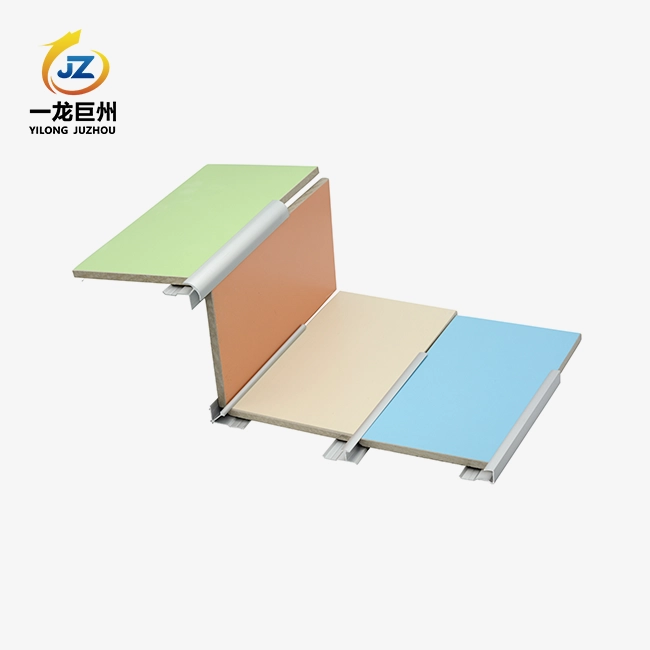
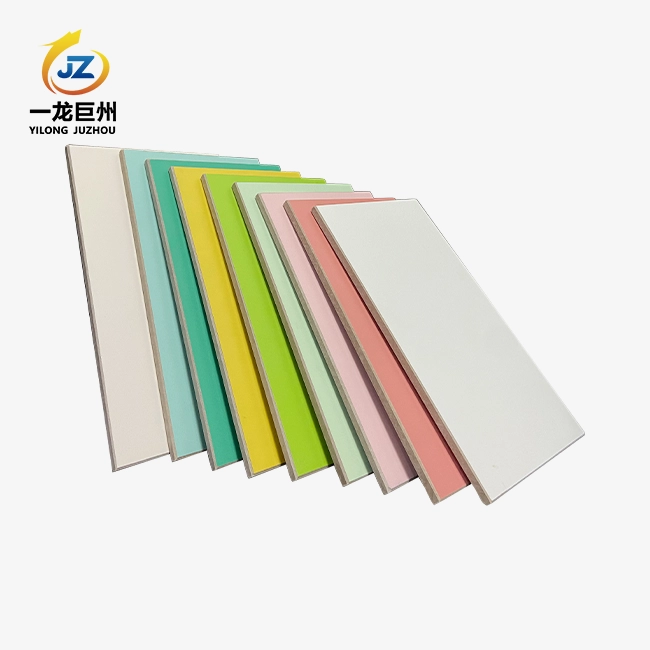
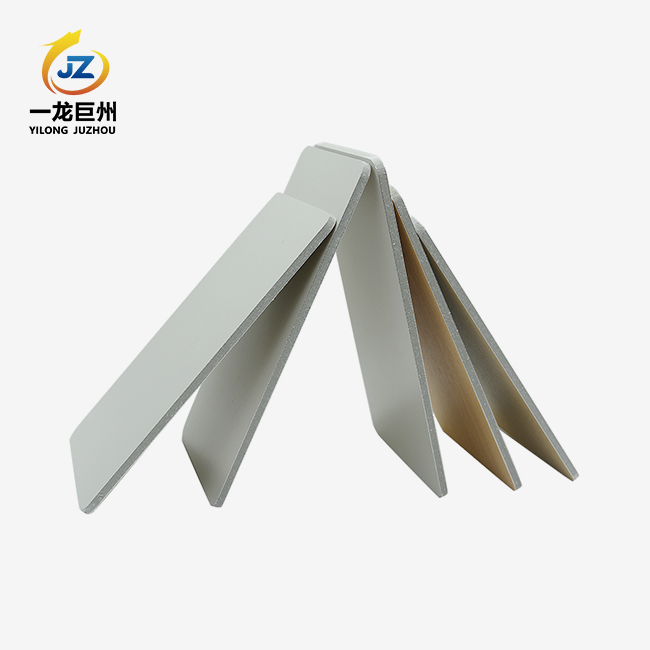
Antibacterial wall panels are a sort of construction covering which kills the development of germs on vertical surfaces. They are created by YILONG JUZHOU, with a calcium silicate board core. The exterior contains a UV antibacterial coating or a PVC film. After UV curing, the top layer is a thick, non-porous coating that protects against microorganisms and prevents volatile substances from entering the air.

The Science Behind the Surface
As the film is cured by UV light, the biocidal medicines bind directly to it. Unlike a thin layer of paint you may peel or scratch. The antibacterial properties of the coating are not affected by conventional chemical cleaning techniques. This is because the antibacterial is included in the coating. These premium panels are designed to reduce the quantity of germs by at least 3 logs, or 99.9%, in 24 hours, per ISO 22196 and JIS Z 2801.
Product Specifications at a Glance
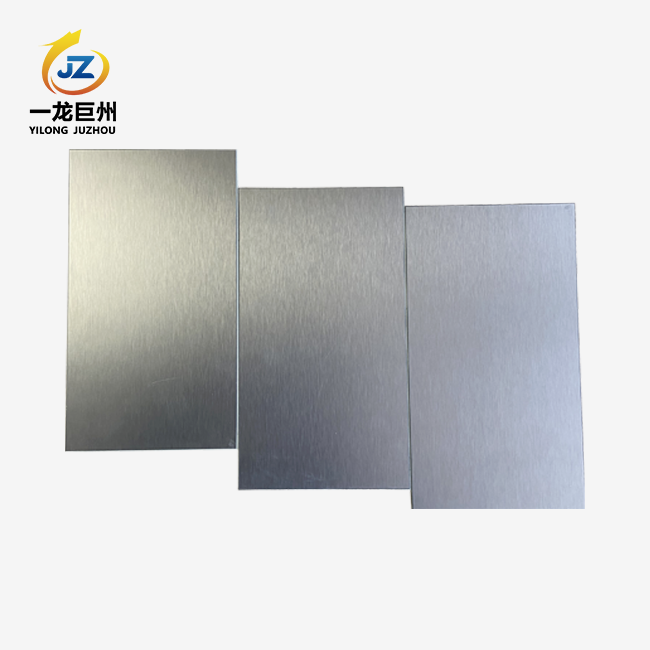
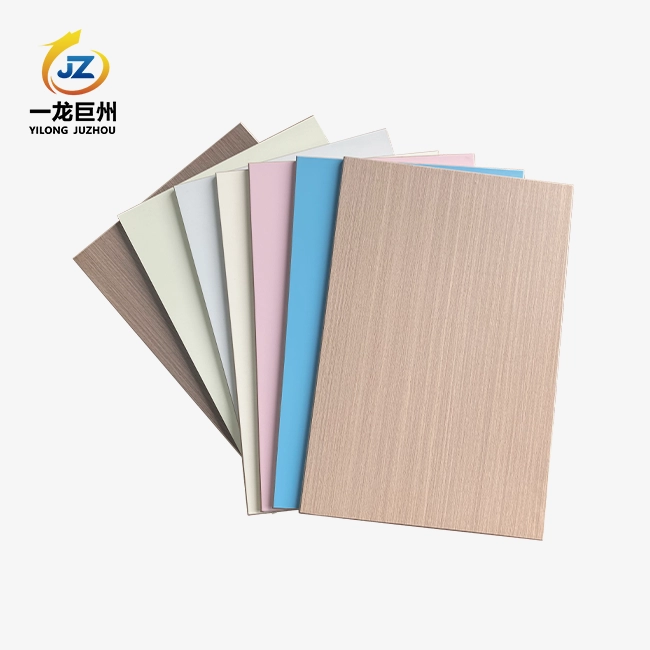
YILONG JUZHOU plates are available in thicknesses of 4.5, 5, 5.5, 6, 8, 10, 12, 15, 18, and 20 mm. It has a standard length of 2,440 mm, width of 1,220 mm, and height of 3,050 mm. It is available in simple hues, wood or marble looks, metallic finishes, and fabric textures. This gives builders and project managers room to be creative with their designs without compromising the clean appearance.
Key Benefits of Antimicrobial Wall Cladding in Commercial and Industrial Settings
When you consider how much better it performs than ordinary materials, it’s easy to see why switching to antimicrobial internal siding is a no-brainer. Here are the key performance benefits that sales teams are continuously talking about:

- 99.99% Antibacterial Rate: UV antibacterial coating aggressively kills germs like E. coli and Staphylococcus aureus, decreasing the likelihood of cross-contamination in high-traffic corridors, operating rooms, and food processing lines.
- • GB8624 Class A fire rating: The hospital decoration antibacterial wall panel complies with China’s non-combustible Class A standard, making it suitable for use in hospitals, schools, and institutional buildings where fire safety requirements are stringent.
- Moisture & mold resistance: The Calcium Silicate core and sealed surface coating inhibit moisture absorption, preventing mold colonies before they start forming — a key characteristic for pharmaceutical industries and food processing facilities.
- Impact resistance – The panel structure resists denting and surface cracking from equipment trolleys and day-to-day operating contact, minimizing repairs in busy operations.
- Zero benzene, zero VOCs: The UV-cured film does not emit any volatile organic compounds. Rooms are available for occupation immediately following installation, which is critical for busy healthcare or educational remodeling projects.
- Color stability: Unlike conventional painted surfaces, the UV ornamental layer is long-term color-stable and does not have patchy color changes, which are typical of conventional interior boards.
- It has a 99.99% rate of antibiotic activity, meaning that the UV treatment destroys bacteria such as E.coli and Staphylococcus aureus. This helps to reduce the chances of cross-contamination in locations such as surgical rooms, food processing lines, and regions with high foot traffic.
The panels fulfill China’s demanding Class A non-combustible standard, meaning they may be installed in schools, hospitals, and other buildings with tight fire safety regulations.
Comparing Antimicrobial Panels to Other Wall Finishes
Versus Ceramic Tiles
The grout lines between ceramic tiles are dirty and hard to clean all the way through. The surface of antimicrobial wall panels is smooth and doesn't have any grout gaps. This gets rid of one of the most common places for germs to grow in healthcare and food settings.
Versus Standard Paint
The paint wears off after being cleaned with chemicals like bleach or quaternary ammonium compounds over and over again. The boards from YILONG JUZHOU are UV-cured, so these chemicals don't damage or soften the surface. This makes the wall finish last longer and be cleaner for a longer time.
Versus Standard PVC Cladding
Clean PVC doesn't have any pesticides in it, but it is easy to clean. The top layer of antimicrobial panels has active ingredients built right in. This means that germs that land on the surface are stopped from growing instead of just being washed away. This difference is important in clean rooms and places where sterile processing takes place.
How to Select and Procure Antimicrobial Wall Panels
Define Your Project Requirements First
Before you call a company that sells Medical antibacterial wall panels, write down what your fire safety needs are, how often the panels will be used, and what they should look like. Something that is used in a school hallway needs to be thicker and stiffer than something that is used to keep drugs clean.
Evaluate Certifications and Test Reports
Ask for test results from outside sources, such as SGS or Intertek, that show the company follows ISO 22196. Also, look at the papers that talk about fire classification. The China Environmental Protection Standard, ISO, and CE have all passed tests on YILONG JUZHOU screens. This shows that they meet the basic requirements for international bids and can be checked to make sure they do.

Request Samples Before Committing
YILONG JUZHOU gives away free samples, and they ship most of the time in 3–5 days. Before you buy a lot of it, compare a sample to your cleaning products to make sure the colors are the same. That way, you won't make mistakes with the specs that cost a lot of money on big jobs.
Maintaining and Extending the Lifespan of Your Panels
Approved Cleaning Methods
Best cleansers have a pH of 0 or a slightly alkaline level. If you want to clean the UV layer, don't use rough pads because they can damage it. With a microfiber cloth that has been treated with a hospital-grade sanitizer, you can keep the color finish and the layer that kills germs clean.
Moisture and Joint Management
The panels themselves don't let water in, but joints that aren't sealed properly can. Alu trim profiles or sealants that work with them should be used at panel joints and around fixtures. After this step, the structure stays strong, and the calcium silicate base is kept safe.
When to Replace Panels
Antimicrobial screens can't always last forever. If there are tiny cracks on the surface or damage to the edges of the panels from being wet for a long time, the broken parts should be replaced. It is guaranteed by YILONG JUZHOU for three years, and it is easy to switch out parts thanks to the modular quick-strip mounting system.
Conclusion
Putting up antibacterial wall panel cladding is a good way to get rid of germs in public and business areas. People who work in healthcare, food production, education, and commercial development can use these panels because they are 99.99% antibacterial, Class A fire-resistant, don't give off any volatile organic compounds (VOCs), and can be installed in a way that fits with phased construction schedules. They are cleaner than painting and ceramic tile floors, and building managers don't have to change how they clean them to get the same work done. Antibacterial wall panel systems are a good choice for any job that needs to clean the air inside and keep the surfaces clean.
FAQ
1. Do antibacterial wall panels replace regular cleaning?
Not at all. The panels are an extra layer of defense that kills germs that are still on the surface even after it has been cleaned. Moving things around needs to be cleaned regularly to get rid of dirt, grease, and bio-burden.
2. How long does the antibacterial performance last?
Antibacterial agents are built into the UV-cured surface film instead of being put on as a separate finish. This means that they will work as long as the panel is used and cleaned normally. It's important to clean it the way the manufacturer says to because rough tools that damage the top layer can make washing less effective.
3. Are these panels safe for hospitals and food facilities?
Yes, YILONG JUZHOU screens don't contain any benzene or volatile organic chemicals. Also, the UV-cured film doesn't give off any gases once it's been put up. They're used in places with strict rules about material safety, like hospitals, operating rooms, drug companies, food processing plants, and "clean" rooms.
4. Can panels be custom-sized or branded?
It's fine to do both OEM and ODM output. You can get them in any size, color, theme, or even with your own brand on them. This means that the panels can be used in certain ways to meet the needs of the architecture of both business and public buildings.
5. What certifications should I verify before purchasing?
Get an ISO 22196 antibiotic test report from a lab that has been cleared. You should also get an environmental safety certificate and a fire classification certificate (GB8624 Class A or something similar). The China Environmental Protection Standard, ISO, and CE have all given YILONG JUZHOU their stamps of approval.
Get Your Free Sample from YILONG JUZHOU — Trusted Antibacterial Wall Panel Manufacturer
They have two antibacterial wall panelsin Foshan and Shaanxi, China, where they make and sell antibacterial wall coverings for homes. They have 50,000 m² of stock that can be sent out in three to seven days. You can get help from our team within 24 hours, whether you need it for a big business project, a hospital renovation, or a food processing plant. You can get a project price, ask for a free sample, or talk about OEM options by emailing cnyang2000114@gmail.com.
References
1. Dancer, S. J. (2014). Infection Control Today — "Controlling Hospital-Acquired Infection: Focus on the Role of the Environment and New Technologies for Decontamination."
2. Raise, A. P., Lambert, P. A., & Maillard, J. Y. (Eds.). (2004). Russell, Hugo & Ayliffe's Principles and Practice of Disinfection, Preservation and Sterilization. Blackwell Publishing.
3. International Organization for Standardization. (2011). ISO 22196: Measurement of Antibacterial Activity on Plastics and Other Non-Porous Surfaces. ISO.
4. U.S. Centers for Disease Control and Prevention. (2019). Guidelines for Environmental Infection Control in Health-Care Facilities. CDC.
5. World Health Organization. (2016). WHO Guidelines on Core Components of Infection Prevention and Control Programmes at the National and Acute Health Care Facility Level. WHO Press.
6. Klevens, R. M., et al. (2007). "Estimating Health Care-Associated Infections and Deaths in U.S. Hospitals." Public Health Reports, 122(2), 160–166.

Send Inquiry



Related Industry Knowledge
- What Are The Advantages of an exterior ACP Sheet?
- Fiberglass Resin Board: Benefits and Applications
- What Is the Best Exterior wall ACP panel for Modern Facades?
- Inorganic pre-coated panels Fire Resistance and Performance Data
- Calcium Silicate Fireproof Board Coating System
- Top Applications of Calcium Silicate Aluminum Composite Boards in Fireproof Systems
- Calcium Silicate Fireproof Board - the reliable and safe choice for fire doors
- Analysis of the Functional Principles and Market Prospects of the Negative ions panel
- Cladding Paint Aluminum Composite Panel Coating
- Innovative Coated Aluminum Composite Panel Projects to Transform Your Space