
Choosing Calcium silicate aluminum composite board for Facades
October 28, 2026
If you are sourcing facade materials for a commercial, institutional, or industrial project, calcium silicate aluminum composite board deserves a close look. This panel bonds a dense, fiber-reinforced calcium silicate core with one or two aluminum skins, producing a system that passes Class A1 fire ratings, resists moisture, and installs cleanly across a wide range of building types. This guide walks procurement managers, engineers, and distributors through what this material is, how it compares to alternatives, what to look for when buying, and how to keep it performing for decades.
Understanding Calcium Silicate Aluminum Composite Board
What It Is and How It Is Made
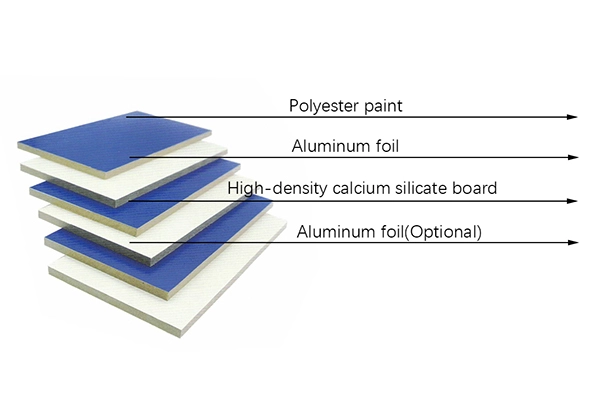
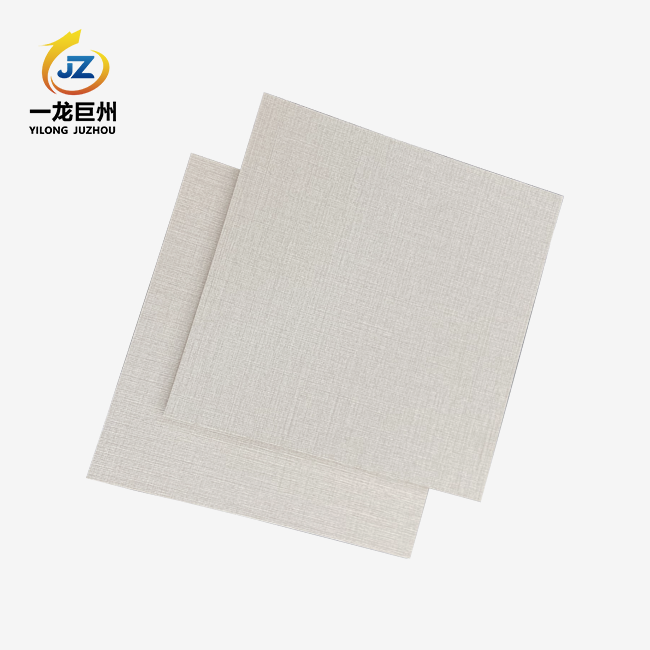
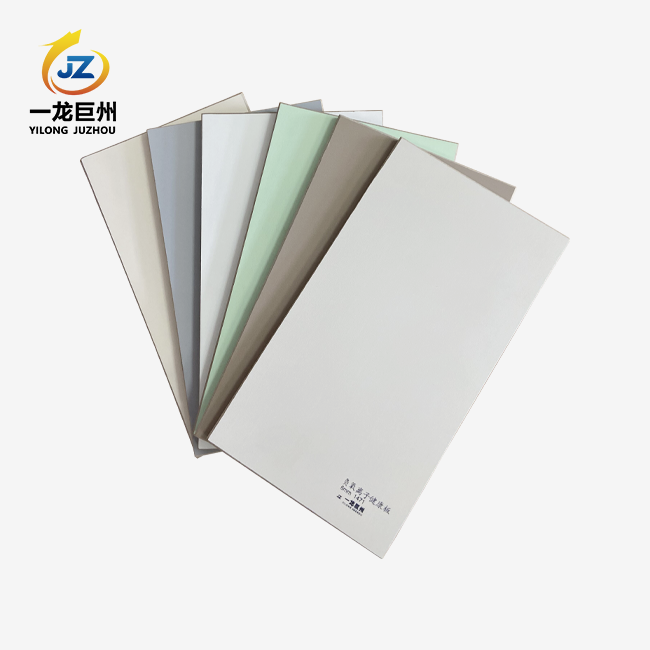
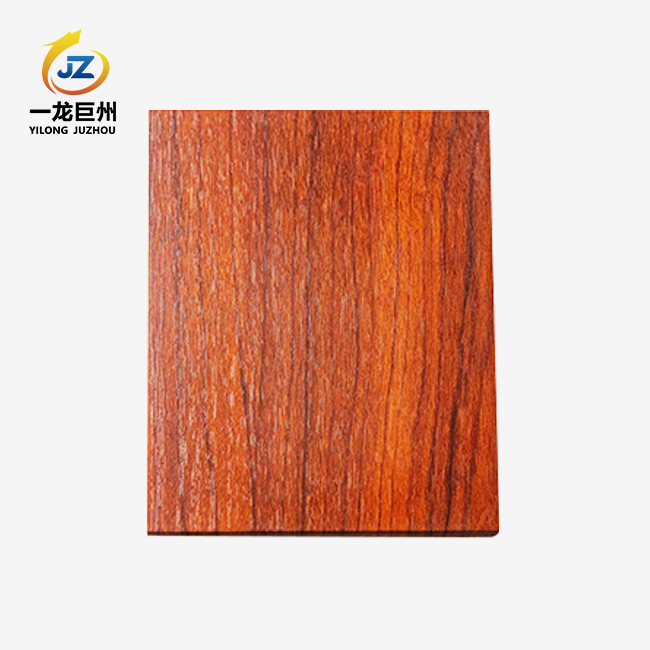
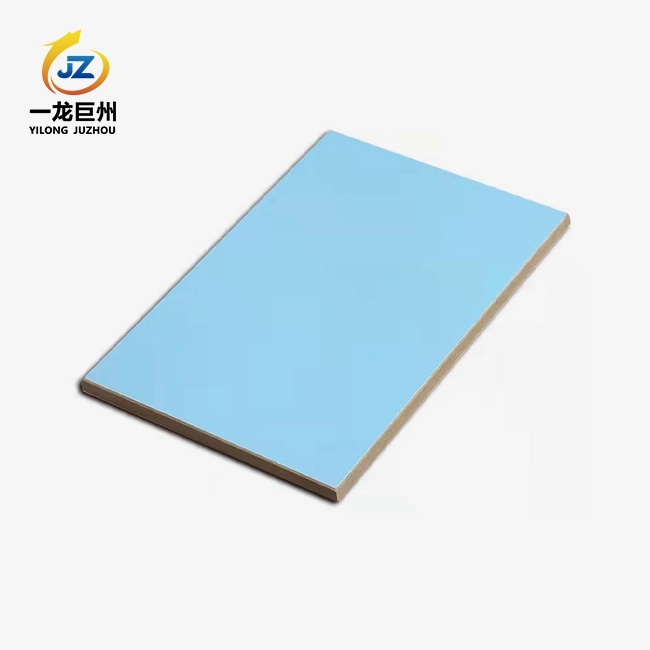
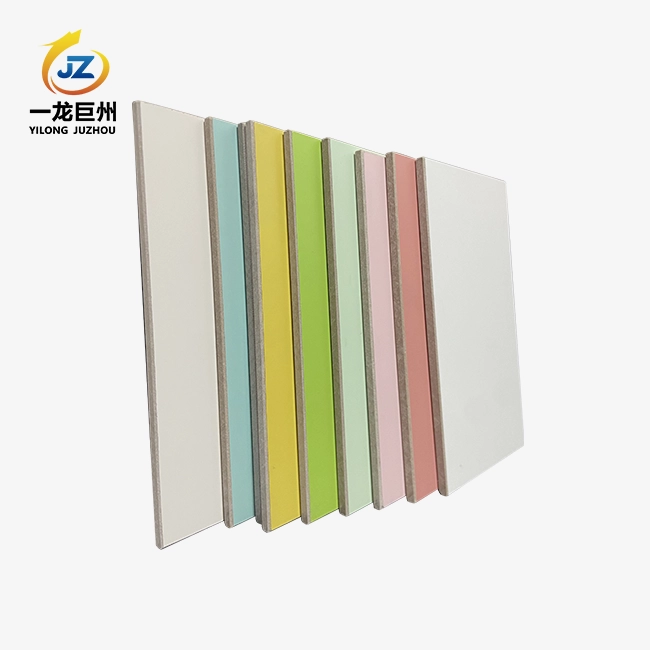
To make the board, siliceous and calcareous materials are mixed in an autoclave with high-pressure steam to make the calcium silicate core. The board also has an aluminum skin that is 0.1 mm to 0.5 mm thick on one or both sides. When you use an autoclave, you make a stable Tobermorite crystal structure. This keeps the core from catching fire and keeps its shape. Paints made of polyester, PET film, PVC film, and PP film can be used to cover up simple colors and patterns made of woodgrain, marble, metal, and cloth.
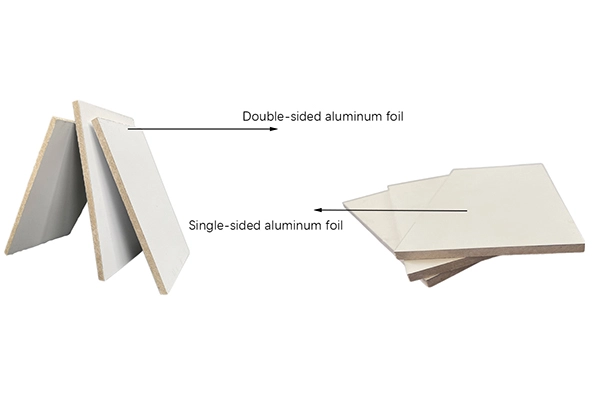
Key Physical Properties
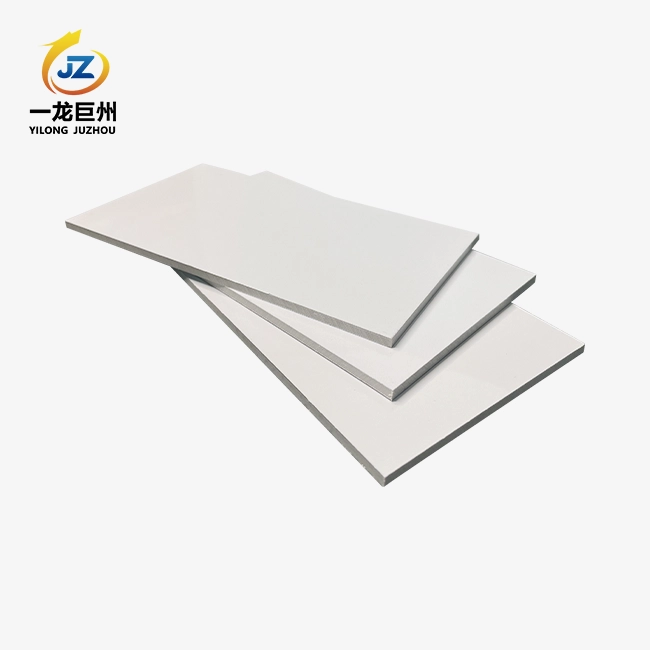
A panel is usually 1,220 mm x 2,440 mm, and its widths are 4.5, 5, 5.5, 6, 8, 10, 12, 15, 18, and 20 mm. You can make the panels as tall as you need them to be, up to 3,050 mm, so you can have runs from floor to ceiling with no gaps between them. It can be stretched more than 14 MPa, weighs between 1.2 and 1.6 g/cm³, and moves heat around at a rate of 0.2 to 0.3 W/m·K. The board doesn't smell or contain any asbestos, formaldehyde, or nuclear risk. It meets the standards for natural green building.
Where It Gets Used
An office building, a hotel, a conference center, an arena, an art gallery, a gym, a home, a medical esthetics center, a subway, or a tunnel are just some of the places this combination is used. The metal face doesn't mix with chemical cleaners, so it's great for hospitals and other places with a lot of foot traffic where floors need to be cleaned often.
Comparing Calcium Silicate Aluminum Composite Board with Alternative Facade Materials
Against Traditional PE-Core ACP
Many standard calcium silicate aluminum composite boards have a polyethylene core that can catch fire. These panels are usually rated B1 or B2 for fire safety. If you put this board on fire, the mineral-based core inside is A1 noncombustible, which means it doesn't give off any dangerous smoke. In the United States, NFPA 285 fire propagation rules cover public buildings and high-rise surfaces. This difference can make or break a design when it is being reviewed by the code.
Against Fiber Cement and Gypsum Boards
Most boards are lighter and less flexible than fiber cement boards. This makes them harder to cut, bend, or shape on-site. When gypsum boards are inside, they work well, but when they are outside for a long time, they become less stable. This plastic panel, on the other hand, can hold screws and let water in and out without warping or expanding. This helps in places like caves, food processing plants, and projects near the coast where the humidity changes all the time.
Against Aluminum Honeycomb Panels
The heart of aluminum honeycomb panels doesn't make them less likely to catch fire, even though the panels are light. Plus, they cost more per unit, and their cores are more likely to get squished when hit. The silicate-core blend is about as flat as other materials, but it is more durable, lasts longer, and costs less in most work settings over its whole lifecycle.
How to Choose the Right Calcium Silicate Aluminum Composite Board for Facades
Match Thickness to Structural Demand
Panels that are 4.5 to 6 mm thick are good for accent walls inside and low-load protection zones outside. For standard curtain wall systems and a lot of use on the inside, mid-range panels (8–12 mm) are used. 15–20 mm boards are best for industrial refractory backing, heavy-impact passageways, and tube linings that need to be hard and strong enough to hold screws. Make sure that the maker can give you the exact thickness and amount you need before you agree to a standard.
Verify Certifications and Surface Compliance
Make sure the supplier agrees to an A1 fire rating under EN 13501-1 or an equivalent ASTM standard, as well as ISO certification and CE marking, for projects in regulated areas like food production, healthcare, or government buildings. This will help you get the supplier to agree to these things. Make sure the aluminum skin covering meets AAMA 2605 standards (at least 25 microns PVDF or FEVE) before using it outside. This way, it won't chalk or lose its color after being in UV light for a long time. These panels are approved by the China Environmental Protection Standard, ISO, and CE. They are made by YILONG JUZHOU.
Evaluate Supplier Capability and Lead Times
A good company that makes A1 aluminum composite board should be honest about how long it will take to make the boards and offer both OEM and ODM services. They should also keep enough stock on hand to meet quick sales needs. It has two production bases in Foshan, Guangdong, and Xianyang, Shaanxi, where it stores 50,000 m² of goods. The standard time for production is between three and seven days. Samples sent within 3–5 days are sent for free. This makes it easy for buying teams to quickly get approval for supplies before placing big orders.
Installation and Maintenance Guide for CSA Composite Board Facades
Site Preparation and Cutting Protocol
Because the calcium silicate core is rough, you should use saw blades with tungsten carbide or diamond tips for cutting. Based on OSHA rules (29 CFR 1926.1153), you should use a pair of blades and HEPA dust extraction to deal with small silica particles. Before you put the base framing in place, make sure it is level, dry, and physically sound. • Draw a level line along the length of the wall to show where the panels should go. This will help keep the modular joints lined up.
Mounting and Fastening
It is possible to mechanically anchor, use secret clip systems, or directly screw or pin this board. This makes it useful for both new construction and repair. When building high-rise curtain walls, engineers should look at the nearby wind-load rules and attachment patterns, as well as the panel's span and density. So that pieces don't have to be made in a workshop, the composite can be shaped on-site into curved forms. This makes installation of complex slopes go faster.
Routine Maintenance Practices
A mild, neutral detergent and a soft cloth should be used on a regular basis to clean the metal. Each year, check the sealant joints and quickly reseal any that are broken or missing. This will keep water from getting behind the cover. If it is put together right and has a good finish on the outside, the panel system should last between 25 and 50 years. Since the artificial silicate core doesn't break down over time, it's usually more important to keep the finish on the panel in good shape than to change the panel itself.
Summary and Future Prospects of CSA Composite Board in Facade Applications
What Makes This Material Worth Specifying
This Calcium silicate aluminum composite panel is unique because it is fire-resistant (Class A1), doesn't absorb water or mold, has a high flexural strength, and can be customized in a lot of ways. Not many single-material solutions can compare. It's strong without being weak; it's light enough to be easily put together, and it can be made into the bent, big, and patterned shapes that builders want more and more. When projects use cheaper or less-tested covering materials, these qualities can make up for the performance gaps that show up.
Market Direction
More and more people in North America, the Middle East, and Southeast Asia need safe, eco-friendly building materials for the outside of buildings. This is because building codes are getting stricter and construction is moving toward being more energy-efficient. Products that have been tested and proven not to catch fire and contain no formaldehyde are being chosen over generic options. Business and government users who buy a lot of return items will be drawn to companies that invest in surface-finish technology, such as coatings that last longer and come in more colors.
FAQ
Q1: How does this board differ from standard aluminum composite panels?
Most ACP is made of polyethylene, which is flammable (B1/B2). The main part of this mixture is artificial calcium silicate, which is Class A1 non-flammable. It's a better choice for the outside of hospitals, public buildings, and big buildings because of this.
Q2: Can panels be custom-sized beyond 3,050 mm?
If necessary, OEM production can make heights greater than 3,050 mm. The standard width is 1,220 mm, and the thickness can be between 4.5 mm and 20 mm to fit different building needs.
Q3: What certifications should I request before purchasing?
Check to see if it has A1 fire classification records (EN 13501-1 or a similar ASTM standard), ISO certification, CE marking, and approval for protecting the environment. If you want to use the metal skin outside, make sure the finish meets AAMA 2605 standards.
Q4: Is the board truly waterproof?
It doesn't get wet. Vapor can't get through the aluminum skin, and the silicate core won't break down or get weak when it gets wet. Joints need to be blocked in wet places so that water doesn't get behind the panel system.
Q5: How long does installation typically take?
That's the fifth question.
Request a Sample or Quote from YILONG JUZHOU — Calcium Silicate Aluminum Composite Board Manufacturer
Calcium silicate aluminum composite board is made in two factories in China that YILONG JUZHOU sells from. They have 50,000 m² in stock, and it takes 3–7 days to make something. In three to five days, you'll get your free samples. We take orders for both OEM and ODM, and for three years we promise that every panel will meet our standards. Our team will get back to you in 24 hours, whether you need a standard quote or a color, size, or surface finish that isn't on the list. Email us at cnyang2000114@gmail.com right away to get a trial or bulk price.
References
1. Buchanan, A. H., & Abu, A. K. Structural Design for Fire Safety. Wiley, 2017.
2. American Architectural Manufacturers Association. AAMA 2605: Voluntary Specification for High Performance Organic Coatings on Aluminum Extrusions and Panels. AAMA, 2017.
3. European Committee for Standardization. EN 13501-1: Fire Classification of Construction Products and Building Elements. CEN, 2018.
4. Ding, Y., & Shi, C. Calcium Silicate Hydrates and Related Materials: Formation and Properties. Springer, 2020.
5. National Fire Protection Association. NFPA 285: Standard Fire Test Method for Evaluation of Fire Propagation Characteristics of Exterior Non-Load-Bearing Wall Assemblies. NFPA, 2019.
6. U.S. Occupational Safety and Health Administration. Respirable Crystalline Silica Standard for Construction: 29 CFR 1926.1153. OSHA, 2016.

Send Inquiry


Related Industry Knowledge
- Negative ions panel vs Air Purifiers: Which Is Better?
- What Is a Coated Aluminum Composite Panel?
- Best Aluminum Composite Panel for Commercial Exterior Walls
- Inorganic pre-coated panels Color Stability and Weather Resistance
- Medical Clean Board Applications in Healthcare Facilities
- A Beginner’s Guide to Choosing Antibacterial Wall Panels
- Why Is Medical Clean Board Important in Cleanrooms?
- What Is a Calcium Silicate Aluminum Composite Board? A Complete Guide
- Top 10 Tips for Working with Aluminum Composite Material Panels
- The Importance of Adhesion Testing for ACM Panels as Painting Supports