
What Is a Coated Aluminum Composite Panel?
October 16, 2026
A coated aluminum composite panel is an engineered sandwich-structure building material composed of refractory mineral core material bonded between two aluminum alloy skins, with a protective surface film — typically PET, PVC, or PP — applied to the outer face. This construction delivers a material that is simultaneously lightweight, rigid, and highly resistant to fire, moisture, and surface degradation. Widely specified for interior wall decoration across commercial, healthcare, and institutional environments, these panels combine design versatility with measurable performance advantages that procurement teams and architects consistently prioritize.
Understanding Coated Aluminum Composite Panels
What Goes Into the Structure?
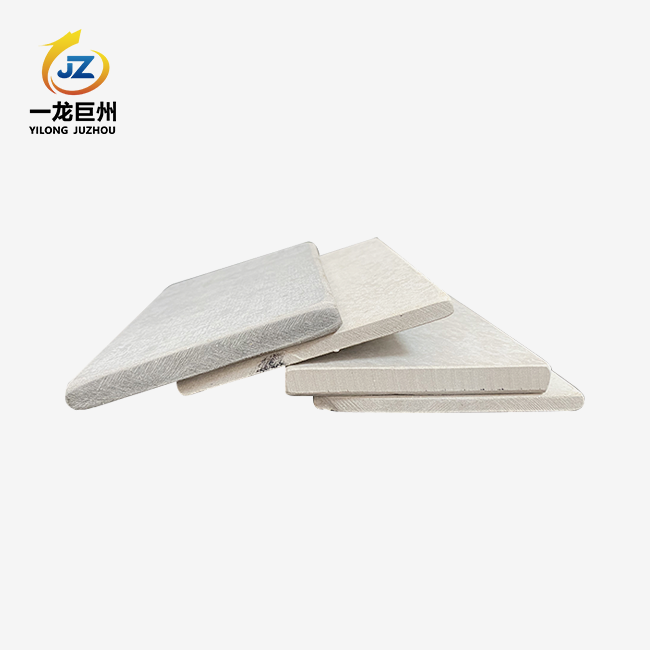
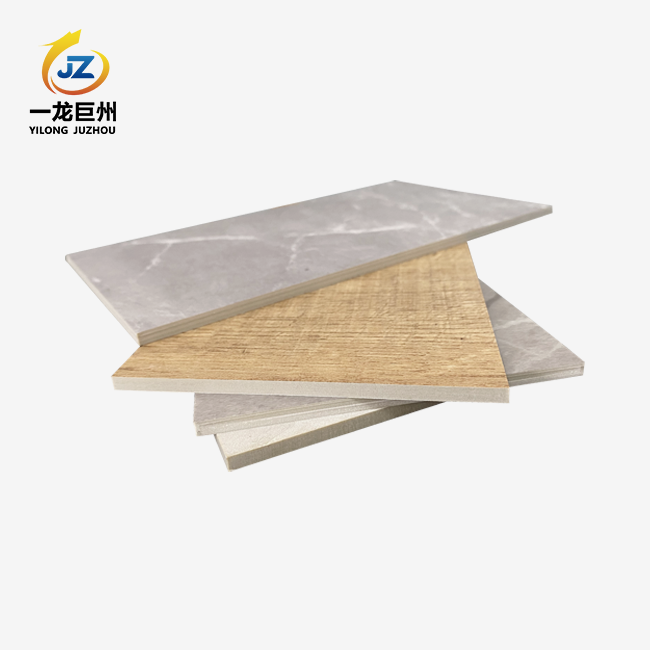
The whole story is in the cross-section of the panel. In the middle is a refractory mineral core that is rated Class A2 or B1 according to fire classification standards. On either side are aluminum skins that are 0.1 mm to 0.5 mm thick. Depending on the use, the total thickness of the panel can be anywhere from 2 mm to 6 mm. The standard widths are 1220 mm, 1500 mm, and 2000 mm. The length can be changed to any length, and panels longer than 3 meters are often made to order.

How the Surface Film Works
The top layer that sets it apart is the finish, which is a layered film made of PET, PVC, or PP. Each choice has a different set of performance characteristics. PET film is very stable in terms of its shape and doesn't react with chemicals. PVC film is very flexible when it comes to making things. PP film has a clean, odorless finish that works well in places that care about cleanliness. The coated aluminum composite panel is a green building material according to China's Environmental Protection Standard, as well as ISO and CE certifications, since none of the three options contain formaldehyde, have an odor, or give off radiation.
Benefits and Performance of Coated Aluminum Composite Panels
Why Specifiers Choose This Material
For important projects, performance data guides the choice of materials. Film-coated aluminum composite panels have ratings of Class A2 (not flammable) or Class B1 (not fire-retardant), which means they meet the fire code standards for hospitals, public buildings with a lot of people, and transit systems. The waterproof, moisture-proof, and mildew-proof design also protects against a common way for wall panels to fail: delamination and mold growth caused by moisture. This can damage both the look of the room and the air quality inside over time.

The main performance benefits that make these panels better than other wall coverings are listed below:
- Structural toughness without brittleness: The aluminum-mineral sandwich can withstand impact without breaking, so the surface stays intact in hallways with a lot of foot traffic and public concourses where walls are regularly hit by objects.
- Fabrication flexibility: The panel can be drilled, nailed, and bent, and it can be shaped into curved or angled shapes. This is very helpful when a building design calls for walls that are not flat.
- Clean environmental profile: This material is easy to request on projects that need to meet LEED, WELL, or similar green building certification standards because it doesn't release any formaldehyde or volatile organic compounds.
- Installation efficiency: The lightweight design cuts down on the time needed for fitting, and the consistent size of the panels means less cutting and waste on-site compared to larger or less accurate options.
Lower lifetime costs are a direct result of these performance traits. The initial investment will be worth a lot more after the job is finished because it will need less upkeep, never need to be painted again, and won't break down in the environment.
Types and Applications of Coated Aluminum Composite Panels
Where These Panels Perform Best
The panel's specifications cover a very large range of possible uses. As a main wall finish in office buildings, hotels, shopping malls, and meeting centers, it is used in business interior construction. In public infrastructure, it covers the inside walls of subways, airports, train stations, and stadiums, which are places with lots of people, strict fire codes, and tight maintenance schedules.
Healthcare represents one of the most exacting application categories. Hospitals, clinics, and medical beauty centers need wall surfaces that can be cleaned with chemicals over and over again without breaking down, follow infection control rules, and look clean. All three conditions are met by the coated aluminum composite panel's smooth, impermeable surface.
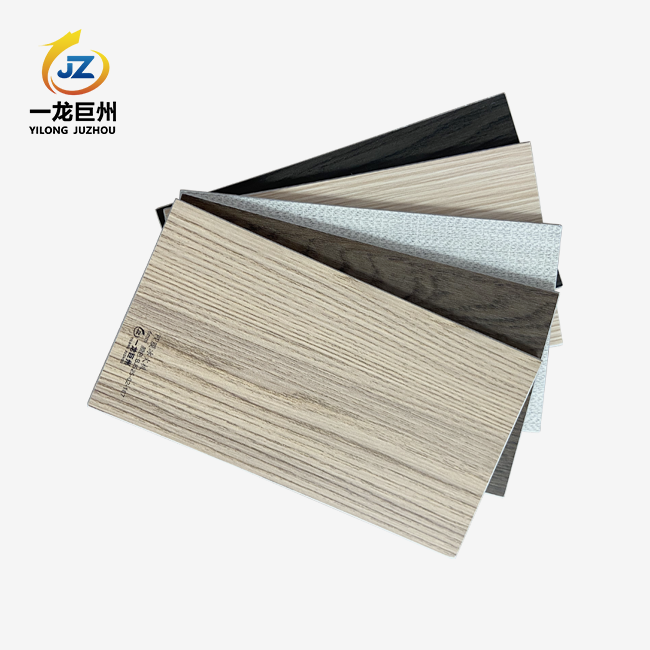
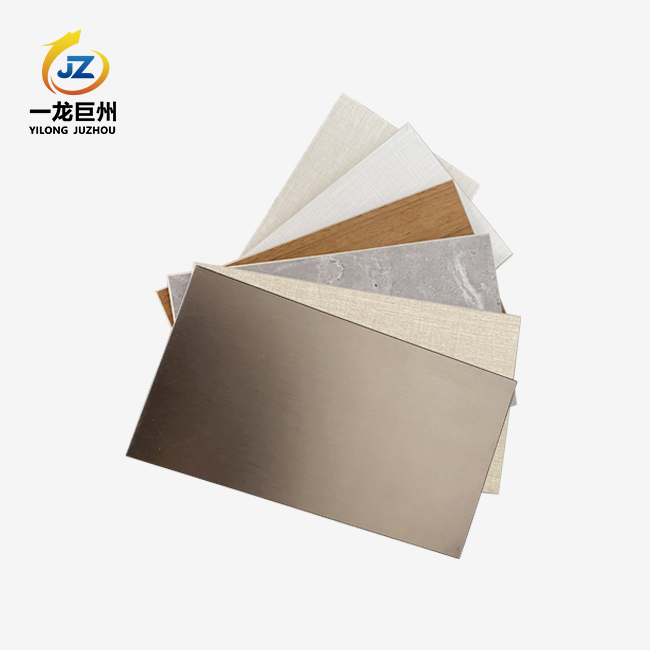
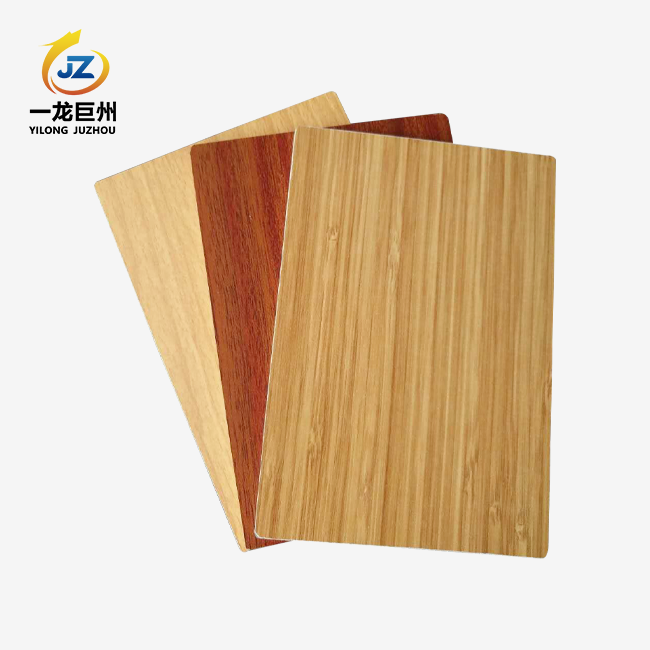
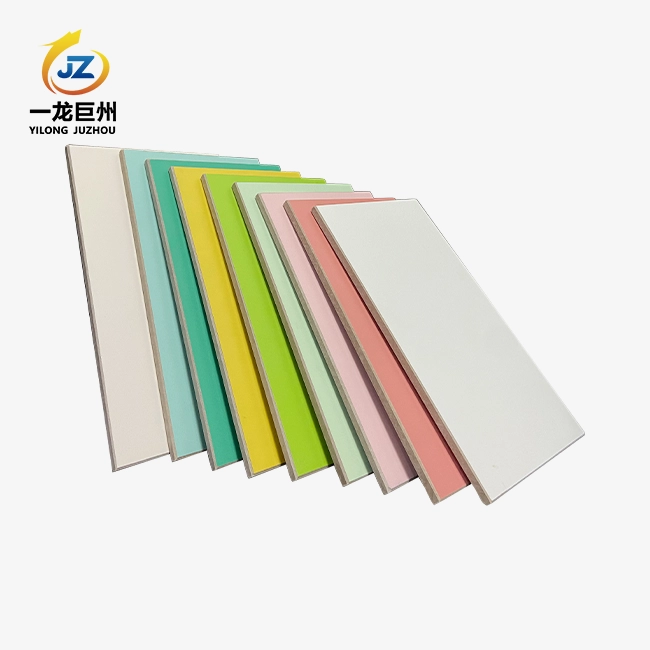
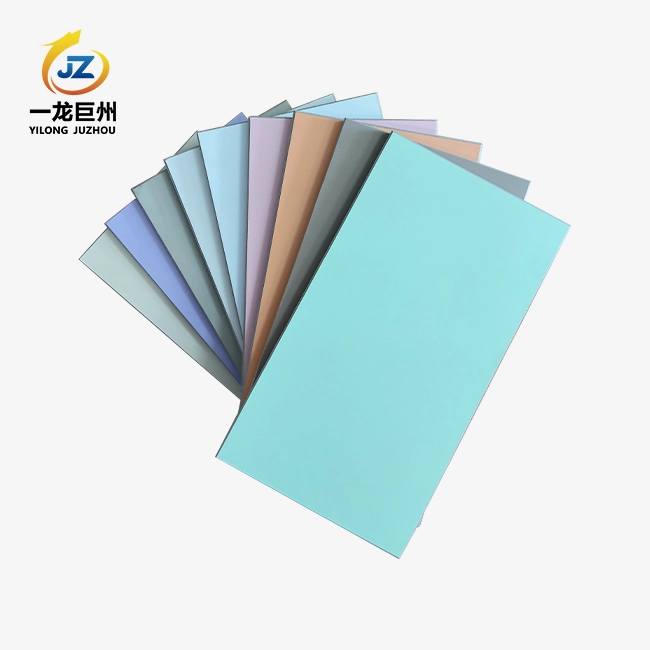
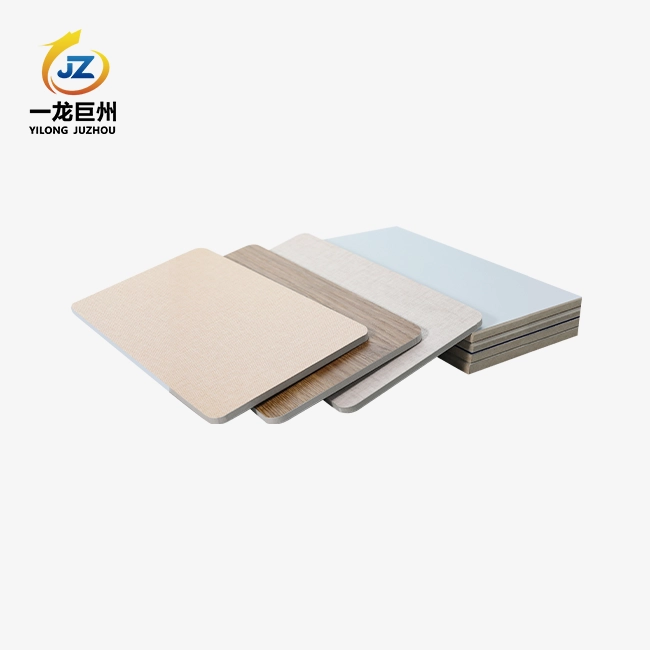
There is a wider range of styles to choose from than many buyers think. You can choose from basic colors, designs that look like wood or marble, metallic finishes, and patterns that look like cloth. This color palette lets architects and interior designers get looks that meet specific requirements without sacrificing the panel's technical performance.
Customization for Specialized Environments
Industrial and specialized buildings, like drug factories, food processing plants, and tube linings, need custom panel layouts that aren't usually possible with standard catalog goods. YILONG JUZHOU offers OEM and ODM production, which includes custom sizes, surface finishes, and fire-rating requirements. This gives purchasing teams the freedom to put compliance needs directly into a made product instead of adapting a standard one.
Procurement Considerations for Coated Aluminum Composite Panels
What B2B Buyers Should Evaluate
To properly source a coated aluminum composite panel, you need to pay attention to a number of factors that affect each other. Before making a deal with a supplier, you should ask to see their certification paperwork, such as fire classification test reports, environmental compliance certificates, and third-party quality audits. The three technical properties that most often cause problems in real life are panel peel strength, coating thickness, and batch color consistency. If you ask, reputable suppliers will give you test data for all three of these.
Lead time and stock supply have a big impact on how a job is scheduled. Between its two factories in Xi'an, Shaanxi Province, and Foshan, Guangdong Province, YILONG JUZHOU keeps a stock of 50,000 m². Standard production time is 3 to 7 days, and goods can be sent by sea from Shenzhen, Guangzhou, Shanghai, and Qingdao, or by land from Xi'an, Guangzhou, Shenzhen, and Foshan. This makes the transportation system suitable for both domestic and foreign orders.
Customization of samples is possible, and real samples will be sent out within 3 to 5 days. When buyers are doing official bids and comparing different products, real samples and full technical documentation packages give them the proof they need to make an informed buying choice.
Installation Guidance for Coated Aluminum Composite Panels
Getting the Installation Right
Panel effectiveness can only be reached when the way it is installed matches how it was designed. When installing PVC film aluminum composite panels, which are the coated aluminum composite panels with metallic or patterned finishes, the protective film must be placed in a way that follows the directional arrows on the film so that there are no visible shading differences between sections that are next to each other.

To keep the edges from coming apart, cutting should be done at steady feed rates with carbide-tipped tools. When bending, the minimum bend radius for the chosen panel width must be followed. Trying to make tighter bends on bigger panels could cause the core to break. The core composition of the panel fully supports drilling or nailing as a fastener, and the material's dimensional stability means that fixings stay in place without the creep or movement that can happen with softer core materials.
The most stable places for coated aluminum composite panels to work are indoors, where the temperature and humidity can be controlled. The waterproof and mildew-resistant construction can handle long-term exposure to high-moisture areas like commercial kitchens, pool areas, or tunnel linings.
Conclusion
Coated aluminum composite panels are a technically sound, aesthetically flexible, and code-compliant wall option that can be used in a wide range of public, institutional, industrial, and business settings. The fire-rated core construction, long-lasting film on the outside, easy fabrication, and clean environmental profile all work together to meet the needs of architects, procurement teams, and facility managers at the same time. If the function, look, and long-term value of the walls are important to the project, this type of material should be carefully considered.
FAQ
Q1: What thickness should I specify for interior wall applications?
For normal wall decorating inside, 3 mm or 4 mm panels work for most situations. Thick 5 mm or 6 mm panels work best in high-impact areas or places that need more rigidity, like transit hubs or industrial corridors.
Q2: Are these panels genuinely formaldehyde-free?
Yes. The refractory material core and surface film that are used in production don't have any formaldehyde in them, and the panels have been certified by the China Environmental Protection Standard as well as ISO and CE.
Q3: What customization options are available?
You can change the size, color, pattern on the surface, the thickness of the aluminum skin, and the fire rating. OEM and ODM production are both handled, and the manufacturing team gives expert advice on design and installation throughout the project.
Q4: How long does delivery take?
It takes 3 to 7 days to make something after an order is confirmed. It takes 3 to 5 days for buyers to get physical samples. International and domestic targets can be reached by sea and road freight.
Partner With YILONG JUZHOU for Your Next Project
With two specialized production sites and 50,000 m² of stock on hand, YILONG JUZHOU sends certified coated aluminum composite panels to customers in over 30 countries. As a reliable coated aluminum composite panel supplier, we offer OEM/ODM capability, free samples within 3–5 days, and full technical support from the time you specify the product until it is installed. Contact us at cnyang2000114@gmail.com to request samples and discuss your project requirements.
References
1. Construction Materials Science and Engineering — Kaw, A. K., CRC Press, 2018.
2. Journal of Building Engineering — "Fire Performance of Aluminum Composite Panels in High-Rise Facades," Elsevier, 2021.
3. ASTM International Standards for Architectural Metal Products — ASTM International, 2020.
4. EN 13501-1: Fire Classification of Construction Products and Building Elements — European Committee for Standardization, 2019.
5. Green Building Materials: Ecological and Health Aspects — Roaf, S., Wiley, 2020.
6. International Journal of Construction Management — "Procurement and Performance Evaluation of Interior Cladding Systems," Taylor & Francis, 2022.

Send Inquiry
Related Industry Knowledge
- A Guide to Calcium Silicate Fireproof Board
- Top Manufacturer of Calcium Silicate Fireproof Board
- Why the PP Healthy Panel is the Best Choice for Medical and Hygiene Applications?
- UV light curing board Scratch Resistance and Durability Explained
- Best Way to Paint Aluminum Composite Panel for Long-Lasting Results
- Inorganic pre-coated panels vs Organic Coated Boards Comparison
- ice fireproof board Applications in Cold Storage and Fire Safety
- What Is ice fireproof board and How Does It Resist High Heat?
- How to Prepare Aluminum Composite Material (ACM) for Painting
- Cladding Paint Aluminum Composite Panel Coating