
Coated Aluminum Composite Panel Installation Guide
October 27, 2026
This tutorial tackles a typical concern for procurement teams and engineers: how do you install a coated aluminum composite panel the right way, and what do you need to look out for along the route? A coated aluminum composite panel comprises a fire-retardant mineral core with two aluminum skins and a surface film (PET, PVC ,or PP). Whether you’re sourcing panels for a hospital corridor, hotel lobby, or airport terminal, following an established installation method protects your investment and your project timetable.
Understanding Coated Aluminum Composite Panels
Panel Structure and Core Types
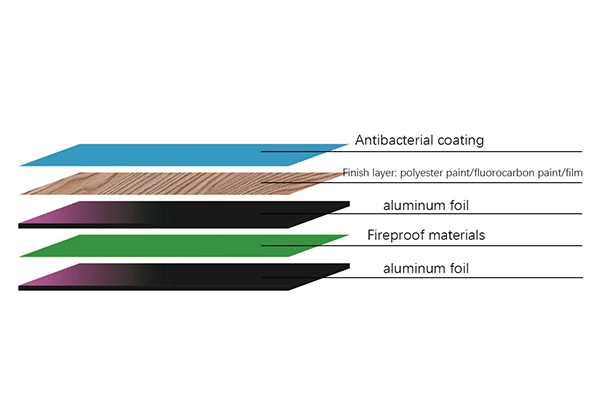
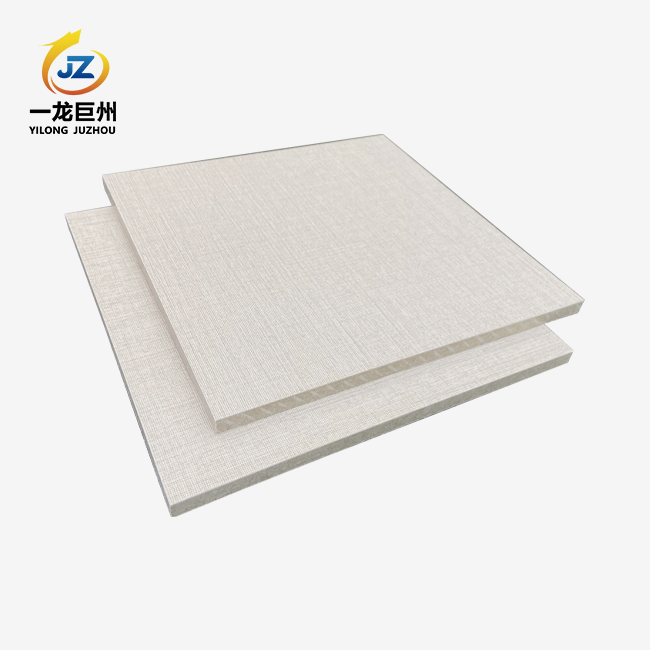
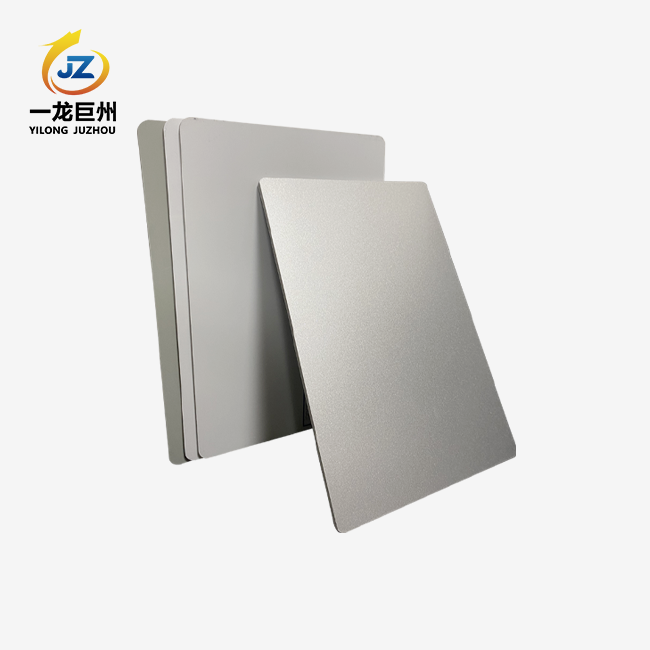
Around a refractory core, each panel bonds two aluminum skins that are between 0.1 mm and 0.5 mm thick. The height ranges from 2 mm to 6 mm, and sizes are 1220 mm, 1500 mm, or 2000 mm. Length can be changed to fit your needs, and panels taller than 3 meters can be made upon request. The mineral core gets grades of A2 or B1 for fire safety, which meet major building code standards in the US and around the world.
Surface Coating and Finish Options
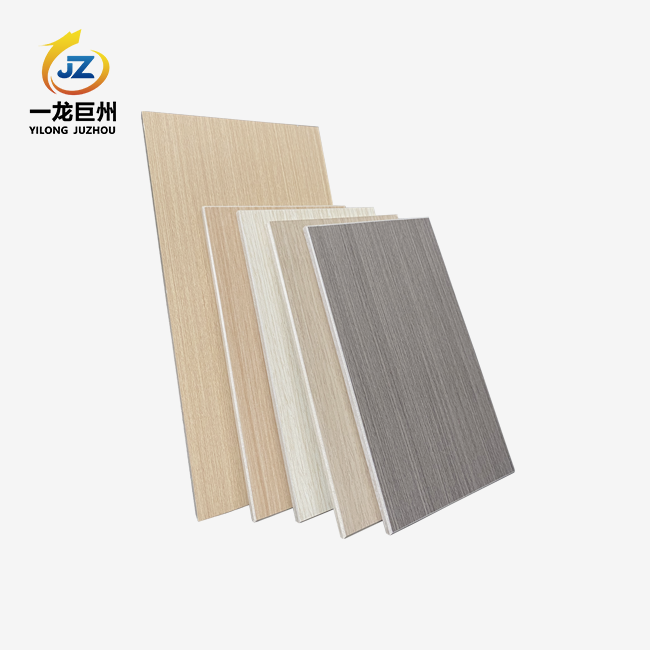
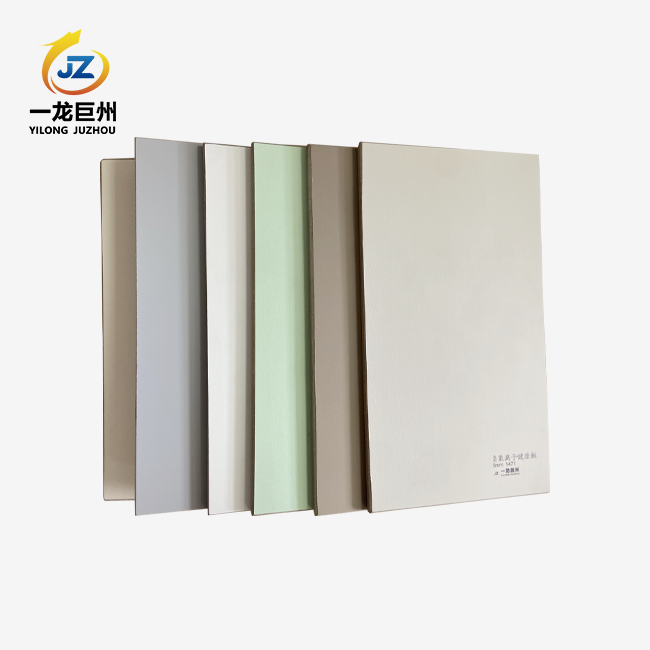
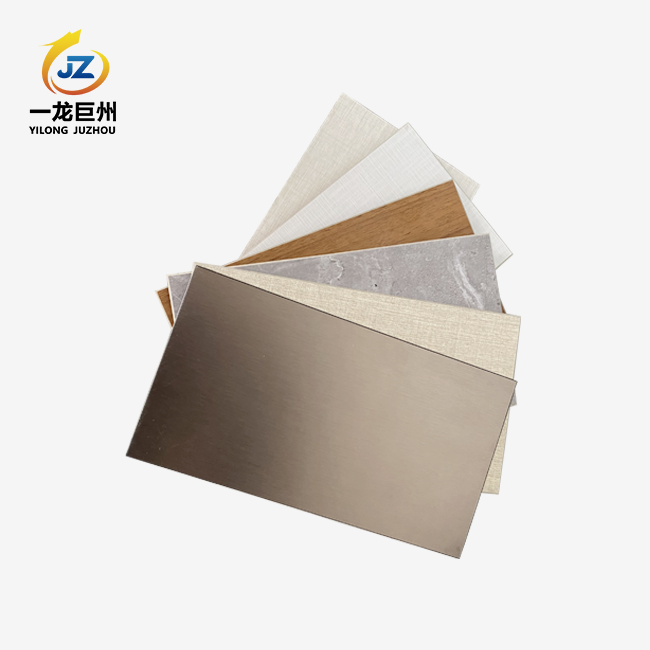
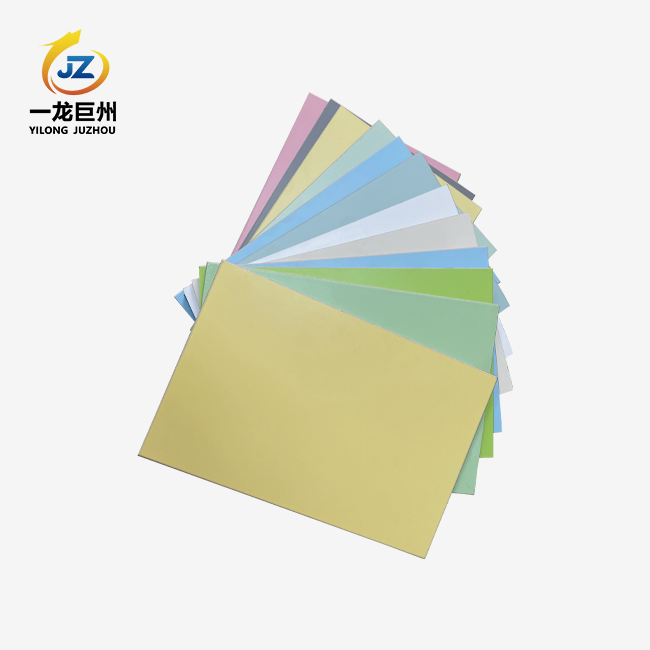
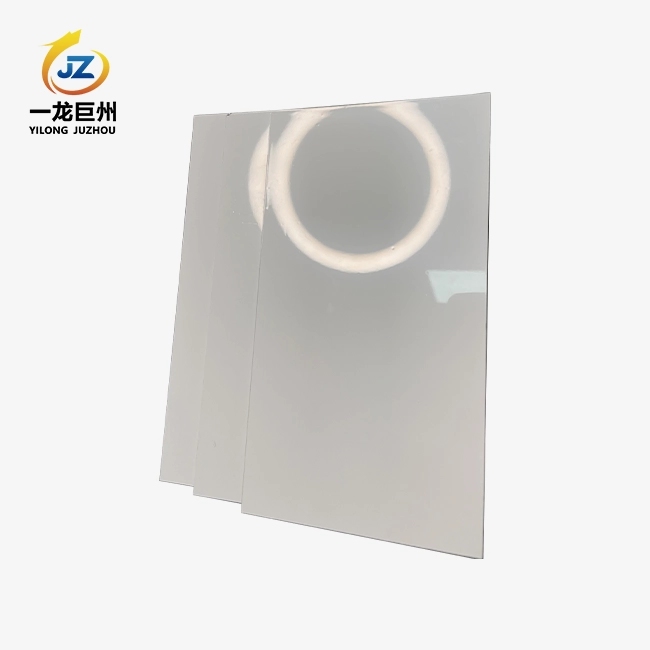
The outside layer of aluminum has a PET, PVC, or PP film that protects the finish while it's being shipped and put up. Architects have a lot of design choices when it comes to color, with options like solid color, woodgrain, marble pattern, silver pattern, and cloth pattern. PE coatings made for the inside work well in most business areas, but PVDF coatings can handle UV light and chemicals better in some situations.
Performance Properties Worth Knowing
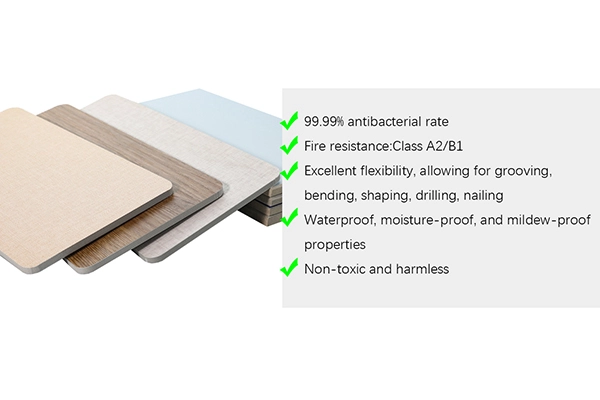
There is no formaldehyde, no smell, and no radiation in these panels, which is very important in healthcare and school settings. The panel doesn't absorb water, mold, or rust, and its peel strength is higher than 7 N/mm (ASTM D903). Fabricators can bend, drill, nail, and cut panels with standard tools because the structure is flexible. This saves time and money on-site.
Preparing for Installation: Key Considerations
Site Assessment and Substrate Compatibility
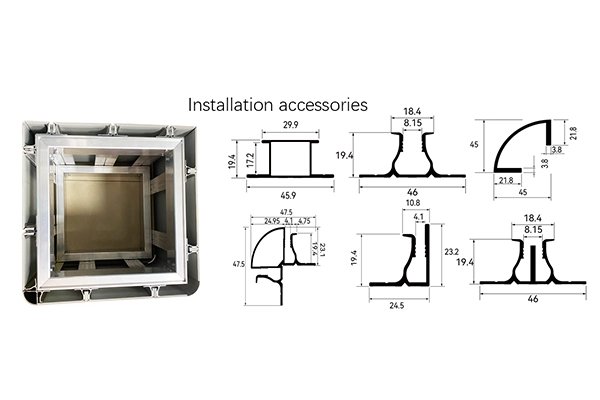
Make sure the substrate is level, dry, and free of surface contamination before the panels arrive. The substrate could be steel framing, concrete, or light-gauge aluminum extrusion. Check to see how much water is in the concrete; results above 4% can weaken glue bonds over time. These panels are resistant to moisture and mildew, so they will last for a long time in humid areas. However, the substrate still needs to be properly treated.
Compliance and Safety Standards
Check your local building codes to see what the fire-rating rules are. Inside wall paint types are governed by ASTM E84 and IBC Chapter 26 in the United States. Class A2 fire-rated screens are compatible with the strictest types of buildings, like schools, hospitals, and transit stops. Before you sign off on a purchase order, ask your supplier for test certificates and third-party paperwork.
Procurement Checklist Before the Order
If you get the specs right when you place the order, you won't have to make expensive changes in the field. Important things to check are:
- Panel thickness and skin gauge: Match structural load and deflection limits. Most interior commercial projects use 3 mm or 4 mm woodgrain aluminum composite panels.
- Color and pattern batch: Order the full project quantity in one production run to prevent shade variation between batches.
- Protective film type: Confirm whether PET, PVC, or PP film is applied, and remove it promptly after installation to avoid adhesive residue.
- OEM or ODM requirements: Custom logo, packaging, or dimension requirements should be agreed upon in writing before production begins.
-- Thickness of the panel and skin gauge: Match the limits of the structure's force and displacement. 3 mm or 4 mm panels are used for most business jobs inside.
Step-by-Step Installation Process of Coated Aluminum Composite Panels
Panel Inspection and Storage
Before accepting the panels, check each one for surface scratches, damage to the corners, or delamination when they arrive. Keep panels flat on cushion stands in a dry, well-ventilated space out of direct sunlight. To keep the core from getting too compressed, don't stack more than 20 panels per pile. Because the lead time for production is 3 to 7 days and the warehouse has 50,000 m² of stock, it's easy to plan deliveries in stages for big projects.
Fastening Methods: Mechanical vs. Adhesive
Mechanical fastening with aluminum rivets or screws into a subframe gives the strongest long-term hold and lets you change a single panel without affecting the parts next to it. Structural silicone adhesive bonding works well for flush-face applications where visible fasteners go against the design intent. In real life, most interior wall systems use both. A mechanical subframe supports the wall, and silicone seals the joints to keep water out.
Joint Sealing and Thermal Expansion
Aluminum increases by about 23 µm per meter per degree Celsius. That is about 2.1 mm of movement for a 3-meter panel that is subject to a 30°C temperature change. Leave at least a 3–5 mm expansion gap around the edges of each panel, and then fill them with a neutral-cure silicone sealant that works with them. To make sure the sealer sticks well, use it when it is dry and above 5°C. Surface flaws that can be seen under raking light can be avoided by giving joints the right amount of detail at corners and transitions.
Common Challenges and How to Avoid Them
Misalignment and Fixing Errors
Misaligned panels are usually a result of an unchecked substrate or a plan design not read properly. Draw lines with chalk on the subframe before any panel goes up; check the first row is level before proceeding. However, using a laser level on huge walls greatly reduces alignment problems. Be sure the individuals putting the film on know the directional indications on the film. Metallic and woodgrain designs are directional and must be implemented in a uniform manner.
Inadequate Sealing and Moisture Infiltration
Water may enter behind the panel system at horizontal joints if a bead of sealant is missed or poorly applied. This is particularly true in places that are cleaned often, such as hospital corridors or food processing industries. Do a methodical grid check on all the joints before handing over. Where panels meet damp regions, insert a backing rod in front of the silicone bead to regulate the depth of the sealant and help the junction endure longer.
Post-Installation Maintenance
Remove the panels and wash them with water, a soft sponge, and a light soap with a pH of 5-8. Do not use abrasive pads or alkaline cleansers such as caustic soda on the surface coating, since this will destroy it permanently. The service life is substantially longer than the usual three years since it is examined annually to ensure that the sealant is still intact and that the pressure on the fasteners.
Comparing Coated Aluminum Composite Panels with Other Panel Types
ACP vs. PVC and Fiber Cement
PVC panels are cheaper at the start, but have no comparison to marble aluminum composite panels in terms of fire rating, dimensional stability, or surface finish quality. Fiber cement panels are typically 12–18 kg/m2 heavier than ACP, which is 4–6 kg/m2, adding to the structural load and requiring more labor to install. For large projects like stadiums or conference centers, the difference in weight has a direct impact on the design of the subframe and the overall installation cost.
ACP vs. Solid Aluminum Sheet
With solid aluminum sheet, there is no possibility of delamination, but it weighs roughly 40% more than an equivalent ACP panel and is far more expensive to manufacture. As well, the hybrid construction minimizes sound transmission by roughly 25 dB, making it particularly useful in settings like medical esthetic facilities and office buildings where noise levels are critical. ACP is as hard as other materials for most interior wall applications, but it is cheaper and lighter.
Decision Criteria for Procurement Teams
To compare panel kinds, the best strategy is to take into account the safety rating, weight, cost to install, and maintenance cycle. In all four tests for interior commercial applications, coated aluminum composite panels perform consistently well. Before you decide on a final specification, you should be asking for real samples and test data from a third party. Usually, you will get both from reputable companies.
Procurement Considerations for B2B Clients
Sourcing Strategy and Supplier Evaluation
When choosing suppliers, give preference to those who can produce two kinds of goods, have established systems of quality management, and expertise in exports. YILONG JUZHOU has factories in Xianyang, Shaanxi, and Foshan, Guangdong. They use Shenzhen, Guangzhou, Shanghai, and Qingdao to transport their products to other nations. This firm has sold to 30+ nations. ISO, CE, and China Environmental Protection Standard approved. You will get a reply within 24 hours and free samples within 3-5 days.
Pricing, Customization, and Long-Term Contracts
Wholesalers and merchants may get branded or custom-sized items from OEM and ODM manufacturers, and the cost per unit is reduced via bulk ordering. The bargain is obvious for buyer teams: a three-year quality assurance covering serious difficulties. Coordinated delivery times ensure the material flow in accordance with the construction timetable so there is no unnecessary on-site storage for phased building projects.
Conclusion
The installation of coated aluminum composite panels requires care at each stage: planning, purchasing, preparing the foundation, attaching and sealing the seams. The panels are fire-rated to Class A2/B1, are water-resistant and contain no formaldehyde; therefore, they are suitable for use in commercial, healthcare and industrial environments. The material exists in a wide variety of thicknesses (2 mm to 6 mm), widths (up to 2000 mm), and surface patterns (many). It is suitable for use on almost any indoor wall project. The finish and the performance warranty are both protected by making sure the installation is right.
FAQ
1. How long does a typical ACP installation take?
Installation time varies on the size of the wall and how complicated the support is. On a simple interior wall, a two-person crew working on a prepared substrate can usually put up 80 to 120 m² per day.
2. Can these panels be used in high-humidity environments?
Yes. Because they are made to resist water and mildew, they can be used in hospital hallways, food processing plants, and train stops. Even with panels that don't absorb water, it's still important to prepare the substrate and seal the joints correctly.
3. What maintenance does the surface coating require?
Use a soft sponge and water to clean with a mild detergent (pH 5–8). Every year, check the sealing joints. Do not use rough cleaners because they will damage the top film permanently.
4. Are custom sizes and colors available?
Yes. Lengths can be changed to any length, heights over 3 meters can be made, and there are different finish choices such as solid color, woodgrain, marble, metallic, and cloth designs. We also do OEM and ODM production.
5. How do I verify fire-rating compliance before purchasing?
Ask the seller for their Class A2 or B1 fire-test certificates and make sure they match the requirements of your area code, like ASTM E84 or IBC Chapter 26 in the US.
Get a Free Sample from YILONG JUZHOU — Trusted Coated Aluminum Composite Panel Manufacturer
Since it has factories in Shaanxi and Guangdong, China, YILONG JUZHOU can send free samples anywhere in the world in 3 to 5 days. YILONG JUZHOU is a reliable company that can supply coated aluminum composite panels for industrial, commercial, and healthcare projects. They have ISO, CE, and environmental certifications, as well as a 50,000 m² stock inventory and a policy of responding to messages 24 hours a day. You can email the team at cnyang2000114@gmail.com to get a quote on your sample or project right away.
References
1. Architectural Aluminum Manufacturers Association (AAMA) — AAMA 2605 Voluntary Specification for High Performance Organic Coatings on Aluminum, AAMA, 2017.
2. ASTM International — ASTM D903: Standard Test Method for Peel or Stripping Strength of Adhesive Bonds, ASTM, 2022.
3. International Building Code (IBC) — Chapter 26: Plastic, International Code Council, 2021.
4. ASTM International — ASTM E84: Standard Test Method for Surface Burning Characteristics of Building Materials, ASTM, 2023.
5. Construction Specifier Magazine — "Aluminum Composite Material: Selection, Specification, and Performance", The Construction Specifier, 2020.
6. Building and Construction Authority — Code of Practice on Fire Precautions in Buildings: Interior Wall Finish Classifications, BCA, 2019.

Send Inquiry

Related Industry Knowledge
- melamine fireproof board Maintenance and Cleaning Best Practices
- What Is a Coated Aluminum Composite Panel?
- Calcium Silicate Fireproof Board vs. Gypsum Board: A Comparison of Fire Resistance, Moisture Resistance, and Durability
- Exterior wall ACP panel Installation: A Professional Guide
- Best Aluminum Composite Panel for Commercial Exterior Walls
- How Does a Negative Ion Healthy Panel Improve Indoor Air Quality?
- Inorganic pre-coated panels vs Organic Coated Boards Comparison
- UV Antibacterial panels vs Traditional Wall Panels: Key Differences
- Calcium Silicate Aluminum Composite Board vs Traditional ACP Panels: Key Differences
- How to Choose the Best Medical Clean Board