
melamine fireproof board Maintenance and Cleaning Best Practices
October 27, 2026
Proper maintenance of a melamine fireproof board is not just about keeping walls looking clean — it directly affects fire resistance performance, antibacterial effectiveness, and panel longevity. Built on a calcium silicate core with a fused melamine paper surface, these boards achieve Class A fire ratings and 99.99% antibacterial rates in hospitals, schools, subway stations, and commercial facilities. Without the right cleaning methods and upkeep schedule, surface degradation can compromise both appearance and safety compliance. This guide gives facility managers, procurement teams, and contractors a practical framework for maintaining these panels at peak condition.
Understanding Melamine Fireproof Board Maintenance Fundamentals
What Makes These Boards Different from Standard Wall Panels
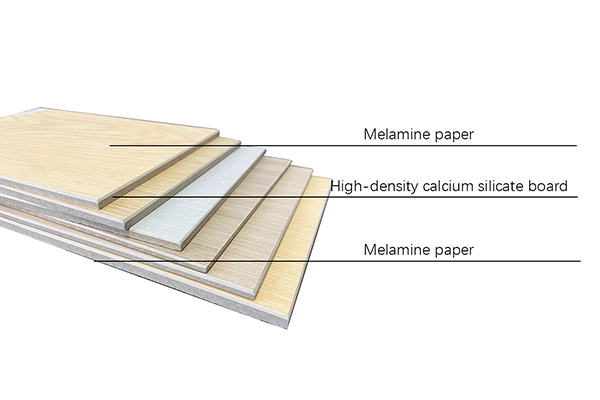
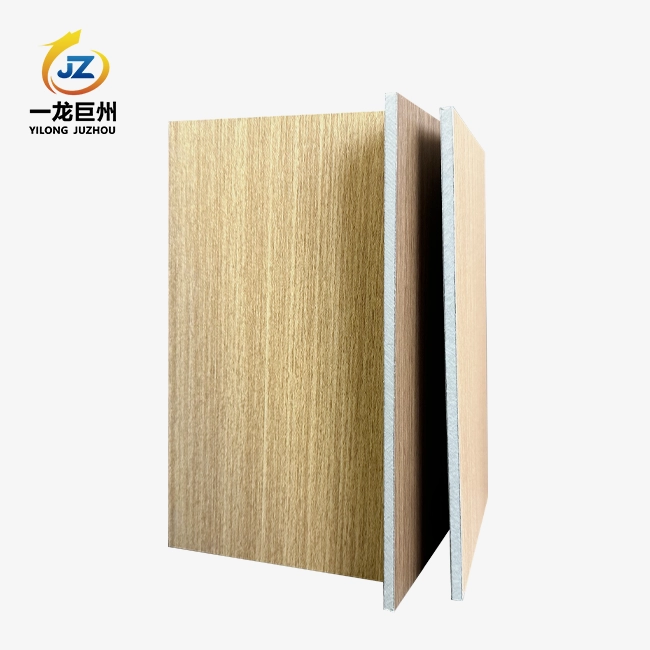
A melamine protection board isn’t like other wall coverings. The structure is composed of a calcium silicate foundation with a paper surface layer, coated on one or both sides with melamine resin. That forms a thick, non-porous surface that won’t allow water, pathogens, or fire to spread. The fire-retardant characteristics are inherent to the panel rather than a covering. This implies that the way you clean and maintain the surface is much more significant than most purchasers first realize.
How Industrial Use Accelerates Surface Stress
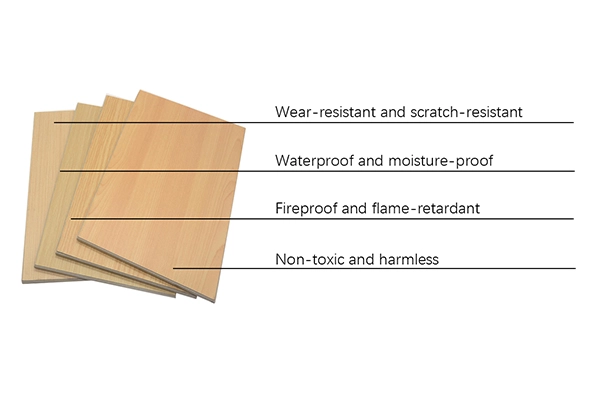
In high-traffic areas such as hospital halls, food processing factories, or transit stations, wall panels are often exposed to disinfectants, physical impact, moisture vapor, and airborne pollutants. Research issued by the American Society for Testing and Materials (ASTM) indicates that melamine surfaces might wear down over time if cleaning procedures are not suitable to the panel's chemical tolerance. Even with weak acids, this is true. A good, safe wall panel should have a surface that does not wear out or scratch easily. It slows the process down but doesn’t halt it entirely without adequate care.
Common Maintenance Challenges Procurement Teams Should Know
Procurement managers tend to focus on performance metrics up front, such as fire class and wall thickness. Maintenance considerations are less of a concern. Most typical concerns include surface darkening from cleaners not working well together, edge swelling from water coming in via joints not sealed, and micro-scratching from scratchy pads. If facility staff can identify these hazards early, they may implement the proper processes before they impact fire safety or incur costly panel replacements.
Best Practices for Cleaning Melamine Fireproof Boards
Recommended Cleaning Agents and Tools
The top layer of Melamine Fire and Ice panel is chemically safe against weak acids and bases, but it can still be damaged. A soft microfiber cloth wet with a soap solution with a neutral pH works well for daily cleaning. Mild soap and water mixtures, 70% isopropyl alcohol, or non-abrasive hospital-grade disinfectants that you can buy are all generally safe and are used a lot in healthcare settings. Only soft cloths, foam sponges, or low-pressure spray systems should be used as tools.
What to Avoid During Routine Cleaning
If you clean in certain ways, they might hurt your things more than they clean them. The following types of goods and methods should not be included in any repair plan:
- Abrasive scrubbing pads or steel wool: These create micro-scratches that compromise the surface's antibacterial density and aesthetic finish.
- High-concentration bleach or oxidizing agents: These can discolor the melamine paper layer, especially on wood grain or marble-patterned surfaces.
- Steam cleaners or pressure washers: Excessive moisture and heat directed at panel seams can penetrate to the calcium silicate core, causing edge swelling over time.
- Acetone or undiluted solvent-based cleaners: Although the cured melamine surface resists moderate chemical exposure, concentrated organic solvents can weaken surface bonding under prolonged contact.
These substances don't just hurt the way things look; they can also weaken the bond between the top layer and the base, which makes the panel less stable.
Daily vs. Deep Cleaning Procedures
Cleaning areas that get a lot of use every day shouldn't take more than a few minutes. Just wipe down with a wet, neutral cloth and dry with a clean one so that water doesn't sit at the panel joints. For a deep clean, which should be done once a month in food-processing or healthcare settings, use a diluted neutral cleanser and let it sit for two to three minutes. Then, wipe the surface clean and look at it under good lighting for any early signs of stains, scratching, or joint separation. Keep records of compliance by writing down the results of inspections.
Preventive Maintenance Strategies to Prolong Board Lifespan
Regular Inspection Schedules
Problems are identified early and don’t escalate into a safety issue. Surface delamination, discolouration, fractures at panel seams, and areas where the edge sealant may have worn away should be inspected visually every three months. Spaces with high humidity, such as commercial kitchens or medicine manufacturing spaces, should be inspected once a month. By integrating inspections into routine building maintenance rounds, the workload is minimized.
Environmental Control to Protect Panel Performance
It is sometimes forgotten how hazardous humidity can be to interior wall panels. The melamine fireproof board is waterproof and does not develop mildew. But if the humidity is over 85% RH at the borders that are not sealed, water may slowly get into the calcium silicate core. To help your panels live longer, keep the relative humidity inside between 40% and 70% RH, make sure that kitchens and bathrooms have appropriate air movement, and seal the edges of panels after they are fitted. The surface is UV cured, thus direct sunlight UV exposure isn't as big of an issue as it is with normal panels. However, prolonged direct exposure in south-facing open areas may need additional shading.
Incorporating Maintenance into Procurement Planning
Procurement teams that include maintenance throughout the design phase are able to reduce the total cost of ownership (TCO). Pick up panel sizes that are suited to the work: 8mm to 12mm for wall cladding in high-traffic areas and lighter gauges for partitions with less effect. Ask the manufacturer to include in the product paperwork package maintenance instructions. Including maintenance service periods in supply contracts, along with the supplier’s three-year quality assurance, safeguards project budgets against replacement expenditures that come out of the blue.
Troubleshooting & Problem-Solving for Common Maintenance Issues
Scratches, Surface Burns, and Staining
Small scratches on the surface of an interior wall decoration 4/5/6/8/14mm Melamine fireproof wall board safety board may typically be fixed using a manufacturer-recommended repair paste or a neutral wax solution. Accidental burn marks from heat contacting the panel may be repaired by light sanding with ultra-fine (400-grit) abrasive paper and a matching surface sealant. This will not harm the core of the panel. If neutral cleansers won't remove stubborn stains, try a 50% solution of isopropyl alcohol, applied quickly and wiped clean.
Warping and Delamination: Causes and Correction
Warping is mainly the result of poor installation, insufficient mechanical fastening, or erecting panels without allowing them to acclimate to the humidity in the structure. Panel edge delamination is usually the result of unsealed joints or the presence of concentrated moisture sources. In either scenario, the damaged panels should be removed, the base surface evaluated for water damage, and replacement panels installed with the correct gap widths and sealed edges. Trying to re-bond a bent panel back into place seldom gives permanent results.
When to Repair vs. When to Replace
A basic rule of thumb is that if the surface damage of the panel is less than 10% of the panel area and the substrate is still structurally sound, it is repairable. If there is any question about the integrity of the fire performance, such as a fractured calcium silicate core, or if the panel does not match the fire rating criteria of the building after being examined for damage, then the only course of action is to replace the entire thing. Where facilities are regulated environments, such as hospitals or transportation hubs, replacement decisions must be recorded and added to the facility’s compliance records.
Selecting Maintenance Services and Suppliers: A B2B Procurement Perspective
Evaluating Suppliers on Certifications and Documentation
A reputable firm selling melamine fireproof board should have the test certificate issued by a third party, such as ISO, CE, or China Environmental Protection Standard Certification. Check that the seller has technical data sheets, installation manuals, and documented maintenance instructions for your individual product. The more money suppliers spend on post-sale paperwork, the more liable they are for the long-term performance of items. This is a very critical element for procurement teams that are responsible for managing construction projects that are distributed over many locations or multiple stages.
Aligning Maintenance with Supply Chain Strategy
For sellers, huge developers, and institutional customers who are in charge of ongoing maintenance projects, supply continuity is as vital as product quality. Suppliers with 2 manufacturing sites and total panel stock of 50,000 m2 or more are less likely to face maintenance delays due to shortage of materials. In the supply chain conversation, inquire early on about wait times, OEM/ODM possibilities, and whether a bespoke color or finish can be done. This will guarantee that all replacement maintenance parts will match the original installation standards without any noticeable deviations.
Conclusion
Taking good care of your melamine fireproof board preserves your investment, keeps you in line with fire safety regulations, and adds years to the life of your panels. The techniques described in this guide—use of suitable cleaning agents, periodic inspections, environmental control during installation, and maintenance planning during procurement—are applicable to commercial buildings, healthcare institutions, industrial spaces, and transportation infrastructure. The board’s Class A fire certification and 99.99% antibacterial efficacy are enduring features, but they’re most effective when supported by persistent, knowledgeable maintenance. Choosing the proper provider with good technical support from the start makes it much simpler to provide that care.
FAQ
1. Can I use bleach to clean a melamine fireproof board?
Diluted bleach at concentrations below 1% is generally tolerable for brief contact, but regular use is not recommended. High-concentration bleach can discolor melamine paper surfaces, particularly wood grain or marble finishes. Neutral pH hospital-grade disinfectants are a safer alternative for environments requiring strong sterilization, such as operating rooms or food processing facilities.
2. How often should fireproof wall panels be inspected?
In standard commercial applications, quarterly inspections are sufficient. In healthcare, food processing, or high-humidity environments, monthly inspections are more appropriate. Inspections should check for surface cracks, delamination, staining, edge seal integrity, and any visible impact damage.
3. Does the fire resistance degrade over time with normal use?
The Class A fire resistance of a calcium silicate-core melamine fireproof board does not degrade from normal cleaning or surface wear. However, physical damage to the panel core — from impact, moisture infiltration, or improper cutting — can affect structural integrity and should be assessed by a qualified inspector.
4. What panel thicknesses are best suited for high-traffic walls?
For heavy-use environments such as hospital corridors, subway stations, or hotel lobbies, 8mm to 12mm panel thicknesses offer the best balance of impact resistance and wall load. Thinner gauges (4.5mm to 6mm) are suitable for low-contact partition surfaces or ceiling applications.
5. Is it possible to replace a single panel without replacing the whole wall system?
Yes. The pressure strip installation system used with these panels supports single-panel removal and replacement. This significantly reduces maintenance labor and material costs in phased facility upkeep programs, provided the replacement panel matches the original color code and finish specification.
Contact YILONG JUZHOU — Your Trusted Melamine Fireproof Board Manufacturer
Bleach that is diluted and has a concentration of less than 1% is usually safe for short contact, but it shouldn't be used often. Bleach with a high percentage can change the color of melamine fireproof board, especially if it has a wood grain or marble finish. Neutral pH hospital-grade disinfectants are a better choice for places that need to be very clean, like surgery rooms or food processing plants. Email us at cnyang2000114@gmail.com right away to get a trial or bulk price.
References
1. ASTM International. ASTM E84: Standard Test Method for Surface Burning Characteristics of Building Materials. ASTM International, 2023.
2. National Fire Protection Association. NFPA 101: Life Safety Code. NFPA, 2021.
3. International Organization for Standardization. ISO 5660-1: Reaction-to-Fire Tests — Heat Release, Smoke Production and Mass Loss Rate. ISO, 2015.
4. U.S. Environmental Protection Agency. TSCA Title VI: Formaldehyde Standards for Composite Wood Products. EPA, 2017.
5. American Institute of Architects. Architect's Handbook of Professional Practice, 15th ed. Wiley, 2014.
6. Building Research Establishment. BRE Global Fire Testing and Classification of Building Products: A Practical Guide. BRE Press, 2019.

Send Inquiry

Related Industry Knowledge
- Calcium silicate fireproof board vs Gypsum Board: Which Is Better?
- Why Use Medical Clean Board in Operating Rooms?
- What Is the Best Exterior wall ACP panel for Modern Facades?
- A2 Aluminum Composite Panel for High-Rise Fire Safety
- ACP Sheets: Pros, Cons, and Uses Explained
- How Durable Are Calcium Silicate Aluminum Composite Boards in Harsh Environments?
- Why Is Negative Ions Panel Ideal for Eco-Friendly Interior Wall Decoration?
- Best Way to Paint Aluminum Composite Panel for Long-Lasting Results
- What are the common issues faced during aluminum panel installation, and how to avoid them?
- Things to Know About Aluminium Composite Panels