
Exterior wall ACP panel Maintenance Tips for Long-Term Performance
November 16, 2026
To properly maintain an exterior wall acp panel, it should be examined often, gently cleaned with a neutral detergent, sealed and mended immediately, and any faults should be noted. Every six to twelve months and after a storm, check the building's front. Scrub everything with a gentle cloth and clean water. Stay away from harsh instruments. Prevent water from reaching the metal by fixing coating defects. Core, coating, and fire rating should match building height and climate. They'll look better, last longer, and cost less to repair.
Understand Exterior Wall ACP Panel Construction and Maintenance Risks
You can find problems faster if you know how the cladding is put together.
Key Components of an Exterior Wall ACP Panel
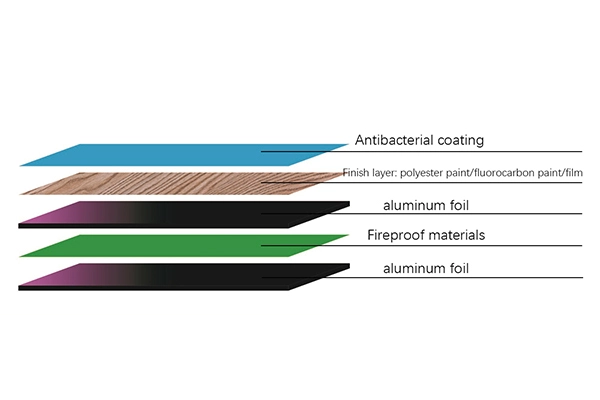
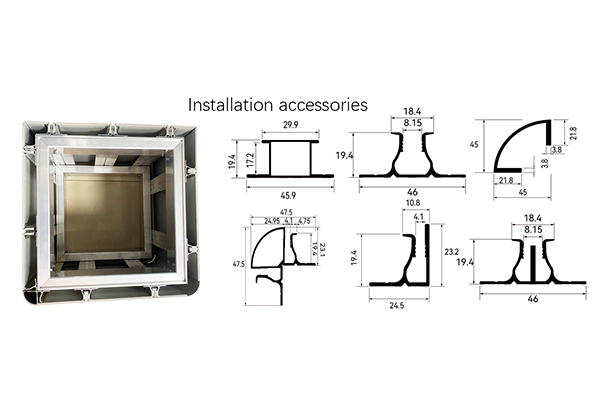
A core is filled with two aluminum skins that are glued together. A coating is then put on top to protect the core. The picture shows an exterior wall acp panel. Behind it is a subframe that makes a hole in the wall so air can flow. It's held together with sealants and fasteners. Different parts of something age in different ways. The brackets rust, the paint comes off, and the sealants get smaller. If a joint breaks or a screw comes loose, it can damage a panel more quickly than the weather. Take a look at the system as a whole. What kind of core it is is also important. Every time I do maintenance, I write down the core because mineral or A2 cores are less likely to catch fire than polyethylene cores.
How Panel Specifications Influence Service Life
You can tell how well a panel takes dents and waves by its thickness, skin gauge, panel size, and support spacing. Huge walls with thin skins are more likely to oil can, and heat can't move through rivets that are too tight. The type of fire also changes how things are planned. On page 14 of the 2021 International Building Code, it talks about metal composites. NFPA 285 may say that the wall assemblies of some taller buildings need to be tested. Keep the original datasheet on file so that it matches the product that was put in after it has been fixed.
Environmental Conditions That Accelerate Deterioration
UV rays, strong winds, salt from the coast, and high humidity all hit different weak spots. Parts and edges get dirty and salty over time. UV light breaks down pigments and resins, which makes colors fade and chalk. Fixed parts can move when the wind blows, and aluminum and open joints can also move when the weather changes. This isn't a good place to check on buildings very often, and I believe that places where salt or traffic film builds up should have extra wash cycles added.
Set Up a Practical Inspection Schedule
When you plan ahead, you can find small problems early on and fix them for a low cost.
Recommended Inspection Frequency
Walk around the front of the building once a month or every three months if you live near the shore, an industrial region, a lot of people, or a windy location. Get a complete checkup every 6–12 months. A storm, hail, earthquake, construction, or other event may have damaged it. Check again. A joint seal or scratch repair prevents water from reaching the core. Early repair is cheaper than panel replacement. Match the exposure to the calendar and timeframe.
What to Check and How to Document It
Inspectors should ensure the panels are level and straight. They should also inspect the coating for cracks, scratches, sealant holes, screws, drainage, and air holes. List and photograph each fault on an elevation drawing. Score its severity. Record the sheet's specifications and fixes in one file. This documentation helps with insurance, warranty claims, and future purchases. It shows the fastest-aging heights. High-rise buildings and other hard-to-reach areas need façade workers and the necessary gear.
Post-Storm and Incident Checks
When inspecting an exterior acp panel, avoid areas with loose panels, deformation, or dangling pieces until someone with the necessary expertise cleans it up after it rains. Water damage, being struck or moved, fire, and smoke damage should be checked. Drawing and writing down dates show how things have changed since the previous check. One open joint lets rain creep under the siding, making it invisible. You must act fast.
Clean and Protect the Coating Correctly
When you clean the front of the building, it looks better and lasts longer.
Routine Cleaning Procedure
Clean up any dust that's lying around with a soft brush or clean water first. It can be cleaned with a soft cloth and a soap that doesn't have a strong or weak pH. Go down from the top. Dry with a soft cloth and make sure you rinse well so there are no streaks. Most places only need to be cleaned up once a year. However, places near factories or the coast may need to be cleaned up more often. First, try something new in a small, hidden place.
Methods to Avoid and Stain Removal
You shouldn't use steel wool, rough pads, metal scrapers, strong acids or alkalis, or solvents that haven't been approved. These things are bad for the clear coat and can even take it off. Strong jets of water can also get into joints. Use a mild cleaner and touch the surface more slowly instead of hard to get rid of tough stains like grease, bird droppings, algae, or traffic film. Get rid of the building waste right away, before it gets hard. If you can't get the stain out, ask the person who made the panel what kind of cleaner works best on that finish.
Choosing a Coating That Is Easier to Maintain
The amount of maintenance depends on the type of coating used. A lot of people choose PVDF finishes that have at least 70% resin and have been tested to meet AAMA 2605 standards to cover the outside of their homes. For that reason, tests must be done after ten years of exposure in South Florida. Polyester coatings work well inside and when it's not too hot or cold. The polyester paint finish on our ACP panels makes them look nice on the inside of walls. If you want to use them outside for projects, you should first look at the coating, fire class, and test reports. Find out what the difference is in color between the big facades to make sure that each batch is the same.
Maintain Joints and Repair Damage
Joints, Sealants, and Fixings
When inspecting an exterior ACP panel, check for splits, cracks, shrinkage, colour changes, and poor sealant. Check for corroded brackets, loose screws, misaligned panels, and unfilled fractures. This sealant may not work with ACP or other materials. Try another. Know the joint's width and movement before doing this. Damp areas, mould, and water stains inside might indicate leaks. Empty drains and air openings to dry the area.
When to Repair and When to Replace
A manufacturer-approved touch-up paint may sometimes restore tiny scratches and coating marks if you cover the aluminium and core. Get a new one if it has deep scratches, holes, delamination, bubbling, severe corrosion, loose panels, deformation, or visible cores. Examine each flaw's appearance, water resistance, structural stability, and fire resistance. Take care of the core immediately since it's more likely to become wet or catch fire outside.
Specifying Replacement Panels
The replacement panels should match the old ones in thickness, core, colour, and finish. The same method should be used to connect them. Keep some extra stock from the initial purchase to avoid colour discrepancies. This is crucial for metallic or bespoke finishes. We provide ACP panels in any length, width (1220, 1500, or 2000 mm), and thickness. With 50,000 m² of inventory, we can produce items in 3-7 days. We do OEM/ODM.
Plan for Long-Term Performance and Compare Materials
The maintenance will follow the plan that was made before the first panel was put up.
Installation and Procurement Factors
The right way to fold, cut, store, and handle things will keep their edges from getting bent or damaged. The supports should be spaced out based on the size of the panels, the wind speed, the building's height, and the way the heat moves. All of your RFQs should have technical details, samples, test reports, warranty terms, maintenance instructions, and paperwork for export. You can show your team a sample first to make sure they like the color, finish, and how flat it is. You can get free samples, and most of the time they get to you in 3–5 days.
Exterior Wall ACP Panel Compared With Other Cladding
What the fire rules are and how to fix ACP are some things that need to be looked into. Metal sheet is thicker and heavier than ACP. Fiber cement makes things look rougher, but you have to cut it, mix it with water, and put it back together in a different way. Different HPL panels have different fire ratings, weather resistance, and impact resistance. You should not only compare prices, but also look at how exposed the building is, how long it will last, how skilled the workers are in the area, and the building codes.
Measuring Maintenance Results
Write down how often things go wrong, how much it costs to clean an area of one square meter, how long it takes to fix something, and any times water gets in, something rusts, or something comes off. Do not mix up the warranty life, the useful life, and the life of how it looks. They might be different. On the next project, you can use it to compare trims, finishes, thicknesses, and repair types. Because they made it, you should ask them about fire, adhesion, weathering, and corrosion resistance. The China Environmental Protection Standard, ISO, and CE have all cleared our goods, and we promise that they will be of good quality for three years.
Conclusion
It is necessary to regularly inspect an exterior wall ACP panel façade and repair any problems immediately. You must know who constructed it. The core, the thickness of the aluminium skin, the coating, and the fire rating are what influence how long anything lasts. Damage might happen more slowly with salt, UV radiation, pollution, wind, and variations in temperature. The coating is cleaned with a light detergent, and water is kept out by heavy screws, sealants and joints. If panels have separated, their cores are exposed, or they have deformed, they should be replaced with matching panels. Small scratches may be repaired. See which parts and finishes look best - look at the pricing and inspection records. Don’t only look at the price of ACP, aluminium sheet, fibre cement and HPL. Compare them by looking at how much they cost throughout their complete life.
FAQ
Q1: How often should I clean exterior ACP panels?
A lot of people start with once a year. More often, you should wash areas near water, in factories, or where a lot of people walk by.
Q2: Can I use a pressure washer?
Pressure below that is all you need. What you need to do to use the panel is written on it. Make sure you follow them because high-pressure jets can damage coatings and force water into joints.
Q3: How do I repair a scratched or dented panel?
If the coating gets a small scratch, you should use an approved system to fix it. If the panels have deep scratches, holes, separation, or cores that you can see, you should get new ones.
Q4: What should I request from a supplier?
Find out about the coating and fire tests, get samples of the finish, find out about the warranty, and get instructions on how to keep the item in good shape.
Plan a Lower-Maintenance Exterior ACP Panel Façade With YILONG JUZHOU
In order to compare exterior wall acp panel suppliers, developers, contractors, and distributors can get in touch with YILONG JUZHOU. We sell ACP panels that are between 2 and 6 mm thick and can handle Class A2/B1 fires. We also offer a quality guarantee that lasts for three years. Before giving you a quote, we talk with you about what you need on the outside. Email cnyang2000114@gmail.com to tell us about your project. We'll get back to you in 24 hours.
References
1. International Code Council, International Building Code, 2021
2. National Fire Protection Association, NFPA 285: Standard Fire Test Method for Evaluation of Fire Propagation Characteristics of Exterior Non-Load-Bearing Wall Assemblies Containing Combustible Components, 2023
3. American Architectural Manufacturers Association, AAMA 2605: Performance Requirements and Test Procedures for Superior Performing Organic Coatings on Aluminum Extrusions and Panels, 2022
4. ASTM International, ASTM E84: Standard Test Method for Surface Burning Characteristics of Building Materials, 2023
5. European Committee for Standardization, EN 13501-1: Fire Classification of Construction Products and Building Elements, 2018
6. ASTM International, ASTM G154: Standard Practice for Operating Fluorescent Ultraviolet Lamp Apparatus for Exposure of Nonmetallic Materials, 2023

Send Inquiry



Related Industry Knowledge
- What Is a Coated Aluminum Composite Panel?
- Medical Clean Board for Hygienic Wall Panel Systems
- Medical Clean Board in Modern Healthcare Construction
- ACP Sheets: Pros, Cons, and Uses Explained
- Interior and Exterior Applications of A2 Aluminum Composite Panels
- ice fireproof board Structural Composition and Material Science
- Fiberglass Resin Board: Composition, Performance, and Industrial Applications
- How to clean an aluminum composite panel?
- How to spray paint on aluminum composite panels
- Antibacterial wall panel medical rigid sheet wall protection