
Medical Clean Board for Hygienic Wall Panel Systems
October 15, 2026
When a healthcare facility chooses the wrong wall material, the consequences extend far beyond aesthetics. Bacterial colonization on porous surfaces contributes directly to hospital-acquired infections (HAIs), which affect approximately 1 in 31 hospitalized patients on any given day in the United States, according to the CDC. A medical clean board offers a purpose-engineered solution — combining an inorganic calcium silicate substrate with a UV-cured antibacterial surface coating or PVC film to deliver measurable, long-term hygiene performance across high-demand interior environments.
Understanding Medical Clean Boards in Hygienic Wall Panel Systems
What Makes a Medical Clean Board Different
In contrast to regular drywall or painted stone, a hygienic wall panel with a calcium silicate core prevents infections at the material level. The medical clean board from YILONG JUZHOU has a UV antibacterial covering that kills 99.99% of germs, such as Staphylococcus aureus and E. coli, according to ISO 22196 testing guidelines. The UV-curing process makes a thick, cross-linked film on the surface that stops off-gassing completely. This means that the room has no smell and can be used right away after installation.

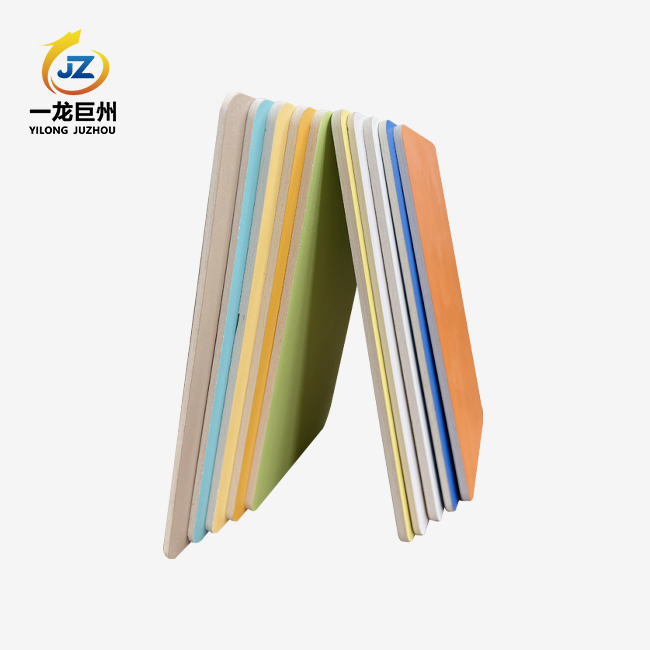
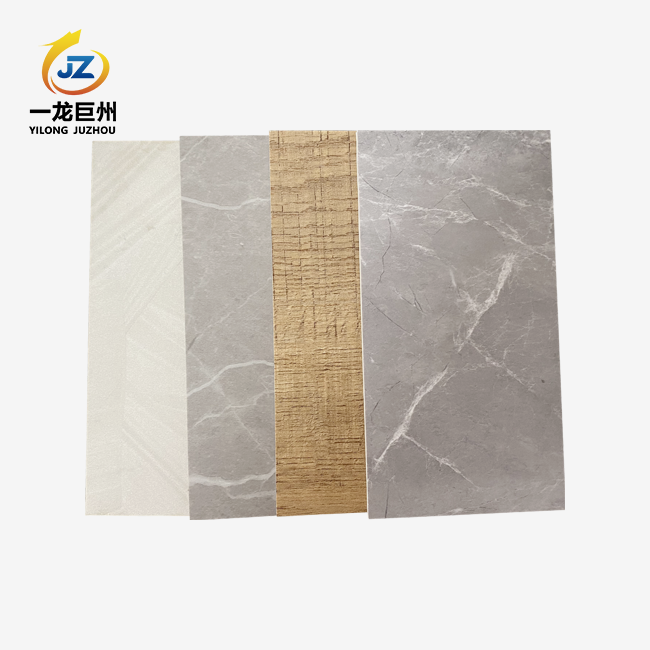
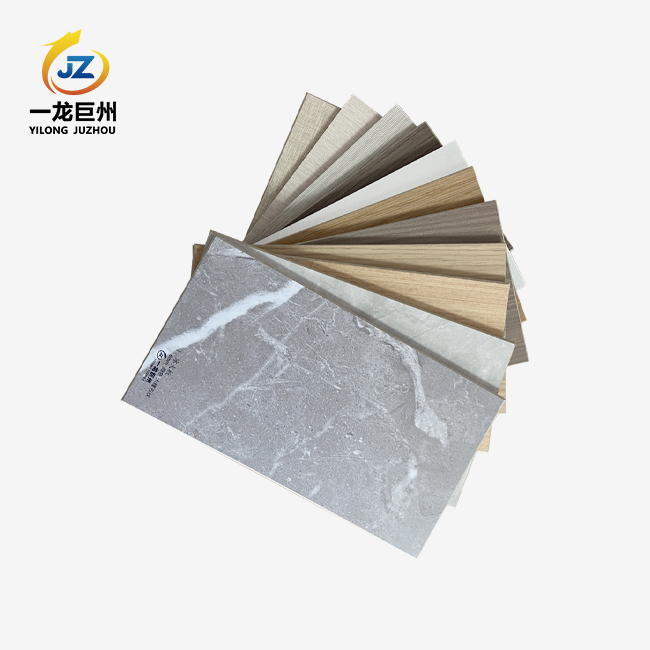
These panels come in thicknesses from 4.5 mm to 20 mm, with a standard width of 1220 mm and lengths of up to 3050 mm. This means that they can be used on almost any commercial wall height without any seams. There are single-color, woodgrain, marble, metallic, and cloth pattern surface finishes. This gives builders and artists real freedom without losing clinical performance.
Where These Panels Are Deployed
The Medical purification board has a wider range of uses than what most procurement professionals think at first. Antibacterial wall cladding systems are used in more places than just hospitals and operating rooms. They are often chosen for medical aesthetic centers, pharmaceutical manufacturing zones, food processing plants, pet hospitals, schools, shopping malls, subway stations, and stadiums. Any place where preventing infection, keeping things dry, and keeping things looking clean are all valid application contexts.
Comparing Medical Clean Boards with Other Board Types for Healthcare Use
Performance vs. Traditional Materials
Most of the time, ceramic tile is used as a reference. When tiles are put down, grout lines make grooves where biofilms can grow and fight normal cleaning methods. Epoxy paint looks smooth at first, but it chips when the cart hits something, and it needs to be reapplied with a high-VOC paint that closes clinical areas temporarily. Traditional stainless steel is good at resisting chemicals, but it costs a lot more and shines brightly in hospital lighting.

These trade-offs are not present in a hygienic wall panel made of calcium silicate. The main performance characteristics are shown below for each type of material:
- Antibacterial performance: The UV-cured surface layer delivers a 99.99% antibacterial rate — a result that neither standard tile nor epoxy paint achieves without dedicated antimicrobial additives that degrade over time.
- Fire classification: YILONG JUZHOU's panels meet GB8624 Class A non-combustible standards, positioning them alongside mineral fiber and fiber-reinforced cement boards at the highest fire safety tier.
- Chemical resistance: The cured film withstands hospital-grade disinfectants, including chlorine-based agents, without pitting, yellowing, or surface delamination, unlike standard PVC wall systems.
- Impact resistance: The calcium silicate core absorbs mechanical stress from equipment carts and door edges without cracking or denting — a critical durability factor in corridor and operating theater environments.
All of these features make the medical clean board a strong alternative to older materials in both new construction and renovation projects, especially when lifecycle cost and compliance documentation are both important factors in the decision-making process.
Maintenance and Cleaning Best Practices for Medical Clean Boards
Daily and Periodic Care Protocols
One benefit of a UV-coated antibacterial wall system that isn't often talked about is how much easier it is to keep up. Because the surface isn't porous and doesn't soak up liquid, daily wiping down with weak quaternary ammonium or alcohol-based medical disinfectants based on alcohol gets rid of all the germs without leaving any residue.
For facilities that clean terminals between patients, especially in ICU bays or isolated rooms, the protected surface can handle being touched by disinfectants many times without wearing down. Every six to twelve months, you should check the sealant integrity at the joints where pressure strips were installed. Within the usual three-year warranty period covered by YILONG JUZHOU, there is no need to sand, paint, or resurface.
Extending Panel Service Life
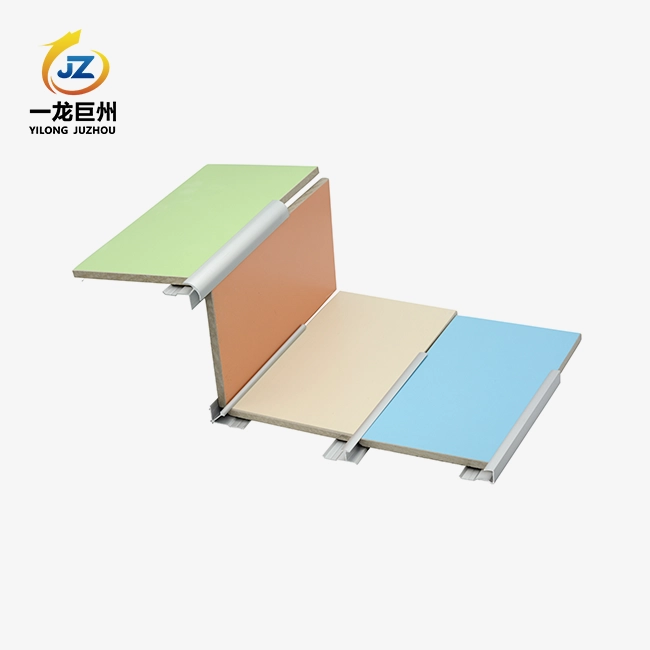
Correct placement has a direct effect on how long something lasts. The YILONG JUZHOU quick pressure-strip fastening method doesn't have direct adhesive contact with the base, so there is less thermal stress at the edges of the panels. Panels are made to order in the factory to fit the exact dimensions of the room. This eliminates the need for field cutting and the dust that comes with it. If it is installed correctly, the structure should last more than fifteen years without losing its surface.
Selecting and Procuring the Right Medical Clean Board for Your Facility
Evaluation Criteria That Matter in B2B Procurement
Hospitals, drug companies, and other institutions often have procurement managers who have to balance three different types of pressure: following rules, staying within budget, and meeting construction deadlines. All three must be taken care of at the same time by a medical cleanroom provider. Important criteria for evaluation are:
- Certification documentation: Confirm fire classification (GB8624 Class A), environmental certification (ISO, CE, China Environmental Protection Standard), and antibacterial test reports before shortlisting any supplier.
- Customization capability: Facilities with non-standard room heights or branded color requirements need OEM and ODM production support. YILONG JUZHOU accepts both, with production lead times of three to seven days from confirmed specifications.
- Sample availability: Physical verification of surface hardness, color consistency, and coating adhesion matters more than specification sheets alone. Free samples are available from YILONG JUZHOU, typically dispatched within three to five business days.
As normal evaluation steps for the Hospital antibacterial board, material selection groups are asking for cross-cut adhesion tests (ASTM D3359) and stain resistance checks with iodine or methylene blue more and more. Suppliers who offer sample sets that have already been tried speed up this evaluation step by a large amount.
Supplier Reliability and Stock Position
Supply continuity is a must for big healthcare or infrastructure projects. YILONG JUZHOU keeps an inventory of 50,000 m² in three production bases in Xianyang, Shaanxi, and Foshan, Guangdong. This allows them to meet both pressing purchase requests and project deliveries that are spread out over time. Shipments going out of the country go through Shenzhen, Guangzhou, Shanghai, and Qingdao. Shipments going in the opposite direction can go through Xi'an, Guangzhou, Shenzhen, and Foshan.

Installation, Ordering, and Logistics of Medical Clean Boards
Streamlined Process from Order to Occupation
With the factory-customized pressure-strip installation method, the building plan doesn't have to deal with as many problems. Panels come already cut to the right size, so there isn't much work to do on-site, and you don't need any special tools. For big jobs, installation can happen at the same time as other trades, which shortens the total time it takes to finish.
You can get bulk discounts when you buy a lot, and the three-year quality guarantee gives procurement teams extra legal protection on top of the standard product warranty. The in-house technical team at YILONG JUZHOU helps with installation and product specifications throughout the entire project lifecycle and answers questions within 24 hours.
Conclusion
Infection control, fire safety, moisture management, and design flexibility are all covered by a hygienic wall panel system made on a medical clean board substrate. The calcium silicate core, UV-cured antibacterial surface, and flexible installation system make this wall option work well for years of professional use while still being easy to clean. YILONG JUZHOU's product line provides a proven solution to the wall specification problem for procurement workers in the US and other countries in charge of healthcare, pharmaceutical, or public building projects.
FAQ
Q1: Does the antibacterial coating lose effectiveness over time?
YILONG JUZHOU's UV-cured coating creates a permanent cross-linked film rather than a topical spray application. The antibacterial properties are embedded within the cured layer, and laboratory testing confirms retention of the 99.99% antibacterial rate throughout the panel's service life under normal cleaning protocols.
Q2: What thicknesses are available for structural wall applications?
Panels are available in 4.5, 5, 5.5, 6, 8, 10, 12, 15, 18, and 20 mm thicknesses. Thicker configurations are typically specified for high-impact zones such as corridors in hospitals or processing aisles in pharmaceutical facilities.
Q3: Can panels be customized for non-standard room dimensions?
Yes. OEM and ODM production is fully supported. Maximum panel height reaches 3050 mm, accommodating most commercial interior heights without horizontal seams. Custom color matching and surface pattern selection are available through the standard ordering process.
Q4: What certifications support hospital tender submissions?
YILONG JUZHOU panels carry ISO, CE, and China Environmental Protection Standard certifications, alongside GB8624 Class A fire classification test reports. These documents are available for inclusion in formal tender packages upon request.
Partner with YILONG JUZHOU for Your Next Hygienic Wall Panel Project
More than thirty countries trust YILONG JUZHOU to make high-quality medical clean boards for use in pharmaceutical, healthcare, and business building projects. With two production bases, an inventory of 50,000 m², and a promise to respond within 24 hours, we can help with tasks from the design stage to delivery. Get your free sample right now by emailing us at cnyang2000114@gmail.com to look at all of our products and send us a custom inquiry.
References
1. Centers for Disease Control and Prevention. HAI Data and Statistics: National and State Healthcare-Associated Infections Progress Report. CDC, 2023.
2. Dancer, S.J. "The Role of Environmental Cleaning in the Control of Hospital-Acquired Infection." Journal of Hospital Infection, 2009.
3. International Organization for Standardization. ISO 22196: Measurement of Antibacterial Activity on Plastics and Other Non-Porous Surfaces. ISO, 2011.
4. Weber, D.J., & Rutala, W.A. "Self-Disinfecting Surfaces: Review of Current Methodologies and Future Prospects." American Journal of Infection Control, 2013.
5. European Committee for Standardization. EN 13501-1: Fire Classification of Construction Products and Building Elements. CEN, 2018.
6. Boyce, J.M. "Modern Technologies for Improving Cleaning and Disinfection of Environmental Surfaces in Hospitals." Antimicrobial Resistance & Infection Control, 2016.

Send Inquiry



Related Industry Knowledge
- How to Choose Antibacterial Wall Panels for Healthcare
- A2 Aluminum Composite Panel: Benefits, Uses, and Standards
- Ice fireproof board Safety Certification and Testing Standards
- PP Healthy Panel Results: What Do They Mean?
- Exterior wall ACP panel: Benefits, Uses, and Design Options
- ice fireproof board Structural Composition and Material Science
- Composite Fireproof Boards Compared: Why Calcium Silicate Aluminum Panels Stand Out
- HYG Antimicrobial Sheets & Wall Cladding Solutions
- How to install an aluminum composite panel?
- How to cut an aluminum composite panel?