
PP Healthy Panel Results: What Do They Mean?
September 22, 2026
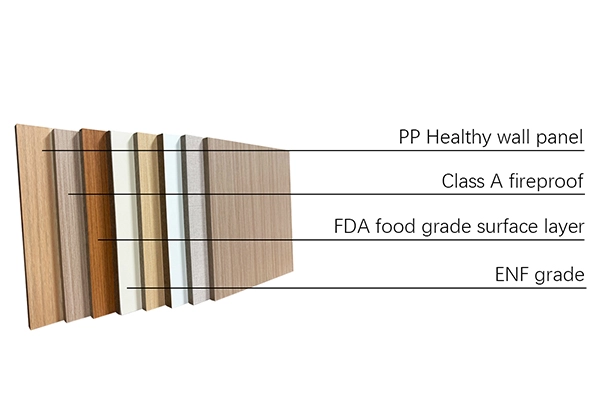
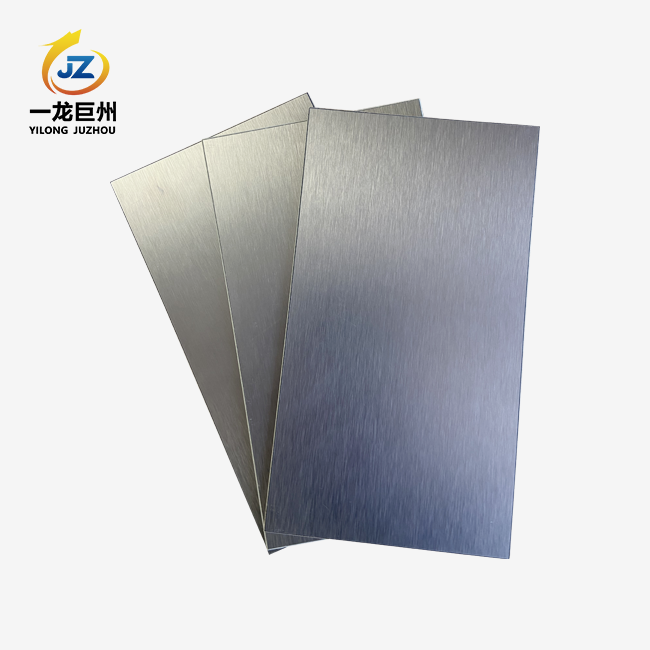
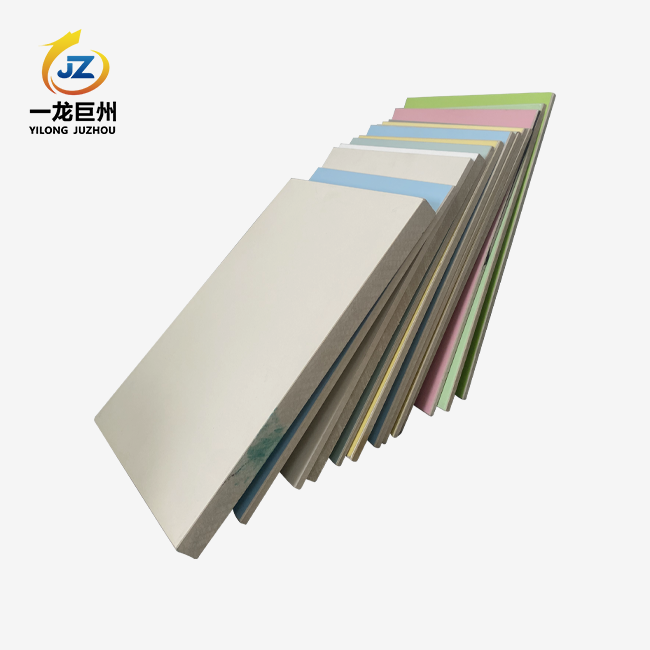
When procurement professionals and project managers ask about PP healthy panel results, they usually evaluate certification test and material inspection results. PP healthy panels are composite interior wall panels with a food-grade polypropylene film surface bonded to a calcium silicate board or aluminum composite panel (ACP) core. Tests measure antibacterial efficacy, fire classification, VOC emissions, moisture resistance, and impact strength. B2B purchasers may accurately source hospitals, schools, commercial buildings, and public infrastructure projects using these data.
Understanding PP Healthy Panel Performance Metrics
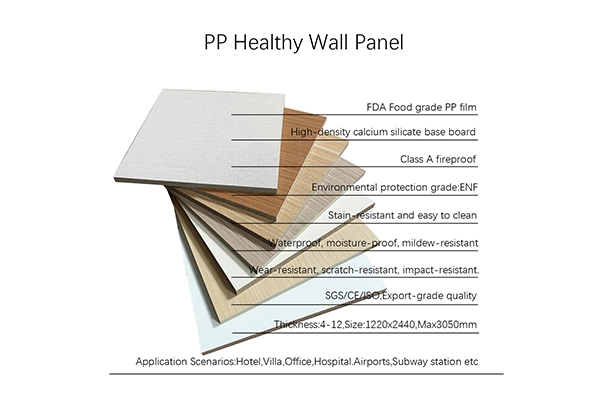
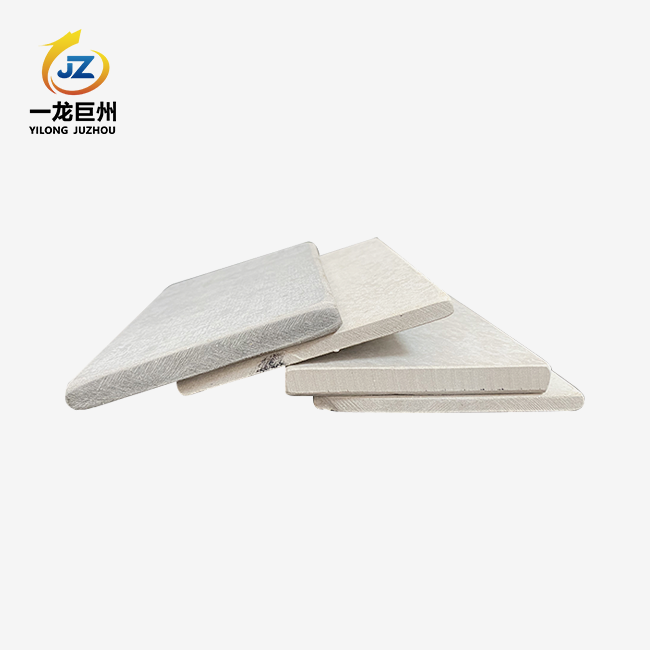
Understand panels' structural properties before getting into details. The PP film top layer is most useful. Even at high temperatures, this partly solid thermoplastic polymer doesn't release formaldehyde or hazardous volatile organic compounds. A calcium silicate or ACP basis gives the construction stiffness, size stability, and fire protection. These two layers create impacts that can be monitored and compared to building codes and project standards.
What the Antibacterial Rate of 99.99% Actually Means
Not simply a corporate ploy: 99.99%. A lab assessed the amount of Staphylococcus aureus and E. coli on plastic surfaces using ISO 22196. This reduces surface contamination in schools, hospitals, and food processing companies. PP film's smooth, non-porous surface prevents bacteria from growing in tiny gaps, making regular cleaning more effective than on painted or textured drywall.
Interpreting Fire Classification Class A
Class A fire resistance is the best according to Chinese national requirements (GB 8624). This matches European categories (EN 13501-1). It doesn't emit dangerous halogenated vapors or add fuel to a fire. PP healthy panels release carbon dioxide and water vapor instead of hydrogen chloride gas when burned due to their non-halogenated polymer chemistry. Because of rules, architects choosing materials for subway stations, airports, and hospitals must consider this disparity.
ENF Grade and Indoor Air Quality
GB 18580, China's formaldehyde emission standard, rates ENF highest. YILONG JUZHOU's PP Ice and Fire Board has formaldehyde emissions below 0.025 mg/m³, making it suitable for LEED and BREEAM green building approval schemes. EU accreditation gives YILONG JUZHOU products legitimacy for international project bids, notably those from EU markets or supported by organizations that demand EU-equivalent standards.
Core Performance Advantages: Why Results Matter for B2B Buyers?
The real-world effects on large-scale procurement become clear once you know what the test results mean. From test results to on-site success, these are the main benefits that are directly transferable:
- Waterproof, moisture-proof, and mildew-proof construction: The PP film surface layer creates a hermetic seal that blocks moisture ingress into the substrate. In high-humidity environments such as hospital corridors, commercial kitchens, and subway interiors, panels maintain structural integrity without swelling, delaminating, or developing mold colonies. This directly reduces lifecycle maintenance costs compared to gypsum board or painted plywood.
- Impact resistance preventing wall cracks and dents: PP film panels absorb lateral impact energy through the thermoplastic surface layer rather than fracturing. In high-traffic public spaces like airports, shopping malls, and school hallways, this translates to reduced repair frequency and lower total cost of ownership across multi-year building operations.
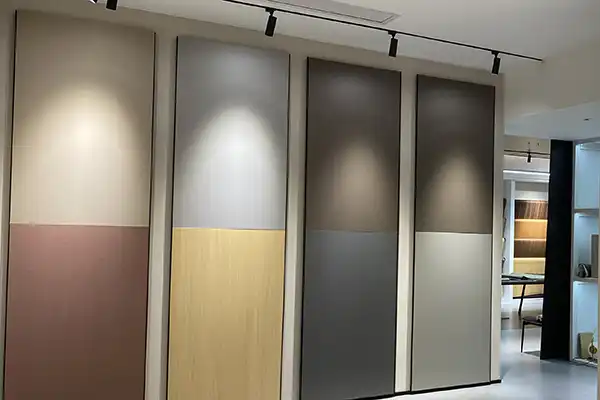
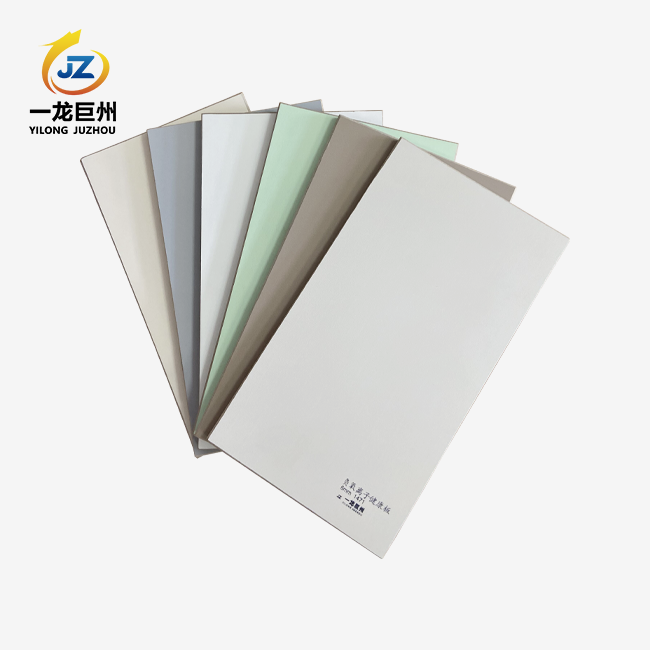
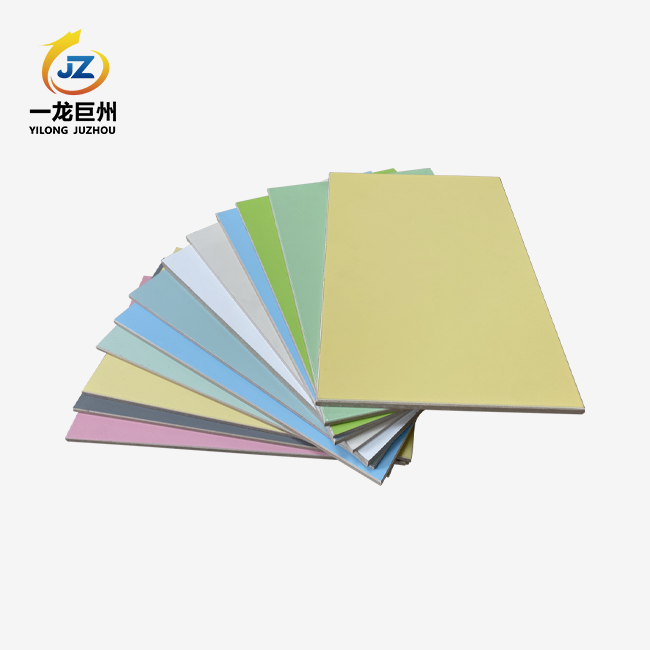
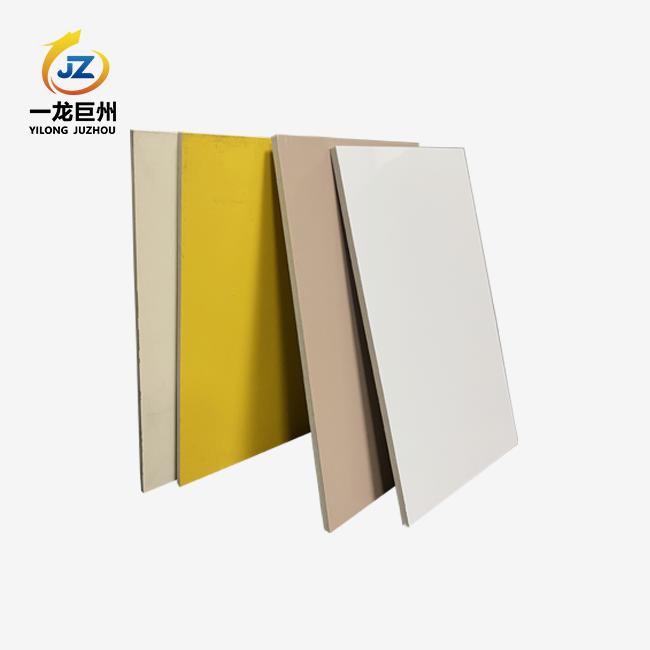
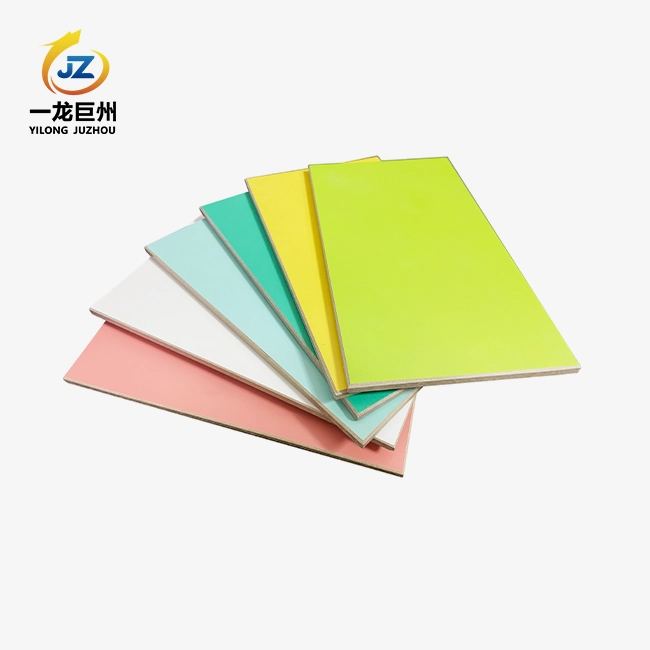
- Diverse surface finishes and dimensional flexibility: Available in solid color, wood grain, marble pattern, metallic pattern, and cloth texture, with thickness options from 4mm to 15mm, a width of 1220mm, and lengths up to 3050mm. This dimensional range accommodates standard commercial bay spacing as well as non-standard industrial configurations.
All of these benefits take care of the most common problems in procurement: the risk of not following the rules, the cost of upkeep, and the inflexibility of appearance. A material that works the same way in all types of buildings is helpful for procurement managers who are working on multiple stages of a project.
How PP Healthy Panel Compares to Alternative Interior Wall Materials?
Usually, procurement teams don't look at a single piece of material by itself. In commercial interiors, the PP healthy panel usually goes up against PVC decorative panels, melamine-faced boards, painted gypsum board, and ceramic tile. The test results help us figure out what the trade-offs are for each option.
PVC panels are installed in a similar way, but they have plasticizers in them that move to the surface over time and make it sticky and change color. They also give off hydrogen chloride gas during fires, which makes it dangerous to leave the building. If the emission level is E1 or E2, melamine-faced boards can give off formaldehyde. Ceramic tile is good at keeping water out, but it needs to be installed with wet-set mortar, adds weight to the floor, and doesn't give you many design options for wall uses.
All of these problems are fixed by the PP healthy panel. It meets the ENF emission grade without using formaldehyde-based binders, doesn't give off any harmful gases when it burns, and can be put up using mechanical or adhesive dry-fix systems that require less work and less site disruption. This wide range of compliance makes it easier for distributors who are in charge of product lines for many different market segments to position and specify the panel across a wide range of tender requirements.
Procurement Insights: Sourcing PP Healthy Panels at Scale
YILONG JUZHOU's PP Ice and Fire Board is manufactured at the company's two production bases, one in the Xianyang High-tech Zone in Shaanxi Province and one in Foshan in Guangdong Province. These bases have a total of 50,000 m² of stock on hand. Standard specs have a production lead time of 3 to 7 days, and goods can be sent overseas through the seaports of Shenzhen, Guangzhou, Shanghai, and Qingdao, as well as the land transport routes of Xi'an and Foshan.
The sourcing framework has a number of useful benefits for B2B distributors and for building procurement teams. Customizations from OEM and ODM are welcome, so regional distributors can choose the panel sizes, patterns, and branding needs. Free samples are sent out within 3 to 5 days, which helps with the official processes of material review and offer filing. All shipments come with a three-year quality guarantee, and specification engineers can get help with technical installation while the project is being carried out.
Structures of prices allow for both short-term orders and long-term supply agreements. Buyers who are in charge of handling phased building pipelines can negotiate volume-tiered agreements that keep unit costs stable across multiple project stages. The promise of a response within 24 hours makes sure that procurement teams can answer questions about specifications without putting project schedules behind schedule.
Conclusion
The test results for the PP healthy panel are not just numbers. In terms of antibacterial effectiveness, fire safety, emission control, moisture resistance, and impact durability, these are measured material behaviors that have a direct impact on how well a building works, the health of its occupants, and the long-term costs of upkeep. For people who work in commercial construction, healthcare, or public infrastructure as procurement professionals, correctly interpreting these results is the basis of responsible material specification. The panels from YILONG JUZHOU have been certified and are always of high quality, so you can buy them with confidence for any size job.
FAQ
Q1: What thickness should I specify for a hospital corridor application?
For healthcare walls that get a lot of use, panels between 6mm and 10mm are the best compromise between impact protection and mounting weight. The 8mm standard is often used in hospital hallway projects because it is rigid enough to withstand impacts from trolleys and other equipment without the need for extra substrate support.
Q2: Does the PP film surface require special cleaning agents?
No, the surface of the PP film doesn't react with most common disinfectants, even quaternary ammonium chemicals that are commonly used in hospitals. For tough stains, acetone-based cleaners can be used without hurting the surface, which is a big plus compared to options like painted plywood or lacquered board.
Q3: Are these panels compatible with standard dry-fix installation systems?
Yes. You can use either mechanical clip-fix systems or MS polymer adhesive systems to stick the panels together. Since PP has a naturally low surface energy, installation teams should make sure that it is compatible with adhesives during tests before installation if they are only going to use glue methods.
Q4: How do I verify certification authenticity before a bulk order?
Ask for the original certification papers, such as the EU certification papers, the GB 8624 fire test report, and the ISO 22196 antibiotic test report. YILONG JUZHOU offers complete packages of paperwork for submitting bids.
Partner with YILONG JUZHOU for Reliable PP Healthy Panel Supply
YILONG JUZHOU offers approved, factory-direct PP healthy panel options. They keep 50,000 m² in stock, can make them in 3–7 days, can do OEM/ODM, and offer a three-year quality guarantee. We are a trusted PP healthy panel manufacturer that works with customers in over 30 countries. We offer free samples within 3–5 days and expert help for the whole project. To get a price right away, email our team at cnyang2000114@gmail.com.
References
1. Building and Construction Materials: Fire Performance Standards — International Organization for Standardization (ISO), 2019.
2. Indoor Air Quality and VOC Emissions in Commercial Buildings — ASHRAE Journal, 2021.
3. Antibacterial Surface Materials in Healthcare Environments: Performance Evaluation — Journal of Hospital Infection, 2020.
4. Polypropylene in Construction Applications: Properties and Sustainability — Construction and Building Materials Journal, 2022.
5. Global Interior Wall Cladding Market Report: Trends and Material Substitution — Grand View Research, 2023.
6. Green Building Certification and Material Compliance Standards: LEED v4.1 Reference Guide — U.S. Green Building Council, 2022.

Send Inquiry
Related Industry Knowledge
- Can Calcium Silicate Aluminum Composite Boards Replace Traditional Insulation Panels?
- A2 vs B1 Aluminum Composite Panel: What’s the Difference?
- Medical Clean Board Applications in Healthcare Facilities
- Fiberglass Resin Board: Composition, Performance, and Industrial Applications
- Why Is Fiberglass Resin Board Ideal for Class A Interior Wall Decoration?
- Exploring the Versatile Applications and Benefits of PP Healthy Panel Solutions
- UV light curing board Scratch Resistance and Durability Explained
- What Makes UV Antibacterial panels Effective Against Surface Bacteria?
- What are the key steps for installing aluminum composite panels?
- Antibacterial wall panel medical rigid sheet wall protection