
Ice fireproof board Safety Certification and Testing Standards
September 23, 2026
When specifying materials for public buildings, hospitals, or commercial interiors, one question consistently surfaces during procurement evaluations: does this wall panel actually meet fire safety codes? Ice fireproof board—a calcium silicate composite panel with a film-coated decorative surface—has earned serious attention from architects and procurement teams across the United States precisely because it delivers documented, third-party-verified fire performance. Understanding the certification landscape behind this material helps decision-makers move from curiosity to confident specification.
What Is Ice Fireproof Board and Why Safety Certification Matters?
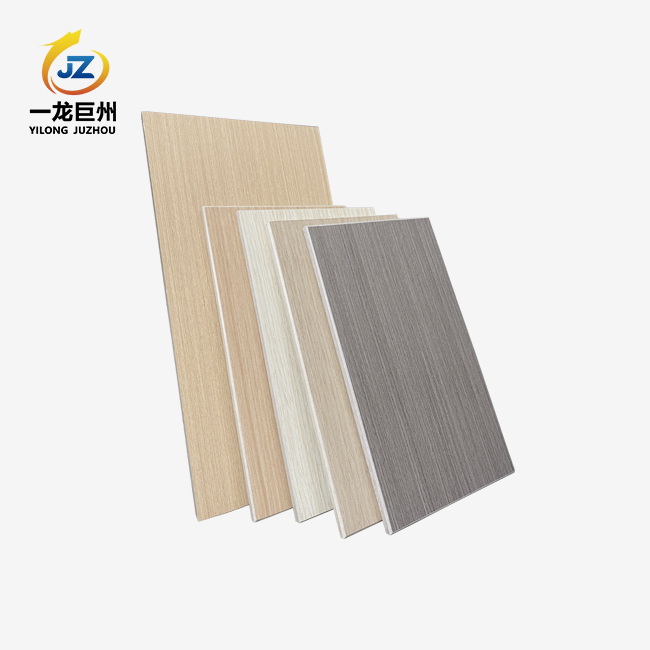
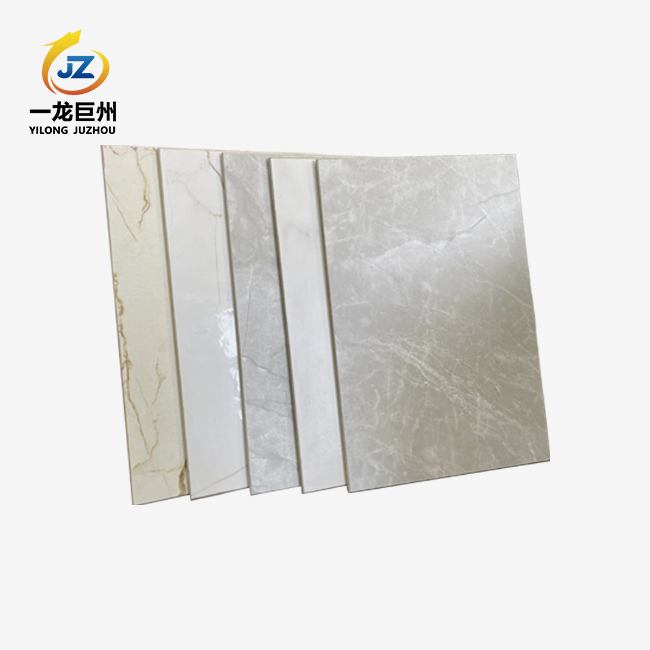
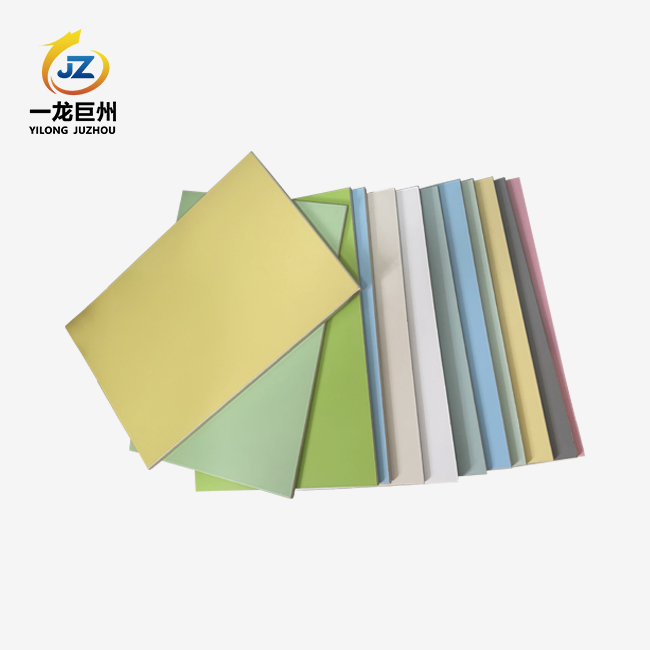
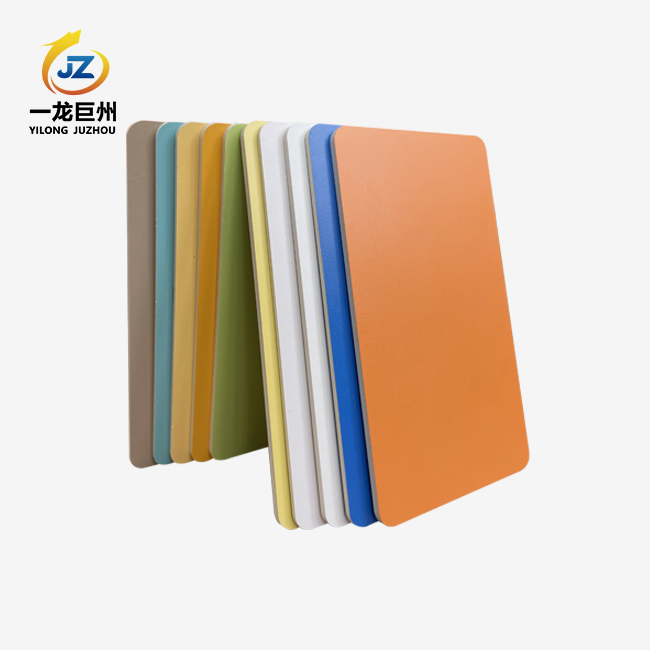
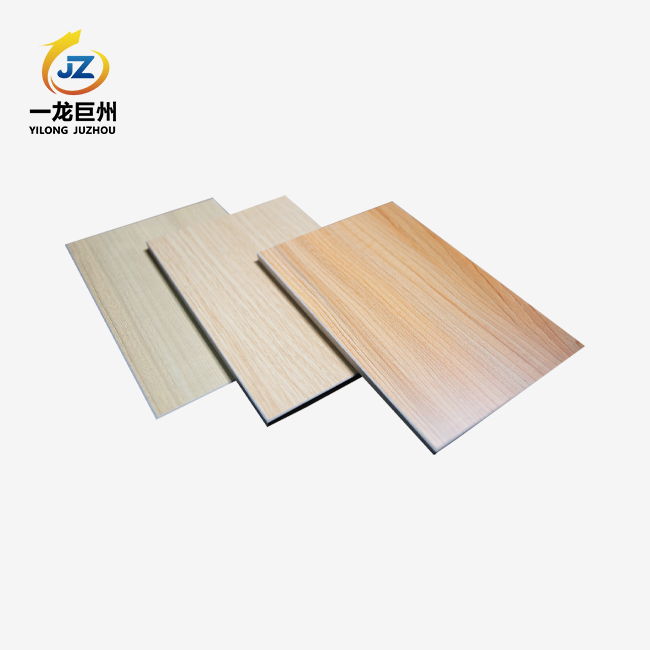
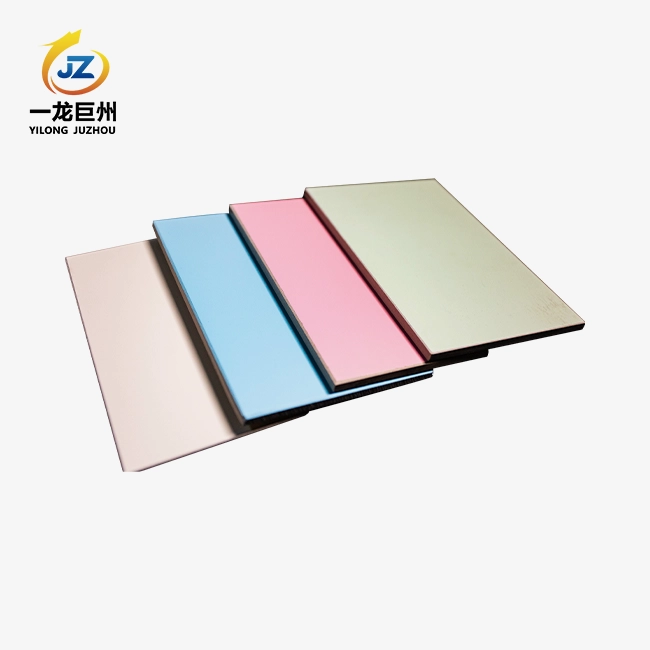
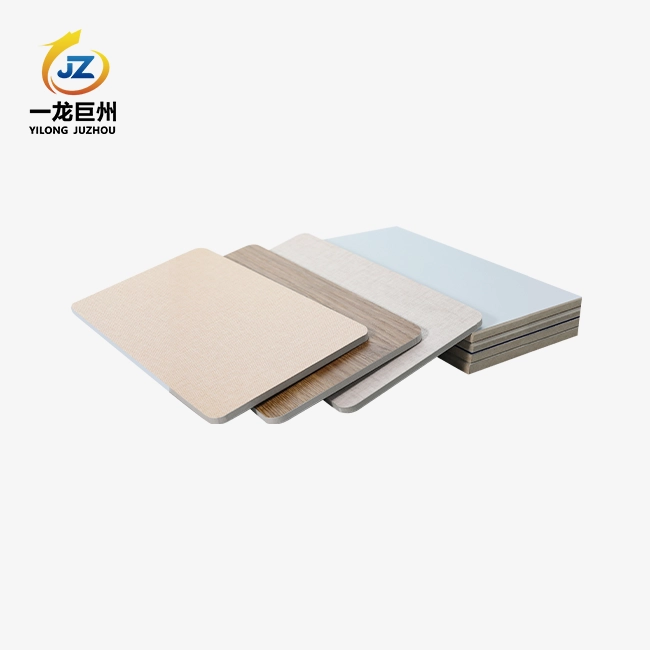
A high-performance hybrid inner wall piece is known as Ice Fireproof Board. A high-density calcium silicate board forms its core, and a decorative layer is bonded to it under controlled pressure and temperature. That top layer can be finished in PVC, PET, PP, melamine paper, HPL, or CPL, which gives designers a wide range of solid colors, woodgrain patterns, marble patterns, metallic finishes, and cloth patterns to choose from. The standard panel sizes are 1220 mm × 2440 mm, and they can be as tall as 3050 mm. The thicknesses available are 4.5, 5, 5.5, 6, 8, 10, 12, 14, and 15 mm.
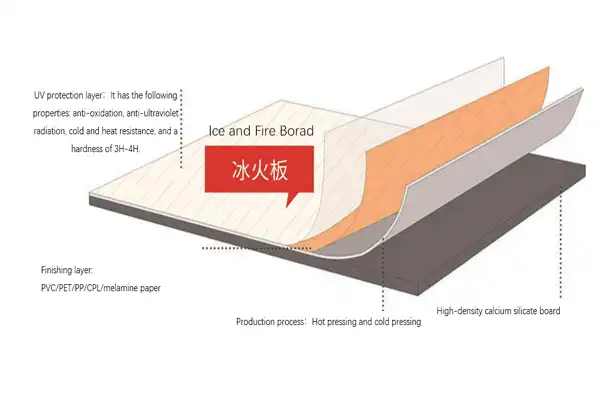
The calcium silicate substrate is inorganic and can't catch fire. It doesn't have any formaldehyde, asbestos, or benzene in it. During production, UV curing makes a thick protective film that seals in the substrate and greatly reduces volatile off-gassing. This means that people can move in right away after installation, without having to wait for the fumes to clear.
Safety certifications are important because a claim of fire resistance on a spec sheet is not legally or contractually binding without proof from a third party that can be checked. In controlled procurement settings, like hospital bids, school district contracts, and airport fit-outs, sellers are personally and legally responsible if a certain material doesn't work as expected. Certifications turn what a manufacturer says into records of compliance that can be checked.
Key Safety Certifications and Testing Standards for Fireproof Wall Panels
When specifying interior wall decoration fireproof board, there are a number of widely recognized standards that control how fire-resistant interior cladding is tested. Figuring out which standard applies to your project is the most practical place to start when making a specification choice.
ASTM E84 — Surface Burning Characteristics (USA)
In a 10-minute tunnel test, ASTM E84 checks for flame spread and smoke development. Materials that get a Class A flame spread index between 0 and 25 and a smoke development index between 0 and 450. The highest category recognized by the International Building Code (IBC) for interior finishes in occupancies like hospitals, assembly spaces, and educational facilities is Class A, which Ice Fireproof Board regularly achieves thanks to its inorganic calcium silicate core.
EN 13501-1 — European Fire Classification
EN 13501-1 sorts building materials into groups from A1 (completely inflammable) to F (no performance determined). The Ice Fireproof Board's calcium silicate base is aimed at the A1 rating, which means it doesn't add much to the fire load. This standard is directly relevant to distributors and EPC contractors in the U.S. who work on projects that need to meet European compliance requirements or meet the needs of multinational clients.
ISO 9001 and ISO 14001 — Quality and Environmental Management
When a company gets ISO 9001 certification, it means that its production processes meet consistent quality management standards. ISO 14001 is about environmental management, which makes sure that work has the least possible effect on the atmosphere. Both certificates are important for procurement teams that do audits of suppliers, especially when it comes to healthcare and public building bids that require environmental and quality control.
CE Marking and China Environmental Protection Standard
Having a CE mark on fireproof wall panels means they follow the rules set by the European Union. The Ice Fireproof Board from YILONG JUZHOU also has China Environmental Protection Standard Certification, which is an independent check of low emissions and user safety that directly supports the product's zero-VOC standing.
All of these licenses work together to make a full compliance package that passes official tender reviews in both US and foreign export markets.
How Ice Fireproof Board Compares to Traditional Fireproof Materials?
Purchasing managers often compare new materials to options that are already available. The most common alternatives to Ice Fireproof Board are shown below.
Traditional gypsum wallboard has a Class A fire rating, but it easily absorbs water, so it can't be used in places like food processing plants, drug labs, or tube spaces where humidity must stay high. Mineral wool boards are great at keeping heat in, but they don't have a hard, cleanable surface, so they can't be used in places that need to keep germs from spreading. Standard cement board is heavy, hard to cut exactly, and doesn't look very good. It also doesn't absorb water very well.
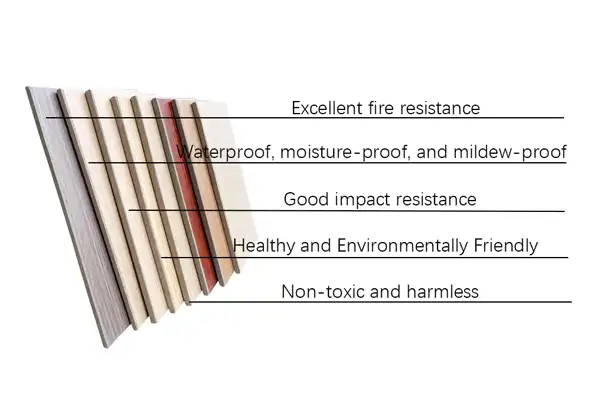
All three gaps are filled at once with Ice Fireproof Board. Its water absorption rate stays below 10%, so it doesn't delaminate when it's wet. Its surface hardness is at least 3H, so it can handle daily wear and tear in areas with a lot of foot traffic. Because it kills 99.99% of bacteria, it can be used in operating rooms, intensive care units (ICUs), and pharmaceutical cleanrooms where pathogen control is essential. A test by a third party confirms that the decorative layer stays attached even after being heated and cooled many times, which is a type of failure that makes cheaper composite panels unsuitable for long-term use in institutions.
When you look at each standard option on its own, the mix of Class A fire performance, proven antibacterial properties, and dimensional stability under changing humidity levels gives you a clear performance edge.
Procurement Considerations for Certified Fireproof Cladding Panels
There is more to finding qualified internal wall panels than just looking at the certificate number. Here are the main things that experienced procurement teams look at when making decisions:
- Certification authenticity: Ask for the real certificate paper, which should include the name of the issuing body, the certificate number, and the date it expires. If possible, cross-reference against the public registry of the issuing organization.
- Substrate composition transparency: Low-quality boards use too much lime instead of the right amount of calcium silicate, which makes them brittle over time. Ask for a third-party test report that backs up the claimed density range (good boards are between 1.2 and 1.4 g/cm³).
- Dimensional stability data: Cycling at high humidity should cause deviations of less than ±0.5 mm. This figure keeps joint holes from showing up after installation in climate-controlled buildings.
- Sample availability: Hands-on review is still the most effective way to buy something. Customized samples are sent out by YILONG JUZHOU for free within 3–5 days, so buying teams can check the surface hardness, stickiness, and visual quality on their own before placing an order.
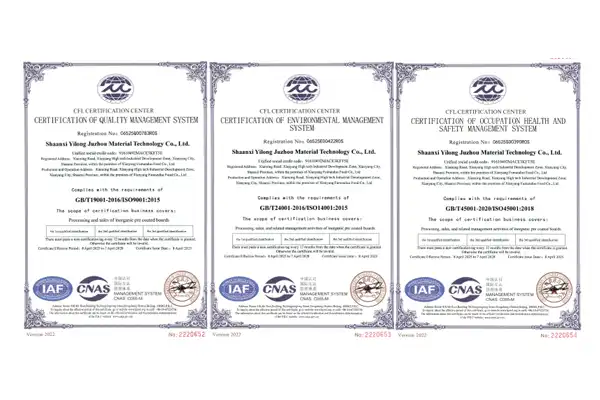
All of these things work together to lower the risk in the supply chain and help make specification decisions that can be defended in official bidding settings. In addition to the technical checks, you should also look at the supplier's production capacity. For example, YILONG JUZHOU keeps a stock of 50,000 m² across two production bases in Foshan and Xianyang, and the lead time is usually between 3 and 7 days. That level of production depth keeps phased building plans from falling behind on materials.
YILONG JUZHOU also takes OEM and ODM orders, which means that panels can be made in any size, with any finish, and with any naming needs. Each order is backed by a quality guarantee for three years.
Best Practices for Installation and Sustained Compliance
Certification standing at the time of buying does not always mean that the product will work properly when it is in use. How well a panel system is installed and how well it is maintained over the life of the building determines how long it will keep its rated fire protection.
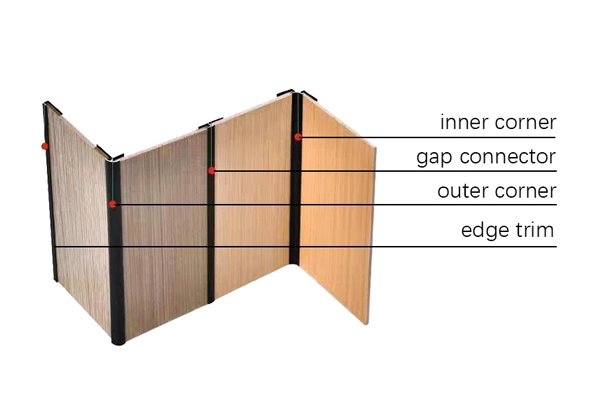
The quick pressure-strip fitting method for Ice Fireproof Board is made to reduce field variation at the plant level. Panels come already cut and finished, so there are fewer things that could go wrong on-site and damage the substrate. This method saves time for both labor and building, which is especially useful for business projects that are completed in stages and have set handover dates.
After the installation is done, facilities managers should check visually on a regular basis to see if there is any edge damage or joint separation that could let water into the substrate. When standards are updated, like ASTM and EN standards do every few years, procurement teams should make sure that the current panel specifications still meet the new requirements. This is especially important in healthcare and transportation infrastructure, where regulators may check for compliance on their own.
Conclusion
It's not easy to get certified fire-resistant interior cladding. The difference between a panel with just a written fire-resistance claim and one with ASTM E84 Class A results, ISO approvals, and third-party substrate testing is the difference between following the rules and being open to risk. Ice Fireproof Board has a calcium silicate core and a decorative surface that has been UV-cured. It has been tested and proven to be safe for the environment, resistant to fire, and effective at killing bacteria and germs. The certification portfolio is where procurement teams start when they need to choose materials for hospitals, schools, airports, hotels, or industrial buildings. The performance data of the product backs up the standard with trust.
FAQ
Q1: What fire rating does Ice Fireproof Board achieve?
Under both the ASTM E84 (USA) and EN 13501-1 (EU) classification systems, Ice Fireproof Board achieves Class A fire resistance. Its inorganic calcium silicate substrate can't catch fire, so it didn't produce much smoke or flame spread during standard testing.
Q2: Which surface finishes are available, and do they affect the fire rating?
You can get finishes in plain colors, woodgrain, marble, metallic, and cloth designs on PVC, PET, PP, melamine paper, HPL, and CPL. The top layer is glued down in a controlled environment, and the whole composite piece is tested as a single unit. This means that the final panel has a Class A fire rating.
Q3: Is ice fireproof board suitable for healthcare environments?
Yes. The fact that it kills 99.99% of germs and has a smooth, cleanable surface makes it a great choice for hospitals, clinics, and drug companies. The panel can be disinfected many times without losing its surface.
Q4: Can panels be customized for non-standard project dimensions?
OEM and ODM orders can be sent to YILONG JUZHOU. The tallest panel can be 3050 mm tall, and the thickest panels can be 4.5 mm to 15 mm thick. If you ask, you can get different surface finishes and panel sizes.
Request Certified Ice Fireproof Board Samples from YILONG JUZHOU
With two production bases, a running stock of 50,000 m², and a three-year quality guarantee, YILONG JUZHOU is a safe place to get a certified Ice Fireproof Board manufacturer and supplier. Get a free sample today and see for yourself how well it resists fire, how good the surface is, and how well it kills bacteria. You can email our technical team at cnyang2000114@gmail.com to see the full list of products and third-party test documentation.
References
1. ASTM International. ASTM E84: Standard Test Method for Surface Burning Characteristics of Building Materials. ASTM International, 2023.
2. European Committee for Standardization. EN 13501-1: Fire Classification of Construction Products and Building Elements. CEN, 2018.
3. International Code Council. International Building Code (IBC): Interior Finish Requirements, Chapter 8. ICC, 2021.
4. International Organization for Standardization. ISO 9001: Quality Management Systems — Requirements. ISO, 2015.
5. International Organization for Standardization. ISO 14001: Environmental Management Systems — Requirements with Guidance for Use. ISO, 2015.
6. National Fire Protection Association. NFPA 101: Life Safety Code — Interior Finish and Decorative Materials. NFPA, 2021.

Send Inquiry

Related Industry Knowledge
- A2 Aluminum Composite Panel for High-Rise Fire Safety
- Aluminum Composite Panel vs. Solid Aluminum: Which Is Better?
- How to Improve Paint Adhesion on Aluminum Composite Panels
- Medical Clean Board Solutions for Sterile Laboratories
- UV Antibacterial panels Installation and Maintenance Guide
- Unlocking Quality: A Comprehensive Guide to Sourcing Premium HPL Fireproof Boards Globally
- Ultimate Fiberglass resin board for Beginners
- Unlocking the Potential of Fiberglass Resin Board in Industry Solutions
- A Buyer's Guide to Aluminum Composite Material (ACM)
- Calcium Silicate Aluminum Composite Board vs Traditional ACP Panels: Key Differences