
How Does Calcium silicate aluminum composite board perform?
October 9, 2026
The fire resistance, moisture management, structural stiffness, and environmental safety of calcium silicate aluminum composite board are all areas in which it performs remarkably well. This panel reaches Class A1 non-combustibility, which is the highest fire rating according to international regulations. It is constructed with a calcium silicate core that is based on minerals and is attached to an aluminum skin on one or both sides. It does not deteriorate with time and is resistant to contact with moisture, mildew, and impact. With thicknesses ranging from 4.5mm to 20mm and widths reaching up to 1220mm × 3050mm, this material is suitable for use in challenging situations such as hospitals and tunnels, as well as airports and hotels. As a result, it is known to be a reliable option for architects, procurement managers, and distributors all over the globe.
What Is Calcium Silicate Aluminum Composite Board?
Core Structure and Manufacturing
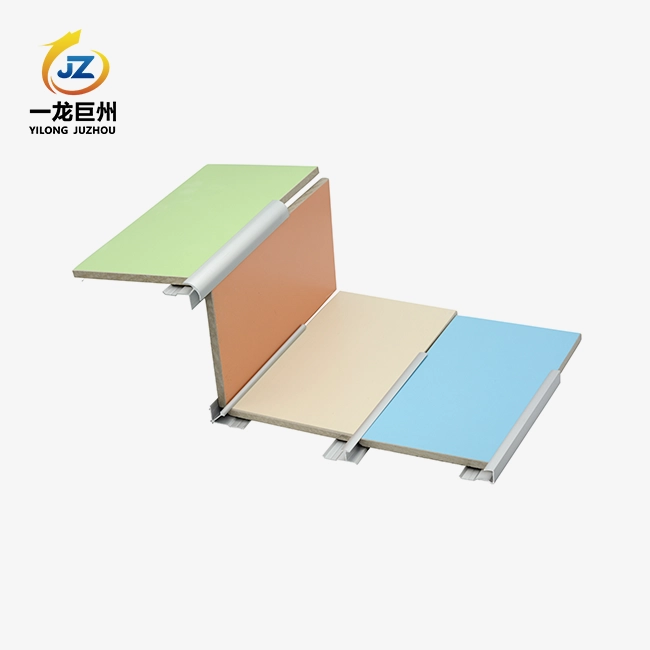
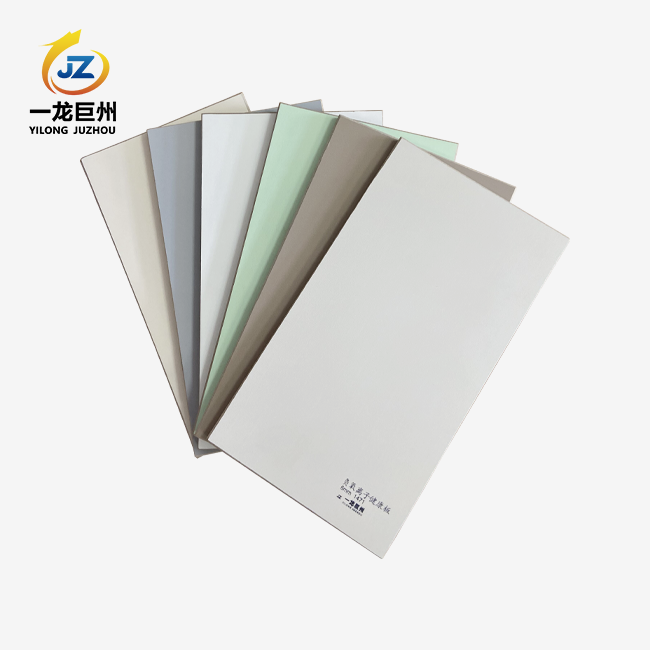
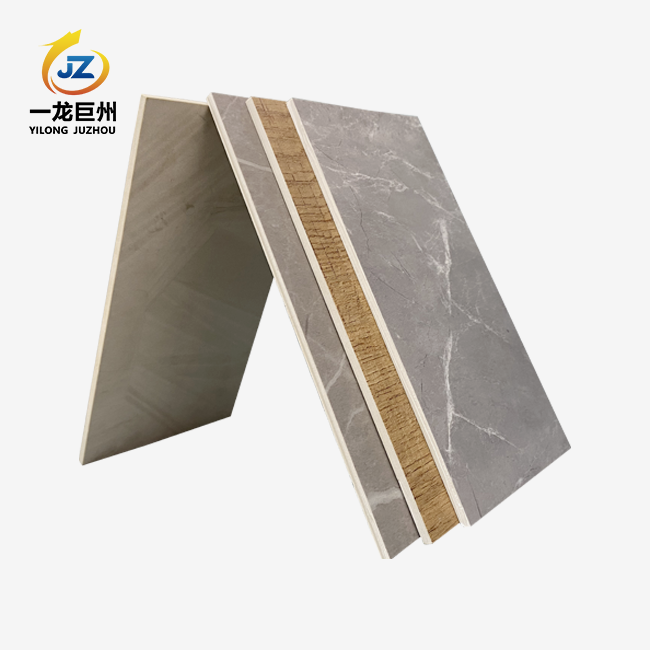
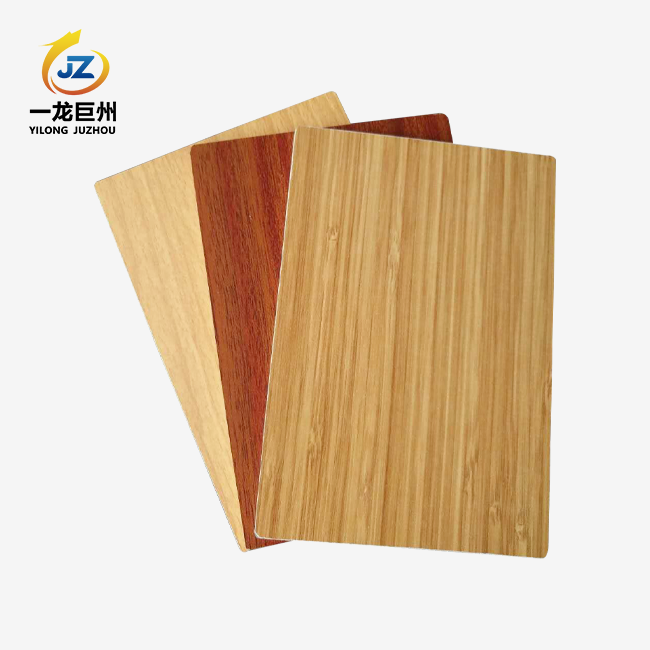
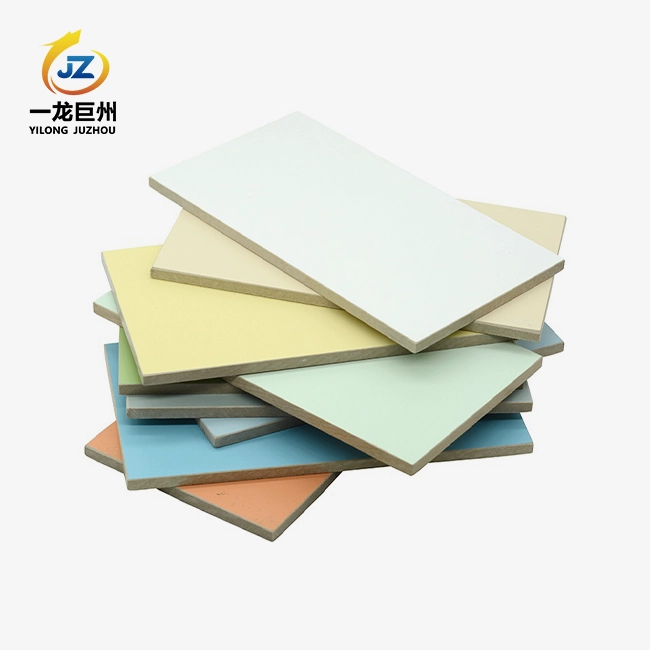
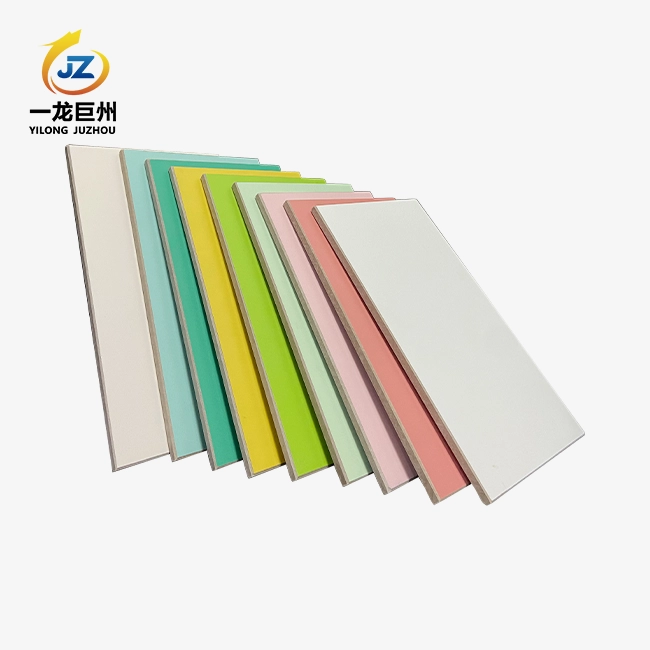
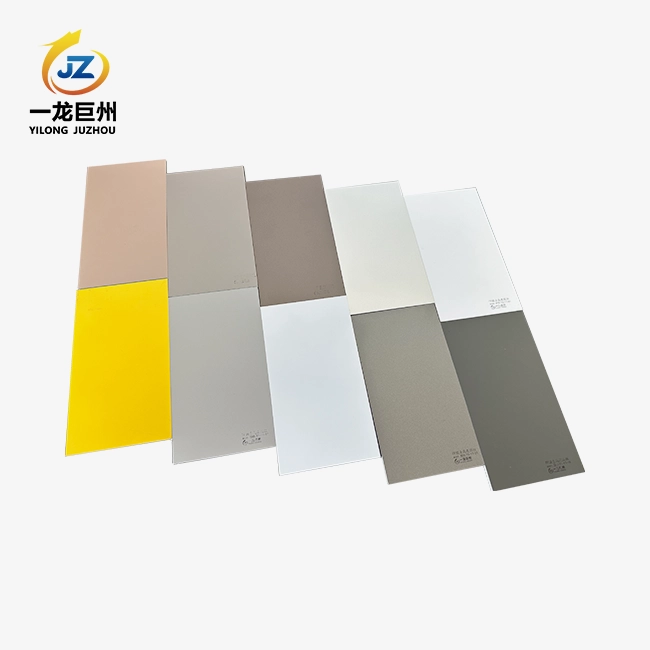
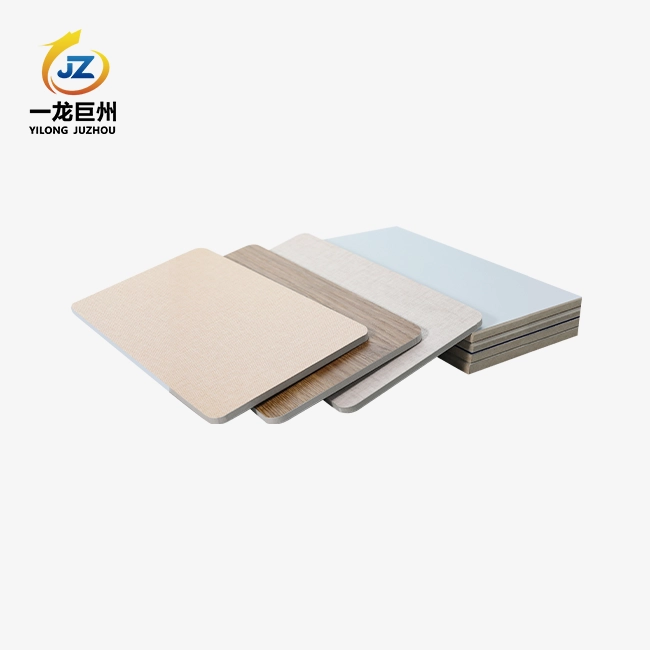
Through the use of high-pressure autoclave curing, a fiber-reinforced calcium silicate core is produced, which ultimately results in the formation of a solid Tobermorite crystal structure. This core is combined with an aluminum skin that has a thickness that varies from 0.1mm to 0.5mm in the panel. Some of the surface treatments that are available include paint composed of polyester, PET film, PVC film, and PP film. Other surface treatments include PP film. Surface finishes are available in a variety of designs, including plain colors, woodgrain, marble, metallic, and textile patterns. The crushing strength of mineral board and the tensile resilience of metal are both brought together in this hybrid construction, which reaches performance levels that neither material could provide on its own when used independently.

Why B2B Buyers Prioritize This Material
Procurement teams often find themselves in a challenging scenario in the commercial building, healthcare, and industrial sectors when it comes to aesthetics and compliance. This is because these kinds of situations are often tough to deal with. Typical gypsum boards may warp when exposed to dampness, whilst the fiber cement panels may shatter if they are subjected to impact. Polyethylene-core aluminum composite panels (ACP) are often rejected by building rules for high-rise and public buildings. This is because of the problems that are linked to the combustibility of these panels because of their composition. Included in this composite is a single panel that is free of formaldehyde, odor, and radiation. It also satisfies the norms of the China Environmental Protection Standard Certification, the International Organization for Standardization, and the European Union. Additionally, it meets the conditions that are necessary for the China Environmental Protection Standard Certification.
Performance Characteristics That Matter to Procurement Teams
Fire Safety: Class A1 Rated
The calcium silicate core of a1 aluminum composite board is made up of inorganic matter and is completely non-combustible. According to EN 13501-1 and equivalent international standards, this panel is classified as Class A1, which means it produces zero toxic smoke during fire events. For hospitals, subways, tunnels, and high-rise office buildings, this rating is not merely a preference; it is a strict code requirement.

Moisture, Mold, and Mechanical Durability
The following is a list of the primary performance characteristics that set this panel apart from other panels on the market:
- The aluminum shell produces an impenetrable vapor barrier, while the silicate core absorbs and releases moisture without causing any structural damage. This makes the material resistant to mildew and water. Joints need to be sealed in order to provide complete protection in moist situations.
- This rigidity beats normal gypsum panels, which generally range from 2 to 6 MPa, and enables bridging across wider fixing intervals without deformation. Flexural strength that exceeds 14 MPa is a result of this rigidity.
- This composite material is resistant to impact without shattering, and unlike ceramic tile or fiber cement, it bends rather than breaks under compression. In addition to drilling and nailing, standard carbide-tipped equipment may also be used for curved installation activities.
- In terms of thermal conductivity, around 0.2–0.3 W/m·K is observed. As a result, this makes a significant contribution to the energy efficiency of the building envelope, hence lowering the strain on HVAC systems in big commercial areas.
These characteristics immediately contribute to reducing costs over the lifespan. It has been reported by facility managers at airports, stadiums, and medical institutions that the panel requires replacement less often than alternatives such as gypsum or MgO board. This is due to the fact that it retains its dimensional stability even when subjected to freeze-thaw cycles.
Customization and Design Range
Despite the fact that the usual measurements are 1220 millimeters by 2440 millimeters, there are also unique heights available up to 3050 millimeters and bespoke lengths that may be requested. The fact that there is a range of thicknesses, from 4.5 millimeters to 20 millimeters, gives engineers the ability to exercise precise control over the weight-to-strength ratios for each distinct zone of the project. Complete support is provided for both original equipment manufacturer (OEM) and original design manufacturer (ODM) configurations. This gives procurement teams the ability to choose surface patterns, aluminum skin gauge, and panel geometry that are in accordance with architectural specifications.

Comparative Analysis: How It Stacks Up Against Alternatives
Procurement decisions rarely happen in isolation. Knowing how this composite stacks up against gypsum, MgO, and fiber cement boards helps procurement managers justify material selection to project stakeholders. Gypsum board remains a cost-competitive option for dry internal walls, but it breaks down quickly in damp environments and carries no fire rating above Class B. Magnesium oxide board improves on moisture resistance but can suffer from chloride-induced surface blooming in humid climates—a documented defect that has triggered product recalls in North America. Fiber cement board offers durability but adds significant dead weight and requires wet-trade installation.
The calcium silicate aluminum composite panel occupies a unique position: it is lighter than fiber cement, more fire-resistant than gypsum, and free from the chloride instability problems observed in some MgO products. While the upfront cost is higher than gypsum, the extended service life—typically 25 to 50 years when properly treated—delivers a stronger total cost of ownership for long-term infrastructure projects.
Installation and Application Best Practices
Preparation and Cutting
Accurate substrate preparation is essential to achieving success over the long run. In order to properly install the panels, the walls must first be dry, level, and structurally sound. Due to the abrasive nature of the calcium silicate core, saw blades made of tungsten carbide or diamond are necessary in order to effectively accomplish clean cuts and maintain the longevity of the instrument. In order to ensure compliance with occupational health requirements, it is necessary to collect silica dust from the cutting process using equipment that is equipped with HEPA filters.
Joint Treatment and Waterproofing
Sealants for butt joints should be such that they are flexible enough to allow for movement. In areas that are prone to moisture, such as shower enclosures, operating rooms, and hallways used for food processing, it is necessary to use continuous beads to complete the sealing of all surrounding joints. Despite the fact that the surface of the aluminum does not need any further waterproofing for typical indoor usage, PVDF or FEVE coatings on exterior-grade panels are required to fulfill AAMA 2605 requirements. This ensures that the dry film thickness is at least 25 microns in order to avoid chalking caused by ultraviolet light.
Maintenance Protocol
In the course of routine maintenance, all that is required is to wipe the surface of the metal with a cleaning solution that is pH-neutral. Because the inorganic core does not deteriorate over time, the durability of the installation is determined not by the condition of the substrate but rather by the maintenance of the surface finish. The fact that this is the case makes the panel especially useful for high-traffic areas, such as train stations, gyms, and art galleries, which need frequent cleaning.
Future Outlook and Industry Trends
While this is going on, the regulations that govern buildings across the world are getting stricter in terms of both fire safety and the quality of the air within buildings. Standards such as the International Building Code (IBC), the National Fire Protection Association (NFPA) in the United States, and Euroclass fire laws are imposing restrictions on the use of PE-core cladding on buildings that are taller than four stories. These restrictions are becoming more stringent. This regulatory drive has resulted in non-combustible composite cladding systems being the standard for both new commercial building projects and rehabilitation projects. This is the case for both renovation and new construction projects.
The criteria for sustainability have an equal amount of effect on the situation. Not only do green building standards like LEED v4 and the WELL Building Standard identify and reward materials that are good for the environment, but they also recognize and reward materials that are long-lasting and efficient with resources. Panels that are constructed with recycled aluminum content and do not contain any formaldehyde or volatile organic compounds (VOCs) are a direct match for these credits. This opens up procurement opportunities through distribution channels that are driven by specifications in the healthcare, education, and government infrastructure sectors.
Conclusion
With regard to fire safety, moisture management, mechanical durability, and design flexibility, this composite cladding system made of calcium silicate aluminum composite board offers a number of benefits that can be quantified. Compared to gypsum, it is superior in terms of its resistance to humidity; it is superior to MgO board in terms of its chemical stability, and it avoids the danger of combustibility that is linked with PE-core ACP. It is able to meet the procurement needs of the commercial construction, industrial, and infrastructure sectors, with a service life ranging from 25 to 50 years and a completely adjustable specification range that includes 4.5mm solid-color panels all the way up to 20mm structural boards. This panel offers a technically solid and long-term investment for project teams who are managing more stringent building standards and sustainability demands throughout the course of their activities.
FAQ
1. Does this panel meet U.S. fire code requirements?
The non-combustibility rating of Class A1 is in accordance with the ASTM E136 and NFPA 285 test requirements that are applicable to exterior wall assemblies in the United States. At the beginning of the specification process, procurement teams should make a request for third-party test results and verify that the particular wall assembly configuration satisfies the standards of the local jurisdiction.
2. What customization options are available?
Depending on the customer's specifications, panels may be sent in thicknesses ranging from 4.5mm to 20mm, widths of 1220mm, and lengths of up to 3050mm. Additionally, unique heights can be requested. Solid colors, woodgrain, marble, metallic, and fabric patterns are all examples of surface treatments that may be applied. There is complete support for both OEM and ODM manufacturing.
3. How long do production and delivery take?
Three to seven days is the normal length of time required for manufacture. Because there is a stock availability of 50,000 m2, it is possible to manage the shipment of urgent project stages in a timely manner. In most cases, samples are delivered within three to five days.
4. Is the panel suitable for tunnel and subway cladding?
Indeed. Because of its resistance to mold, impact toughness, and Class A1 fire rating, it is particularly suitable for use in underground settings, which are characterized by the highest levels of humidity, vibration, and fire egress requirements.
Partner With YILONG JUZHOU — Trusted Calcium Silicate Aluminum Composite Board Manufacturer
YILONG JUZHOU operates dual production bases in Foshan (Guangdong) and Xianyang (Shaanxi), shipping via Shenzhen, Guangzhou, Shanghai, and Qingdao ports. As a verified calcium silicate aluminum composite board manufacturer with ISO, CE, and China Environmental Protection Certification, we offer a three-year quality guarantee, free samples within 3–5 days, and full OEM/ODM support. Contact our technical team at cnyang2000114@gmail.com to request samples, technical data sheets, or bulk pricing for your next project.
References
1. China Environmental Labeling Product Certification — China Environmental United Certification Center (CEC), 2022.
2. European Standard EN 13501-1: Fire Classification of Construction Products and Building Elements — European Committee for Standardization (CEN), 2018.
3. ASTM International — Standard Test Method for Flexural Properties of Fiber Reinforced Concrete and Mortar (ASTM C1609), 2019.
4. U.S. Department of Energy — Building Envelope Research: Thermal and Moisture Performance, 2021.
5. U.S. Consumer Product Safety Commission — Magnesium Oxide Board: Imported Composite Decking and Wall Panel Defect Notices, 2016.
6. WRAP (Waste & Resources Action Programme) — Comparing the Environmental Impact of Building Materials: Lifecycle Assessment Guidance, 2020.

Send Inquiry
Related Industry Knowledge
- Is HPL Fireproof Board Suitable for High-Traffic Buildings?
- How to Choose PE aluminum composite board for Cladding
- Melamine fireproof board Installation Guidelines for Builders
- How to Choose the Right HPL Fireproof Board for Your Project
- Ice fireproof board Usage in Commercial and Industrial Buildings
- What Are the Benefits of Using a Negative Ions Healthy Panel?
- Inorganic pre-coated panels for Modern Architectural Applications
- What Is ice fireproof board and How Does It Resist High Heat?
- HYG Antimicrobial Sheets & Wall Cladding Solutions
- What is the difference between an aluminum composite panel and an aluminum sheet?