
How Effective Is a Negative ions panel Against Air Pollutants?
October 23, 2026
A negative ions panel is genuinely effective against a wide range of airborne pollutants. Engineered with a calcium silicate substrate and a specialized negative ions antibacterial paint surface, these panels continuously release air anions that attach to positively charged particles — dust, bacteria, VOCs, and PM2.5 — causing them to cluster and precipitate out of breathable air. Independent laboratory data supports a 99.99% antibacterial rate, and the passive ionization mechanism requires zero electricity. In enclosed commercial or institutional environments, that translates to measurably cleaner air without added operational cost.
What Exactly Is a Negative Ions Panel and How Does It Work?
The Science Behind Ionization in Wall Panels
A negative ions panel is not like plug-in air ionizers or HEPA filter units. It is a structural wall element that creates anions through the piezoelectric and pyroelectric properties of minerals buried in the surface coating. The coating is an antibacterial paint with negative ions that is put on top of a calcium silicate board. It reacts with the moisture in the air and small changes in temperature to break up water molecules, constantly releasing hydroxyl anions into the air.

The electric charge on these anions is negative. Most of the things that are in the air that are harmful, like formaldehyde molecules, bacterial aerosols, and small particles, have a positive charge. They stick together, attract each other, and make heavier groups that fall to the ground instead of staying in the air people breathe. This process is passive, which means there are no filters to change and no power use.
Negative Ions vs. Positive Ions: Why the Distinction Matters
Environmental health literature consistently links higher levels of negative ions to lower numbers of bacteria in the air and less fatigue for people who work inside. Positive ions, on the other hand, build up in places with little airflow and a lot of people, and they are linked to more irritation in the lungs. A 2013 study in the International Journal of Biometeorology found that negative ion concentrations around 1,000 to 5,000 ions/cm³, which are similar to those found near waterfalls or woods, can cut the number of Staphylococcus germs in the air by more than 50% in rooms that are closed off.
How Effectively Does This Panel Reduce Common Indoor Pollutants?

Performance Against VOCs and Formaldehyde
For months or even years, new building materials and glues give off volatile organic compounds. The negative ions panel antibacterial paint layer breaks down aldehyde molecules into water and carbon dioxide through an oxidative reaction. This prevents the problem from happening again and again instead of just treating it once. This passive degradation directly addresses potential concerns about Sick Building Syndrome for procurement managers in charge of school or hospital remodeling projects.
Antibacterial Performance in High-Traffic Environments
The panel has a 99.99% antibacterial rate, which is good for places like operating rooms, CT suites, kindergarten classrooms, and businesses near food. The two-part process is important: anions collect pathogens in the air, and the nano-active layer on the surface stops bacteria from breathing by blocking their enzymes. This makes the material even more appealing for healthcare procurement teams that are doing formal bid reviews and need to be able to show proof of good surface hygiene.
Comparing Removal Rates with Traditional Solutions
Traditional HEPA purifiers work, but they are device-dependent: they need to have their filters replaced regularly, use power, and can only cover a small area. Also, HEPA filters don't break down VOCs unless they are used with activated carbon media. In contrast, wall-integrated anion technology cleans the whole room from the edges outward, doesn't need any supplies, and does a great job of getting rid of both particle and chemical pollutants at the same time. In exchange, it is still recommended to use extra HVAC filtering in places with very high particulate loads, like busy factory areas.
Product Specifications and Key Performance Features
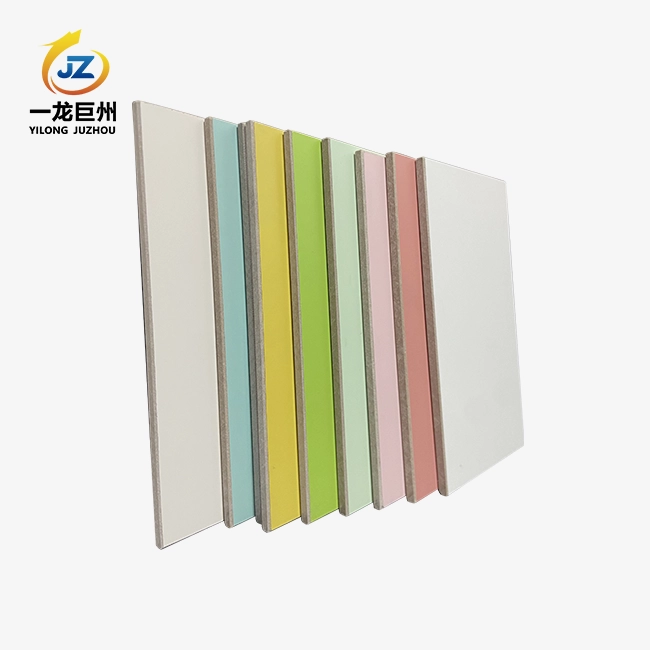
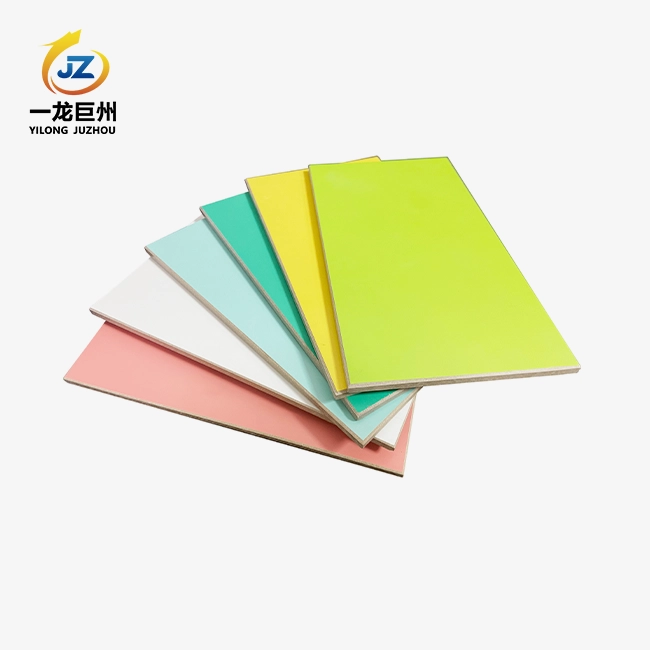
When buying, it's important to know what you're actually requesting. Here are the main things that make YILONG JUZHOU's Negative ion antibacterial board (their negative ions panel) work well:
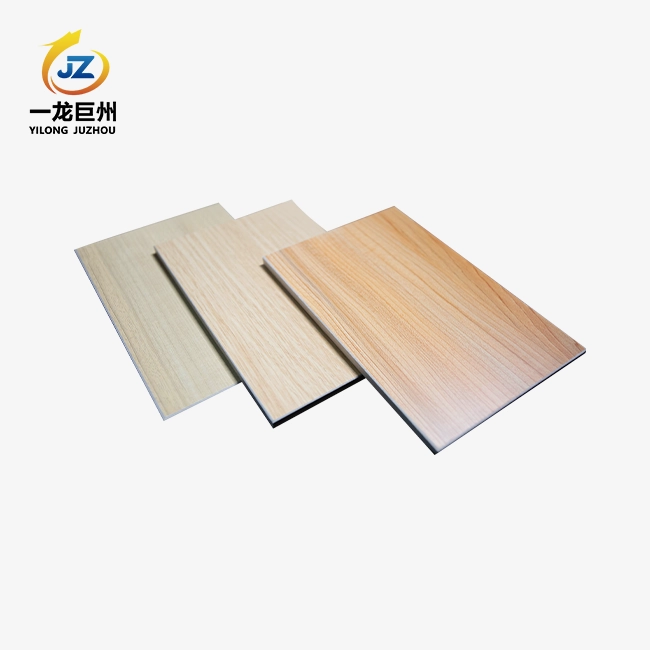
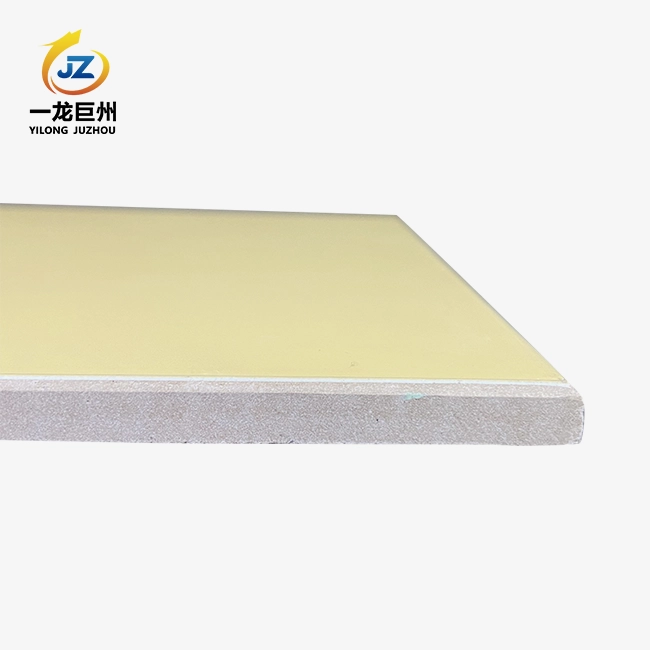
- Structure: A core made of calcium silicate board and an antibacterial paint layer with negative ions—this gives the structure strength and cleans the air at the same time.
- Fireproof Class A rating: This is the highest level of fire resistance, which is very important for places like hospitals, airports, and public transportation hubs.
- ENF-grade environmental certification: Verifies that formaldehyde emissions are at the lowest amount that can be measured, which supports LEED and WELL building documentation.
- Waterproof, moisture-proof, and mold-resistant: Ideal for CT rooms, operating rooms, subway stations, and areas near food where controlling humidity is a must.
- Impact resistance: The hard calcium silicate base doesn't easily dent or crack, so it lasts longer and costs less to replace in areas with a lot of foot traffic.
- EU Certification compliant: Acceptable for use in foreign projects that need performance proof from a third party that has been checked.
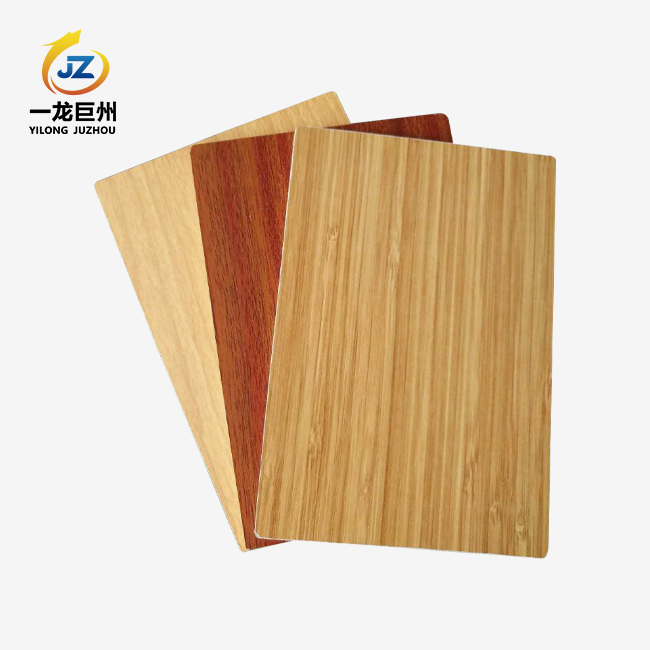
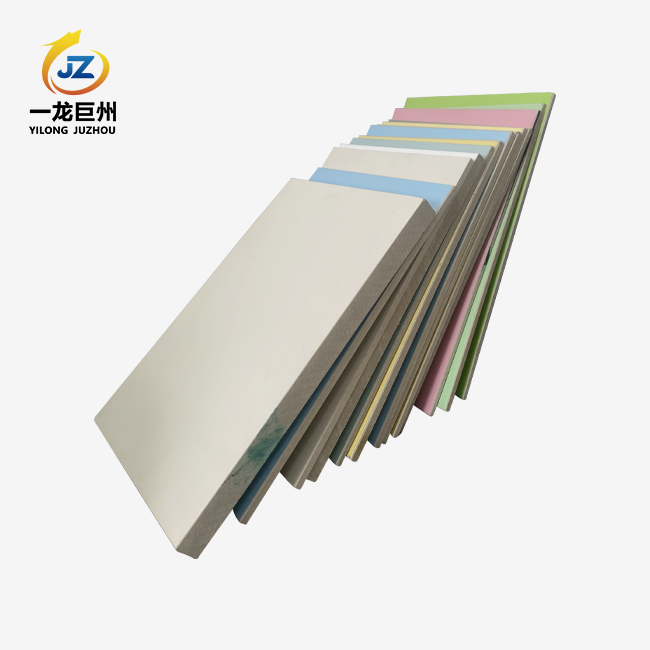
Together, these features make the panel both an air quality solution and a long-lasting wall system that meets building codes. The normal width is 1,220 mm, and the lengths go up to 3,050 mm. The thicknesses range from 4.5 mm to 15 mm, and the sizes can fit most industrial wall configurations without having to waste time cutting to fit. Hotels, high-end clubs, and government building halls can all use solid-color finishes to match their architecture.
The three biggest problems that procurement teams face when trying to choose interior wall systems for regulated environments are passive air purification, Class A fire resistance, and ENF-grade environmental compliance. These features work together to solve these problems.
Market Positioning and Procurement Considerations
Evaluating Suppliers for Large-Scale Projects
As a result of people being more aware of indoor air quality after the pandemic and the EPA tightening its rules on VOC exposure in occupied buildings, the market for functional wall panels is growing in North American business development. When looking for a negative ions panel supplier for large orders, the three most important things to look at are third-party test documentation, production capacity, and warranty coverage.
With a stock of 50,000 m², YILONG JUZHOU has two production bases: one in Xianyang, Shaanxi Province, and one in Foshan, Guangdong Province. Standard orders have a production wait time of 3–7 days, and the company ships through major seaports like Shenzhen, Guangzhou, and Shanghai. They also use land routes for local distribution. We answer all questions within 24 hours, and we guarantee the quality of all regular product lines for three years.
Distributors and developers can get OEM and ODM production if they need custom sizes, branded packaging, or color matching that doesn't match any other product. Free samples are sent out within 3–5 business days, which helps specification teams that need to see the actual product before committing to a large order.
Conclusion
There is strong proof that a well-designed negative ions panel can improve the air quality inside businesses, hospitals, and other tight spaces. The passive anion release mechanism works on VOCs, bacteria in the air, and fine particles all at the same time, without using electricity, maintaining filters, or shutting down the system. The material meets the performance requirements of the strictest procurement specifications because it is resistant to Class A fire, has ENF-grade certification, and is resistant to water. The case is important for facility managers, architects, and procurement officers who want a wall system that improves the health of occupants instead of just keeping them out.
FAQ
Q1: How long does the anion emission remain active?
The mineral chemicals in the covering are catalysts and can't be eaten. As long as the panel surface stays physically whole, anion release will continue for as long as the installation lasts, which is usually 15 to 20 years, which is the same amount of time that is needed for renovations.
Q2: Does the panel require electricity or sunlight to release negative ions?
There is no need for an outside energy source. The coating's piezoelectric materials turn on by themselves when there is moisture in the air and small changes in temperature. This means that the system is completely passive and can be used in places that don't get natural light.
Q3: Is there any radiation risk associated with mineral-based anion panels?
Products with a good reputation use tourmaline and other safe mineral extracts. Always ask for a Radiation Test Report that says the emissions are still below the background level. Products from YILONG JUZHOU have been checked and certified by organizations like ISO, CE, and the China Environmental Protection Standard.
Q4: Can this panel completely replace an air purification system?
Most of the time, the screens make separate purifiers much less necessary in business and educational settings. When there are very high levels of particulate matter, the wall system works best when combined with HVAC filters.
Partner with YILONG JUZHOU for Your Next Project
Negative ions panel maker YILONG JUZHOU is a reliable company with two production sites, EU-compliant licenses, and a 50,000 m² ready stock. If you need materials for a hospital renovation, a hotel interior fit-out, or a large-scale commercial development, our team will get back to you within 24 hours and send you free samples in 3–5 days. You can email us at cnyang2000114@gmail.com to get a unique price or a product datasheet right away.
References
1. Perez, V., Alexander, D. D., & Bailey, W. H. (2013). Air ions and mood outcomes: A review and meta-analysis. BMC Psychiatry, 13(1).
2. Krueger, A. P., & Reed, E. J. (1976). Biological impact of small air ions. Science, 193(4259), 1209–1213.
3. Makela, P., Ojajarvi, J., Graeffe, G., & Lehtimaki, M. (1979). Studies on the effects of ionization on bacterial aerosols in a burns and plastic surgery unit. Journal of Hygiene, 83(2), 199–206.
4. Danielsson, U. (1995). Convective diffusion theory of small air ions on charged surfaces. Journal of Aerosol Science, 26(6), 993–1003.
5. Al-Abdalall, A. H. A. (2010). Effects of negative air ions on microbial air contamination. Journal of Family & Community Medicine, 17(3), 144–148.
6. International WELL Building Institute. (2021). WELL Building Standard v2: Air Quality Concepts and Measurement Protocols. IWBI.

Send Inquiry


Related Industry Knowledge
- How to Choose Antibacterial Wall Panels for Healthcare
- Can Calcium silicate aluminum composite board Improve Insulation?
- Ultimate Fiberglass resin board for Beginners
- Why Is Negative Ions Panel Ideal for Eco-Friendly Interior Wall Decoration?
- How Does melamine fireproof board Enhance Interior Fire Safety?
- What Is a Calcium Silicate Aluminum Composite Board? A Complete Guide
- HYG Antimicrobial Sheets & Wall Cladding Solutions
- Top 10 Tips for Working with Aluminum Composite Material Panels
- What Is Medical Clean Board and Where Is It Used?
- What is the difference between an aluminum composite panel and an aluminum sheet?