
How Is PE aluminum composite board Used?
October 16, 2026
PE aluminum composite board is a sandwich panel material made of a low-density polyethylene (LDPE) core bonded between two aluminum skins, finished with polyester paint, PET film, PVC film, or PP film. The construction is lightweight, yet structurally rigid and weighs around 3.5–5.5 kg/m². It is commonly used in the interior wall decoration of hospitals, schools, airports, hotels, retail malls, office buildings, stadiums, and conference centers. A favorite with architects and procurement teams working in regulated or high-traffic spaces, it combines Class B1 fire protection, moisture resistance, and low formaldehyde emission.
Understanding PE Aluminum Composite Board – Basics and Uses
What It Is Made Of
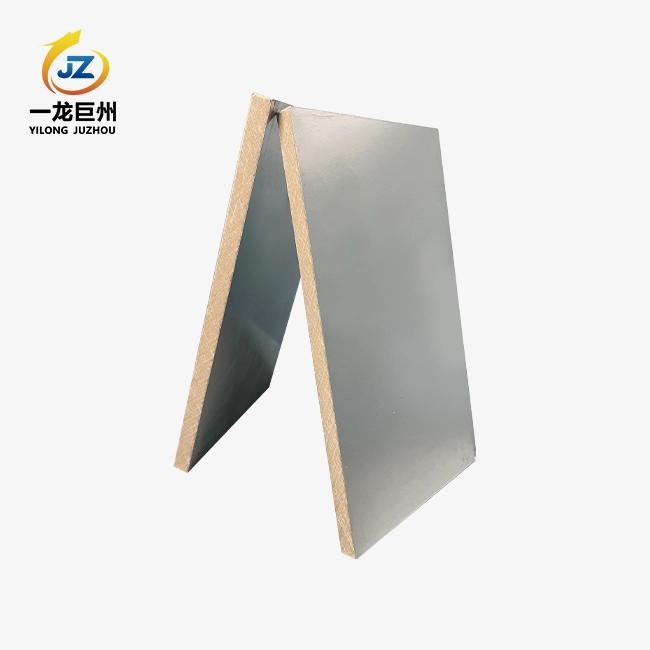
Two aluminum skins, each between 0.1 mm and 0.5 mm thick, are joined to a polyethylene core to form a PE aluminum composite board. The thickness of the whole panel is between 2 mm and 6 mm. Based on the project, the surface can hold polyester paint, PET film, PVC film, or PP film. This layered design gives it a rigidity-to-weight ratio that solid metal sheets can't match. This means it can be used for large-format internal uses without adding extra weight to the structure.

Core Performance Features
Here are the main performance traits that make PE aluminum composite panels a good choice for specifications:
- Class B1 fire resistance: Meets Chinese GB standards and international equivalents, suitable for public buildings and transit spaces.
- Waterproof and mold-resistant: The polyethylene core repels moisture, making these panels suitable for subways, tunnels, food processing facilities, and wet zones.
- Formaldehyde-free and odorless: No toxic off-gassing, supporting green building certification and healthcare compliance.
- High flexibility: Can be bent, drilled, nailed, and cut without fracturing. Panels over 3 meters tall can be produced on request.
- Sturdy and impact-resistant: Does not shatter under normal installation loads or accidental contact.
Along with these qualities, the material makes it a reliable choice for finishing walls in business and factory settings.

Where It Gets Applied
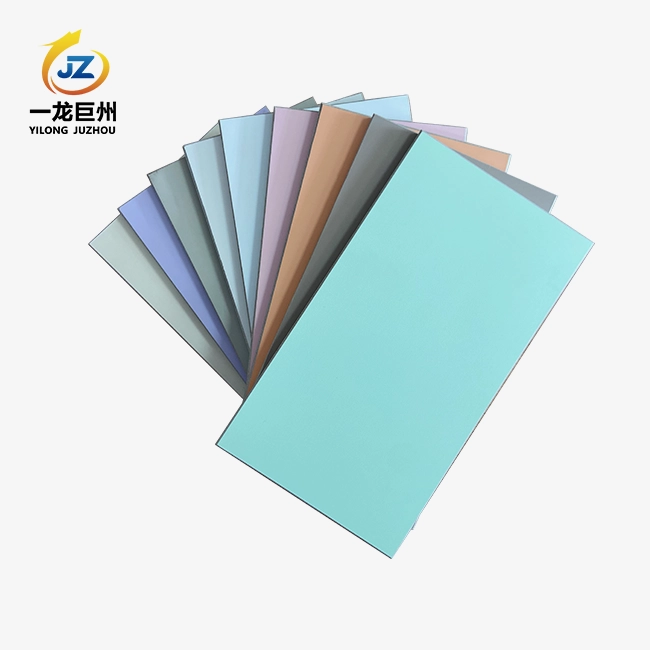
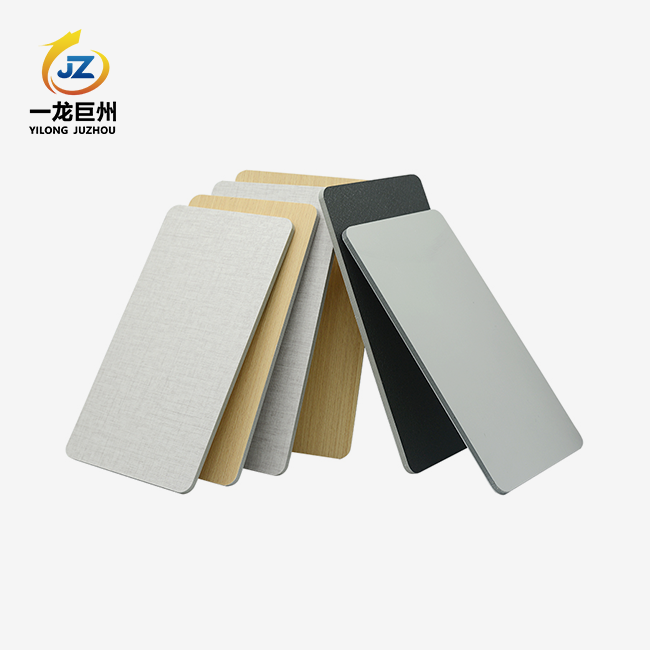
PE aluminum composite panels are used in a variety of locations. They are fast and simple to clean and are thus used for ceiling tunnels in airports and rail stations and to cover columns. Hospitals and medical beauty clinics like them since they are simple to clean and do not emit any pollutants. They are employed as feature walls in hotels and in the lobbies of homes. The surfaces might be one color, woodgrain, marble, metal, or fabric patterned to match the design plan. Widths of 1220 mm, 1500 mm, or 2000 mm may be adapted to different module grids, and unique lengths can be produced to accommodate non-standard floor-to-ceiling heights.
Comparing PE Aluminum Composite Board with Other Materials
PE ACP vs. PVDF ACP
Both panels have the same sandwich structure, but the covering resin is different. The PE (polyester) layer has a color guarantee of 5 to 8 years and performs well both indoors and outdoors under cover. Open outside walls need PVDF (fluorocarbon) coating with 15-20 year UV guarantees. PE panels function as well for interior work, but cost a lot less, making them the greatest alternative for bids that need to keep within a budget.
PE ACP vs. PVC and Metal Cladding
PE ACP boards are lighter but not quite as rigid and have a lower fire rating in most areas. Solid metal cladding is durable but can add weight and cost to a project. In the center are PE aluminum composite panels. They offer the clean surface polish and recyclability of aluminum, but are simple to install without sophisticated lifting equipment. Often, the balancing act is the determining element for procurement teams having to weigh up performance versus logistics.
PE ACP vs. Glass Partitions
Glass makes a room seem more open and has a higher design effect but is more expensive per unit and prone to breaking in heavy usage areas. PE composite panels may have painted or patterned surfaces that can segregate heat, endure impacts, and be available in a range of patterns. PE ACP is always the most cost-efficient alternative in settings like gymnasiums, conference centers, and school halls, where sturdiness and minimal maintenance costs are more vital than clarity.
Installing and Maintaining PE Aluminum Composite Board
Installation Preparation
Make sure the substrate is flat, dry, and physically sound before you place it. Panels can be attached with a metal extrusion frame, direct bonding with a structural glue that works with the panel, or mechanical fasteners that go through holes that have been drilled. It is easy to make on-site because the material can be worked with normal woodworking and metalworking tools, such as CNC routers with single-flute carbide bits. Don't use a laser to cut because the heat can melt the plastic core and warp the edges.

Routine Maintenance
The polyester-coated surface doesn't stain easily and can be cleaned with a soft cloth and mild soap. Do not use solvents or abrasive pads that are rougher than the coating's MEK rub resistance threshold. Every year, check the sides and joints of the panels to make sure the sealant is still good and look for any mechanical damage at the fastener points. Inspections every three months help find early signs of edge moisture ingress in places with a lot of humidity, like hospital hallways or kitchens where food is being prepared.
Fire Safety Compliance
The normal PE core meets Class B1 of GB 8624, which is enough for most commercial uses inside China and is the same as similar international standards. It is best to define a fire-retardant (FR) core with mineral-filled compounds (aluminum hydroxide or magnesium hydroxide) for projects that need A2 or higher grades, like those in some US code areas. Before finishing the standards, you should always check with the project's authority to make sure of the fire classification.
Procurement Insights – How to Buy PE Aluminum Composite Board
Evaluating Suppliers
When buying PE aluminum composite PE ACP board from a manufacturer, make sure you get third-party test reports that show the coating thickness (at least 16 µm by eddy current test), 180° peel strength (above 5 N/mm), and fire classification certificates. Check to see if the seller has ISO, CE, and any other environmental approvals that are needed. Shaanxi Yilong Juzhou Material Technology Co., Ltd. is certified to the China Environmental Protection Standard, ISO, and CE. It has two production bases in Xianyang, Shaanxi, and Foshan, Guangdong, and has 50,000 m² of stock on hand at all times.
Pricing, Lead Time, and Logistics
The normal lead time for making something at Yilong Juzhou is 3–7 days. Exports go through the ports of Shenzhen, Guangzhou, Shanghai, or Qingdao by sea, and Xi'an, Guangzhou, Shenzhen, and Foshan by land. Tiered pricing is common for large orders, so telling the supplier how much you need up front lets them give you an accurate quote. OEM and ODM orders are welcome and can include unique colors, finishes, panel sizes, and packing needs.
Requesting Samples and Quality Verification
Before placing a large order, ask for free real samples. Samples are sent out by Yilong Juzhou in 3–5 days. Do a basic T-bend test (pass at 2T without paint cracking), a pencil hardness test (minimum HB), and a visual check to make sure the surface is even. For industry customers who need particular panel heights above 3 meters, make sure the provider can do custom production in writing before placing an order.
Why Choose PE Aluminum Composite Board for Your Next Project?
Procurement teams in commercial construction, healthcare, and industrial sectors still choose PE aluminum composite panels, as they are effective in addressing specific problems. It doesn't have the dead-load difficulties of solid metal, and it doesn't off-gas as wood-based boards do. It offers design alternatives, five varieties of surface patterns, and a wide selection of standard sizes, all competitively bid.
Once the work is complete, a three-year quality assurance from a competent manufacturer reduces the project owners’ risk. The recyclability of the panel makes it easier for firms to report on sustainability. With two manufacturing sites in China, global distributors can count on consistent batch quality and a stable supply of products for existing regional contracts. Hospitals, hotels, and airports throughout the globe repeatedly describe the same things again and over again for these practical advantages, not nebulous sales promises.
Conclusion
PE aluminum composite board has been used in a wide range of interior applications including hospital walls, airport columns, hotel lobbies, and school corridors due to its physical and chemical properties that correspond to the real needs of these environments: fire resistance, moisture control, clean surfaces, and design flexibility. It is available in thicknesses from 2 mm to 6 mm, widths up to 2000 mm, and custom lengths over 3 meters, which allows it to be utilized in non-standard applications without the requirement for specific manufacturing. When buying, teams look at various forms of wall coverings for interior walls; this sort of panel has a good track record of dependable performance and is simple to install and maintain.
FAQ
1. What is the difference between PE and PVDF aluminum composite boards?
The core difference is the plastic used for the finish. Polyester (PE) coating is good for indoor uses and covered canopies, and the color is guaranteed for 5 to 8 years. PVDF (fluorocarbon) coating is used on open exterior walls and comes with a 15–20 year warranty against UV damage. PE panels look similar to wood but are cheaper and can be used for indoor work.
2. Can PE aluminum composite board be used outdoors?
It can go over shop fronts, canopy linings, and signs that are hidden from view. PVDF-coated panels, on the other hand, are the right choice for open facades that get a lot of direct UV light and rain. Putting PE coating on fully uncovered outdoor parts of a building speeds up the chalking and color fade process.
3. Is the PE core fire-rated?
GB 8624 says that the normal LDPE core is Class B1. For jobs that need to be classified as A2 or higher, you should ask for a fire-resistant (FR) core. Always check with the local government to make sure you have the right fire class before placing an order.
4. How long does PE ACP last in interior applications?
PE aluminum composite panels will keep their surface integrity and structural performance for at least 15 years if they are kept in normal conditions inside and are cleaned regularly. How long a coating lasts depends on how often it is maintained and whether it is exposed to chemicals or gets a lot of wear and tear.
5. Does PE aluminum composite board contain formaldehyde?
No, the polyethylene core and aluminum skins don't give off any formaldehyde. The Yilong Juzhou panels have been certified by the China Environmental Protection Standard to have no harmful emissions. This means they can be used in hospitals, schools, and other places where people need to be careful.
Request a Quote from YILONG JUZHOU – Your Trusted PE Aluminum Composite Board Supplier
YILONG JUZHOU ships certified PE aluminum composite board and guarantees its quality for three years. They also offer free samples within three to five days and offer full OEM/ODM support. We serve buying teams in the US and more than 30 other countries. We keep 50,000 m² in stock and can start making things in 3–7 days. To get a unique quote, email us at cnyang2000114@gmail.com right now.
References
1. Construction Materials Science and Technology Journal – 2021
2. ASTM International Standards for Building Products (ASTM D1781) – 2020
3. GB/T 17748-2016: Aluminum Composite Panels – National Standard of the People's Republic of China – 2016
4. Architectural Record: Interior Cladding and Wall Panel Systems – 2022
5. Journal of Building Engineering: Fire Performance of Composite Panel Systems – 20205
6. International Journal of Construction Management: Procurement Strategies for Interior Finishing Materials – 2023

Send Inquiry

Related Industry Knowledge
- Antibacterial Wall Panels for Hygienic Commercial Interiors
- Why Paint Peels Off Aluminum Composite Panels and How to Fix It
- Unlocking Quality: A Comprehensive Guide to Sourcing Premium HPL Fireproof Boards Globally
- What is HPL fireproof board?
- What is a PP healthy panel? Uses, Benefits & Future Trends Explained
- Exploring the Versatile Applications and Benefits of PP Healthy Panel Solutions
- UV light curing board Scratch Resistance and Durability Explained
- UV Antibacterial panels for Hospitals and Cleanroom Applications
- The Benefits Of Antimicrobial Wall Cladding For Hygienic Spaces
- Top 10 Tips for Working with Aluminum Composite Material Panels