
How to Choose a Calcium silicate fireproof board Supplier
October 14, 2026
The correct calcium silicate fireproof board provider can make the difference in the safety, compliance, and longevity of your entire project. These are high-performance panels used as non-combustible wall and ceiling solutions for hospitals, business skyscrapers, industrial facilities, and public infrastructure. The proper supplier provides certified fire ratings, consistent panel dimensions, reliable lead times, and technical support to keep your project on track. Whether you’re a U.S.-based developer, procurement manager, or overseas distributor, this book takes you through each important step of evaluation.
Understanding Calcium Silicate Fireproof Boards and Market Needs
What Makes These Panels Unique
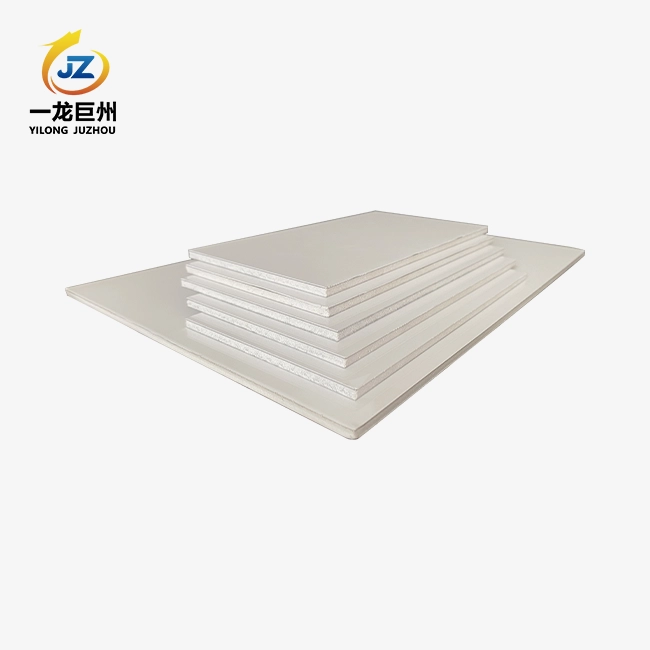
Boards made of calcium silicate are made from siliceous materials, calcareous binders, and fiber reinforcement. The end result is a Class A non-combustible panel that is light and doesn't catch fire. It also holds its shape better than gypsum wallboard and can handle more moisture. Standard widths are between 4 mm and 30 mm, and panels are usually 1220 mm by 2440 mm. Custom heights can go up to 3050 mm. ASTM E119 test protocols show that these boards are fire-resistant for up to two hours at 9–12 mm thicknesses, which is longer than mineral wool or regular drywall.

Common Procurement Challenges
B2B buyers in business building and healthcare often have to deal with inconsistent panel density, asbestos-free certifications that aren't made public, and unpredictable delivery dates. Quality differences between makers are still the most common complaint in reviews of tenders. Procurement teams should get test reports and material safety data sheets from outside sources before deciding on a supplier. Specification risk is greatly reduced by making sure that panels meet IBC fire-resistance standards and have ISO or CE certification.
Defining Your Procurement Criteria: How to Evaluate Suppliers Effectively
Core Evaluation Metrics
A well-organized seller review looks at three things: how well the product works, how much it costs, and how reliable it is in the real world. When working on U.S. projects that are governed by codes, procurement pros need providers who can provide recorded fire ratings, such as A1 fireproof wallboard, antibacterial certifications (if needed), and environmental safety data. It's also important to have clear lead times, flexible minimum order quantities, and bulk pricing structures, especially for construction timelines that are broken up into stages.

Here are the most important factors for evaluating a supplier:
- Fire Resistance Documentation: Confirm Class A or A1 non-combustibility ratings supported by independent laboratory test reports. Panels with a two-hour fire resistance limit at 12 mm thickness provide quantifiable safety margins for commercial and healthcare applications.
- Certification coverage: ISO 9001, CE, and environmental protection certifications indicate that a manufacturer has quality management systems in place and adheres to global standards. For U.S. projects, check conformance to ASTM or UL test techniques.
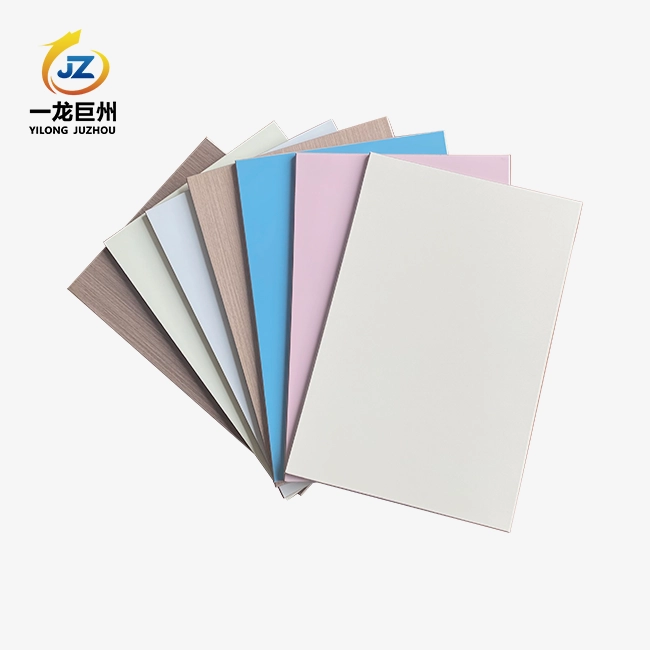
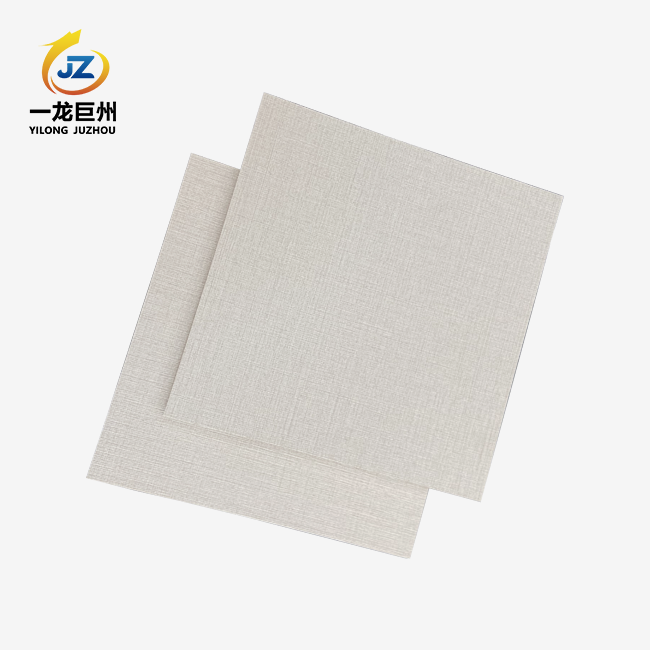
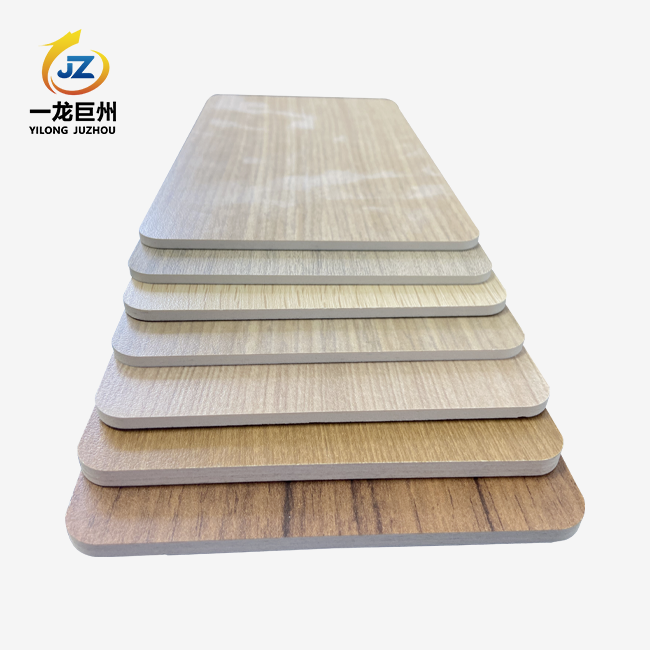
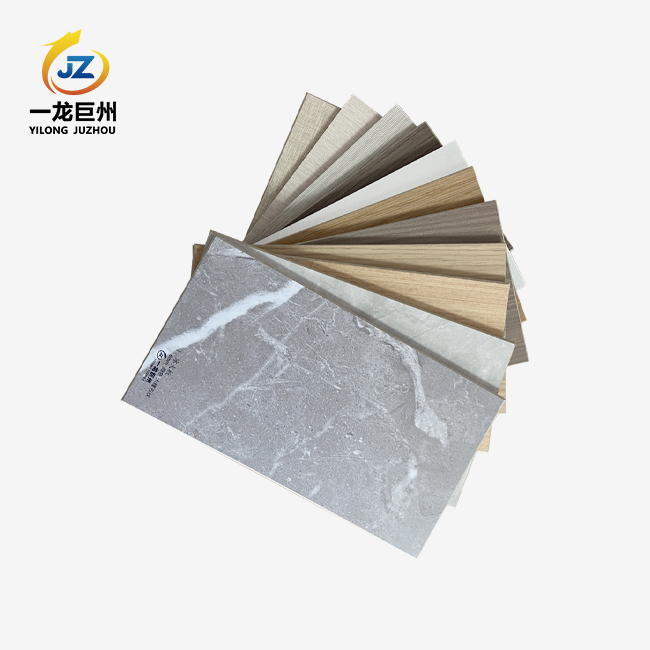
- Product range breadth: By providing a variety of surface finishes—marble film, wood grain, metallic, solid colour, and fabric pattern—along with unique sizes, a provider can eliminate the need to source from several vendors, making procurement logistics easier to manage.
- Lead time commitments: Confirmed manufacturing timelines of three to seven days and in-stock inventories of over 50,000 m2 demonstrate a true capacity to service large or urgent orders without supply chain disruption.
In addition to price, these criteria give procurement teams a way to objectively compare different suppliers that can be measured.
Comparing Calcium Silicate Fireproof Board Suppliers: Key Factors to Consider
Quality Versus Lifecycle Cost
When choosing panels based only on price per unit, the total cost of the job often goes up because the panels need to be replaced, fixed, or fail fire tests. The cost-per-sheet study should look at how long the panels last, how fast they are installed, and how likely it is that they will need to be fixed.
Logistics and Supply Chain Resilience
The location of the supplier directly affects the reliability of order fulfillment. For example, calcium silicate fireproof boards with UV-cured surface coatings last longer and don't need to be painted as often, which saves money on maintenance costs. The risk of a single point of failure is lower for manufacturers who have two or more production sites and can reach more than one seaport or land transport route. When distributors and developers bring goods into the U.S., they need suppliers with export experience and packing standards that meet the needs of container shipping. If you can verify your seaport access through Shenzhen, Guangzhou, Shanghai, or Qingdao, your cargo will follow known trade routes instead of making up new ones on the spot.
Best Practices for Engaging and Vetting Calcium Silicate Board Suppliers
Preparing an Effective RFQ
Getting clear answers to an exact Request for Quotation speeds up the process of comparing suppliers. In your RFQ, you should list the panel thickness options (4.5 mm to 15 mm), the surface finish you want, the certifications you need, where you want the panels delivered to, and when you need them. By putting compliance requirements in the beginning, suppliers who can't meet regulatory standards will be ruled out before negotiations even start.
Verifying Supplier Credentials
Before making a large order, ask for examples to be sent to you. Samples from reputable manufacturers are usually sent out within three to five days, giving your team time to do touch tests, measure the real sizes, and confirm the quality of the surface. Virtual or on-site factory checks add another level of proof by looking at things like the capacity of the production line, quality control checkpoints, and the clarity of where the raw materials come from.
Having long-term relationships with providers of calcium silicate board lowers the risk of buying things at different stages of a project. Talk about the terms of the contract that will lock in pricing tiers, spell out how to file a defect claim, and promise lead times for reorders. If a supplier offers both OEM and ODM services, you can ask for custom panel sizes, branding, or installation accessories. This is especially helpful for developers who are in charge of a portfolio of multiple buildings or for distributors who serve niche regional markets.
Installation and After-Sales Considerations Tied to Supplier Choice
Support Beyond the Sale
A provider is useful for more than just filling orders. Technical advice during the design process, installation guides, and quick contact after the sale all help to avoid mistakes that cost a lot of money to fix on-site. Panels made with a quick pressure strip installation method cut down on labor hours by a large amount. This is because factory-customized boards come ready to put, which is important when project plans are tight.
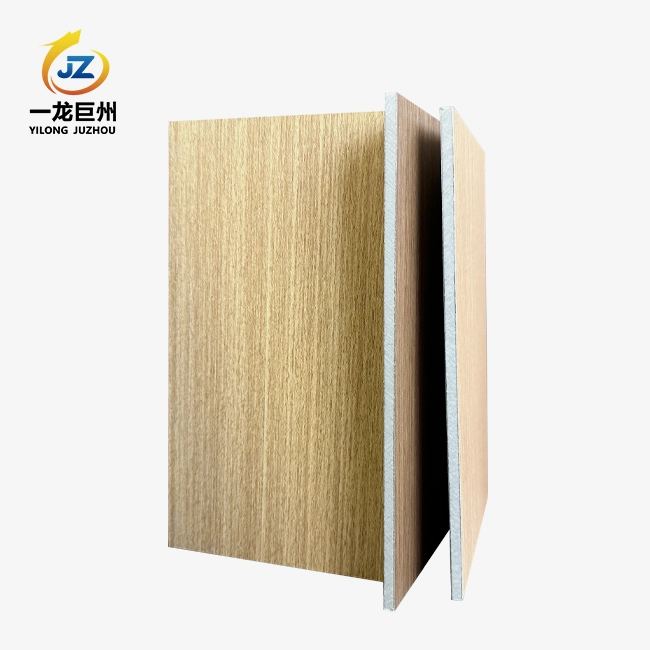
The YILONG JUZHOU marble calcium silicate board is a good example of a product that uses this support-integrated method. This panel has a calcium silicate base and a film-coated marble top layer. It can look good in a variety of ways and is very good at what it does.
These are the main things that make this product better than regular protective panels:
- 99.99% antibacterial rate: Meets the hygiene standards demanded by hospitals, schools, and food processing facilities where surface contamination control is non-negotiable.
- Class A fire resistance: Classified as a non-combustible material, making it compliant with the most stringent fire safety codes applied in U.S. commercial and healthcare construction.
- Waterproof, moisture-proof, and mildew-resistant: Performs reliably in high-humidity environments such as tunnels, pharmaceutical facilities, and coastal developments.
- Zero benzene emissions with UV-cured surface: The dense cured film reduces substrate off-gassing, enabling immediate occupancy after installation without air quality concerns.
- Impact-resistant construction: Prevents wall cracking and surface denting under the physical wear typical in high-traffic public spaces like airports, train stations, and shopping malls.
These benefits meet the performance needs of business developers, healthcare facility managers, and industrial workers all at the same time. The board comes in different thicknesses (4.5 mm to 15 mm) and sizes (1220 mm x 2440 mm) and heights (up to 3050 mm). It can be used for a wide range of architectural needs. There are many surface choices, such as plain color, wood grain, marble pattern, metallic finish, and cloth pattern. This gives design teams a lot of freedom when it comes to how the product looks.
Conclusion
Choosing a dependable calcium silicate fireproof board protective wall panel provider can affect the safety of the project, its compliance, and its long-term costs. The best ways to buy things are those that have verified fire ratings, written certifications, proven logistics capabilities, and suppliers who are quick to respond. Give more weight to manufacturers who can help with the whole buying process, from custom samples and technical specs to installation help and a warranty after delivery. Using the evaluation method in this guide will help procurement professionals choose suppliers in a way that will stand up to regulatory scrutiny and produce measurable value throughout the lifecycle of the project.
FAQ
Q1: How does calcium silicate board compare to gypsum board for fire resistance?
At normal thicknesses, calcium silicate panels can fight fire for up to two hours, which is longer than the performance of most standard gypsum wallboard products. They achieve Class A non-combustibility. They also don't break down when they get wet, which keeps them from becoming weak like gypsum walls do in damp places.
Q2: What is the typical lead time for bulk orders?
Orders are filled within three to seven days by manufacturers who have a steady supply of goods. Having at least 50,000 m² of goods on hand means that pressing purchases can be made without having to wait a long time.
Q3: Can panels be customized for specific project requirements?
Yes, reputable providers will accept OEM and ODM requests. This means that purchasing teams can ask for custom panel sizes (up to 3050 mm in height), surface finishes, and mounting tools. Samples made just for you are usually ready in three to five days.
Q4: Are these boards safe for healthcare and school environments?
Panels that are 99.99% antibacterial and don't give off any benzene meet the standards for cleanliness and air quality inside hospitals, schools, and kindergartens. UV-cured surface coats stop flammable substances from escaping after they are applied.
Partner with YILONG JUZHOU for Certified Calcium Silicate Fireproof Board Supply
YILONG JUZHOU has two factories, one in Foshan and one in Xianyang. They keep 50,000 m² of ready-to-ship goods in stock and answer all questions within 24 hours. We are a reliable producer of calcium silicate fireproof board with ISO, CE, and environmental certifications. We offer OEM/ODM customization, free samples sent within three to five days, and a quality guarantee that lasts for three years. To get a custom quote right away, email us at cnyang2000114@gmail.com.
References
1. American Society for Testing and Materials. ASTM E119: Standard Test Methods for Fire Tests of Building Construction and Materials. ASTM International, 2022.
2. International Building Code Council. International Building Code (IBC). ICC, 2021.
3. National Fire Protection Association. NFPA 285: Standard Fire Test Method for Evaluation of Fire Propagation Characteristics of Exterior Non-Load-Bearing Wall Assemblies. NFPA, 2019.
4. Underwriters Laboratories. UL Fire Resistance Directory. UL Standards, 2023.
5. Construction Specifications Institute. MasterFormat: Building Product Specifications for Fire-Rated Wall Systems. CSI, 2020.
6. International Organization for Standardization. ISO 9001: Quality Management Systems — Requirements. ISO, 2015.

Send Inquiry


Related Industry Knowledge
- A2 Aluminum Composite Panel vs. Standard ACP: Key Differences
- Aluminum Composite Panel Installation: A Practical Guide
- Inorganic pre-coated panels Fire Resistance and Performance Data
- Medical Clean Board Solutions for Sterile Laboratories
- ACP Sheets: Pros, Cons, and Uses Explained
- Overview of HPL fireproof board
- How to clean an aluminum composite panel?
- Top 10 Tips for Working with Aluminum Composite Material Panels
- Why Calcium Silicate Aluminum Composite Boards Are Ideal for High-Temperature Environments?
- What are the common issues faced during aluminum panel installation, and how to avoid them?