
HPL Fireproof Board: Key Benefits for Commercial Interiors
October 22, 2026
Fire safety is not a choice when ordering interior wall materials for commercial buildings, but a legal and ethical requirement. HPL fireproof board is a calcium silicate core with a high-pressure laminate covering both sides of the board. It is Class A fire-resistant, antimicrobial, impact-resistant, and flexible in design. If you are the one responsible for procurement for a hospital network, hotel chain, or airport terminal, this article takes you through what to consider about this panel category and why it should be taken seriously, from composition and performance statistics to sourcing, installation, and supplier selection.
Understanding HPL Fireproof Board: Composition, Specifications, and Fire Resistance
What It Is Made Of
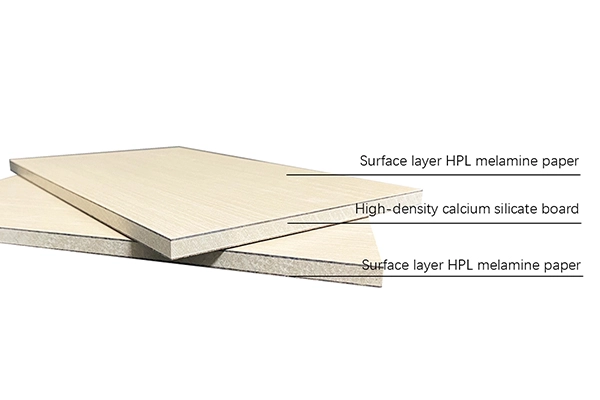
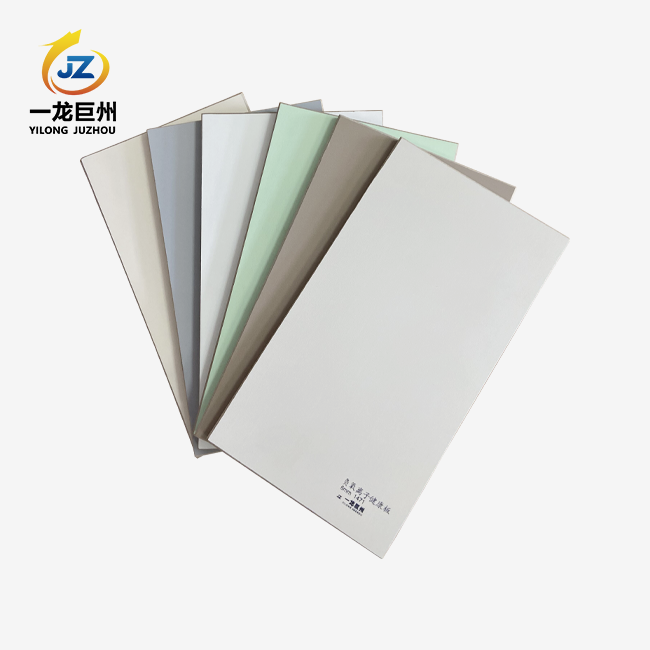
The HPL fireproof board from YILONG JUZHOU has two layers of HPL laminated on top of a calcium silicate board. The top layer is a decorative sheet made of melamine and resin that is welded together under high pressure (≥1,000 PSI) and high temperature (≥143°C). This makes a thick panel that doesn't change shape. The structural body is made up of a calcium silicate core, and the top function is provided by an HPL skin.
Standard Specifications
The panel comes in nine different thicknesses: 4.5, 5, 5.5, 6, 8, 10, 12, 14, and 15 mm. In general, the width is 1,220 mm, the length is 2,440 mm, and the height is 3,050 mm. These sizes work for both normal module grids and taller floor-to-ceiling installations that are popular in airports and business lobbies.
Fire Performance and Certifications
The board meets international standards like ASTM E84 Class A and EN 13501-1 and achieves fireproof Class A, which is the highest fire-resistance classification in China. The item has marks for the China Environmental Protection Standard, ISO, and CE. Its high density (more than 1.35 g/cm³) and low water absorption rate (less than 1.0%) make it even better for controlled settings.
Key Benefits of Using HPL Fireproof Board in Commercial Interiors
The choice of a fire-rated interior panel may have a major impact on many aspects of a project, including code compliance, safety of occupants, maintenance costs, and aesthetics. This panel is a leader in corporate environments, and below are the key performance advantages of this panel.
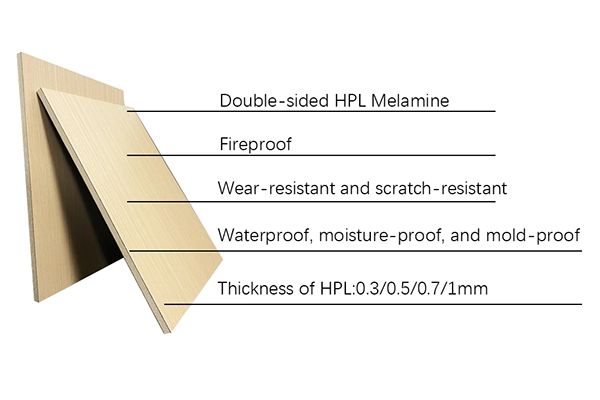
- Class A fire resistance: The HPL wall panels prevent flame spread and substantially lower the rate of heat emission. This immediately improves code compliance for high-occupancy buildings such as hotels, hospitals, and transportation hubs, and may favorably influence property insurance ratings.
- 99.99% Antibacterial Rate: The antibacterial effect is 99.99% based on independent testing, making the panel a good choice for hospital operating rooms, food processing hallways, and school classrooms where infection control is a procurement need.
- Waterproof, Moisture-Proof, Mildew-Proof: non-porous HPL surface to prevent water penetration. The feature also preserves the panel for tunnel, commercial kitchen, and bathroom situations, where conventional wood-based panels and gypsum often don’t last more than a few years.
- Wear and Impact Resistance: The Taber Abrasion Test validates the surface resilience against repeated contact. High impact resistance eliminates wall dents and cracking in high-traffic corridors, a typical complaint with gypsum and mineral fiber systems.
- Zero Benzene, No Odor After Installation: No benzene or volatile organic chemicals in the material. UV curing creates a thick surface coating, which decreases the off-gassing of the substrate. Spaces may be used as soon as they are installed – a practical benefit in restoration projects when downtime is costly.
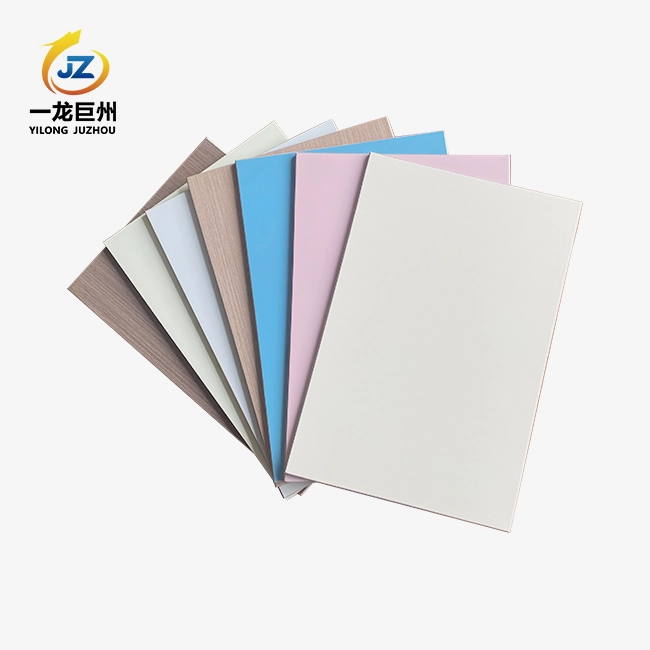
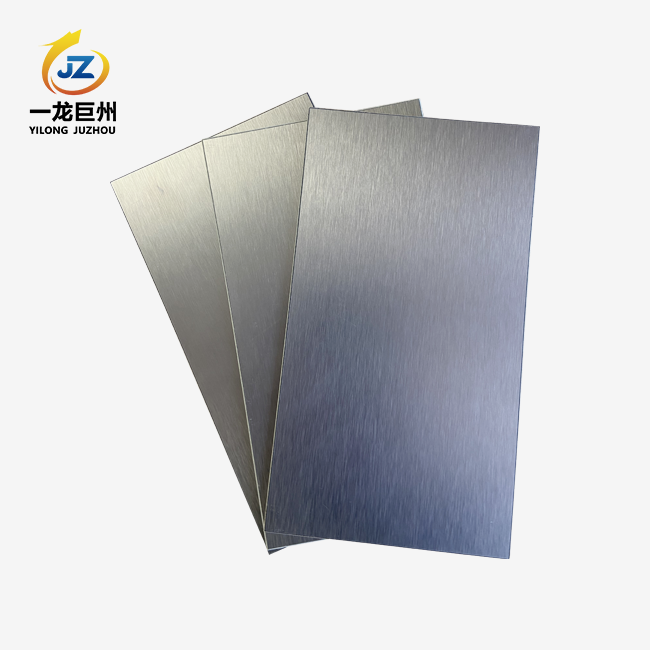
- Color stability: The surface treated with UV keeps the color longer than panels printed traditionally and prevents batch-to-batch color variances. Patterns are available in solid color, wood grain, marble, metallic, and textile texture.
These advantages immediately translate into reduced expenses across the lifespan. With painted laminate systems, facilities pay less for wall maintenance over ten years, since they don’t need to be painted as frequently, don’t need as much mold cleaning, and suffer less surface damage.
Comparing HPL Fireproof Board with Alternative Fire-Resistant Materials
When specifying fireproof wall systems, procurement teams often look at a number of different types of materials. Key factors are compared in the table below:
| Material | Fire Rating | Moisture Resistance | Weight | Installation Complexity | Design Options |
|---|---|---|---|---|---|
| HPL Fireproof Board | Class A | High | Medium | Low (pressure-strip system) | Wide |
| Cement Board | Class A | Medium | High | High | Limited |
| Gypsum Board | Class B–C | Low | Low | Medium | Moderate |
| Fire-Resistant Plywood | Class B | Low | Medium | Medium | Moderate |
| Metal Panel | Class A | High | High | High | Moderate |
Cement boards have the same fire rating, but they are much heavier and need to be cut and put together by trained workers. Gypsum walls are about the same price as other options, but they soak up water, so they can't be used in wet or muggy places. Humidity changes can cause fire-resistant boards to bend. Metal plates get Class A grades and don't absorb water, but they cost more and don't let you choose as many surface patterns. The HPL fireproof HPL wall panels are the only product that fully satisfies the requirements for fire safety, moisture control, stylistic variety, and installation speed.
Procurement and Installation: What B2B Clients Need to Know
Supply Chain and Lead Times
YILONG JUZHOU has two factories. One is in Foshan, Guangdong Province; the other is in Xianyang High-tech Zone, Shaanxi Province. The stock at the moment is 50,000 m². Usually, it takes 3 to 7 days to make something, and we answer questions within 24 hours. Exports go through the seaports of Shenzhen, Guangzhou, Shanghai, and Qingdao, as well as the road travel hubs of Xi'an and Guangzhou.
Customization and OEM/ODM
We take both OEM and ODM orders. Custom sizes, patterns, and thickness requirements can all be set up at the factory level. Sample orders are sent out within 3 to 5 days, and approved buying teams that are looking at the product for bids can get free samples.
Installation Method
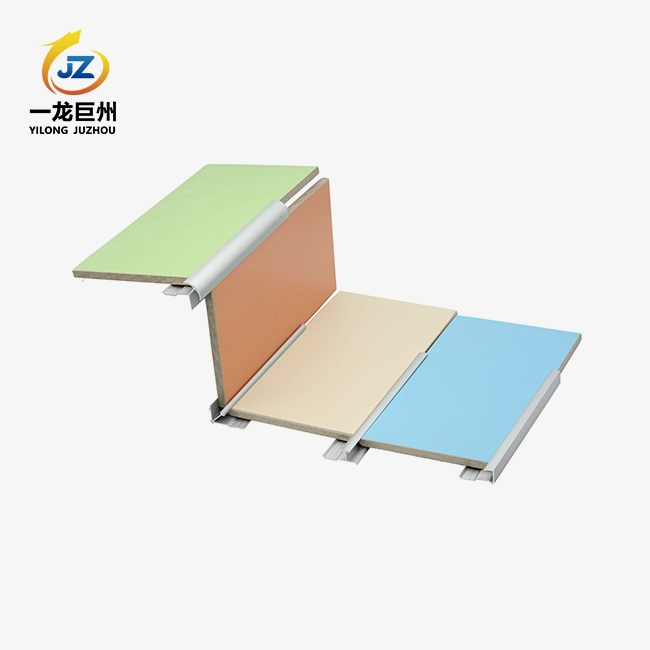
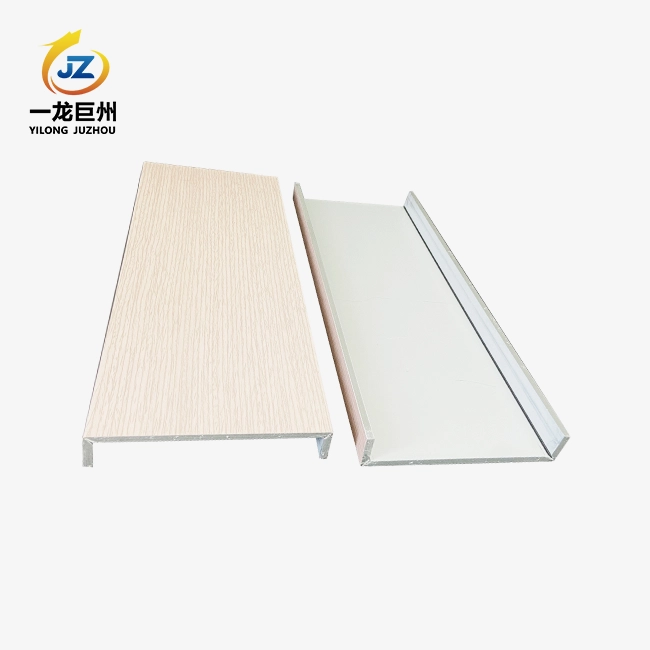
A quick pressure-strip installation system is used to put up the panel. Pre-cutting in the factory cuts down on the time needed for work on-site, and the system can be used on bare walls without needing a finished substrate. This method saves time and labor, which is a real benefit when renovating buildings that are already being used in stages.
Why Choose Our HPL Fireproof Board Solutions?
YILONG JUZHOU makes and sells panels for decorating inside homes. They can make panels in both Shaanxi and Guangdong areas. The company's
items have been installed in hospitals, schools, hotels, office buildings, pharmaceutical companies, food processing facilities, tunnels, and public transportation systems in over 30 countries. They have CE, ISO, and China Environmental Protection Standard certifications.
YILONG JUZHOU differs from other providers of HPL fireproof board because they are more scientifically knowledgeable and reliable in what they give. The engineering staff conducts the technical work, both on the design and the installation, and every purchase comes with a three-year quality warranty. The firm currently has two ports for exporting and works with transportation partners, so international customers don’t have to worry about delivery on huge orders.
Conclusion
For business interior projects where fire safety, cleanliness, and long-term longevity are essential, HPL fireproof boards offer a quantifiable performance edge. The product meets the needs of hospitals, transit systems, office buildings, and factories in a single panel system thanks to its Class A fire rating, 99.99% antibacterial performance, resistance to moisture, and design range. Having these features, along with an easy installation process and certifications that can be checked, gives procurement teams the technical confidence they need to make formal bids and sign long-term supply contracts.
FAQ
1. Is HPL fireproof board completely non-combustible?
Not at all. It keeps fires from spreading, but it's not inactive like stone or concrete. Class A means that it slows the growth of flames and lowers the amount of heat it gives off, but it is not always considered non-combustible. When comparing ratings from different markets, you should always check the exact test method that was used.
2. Can this panel be used in humid environments like commercial kitchens or bathrooms?
Yes. Both the non-porous HPL surface and the calcium silicate substrate don't let water in. The panel is made to be used in places where gypsum or wood-based options would get damaged over time, like food processing plants, hospital wet rooms, and tube wall cladding.
3. What thickness should I specify for a high-traffic corridor?
6 mm to 8 mm is a typical range for regular business walls in hotels and companies. 10 mm to 12 mm panels are usually used in places where they will be hit hard, like hospital hallways where equipment is constantly moving.
4. What are typical lead times for bulk custom orders?
Usually, it takes 3 to 7 days to make a standard run. Depending on the number, orders for custom sizes or patterns may need more wait time. For project-specific scheduling, please contact YILONG JUZHOU directly.
5. Are free samples available?
Yes, you can get free samples, and they usually get sent out within 3 to 5 days.
Get a Quote from YILONG JUZHOU — Trusted HPL Fireproof Board Manufacturer
In more than 30 countries, YILONG JUZHOU sells HPL fireproof boards to business developers, managers of healthcare facilities, and foreign wholesalers. The company has two production bases, a 50,000 m² stock reserve, a 24-hour response time, and a quality guarantee that lasts for three years. This means that they can handle both one-time orders for projects and long-term supply contracts. Email cnyang2000114@gmail.com to get a free sample or project quote.
References
1. National Fire Protection Association (NFPA). NFPA 101: Life Safety Code. 2021.
2. ASTM International. ASTM E84: Standard Test Method for Surface Burning Characteristics of Building Materials. 2023.
3. European Committee for Standardization. EN 13501-1: Fire Classification of Construction Products and Building Elements. 2019.
4. NEMA (National Electrical Manufacturers Association). NEMA LD 3: High-Pressure Decorative Laminates. 2020.
5. ISO. ISO 4586: High-Pressure Decorative Laminates (HPL) — Sheets Based on Thermosetting Resins. 2022.
6. U.S. Green Building Council. LEED v4.1: Building Design and Construction Reference Guide. 2021.

Send Inquiry


Related Industry Knowledge
- UV Antibacterial panels Safety Standards and Certification Overview
- How to Choose a Coated Aluminum Composite Panel
- Melamine fireproof board Installation Guidelines for Builders
- How Durable Is PE aluminum composite board?
- Coated Aluminum Composite Panel: Key Benefits
- UV Antibacterial panels in Commercial Interior Design Projects
- Are there any antibacterial indoor wall panels?
- Modern Wall System Innovation: PP healthy panel for Durable, Aesthetic, and Healthy Interiors
- Exploring Modern Aluminum Composite Panel Innovations
- Calcium Silicate Aluminum Composite Board Explained: Structure, Benefits, and Uses