
Is Calcium silicate aluminum composite board Eco-Friendly?
November 13, 2026
There are times when yes. Depending on how it is made and where it is used, a calcium silicate aluminum composite board may be environmentally preferable. Silica and lime make up the mineral core, which doesn't need formaldehyde to harden and can handle both fire and water. The face is strong and easy to clean because of the aluminum skin. There is no doubt about whether the panel will last twenty years or two years, how much energy was used to make it, or how far it was shipped. People who want to buy something need to know the difference between green claims made for marketing purposes and real green claims.
What Is Calcium Silicate Aluminum Composite Board?
Core, Skin, and Surface Layers
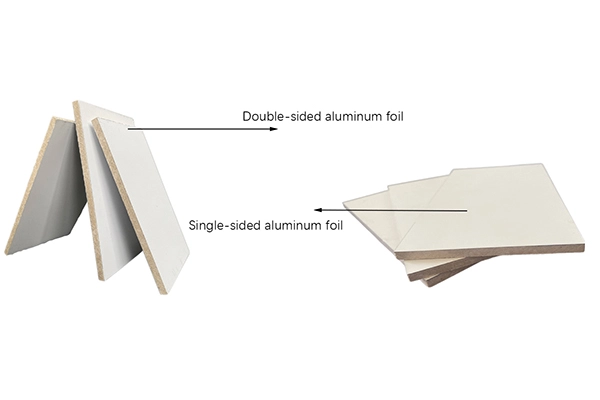
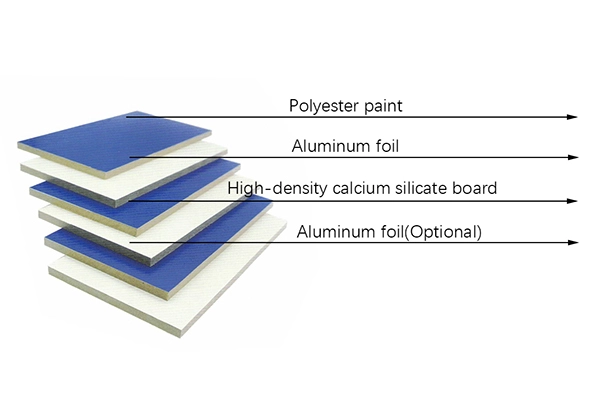
It seems like a sandwich. In the middle is a calcium silicate core. This is made when silica and lime mix in a steam-filled autoclave. When you cure something, that step makes a stable crystalline structure. It makes a dense mineral board that won't catch fire. A skin made of aluminum is stuck to one or both of the faces with glue. The skin can be anywhere from 0.1 mm to 0.5 mm thick. A pretty layer on top of the face can be made of PP film, PET film, PVC film, or polyester paint. You should look at the environmental profile of each layer because it does a different job.
Sizes, Thickness, and Finishes
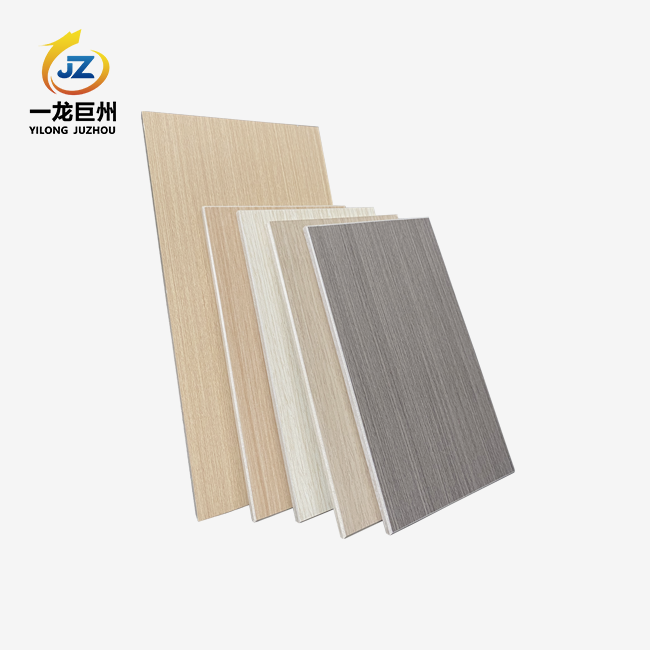
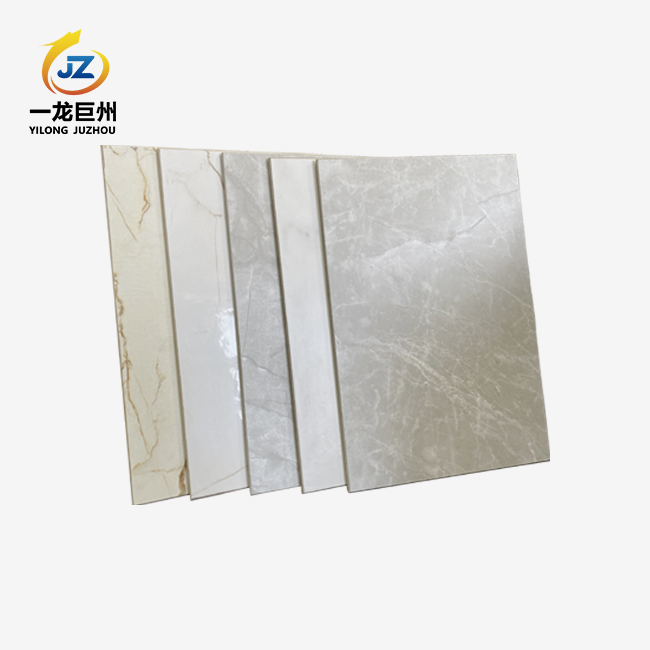
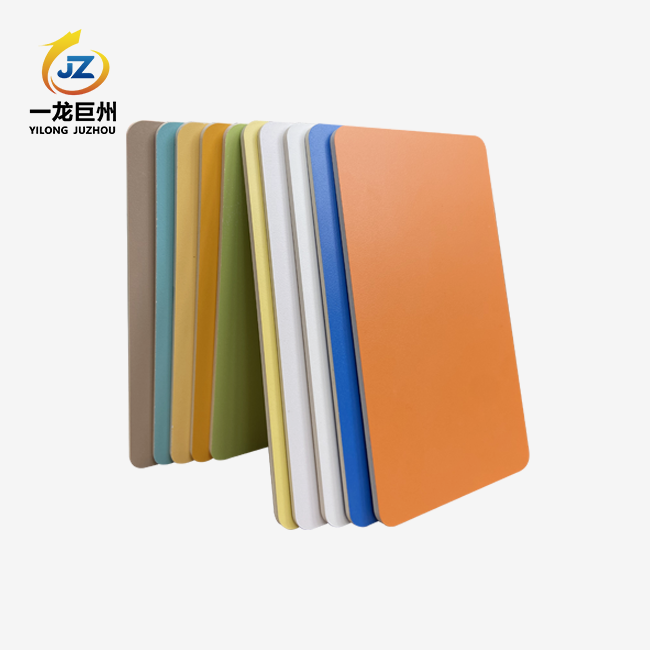
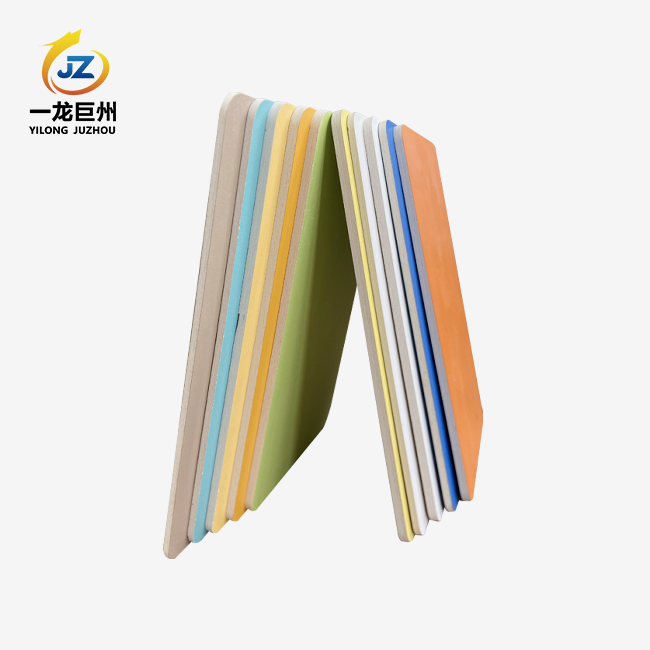
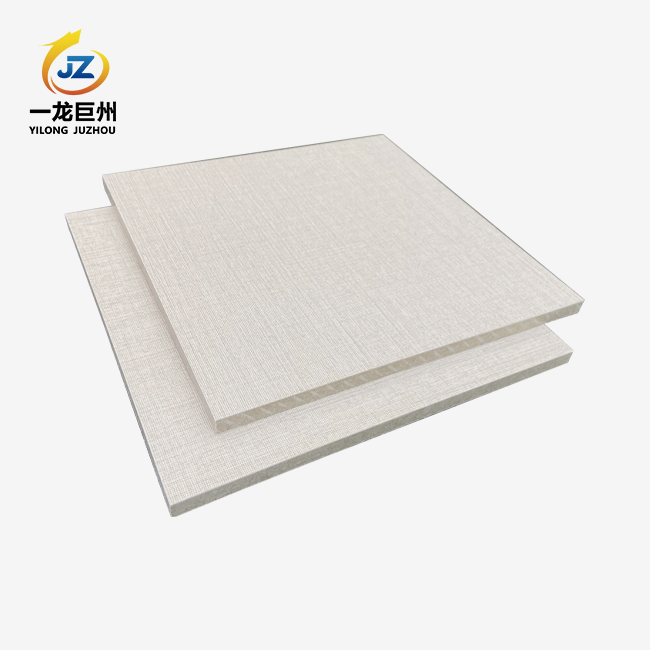
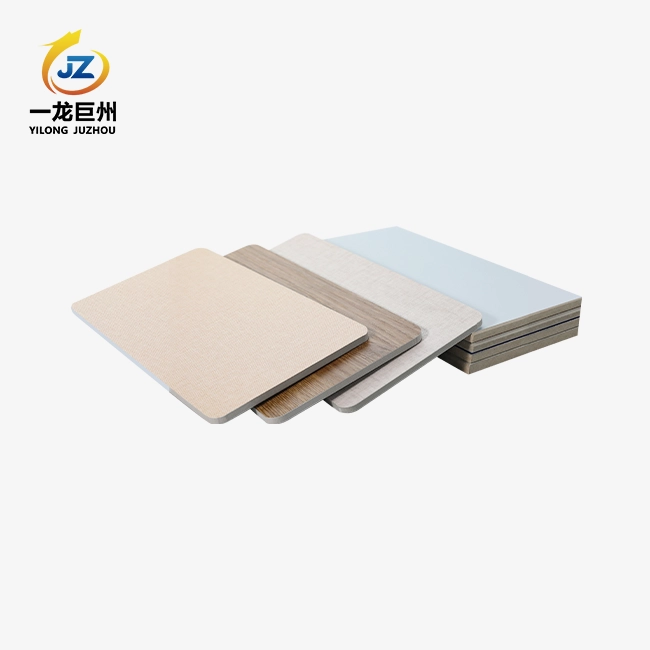
The sizes that are in stock are 1220 mm wide by 2440 mm long but may be produced up to 3050 mm long if required. The stages are from 4.5 mm to 20 mm thick: 4.5, 5, 5.5, 6, 8, 10, 12, 15, 18 and 20 mm. If the client requires a panel higher than 3 meters, we may order one. For a great appearance, you have a choice of solid colours, woodgrain effects, marble effects, metallic finishes and textile textures. Matching a marble design to a lobby, or a woodgrain pattern to a hotel hallway, generally requires seeing a sample in person. This is because the tone of print varies with the changing of light.
What the Datasheet Should Tell You
When evaluating an A1 aluminum composite board, a datasheet should include a list of materials, core density, thickness tolerance, skin thickness, kind of adhesive, fire classification, quantity of water absorbed, and packing. Apart from that, I need to know the peel strength since the link between the metal and mineral influences how long the panel can endure variations in temperature. Environmental evaluation is also concerned with the specific make-up. Two boards that seem the same may have different binders, films, and glues. If not, then stating you are green is only a catchphrase. Check the text in writing before you draft a project specification or compare vendors.
Is Calcium Silicate Aluminum Composite Board Eco-Friendly?
Life-Cycle Factors That Decide the Answer
You can't answer the question with one piece of evidence. Where do the aluminium, silica, and lime originate from? What is the electricity used by the coating line and autoclave? What compounds are in the film and the glue? How long does the panel run? What does it smell like in there? How frequently should it be cleaned? How far will it go? What happens to it when it’s taken down? The cost of creating a twenty-year panel is amortised over twenty years. A panel that fails after five years is a problem, not a solution.
Where the Environmental Benefits Come From
It is possible to measure some of the benefits. There is no formaldehyde in the core, and no organic binder was added, so the panel doesn't smell when it gets there. Because a Class A1 core doesn't add much fuel to a fire, a wall assembly might not need as much fireproofing. Because it doesn't absorb water, the board doesn't swell, rot, or grow mold when it's used in damp places. Aluminum faces don't need much care because they are easy to clean. When aluminum is no longer useful, it can be sold as scrap. Why is a mineral-core panel better for the environment? Because it lasts a long time and doesn't need much maintenance.
Where the Environmental Impacts Sit
The effects are really there. Mineral board can be made with a lot less electricity than primary aluminum. The primary aluminum electricity may come from coal. There must be steam and pressure in an autoclave for something to cure. Petrochemicals are in paints and films, and some adhesives let out solvents when the two are glued together. It takes more gas to move thick gypsum panels than it does to move dense mineral panels. If you live in an area with enough processing power, you may be able to recycle aluminum cans when they are no longer useful. For me, these points don't get in the way; I see them as questions about design.
Environmental and Technical Performance in Real Assemblies
Fire and Moisture Behavior
According to EN 13501-1, Class A1 items don't burn and don't add much heat to a fire. For a calcium silicate aluminum composite board, that's for the board, not the wall that's been put up. The fire resistance of a wall or tunnel lining is based on its studs, cavity depth, insulation, joints, and fasteners. The same rule holds true for water. It doesn't soak up water, rot, or grow mildew. But the aluminum skin keeps out moisture, so joints need to be sealed and holes need to be drained or opened up to let air flow. Those details are very important when cleaning tunnels or hospitals.
Thermal and Acoustic Reality
Heat moves through a material better if its core is dense and thick. A finished wall works differently than a single board. Because of joints, holes, and extra insulation, the number changes. When there is mass and sealing, sound moves through the air more slowly. The mineral core gives the sound more weight, which helps with sound traveling through the air, but the gaps and penetrations quickly cancel that out. Buyers shouldn't just ask for a panel value; they should ask for test data for the assembly they want to put together. For me, any thermal or acoustic figure is just a place to start. Before the figure is approved, it goes through a project-specific test that either confirms it or fixes it.
Evidence to Request Before Approval
That's not what you want; ask for the fire test report that matches the classification you need. For example, a formaldehyde report and VOC emissions tests according to the Standard Method of the California Department of Public Health are needed to find out about the indoor air quality. Environmental Product Declarations that follow EN 15804 show how a product works from start to finish. While ISO 14001 says that the factory cares about the environment, it doesn't say anything about the panel itself. The file is complete with CE marking, statements about recycled content, and records of batch traceability. Most of the time, suppliers with faster production lines are the ones who respond quickly to these requests.
How Does It Compare With Other Building Boards?
Gypsum and Fiber Cement
You can use gypsum board to make dry interior walls because it is cheap and simple to put up. As long as you don't ask for a grade that doesn't absorb water, it can't be used when it's wet. Fiber cement is strong and doesn't soak up water, but it's heavy, tough to cut, and is often painted on-site, which adds to the work and makes solvents go into the air. The panel made of mineral aluminum is in the middle. It's already done when it gets there, so it doesn't need to be coated. The longer time it takes to finish a hospital hallway or subway wall often makes up for the higher unit price.
PE-Core ACP and Rock Wool Sandwich Panels
Aluminum composite panels that are made the old way use polyethylene (PE) as the core, but PE burns. Many stores now say it's against the rules to use it in tunnels or tall buildings because of fire safety. That's why the A1 classification is important near escape routes and enclosed transport areas: a mineral core removes the fuel load. Fire and heat can't get through rock wool sandwich panels very well. Factories make them as whole systems for cold storage and industrial shells. Mineral board is better for a decorative inside finish, tight tolerances, and a 6 mm profile, but those work well for big outside walls.
Magnesium Oxide Board
Most of the time, the magnesium oxide board costs less than a mineral-aluminum composite and doesn't catch fire or get wet. Another weakness is that it isn't always the same. Panels can warp, and the density can change from batch to batch. Also, some formulations react with water and chloride over time, which can damage fasteners. The surface problem is fixed by the mineral panel with an aluminum skin because the face is smooth and stays in place. I would still check the core formulation and long-term humidity data before putting magnesium oxide in a tunnel or a wet processing area.
How to Choose an Eco-Friendly Panel and Verify It?
Define the Application First
Start with the room, not the price list. A calcium silicate aluminum composite panel can be a suitable option depending on the project's requirements. It should be possible to clean the walls and joints of a hospital hallway. At the A1 level, a tunnel must be able to handle hits, water, and fire. The floors in a drug plant need to be flat and smooth so that dust doesn't stick to them. In a hotel lobby, the marble or woodgrain finish has to go with the style. Each case has a different thickness, film on the surface, and way to fix it. You can make sure that no one sells 20 mm board when 6 mm would do by writing down your needs before calling suppliers.
Specify Numbers, Not Adjectives
Switch the words for numbers. List the thickness in millimeters, the density, the thickness of the skin, the fire class, the amount of water absorbed, the peel strength, and the size range. List the base, the details of the joints, and how the piece will be attached. Three suppliers can all quote on the same item, and you can refuse a substitute without a fight. It costs money to be too specific as well. It's a waste of time, money, and materials to use a 15 mm panel for fire and impact safety when an 8 mm panel will do. The most eco-friendly specification is the one that does the job and doesn't add extra features that no one wants.
Qualify the Manufacturer, Then the Panel
How good the panel is is up to the factory that makes it. You should be able to cure the product in an autoclave and have written peel test procedures and batch tracking. One factory is in Xianyang, Shaanxi, and the other is in Foshan, Guangdong. It has 50,000 m² of stock, can make things in 3 to 7 days, and gets back to you in 24 hours. The company has both ISO and CE marks, as well as the China Environmental Protection Standard mark. They do OEM and ODM work, and for three years, they have promised that their panels will be of good quality. Samples are sent out in 3–5 days.
Conclusion
It is not based on words but on facts that we decide if calcium silicate aluminum composite board is eco-friendly. It can withstand Class A1 fires, doesn't soak up water or mildew, and has a mineral core that doesn't contain formaldehyde. It also lasts a long time with little upkeep. It costs more to make these changes because they use more energy to melt aluminum, fuel for autoclaves, petrochemical films, and freight weight. Assemblies that have been tested have ratings for sound, heat, and fire. In other words, claims need reports that match the wall you want to build. Before placing an order, buyers who ask for composition data, VOC results, and declarations get a clear picture of what they are getting and are less likely to be surprised when the product is delivered.
FAQ
Q1: How does this board differ from a traditional ACP?
It is dangerous to use polyethylene as a core in traditional aluminum composite panels because it can catch fire. This doesn't have a mineral core. In this case, the difference changes the type of fire, the amount of smoke, and where the panel can legally be placed. On top of that, the mineral version holds fasteners better over time and absorbs shock better.
Q2: Is the panel waterproof enough for tunnels and hospitals?
The board won't rot because it doesn't soak up water. Water can't get into the core because of the aluminum face. It's not the tank's inside. Moisture can get in through joints that aren't sealed, so be sure to talk about the sealant, how it drains, and how air flows through it. When your staff cleans areas that get sealed, make sure that the sealant works with the products that they use.
Q3: What service life and maintenance should I expect?
They offer a quality guarantee from YILONG JUZHOU for three years. Real life: The service life is based on the film on the surface and how well it was applied. Interior films last for a long time if they are cleaned often. It needs to be cleaned with a surface-safe cleaner once a year; the joints and sealants should be checked, and single panels should be replaced instead of whole walls.
Request a Calcium Silicate Aluminum Composite Board Sample From YILONG JUZHOU
We need you to send us your wall schedule so that our team can give you a quote. Making calcium silicate aluminum composite board is something we do in our plants in Shaanxi and Foshan. We keep 50,000 m² in stock, ship within 3–7 days, and respond to all messages within 24 hours. To get a free sample and find out more about OEM or ODM work, email cnyang2000114@gmail.com. Our engineers look over your plans before they start making things.
References
1. European Committee for Standardization, EN 13501-1:2018, Fire Classification of Construction Products and Building Elements, 2018.
2. ASTM International, ASTM D1781-98(2012), Standard Test Method for Climbing Drum Peel for Adhesives, 2012.
3. European Committee for Standardization, EN 15804:2012+A2:2019, Sustainability of Construction Works — Environmental Product Declarations, 2019.
4. International Organization for Standardization, ISO 14001:2015, Environmental Management Systems — Requirements with Guidance for Use, 2015.
5. California Department of Public Health, Standard Method for the Testing and Evaluation of Volatile Organic Chemical Emissions from Indoor Sources, Version 1.2, 2017.
6. International Aluminium Institute, Aluminium Sector Greenhouse Gas Pathways to 2050, 2021.

Send Inquiry

Related Industry Knowledge
- Choosing Calcium silicate aluminum composite board for Facades
- How Does Calcium silicate aluminum composite board perform?
- How to Choose the Right HPL Fireproof Board for Your Project
- Exterior wall ACP panel: Benefits, Uses, and Design Options
- How Durable Are Calcium Silicate Aluminum Composite Boards in Harsh Environments?
- Fiberglass Resin Board: Composition, Performance, and Industrial Applications
- Why is the Negative Ions Healthy Panel Ideal for Hospital Wall Decoration?
- How Do Antibacterial Wall Panels Work to Prevent Bacterial Growth
- Why Calcium Silicate Aluminum Composite Boards Are Ideal for High-Temperature Environments?
- Calcium Silicate Aluminum Composite Board Explained: Structure, Benefits, and Uses