
Is Fiberglass Resin Board Heat Resistant?
November 17, 2026
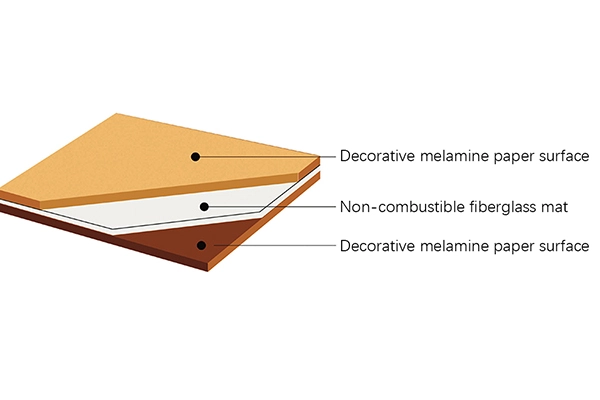
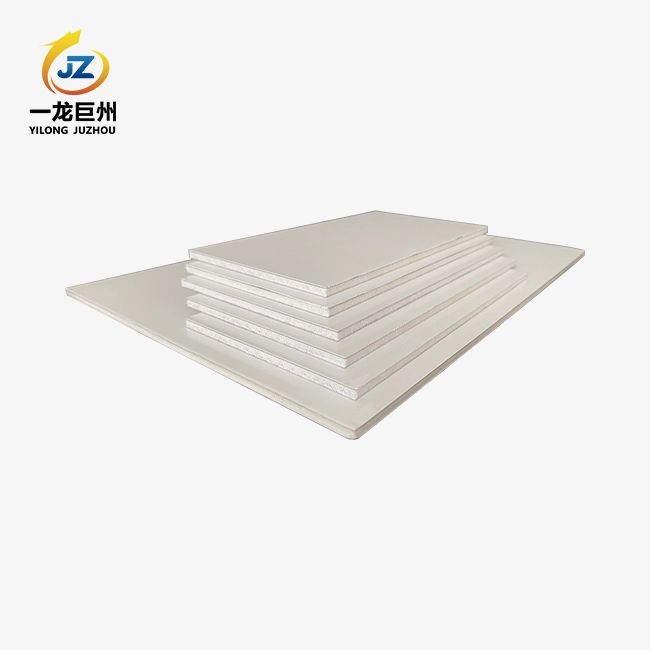
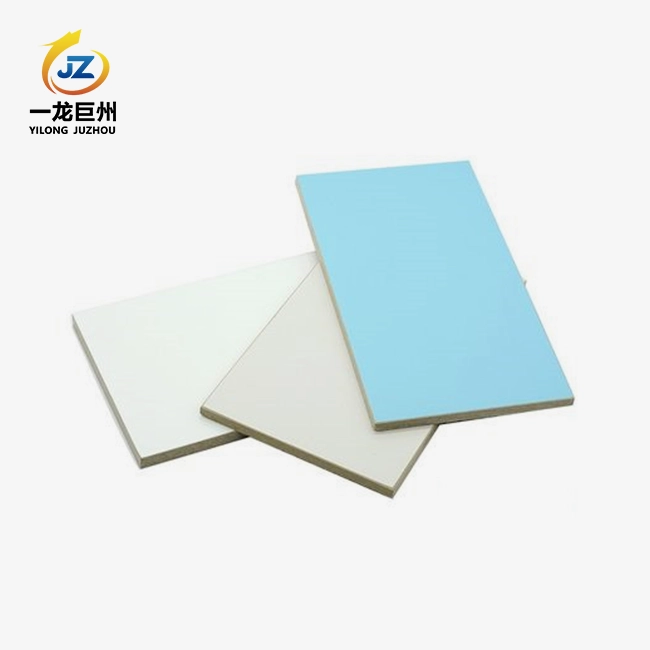
Fiberglass resin board may take a little heat. The precise limit is determined by the kind of resin used, the top layer, and the usage of the board. Glass fibres are able to withstand extremely high temperatures, and thermosetting resins, which do not melt like thermoplastics, are able to keep things sturdy. Our wall panel is fibreglass felt & melamine paper on both sides. It has an A rating for non-flammability. This makes it a fantastic alternative for within walls where fire safety is vital. This guide explains the temperature terms, important properties, uses, and buying checks to help you choose the right board for your project.
What Fiberglass Resin Board Is and How Heat Affects It
Composition and Manufacturing
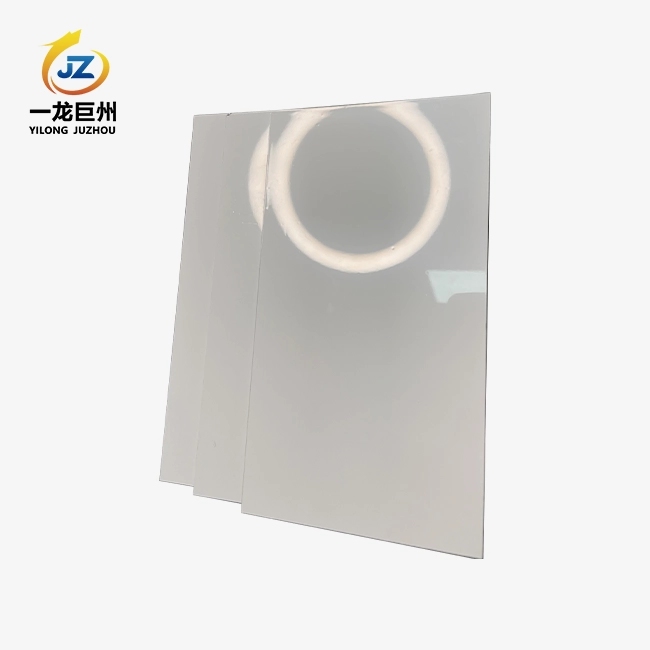
It is a rigid composite made of fiberglass resin board. Glass fibers give it strength and shape stability, and a thermosetting resin holds them together and controls how they react to heat and flame. To keep the electricity from flowing, industrial versions like G10 and FR4 use woven glass cloth and epoxy. The structure of our interior wall panel is different. It is made of fiberglass felt and has melamine paper on both sides. The layers are pressed together with heat and pressure to form a single sheet. The decorative, long-lasting face is made of melamine paper. The board doesn't get soft and bend when it gets warm because the resin cures permanently. That is a big difference from a lot of other thermoplastic wall panels.
Heat Resistance vs. Fire Performance
The terms are commonly used to signify the same exam, although they do have separate meanings. Heat resistance is a measure of how a board performs over time at a certain temperature, including long-term exposure, quick bursts of heat, and the glass transition temperature (Tg), which is the temperature at which a resin transitions from stiff to flexible. Fire performance is a measure of how readily a board will ignite, how fast the flames will spread, and how much smoke will be produced. The International Building Code utilises ASTM E84 data to classify interior finishes in U.S. buildings into three classes, Class A, B, and C. A flame spread index from 0 to 25 is designated as Class A. When I look at a project, I want to see both kinds of data.
Why Temperature Limits Differ by Grade
There is no single temperature rating that applies to all fibreglass laminates. According to IPC-4101, conventional FR4 circuit board material has a Tg of roughly 130 to 140°C, while high-Tg variants have a higher Tg. Again, phenolic and silicone systems work differently. Those numbers are for electrical laminates, not for ornamental wall panels, so don’t try to copy them onto a non-combustible fiberglass board with a melamine face. For wall systems, the required numbers are found in the test reports from the manufacturer and the fire classification required by your local code. The datasheet is the ultimate authority on the actual product and thickness.
Key Properties That Shape Performance in Buildings
Fire Behavior and Smoke Safety
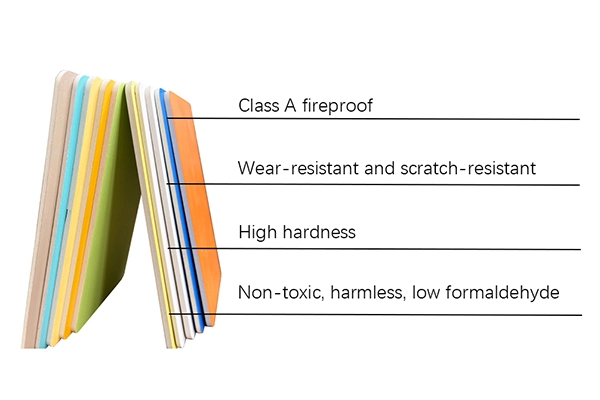
Our fiberglass resin board has an A-grade rating for not being flammable, so it can be used in hallways, stairwells, and other public areas where code officials check the interior finishes. The core of the glass fiber is inorganic, and E-glass fibers only become soft above about 800°C. This means that the structure base stays stable in situations where regular plastics would bend. American projects usually need ASTM E84 results, so please let us know what your code needs and we'll talk about the test documents that are out there. Before specifying any wall material, I think you should check it against what's needed in your area.
Moisture, Mildew, and Antibacterial Performance
Heat doesn't usually act by itself. Walls also get old from humidity, cleaning chemicals, and condensation. Our board doesn't let water, moisture, or mildew through, and it kills 99.99% of bacteria. The CDC's guidelines for preventing infections in hospitals, kindergartens, food plants, and drug factories say that surfaces should be able to handle being cleaned regularly. These features are important in these places. The melamine face doesn't have any open grain, which makes it easy to clean with a cloth. People who buy healthcare products usually need a smooth, non-porous surface that can handle being cleaned and disinfected often. This construction works well for that.
Strength, Surface, and Product Specifications
The durability of a wall determines how long it functions. Here are some of the finest aspects about this board:
- Wear & impact resistant: Scratch- and wear-resistant melamine face, good impact-absorbing core of fibreglass. They work together to help avoid cracks and dents in school halls, hotel corridors and hospital passageways where there is regular traffic from carts, baggage and plenty of people walking by. This decreases the number of repairs throughout the life of the structure.
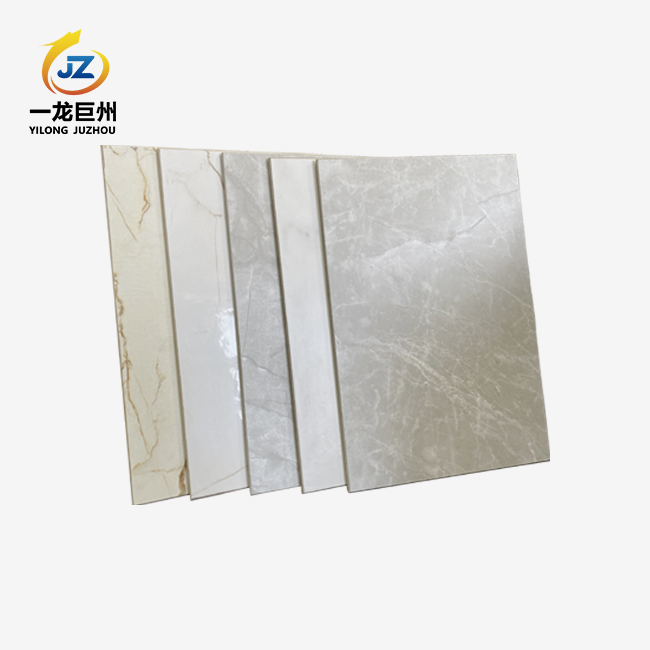
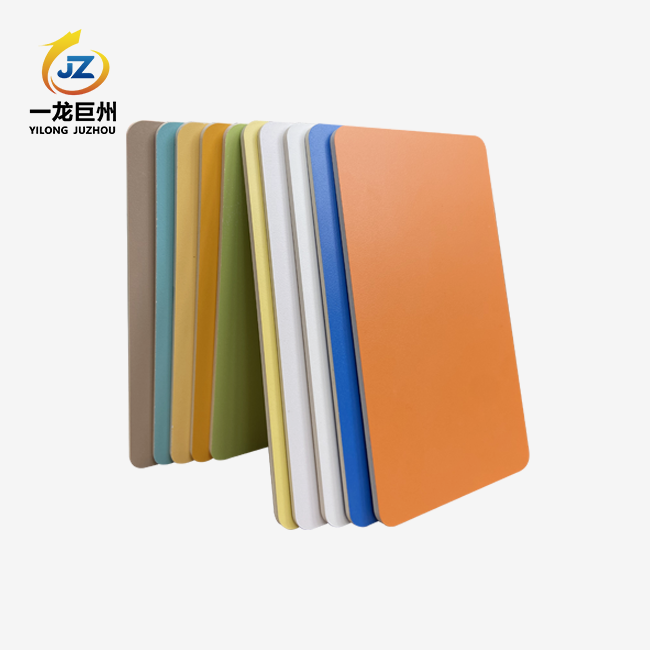
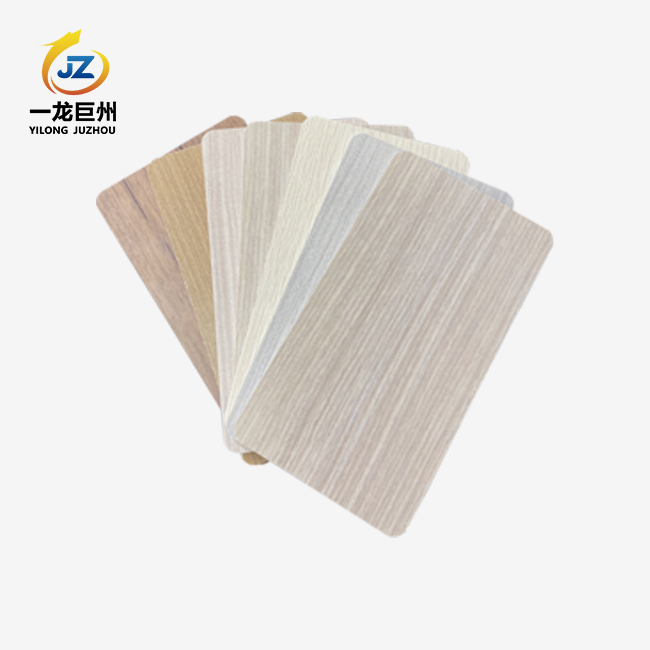
- Design flexibility – Choose from solid colours, woodgrain, marble, metallic or fabric designs. Standard sheet size 1220 x 2440 mm. Thickness choices 1, 2, 3, 4, 5, 6, and 8 mm. OEM and ODM orders allow architects to customise designs to the visual objectives and layout of the project.
- Health and installation: The board is healthy and environmentally friendly, and our goods have China Environmental Protection Standard,ISO and CE certificates. Installation is simple, allowing workers to install panels rapidly during phased renovations, keeping disturbance minimal in active hospitals, businesses, and schools. This is relevant to developers on tight, multi-phase schedules.
These advantages alleviate the usual problems of scraped, damaged, and fractured walls in public buildings.
Where Fiberglass Resin Board Fits: Applications and Comparisons
Healthcare, Education, and Transit
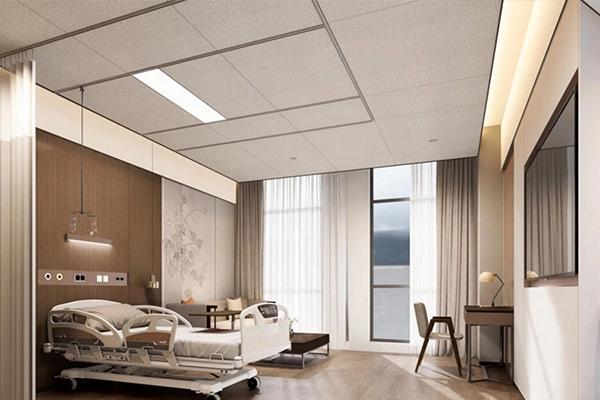
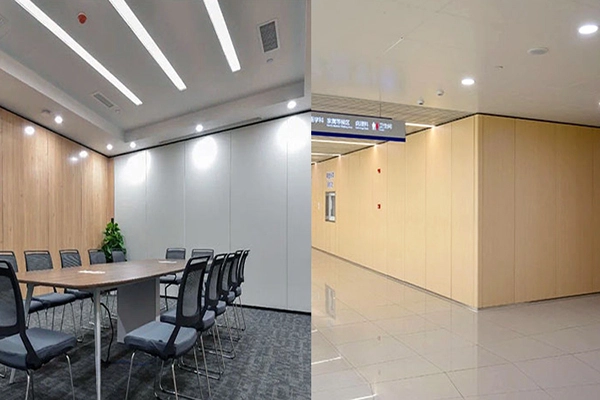
Walls at hospitals, clinics, schools, and kindergartens must resist bacteria, water, and everyday cleaning. Our non-combustible fiberglass board features an antibacterial melamine face that fits these criteria, and the fact that it has an A-grade non-flammable classification helps with planning for fire safety. Airports, subways, and train stations have a lot of foot traffic and interaction with baggage and carts; therefore, scratch and impact resistance are equally as critical as fire behaviour. Full test reports and certifications will be available to help the assessment process, particularly in the public and healthcare sectors where formal bidding is often utilised for contract awards.
Commercial, Hospitality, and Residential Interiors
Offices, retail malls, hotels, luxury clubs, apartments and villas worry just as much about how they appear as how effectively they function. The board comes in plain colours, woodgrain, marble, metallic and fabric patterns, so designers do not have to use actual wood or stone to create a warm wood effect or a polished stone look. Since the flooring is so simple to install, renovations at hotels and malls may typically be done in phases, with personnel finishing one section before moving on to the next. Developers with more than one project might request to utilise the same pattern again and again. This guarantees that the walls appear the same, building to building.
Industrial Spaces and Material Comparisons
Tunnels, food plants and pharmaceutical companies need walls that are simple to clean and do not grow mould or become damp. Our board may be used without concern about water, moisture, or mildew. OEM or ODM service for bespoke panel requirements is also available. Things have diverse roles. G10 and FR4 are electrical insulating laminates developed for transformers and switchgear. They are not intended for use as wall coverings. The usual gypsum board with a paper face is more absorbent and requires some kind of painting or finishing. Aluminium panels can conduct electricity and heat. Fibreglass is a single sheet board with a melamine face that is smooth, water resistant, and non-flammable.
How to Choose and Verify a Board Before Buying?
Define the Environment First
Make a list of the problems the wall will have to deal with first. Write down the room's expected temperature, how close the wall is to ovens or furnaces, the level of humidity, how it will be cleaned, how much traffic there is, and the fire classification your code requires. A decorative wall panel is fine for a normal room inside, but it shouldn't be used as a heat shield next to direct heat sources. Next, choose a thickness that fits your installation system and the amount of impact it will our team can help you choose a thickness between 1 and 8 mm. Last, choose a finish that goes with the plan. This way, the order will be right the first time.
Request Samples and Test Documents
Samples get rid of doubts more quickly than any brochure. We give away samples of our non-combustible fiberglass board for free, and custom samples usually get to you in 3 to 5 days. Check the surface for scratch resistance, color accuracy, and good edges. Then, compare the board to the requirements for your tender. Find out about the fire tests, the antibacterial tests, and the certificates. Third-party documents are often needed for big public and commercial projects, and getting them early speeds up the approval process. Tell us right away if your specification calls for a certain U.S. test method so we can talk about what documentation is out there.
Supply Capacity and Support
You can fail a project even if you have a good board. The company Shaanxi Yilong Juzhou Material Technology Co., Ltd. has two factories. One is in the Xianyang High-tech Zone in Shaanxi, and the other is in Foshan, Guangdong. It takes three to seven days to make something; we have 50,000 m² in stock, and we respond within 24 hours. Ships leave from Shenzhen, Guangzhou, Shanghai, and Qingdao by sea, and Xi'an, Guangzhou, Shenzhen, and Foshan are land ports. We also offer OEM and ODM services, technical support for design and installation, and a quality guarantee that lasts for three years. People in more than 30 countries buy our goods.
Conclusion
Glass fibres will not melt at typical construction temperatures. Thermosetting resins do not melt like thermoplastics. This signifies that fiberglass resin board is heat resistant. The limit of usefulness is still set by the resin system, the top layer and the circumstances of exposure. Hence the requirement to test heat resistance and fire rating separately. The melamine-faced fibreglass felt panel is A-grade non-flammable, making it suitable for interior walls, and is resistant to moisture and mildew, antibacterial, and impact resistant. It may be employed in health care, education, transportation, commercial and industrial environments. Different electrical grades are used to make different items, e.g., FR4 and G10. Describe the environment for the best fit. Make sure that the code matches the criteria. Check sample and test documents before ordering.
FAQ
Q1: Can fiberglass resin board withstand high heat?
Glass fibers don't get soft until they reach about 800°C, and thermosetting resins don't melt. Check the datasheet to see what the practical limit is. It will depend on the resin and the way it is built. Do not put a pretty wall panel up against an oven or furnace.
Q2: Is FR4 the same as your wall panel?
No, FR4 is an electrical laminate that doesn't catch fire. A fiberglass felt wall panel with melamine paper on both sides is what we sell. It's made to decorate inside.
Q3: Does a thicker board tolerate more heat?
Not all the time. The chemistry of resin determines its temperature range. Thickness mainly changes how stiff something is and how well it impacts.
Q4: Can I get a sample?
Yes. We offer free samples, and custom samples usually get to you in 3 to 5 days.
Request a Fiberglass Resin Board Quote from YILONG JUZHOU
Do you want to build a hospital, school, hotel, or office? YILONG JUZHOU is a company that sells fiberglass resin boards. They have free samples, OEM and ODM service, and a three-year quality guarantee for their A-grade non-flammable, antibacterial panels. Email us at cnyang2000114@gmail.com with the size, thickness, finish, and number of walls you want, and we'll get back to you within 24 hours.
References
1. NFPA 101: Life Safety Code, 2024
2. ASTM E84: Standard Test Method for Surface Burning Characteristics of Building Materials, 2023
3. International Building Code, International Code Council, 2021
4. ASTM D648: Standard Test Method for Deflection Temperature of Plastics, 2018
5. IPC-4101E: Specification for Base Materials for Rigid and Multilayer Printed Boards, 2021
6. Guidelines for Environmental Infection Control in Health-Care Facilities, Centers for Disease Control and Prevention, 2003

Send Inquiry


Related Industry Knowledge
- HPL Fireproof Board Fire Ratings and Safety Standards Explained
- Can Calcium silicate aluminum composite board Improve Insulation?
- Medical Clean Board Trends in Medical Building Design
- Overview of HPL fireproof board
- Why Is Medical Clean Board Important in Cleanrooms?
- Medical Clean Board for Hospital Wall and Ceiling Systems
- Why Calcium Silicate Aluminum Composite Boards Are Ideal for High-Temperature Environments?
- How to spray paint on aluminum composite panels
- Unlock the Power of Aluminium Composite Panel
- How to install an aluminum composite panel?