
Medical Clean Board for Pharmaceutical Factory Walls
October 15, 2026
If a pharmaceutical facility requires wall cladding that actively prevents microbial growth in addition to tolerating it, the solution is a medical clean board. This wall panel is made of a calcium silicate substrate with a UV-cured antibacterial coating or PVC film, with a 99.99% antibacterial rate against pathogens such as Staphylococcus aureus and E. coli. It is GB 8624 Class A fire-resistant and has 0% benzene or formaldehyde emissions, making it the wall system of choice for GMP-compliant pharmaceutical manufacturing facilities.
What Makes a Medical Clean Board Right for Pharmaceutical Walls
The Core Material Structure
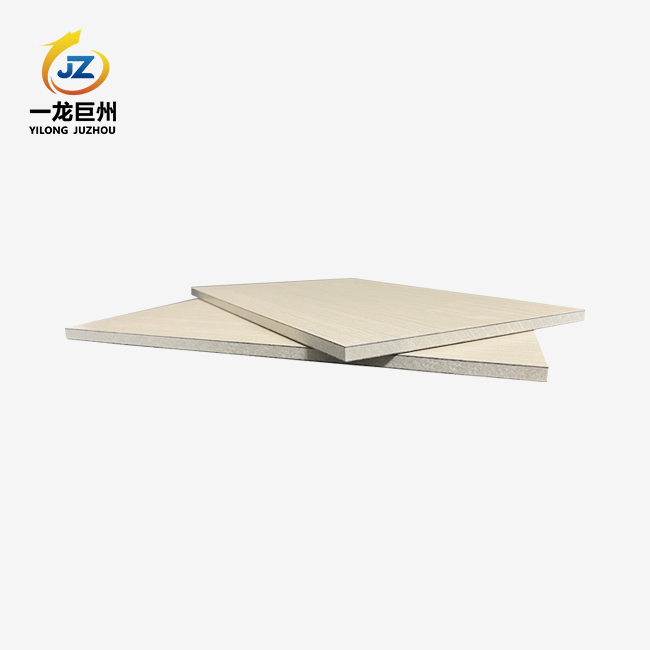
The clean wall panel of YILONG JUZHOU is manufactured with a high-density calcium silicate board core. This core supports the curvature of the panel and is non-absorbent, so it won’t expand or buckle in the humid air of a cleanroom. The surface is finished with a UV-cured antimicrobial coating. It may form a somewhat thick, non-porous layer on cure. Microbes can’t maintain that coating since it’s not simply a surface spray that fades off over time. And the wall is clean after each wash.

How UV Antibacterial Coating Works
UV drying is not just hardening the coat of the paint. The photochemical process couples the molecules of the layer and entraps the antibacterial agents in the matrix. Regular paint releases gases after application, but the UV-cured surface has no remaining volatile organic compounds. Once installed, there are no odors in the area, and pharmaceutical manufacture may begin straight away.
Panel Dimensions and Color Options
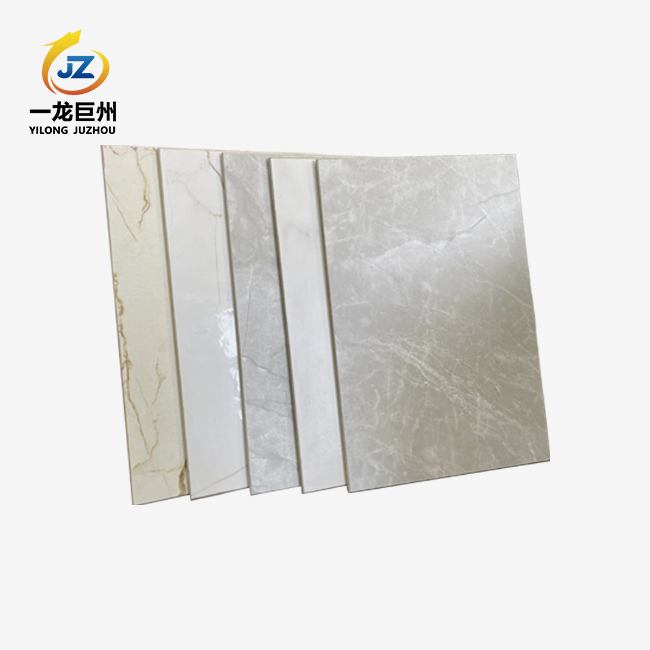
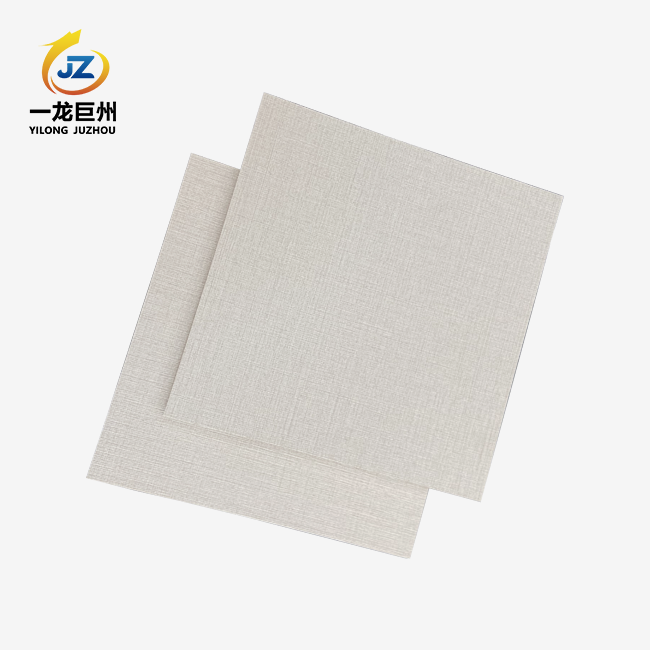
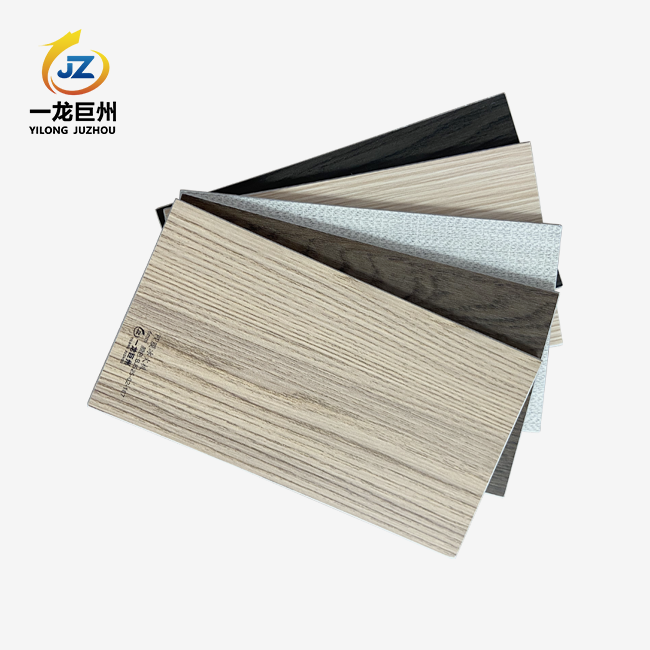
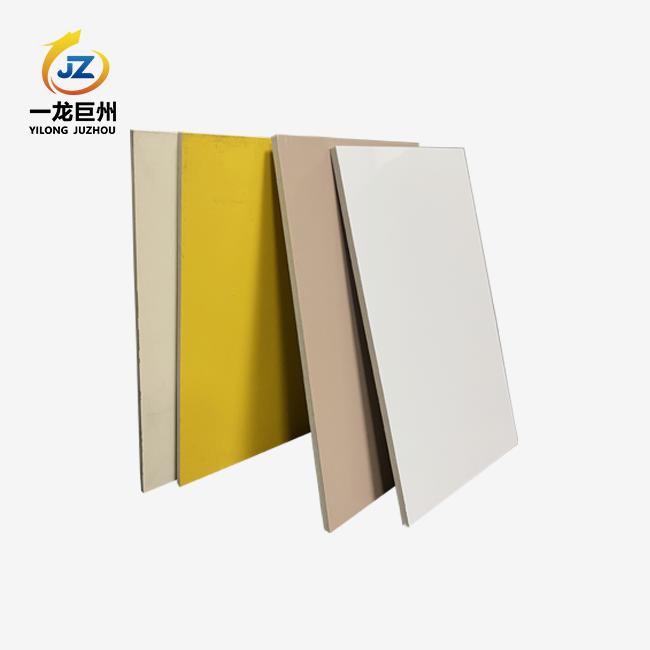
The typical panel is 1,220 mm wide and 2,440 mm long. It may be mounted floor-to-ceiling up to a height of 3,050 mm. The thicknesses include 4.5mm, 5mm, 5.5mm, 6mm, 8mm, 10mm, 12mm, 15mm, 18mm and 20mm, allowing architects to pick the precise load-bearing form each wall zone requires. Choose from solid tones, woods, marble, metallic, and fabric patterns so a clean space doesn’t have to seem all clinical white.
Key Performance Properties You Should Know
Pharmaceutical procurement teams and project managers typically look for precise data before signing off on a wall covering request. Because of this, the following attributes directly address those queries.

Here are the key performance factors that differentiate this panel from other interior boards:
- Antibacterial performance: The UV antibacterial surface layer has a reduction rate of > 99.99% against Gram-positive as well as Gram-negative bacteria, tested according to standard ISO 22196 / JIS Z 2801. Such protection is critical in GMP zones where cross-contamination results in expensive batch rejection.
- Fire resistance: Calcium silicate substrate is Class A non-combustible under GB 8624. If you have a pharmaceutical plant with flammable solvents stored or handled in the vicinity, non-combustible wall cladding isn’t a choice – it’s the regulatory baseline.
- Moisture and mold resistance: The panel is resistant to moisture penetration and has an anti-mildew performance that inhibits biofilm formation beneath the surface. Water uptake is still well below the 10% threshold at which fiber-cement Medical purification board distorts or delaminates.
- Impact resistance: The dense core absorbs impact from equipment trolleys and material carts without breaking or denting, important on production floors where wall contact is the norm.
- Zero Harmful Emissions: The panel emits no benzene, no formaldehyde, and no volatile organic compounds. Once installed, the room passes indoor air quality testing for immediate occupancy – a tangible benefit during facility commissioning.
Taken together, these attributes can tackle the three things most pharmaceutical facility managers face: the danger of contamination, the breakdown of chemicals from disinfectants, and the need to fulfill fire safety regulations. When you can choose a wall system that performs all three things at the same time, it makes the purchase process simpler, and it reduces the risk of the project.
Where These Panels Are Used Beyond Pharmaceutical Factories
The same product family is shipped to operating rooms, medical esthetic centers, animal hospitals, school hallways, food processing plants, shopping malls, train stops, and stadiums because the UV antibacterial wall panel works well anywhere that cleanliness and durability meet. This wide range of uses means that the manufacturing process is improved to meet the needs of many real-world situations, not just one niche.
Hospitals and Operating Rooms
Surgical rooms need walls that are not porous and can handle bio-decontamination processes with vaporized hydrogen peroxide (VHP). Strong oxidizers can't damage the UV-cured film on YILONG JUZHOU panels; it doesn't pit, fade, or become sticky.

Food Processing and Industrial Facilities
The calcium silicate core is a good substrate for food factories because it doesn't absorb water, doesn't break easily, and can be cleaned with high-pressure water jets. The anti-mildew rating of the panel meets the HACCP wall hygiene standards that many food auditors look for.

Schools and Public Buildings
The impact-resistant surface and colorfastness of UV-cured decoration make Hospital antibacterial board great for areas with a lot of foot traffic, like public stops and schools. The color difference (Delta E) stays below 1.0 between groups of production, which means that long corridors stay the same in terms of how they look over time.
Installation Method and Project Logistics
Quick Pressure Strip System
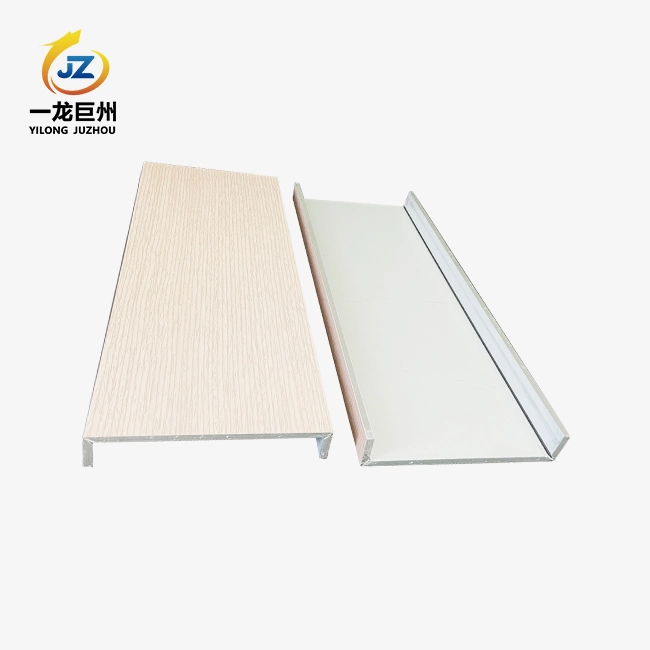
Installation is accomplished using a pressure strip device, built at the company, to click panels into position. No wet glues or special equipment required. A standard installation team can build a cleanroom wall piece a lot quicker than a ceramic tile crew, which means less downtime for the facility.” The mill cuts the panels to order so there is little waste on site.
Production and Delivery Timeline
YILONG JUZHOU has two factories, one of which is located in Shaanxi Province Xianyang High-tech Zone and the other is in Foshan City in Guangdong Province. It has 50,000 m² of stock at all times. Custom goods normally take between 3-7 days to produce. Ships sail from Shenzhen, Guangzhou, Shanghai, or Qingdao by water and from Xi'an, Guangzhou, Shenzhen, and Foshan by land. This dual-base concept assures a continuous flow of GMP projects in the United States and EPC contracts in other countries.
OEM, ODM, and Sample Policy
The firm is open to OEM and ODM orders, so panel size, styles, and packaging may be customized to suit a distributor’s house brand or project-specific demand. Free samples are available and normally ship within 3-5 business days. This allows procurement teams to test the adherence, check for stain resistance, and verify the color is correct before making a mass purchase.
Conclusion
In the pharmaceutical industry, a wall does more than separate space. It must actively resist microbial colonization, be able to tolerate several contact events with disinfectants, fulfill fire safety regulations, and be uniform along the complete length of a structure. YILONG JUZHOU’s medical clean board has a calcium silicate core, an antibacterial surface cured by UV, a Class A fire rating, and a zero-VOC composition to fulfill all these requirements. The panel is available in a wide variety of sizes and colors, can be produced quickly, and supports OEM and ODM, so it is suitable for single-facility updates and a multi-project distribution pipeline.
FAQ
1. How often should a medical clean board wall be cleaned in a pharmaceutical GMP zone?
GMP rules usually say that surfaces in production areas need to be cleaned every day and after every batch. The UV-cured surface doesn't break down when disinfectants containing alcohol or chlorine are used over and over again. This means that the cleaning schedule is determined by your plan to control contamination, not by how fragile the material is.
2. Can panels be cut to non-standard sizes on site?
Panels can be scored and cut neatly with normal blades that have carbide tips. YILONG JUZHOU can factory-cut panels to a given DXF or CAD model for tighter tolerances around equipment penetrations or curved partition walls. This is the best way to do it for pharmaceutical fit-outs where seam placement is important.
3. What is the expected service life of the antibacterial surface layer?
Since the antibacterial agents are built into the UV-cured matrix instead of being added on top, they stay effective even after being cleaned regularly. Under normal indoor conditions, the calcium silicate board has a structural service life of more than 15 years, and it doesn't need to be recoated during that time.
4. Does YILONG JUZHOU provide third-party test certificates?
Yes, the products have been approved by the China Environmental Protection Standard, ISO, and CE. On request, test reports for VOC emissions, fire classification, and antibacterial rate can be provided to help with bids or regulatory audits.
Get a Free Sample from YILONG JUZHOU — Trusted Medical Clean Board Manufacturer
Over 30 countries buy pharmaceutical-grade antibacterial wall panels from YILONG JUZHOU. The company has two production bases, a three-year quality guarantee, and technical support for medical clean board planning and in-house installation. You can ask for a free sample today and get it in 3–5 days. You can email us at cnyang2000114@gmail.com to talk about panel specs, OEM prices, or project needs. Within 24 hours, our team gets back to you.
References
1. World Health Organization. WHO Good Manufacturing Practices for Pharmaceutical Products: Main Principles. WHO Technical Report Series, No. 986, 2014.
2. International Organization for Standardization. ISO 22196: Measurement of Antibacterial Activity on Plastics and Other Non-Porous Surfaces. ISO, 2011.
3. U.S. Food and Drug Administration. Guidance for Industry: Sterile Drug Products Produced by Aseptic Processing — Current Good Manufacturing Practice. FDA, 2004.
4. ISPE (International Society for Pharmaceutical Engineering). ISPE Baseline Guide Vol. 3: Sterile Manufacturing Facilities. 4th ed., ISPE, 2011.
5. Chinese National Standard GB 8624. Classification for Burning Behavior of Building Materials and Products. Standardization Administration of China, 2012.
6. Boyce, J. M., & Pittet, D. "Guideline for Hand Hygiene in Health-Care Settings." Infection Control & Hospital Epidemiology, vol. 23, no. S12, 2002, pp. S3–S40.

Send Inquiry


Related Industry Knowledge
- Ice fireproof board Safety Certification and Testing Standards
- How to Improve Paint Adhesion on Aluminum Composite Panels
- Are there any antibacterial indoor wall panels?
- Why is the Negative Ions Healthy Panel Ideal for Hospital Wall Decoration?
- How to Choose the Right PP Healthy Panel for Interior Wall Decoration
- Exploring the Versatile Applications and Benefits of PP Healthy Panel Solutions
- How Does UV light curing board Technology Improve Surface Hardness?
- Coated Aluminum Composite Panel: Structure, Features, and Applications Explained
- Aluminium Composite Panels (ACP/ACM): 8 Essential Points
- How to spray paint on aluminum composite panels