
Negative ions healthy panel for Better Sleep: Does It Help?
October 23, 2026
If you manage a commercial building, hospital, school, or hotel, the quality of indoor air directly affects everyone inside. A negative ions healthy panel is a wall-finishing solution built on a calcium silicate substrate coated with negative-ion antibacterial paint that releases air anions continuously — no electricity required. Research from the Journal of Alternative and Complementary Medicine (2013) found that elevated negative ion concentrations correlated with reduced anxiety and improved sleep onset. So yes, the science suggests it genuinely helps — and for B2B procurement teams, that translates into a measurable wellness return on every square meter installed.
What Is a Negative Ions Healthy Panel and How Does It Support Sleep?
The Science Behind Ionization and Rest
Positive ions from HVAC systems, electronics, and man-made materials often build up in sealed commercial buildings' air. Studies in the journal Building and Environment show that high levels of positive ions can cause tiredness, headaches, and problems with your body's natural clock. When wall surfaces constantly release negative oxygen ions, they neutralize VOCs, particulate matter, and air pollutants, making the environment more like air in a forest or on the coast. That cleaner air environment lowers cortisol, calms the nervous system, and helps people sleep longer and more restfully.
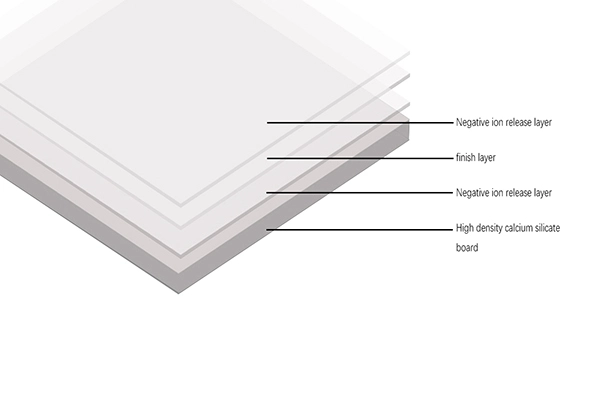
How the Panel Works Structurally
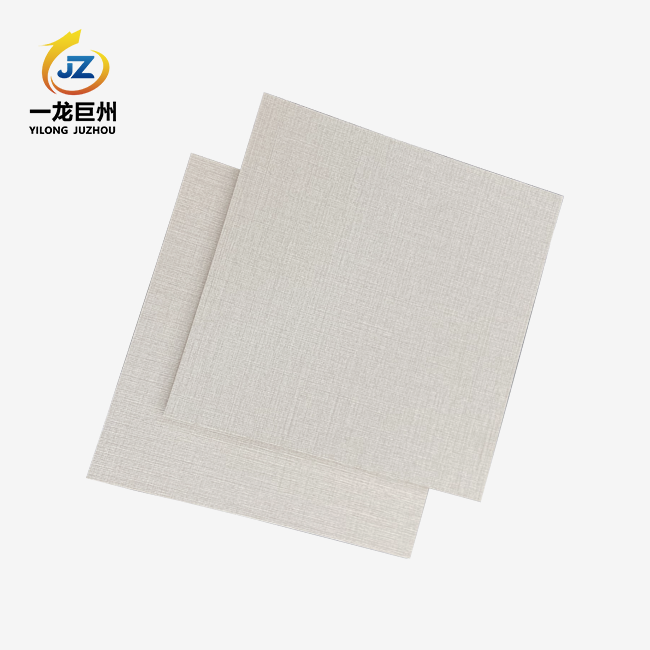
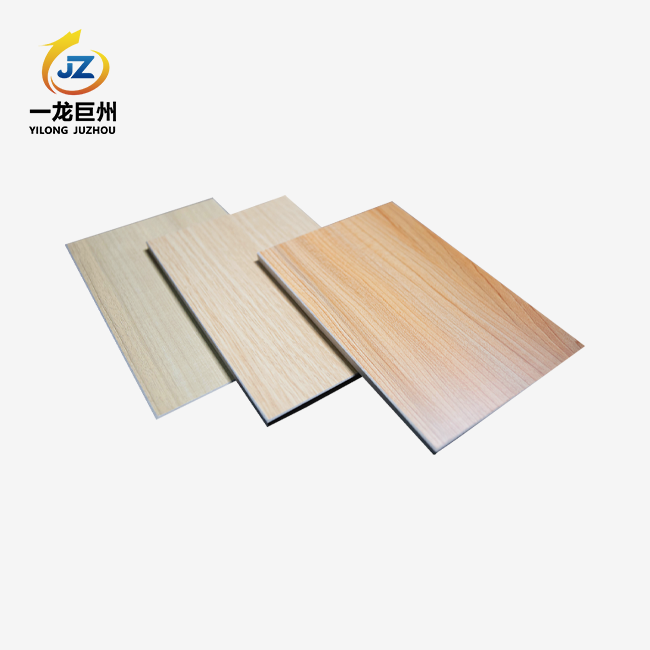
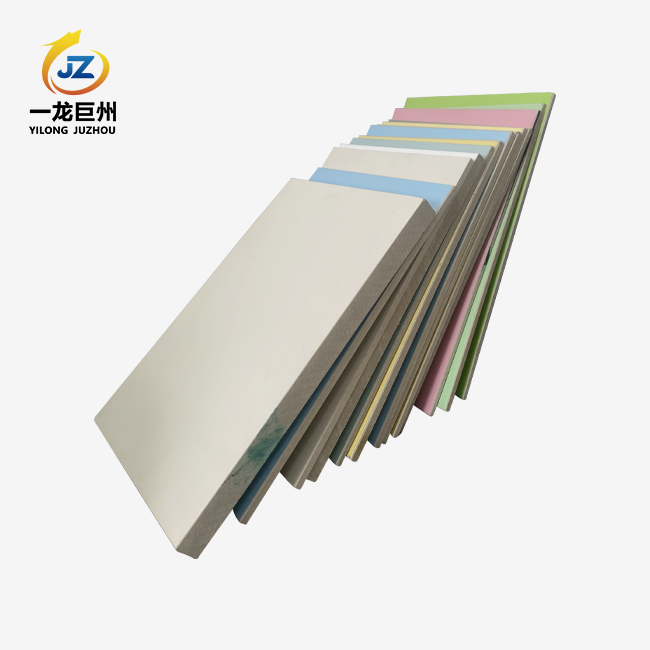
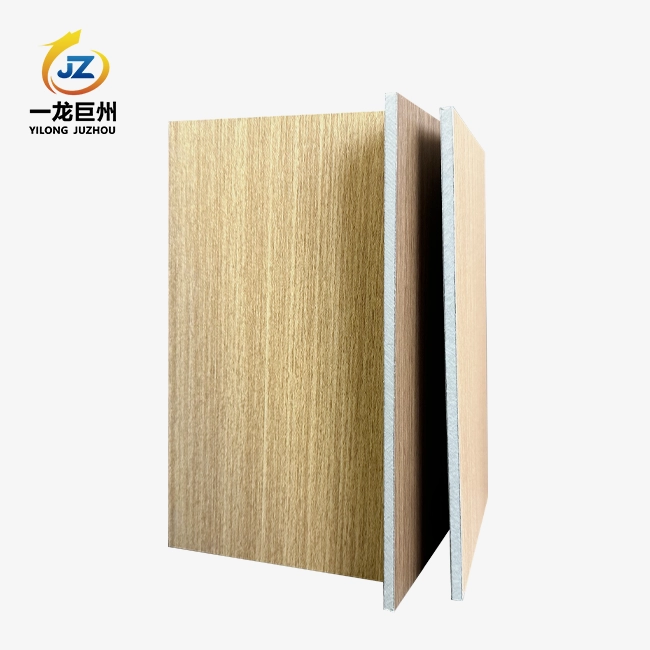
The negative ions healthy panel from YILONG JUZHOU has a thick calcium silicate board and a special layer of negative ions antibiotic paint on the top. The mineral additives in the paint use piezoelectric and pyroelectric effects to ionize the air around them when they respond to changes in temperature and wetness. It doesn't need any power and doesn't need any disks to be replaced. The panel keeps putting out ions for as long as the renovation lasts, which is usually 15 to 20 years. This makes it a cost-effective investment in passive air quality for big projects.
Benefits of Negative Ions for Health and Indoor Air Quality
There is a link between electrified air and health that goes far beyond sleep. Occupational health experts at Columbia University found that people who were exposed to high-density negative ion surroundings had better moods and fewer depressive symptoms in 2006. The results are directly useful for business-to-business clients who are choosing materials for hospitals, schools, or leisure places.
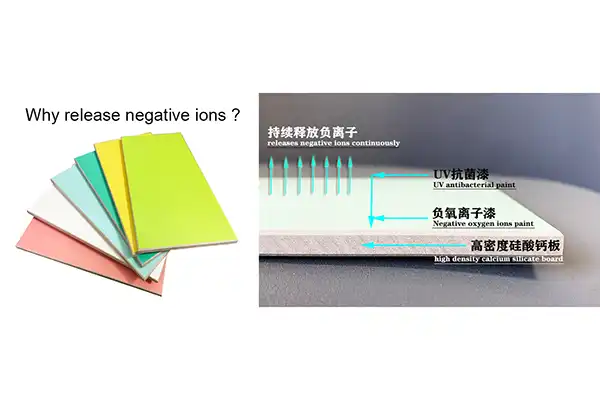
Here are the main performance benefits this panel brings to an indoor setting:
- Air purification without energy input: Negative ions attach to airborne allergens, bacteria, and fine particulate matter (PM2.5), causing them to precipitate out of the breathing zone. This passive mechanism reduces respiratory irritants that disrupt sleep and trigger asthma flare-ups in sensitive occupants.
- VOC and formaldehyde degradation: New construction and renovation inherently off-gas volatile organic compounds. The ionization process converts these molecules into water vapor and carbon dioxide, directly addressing Sick Building Syndrome — a documented concern in modern airtight commercial construction.
- Antibacterial surface protection: The panel achieves a 99.99% antibacterial rate, suppressing pathogens on the wall surface. In healthcare corridors, operating rooms, and CT suites, that performance level supports infection-control protocols without requiring additional chemical treatments.
These benefits solve real problems in the way things work. Each of these results—a hotel with cleaner guest rooms, a school with fewer sick days, or a hospital ward that meets tighter cleanliness standards—is a measurable return that procurement teams can share with stakeholders.
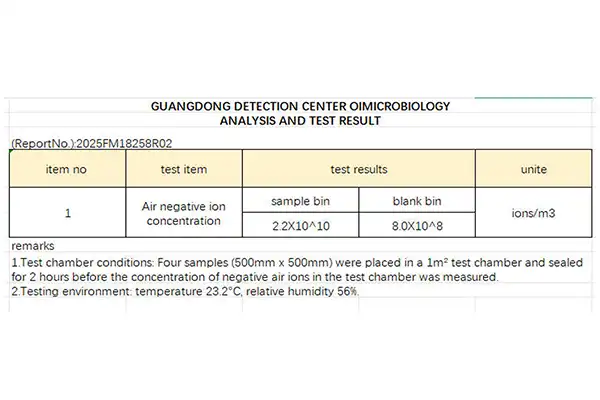
Comparing Negative Ion Panels with Alternative Air Purification Solutions
Where Negative Ion Panels Outperform HEPA and Ozone Systems
Negative ion antibacterial wall board offers a superior alternative to conventional air purification methods: HEPA filtration units physically trap particles, but they need to have their filters replaced on a regular basis, cost a lot to maintain, and don't do anything to reduce chemical off-gassing. Although ozone makers are good at getting rid of pollutants, the U.S. Environmental Protection Agency (EPA) has warned against using them in places where people are because high amounts of ozone can irritate the lungs.
A negative ion system that is built into the wall gets around both of these problems. It covers the whole room instead of just drawing air through one unit, doesn't need any replacement parts, and works within safe ion concentration ranges without making ozone. Total cost of ownership calculations clearly show that the panel-based approach is the best choice for large B2B installations like an airport terminal, a chain of hotel rooms, or a hospital wing.
How to Choose the Right Negative Ion Healthy Panel for Your Business
Key Specifications to Evaluate Before Purchasing
Ionizing wall panels don't all work the same. When purchasing, professionals should look at a negative ions healthy panel provider; they should pay close attention to the following:
- Certifications: Confirm EU Certification, ENF grade (formaldehyde-free classification), and fire resistance rating. YILONG JUZHOU panels carry Fireproof Class A certification — a non-negotiable requirement for public buildings and transit infrastructure in the United States.
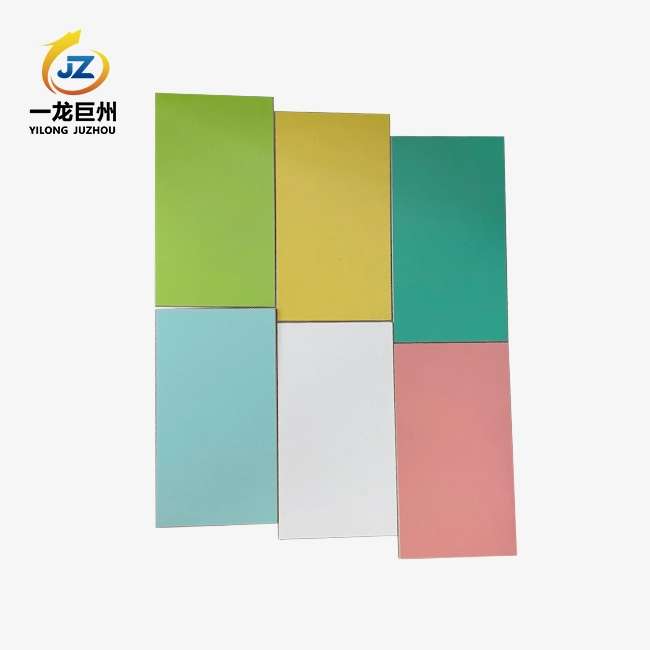
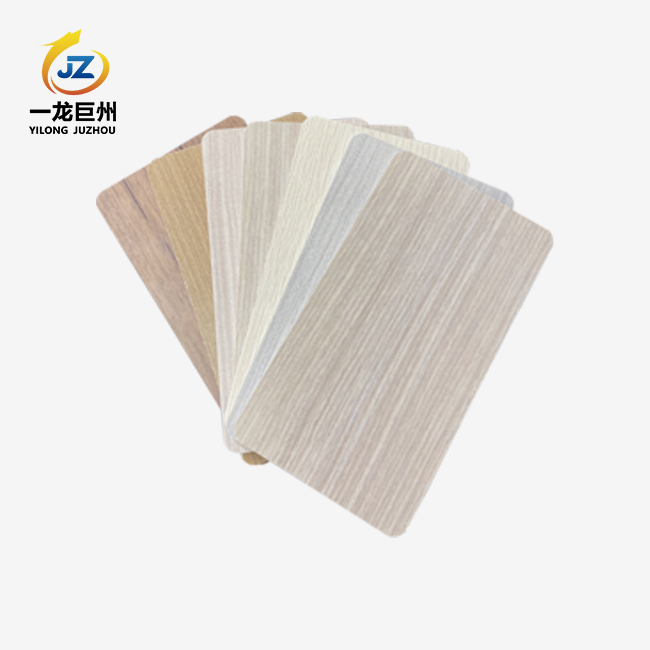
- Dimensional flexibility: Projects vary. YILONG JUZHOU offers thicknesses from 4.5 mm to 15 mm, a standard width of 1,220 mm, lengths up to 3,050 mm, and solid-color options that align with architectural specifications. OEM and ODM configurations are accepted for branded or custom-finish requirements.
- Moisture and impact resistance: Panels installed in subways, food processing environments, or healthcare wet zones must withstand humidity and physical impact without developing mold or surface damage. Waterproof, mold-proof, and high-impact-resistant construction are standard features of this product line.
- Supplier reliability: Verify production capacity, response time, and sample availability. YILONG JUZHOU maintains 50,000 m² of stock across two production bases in Foshan (Guangdong) and Xianyang (Shaanxi), ships from Shenzhen, Guangzhou, Shanghai, or Qingdao, and responds to inquiries within 24 hours.
If you choose a verified negative ions healthy panel maker over an unverified reseller, you can protect project timelines and quality assurance across building programs with multiple phases.
Real-World Applications and the Future of Ion-Enhanced Interiors
There are already negative ion walls in use in many business settings, including airports, train stops, subways, office buildings, hotels, high-end clubs, kindergartens, operating rooms, libraries, shopping malls, schools, and operating rooms with CT scans. The main thing that helps in all of these situations is better air, fewer pathogens, and a place to sleep or work that supports human success.
In the future, the next big thing will be combining smart building management systems with passive air quality materials. Sensors that check for ion concentration and VOC levels can confirm panel performance in real time. This gives building managers proof that the air quality standards are being met, which is becoming more important as WELL Building Standard certifications become more popular in the U.S. business real estate market.
Businesses that work with trustworthy suppliers can now get their properties ready for new rules about indoor air quality and health standards for building occupants.
Conclusion
A negative ions healthy panel is not a health trick. It is an approved, passive, long-life wall system that improves the quality of the air inside, lowers the number of microbes on the surface, and creates the right conditions for better sleep and overall health. It is made of a calcium silicate base and has an antibacterial, ionizing top coat. It meets EU certification requirements, ENF environmental standards, and Class A fire resistance. This material meets all three needs at the same time for procurement teams working on healthcare, hospitality, education, or commercial construction projects that need to balance performance, compliance, and cost.
FAQ
Q1: Do negative ion panels actually improve sleep quality?
Yes. Researchers have found that high levels of negative ions lower irritants in the air and stress reactions linked to cortisol, both of which make it hard to sleep. While these panels aren't medical devices, the changes they make to the environment help the body's natural processes that lead to deeper rest.
Q2: Are these panels safe for continuous occupancy?
Of course. Mineral-based ionization is used by YILONG JUZHOU's panels, which don't make ozone. They have EU and ENF grade certifications, which show that they meet strict standards for formaldehyde emissions and environmental safety in schools, hospitals, and homes.
Q3: How long does the ion-emission effect last?
The mineral elements in the paint layer have to be physically stable for the passive ionization process to work. The effect lasts for 15 to 20 years under normal conditions, which is about the same length of time as a typical renovation.
Q4: What maintenance do these panels require?
Not much. The anti-static surface feature keeps dust from building up. A wet cloth is all that's needed for regular cleaning. To keep the finish on the surface, don't use strong acidic cleaners.
Partner with YILONG JUZHOU — Your Trusted Negative Ions Healthy Panel Supplier
Two production bases, 50,000 m² of ready stock, and a promise to respond 24 hours a day make up YILONG JUZHOU. They serve B2B clients in healthcare, hospitality, education, and business building. The negative ions healthy panel we sell is safe and meets EU, ENF, and Class A fire standards. We also offer a three-year quality guarantee. Get your free sample or OEM consultation right now. To begin, send an email to cnyang2000114@gmail.com.
References
1. Journal of Alternative and Complementary Medicine — Terman, M. & Terman, J.S. (2006). Controlled Trial of Naturalistic Dawn Simulation and Negative Air Ionization for Seasonal Affective Disorder.
2. Building and Environment — Hedge, A. & Elkin, A. (1987). Effects of Air Ionization on Symptoms of Sick Building Syndrome.
3. Columbia University Department of Psychiatry — Goel, N. & Terman, M. (2006). Controlled Trial of Bright Light and Negative Air Ions for Chronic Depression.
4. Indoor Air Journal — Wargocki, P. et al. (2000). The Effects of Outdoor Air Supply Rate in an Office on Perceived Air Quality, Sick Building Syndrome and Productivity.
5. U.S. Environmental Protection Agency — EPA (2020). Ozone Generators That Are Sold as Air Cleaners: An Assessment of Effectiveness and Health Consequences.
6. International Journal of Environmental Research and Public Health — Jiang, S.Y. et al. (2018). Negative Air Ions and Their Effects on Human Health and Air Quality Improvement.

Send Inquiry

Related Industry Knowledge
- Best Colors and Finishes for an Exterior wall ACP panel
- How does an aluminum composite panel Improve Building Facades?
- Inorganic pre-coated panels Surface Technology and Durability Guide
- Interior and Exterior Applications of A2 Aluminum Composite Panels
- Antibacterial Vinyl Wall Sheet with various styles
- How Durable Are Calcium Silicate Aluminum Composite Boards in Harsh Environments?
- Applications of Inorganic pre-coated panels in Commercial Buildings
- Best Way to Paint Aluminum Composite Panel for Long-Lasting Results
- Calcium Silicate Aluminum Composite Board Explained: Structure, Benefits, and Uses
- How do I choose the right aluminum composite panels for my building?