
Negative ions panel Installation and Maintenance Guide
October 28, 2026
This guide covers everything procurement managers, facility directors, and construction teams need to know about installing and maintaining a negative ions panel in commercial and public buildings. Built from a calcium silicate board core coated with negative-ion antibacterial paint, these panels passively release air anions to neutralize airborne pollutants, bacteria, and VOCs—without electricity. Whether you manage a hospital corridor, a school classroom, or a hotel lobby, proper installation and consistent upkeep directly determine how long the panel performs at full capacity.
Understanding Negative Ions Panels and Their Functionality
Before choosing a wall material for a business-to-business job, it's helpful to know what it does and why that's important on a large scale.
What the Panel Is Made Of
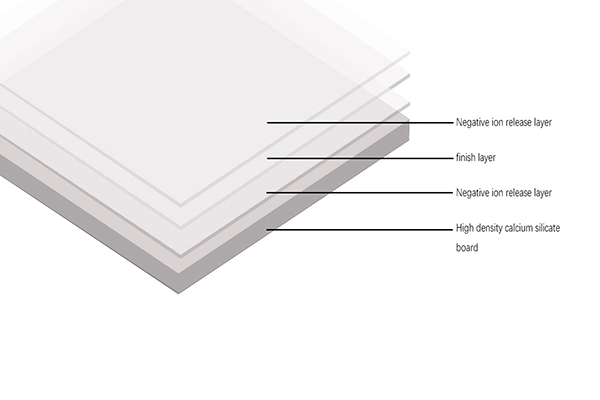
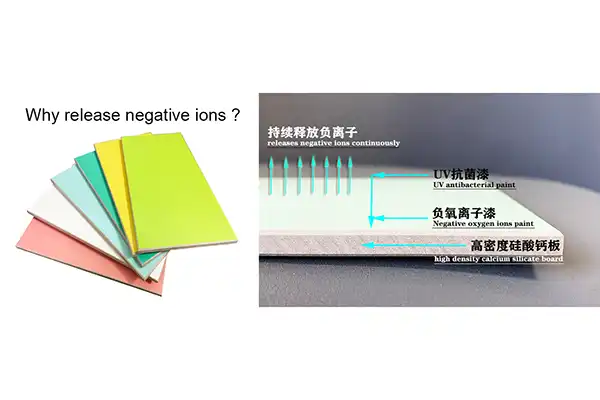
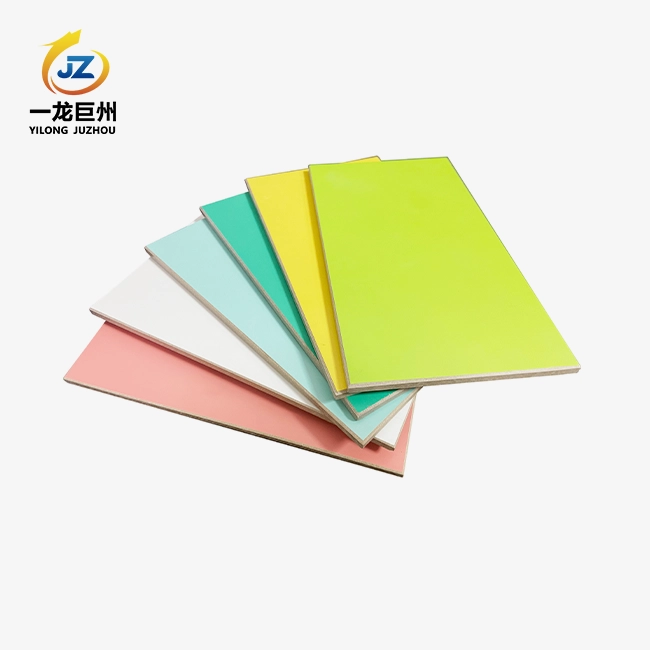
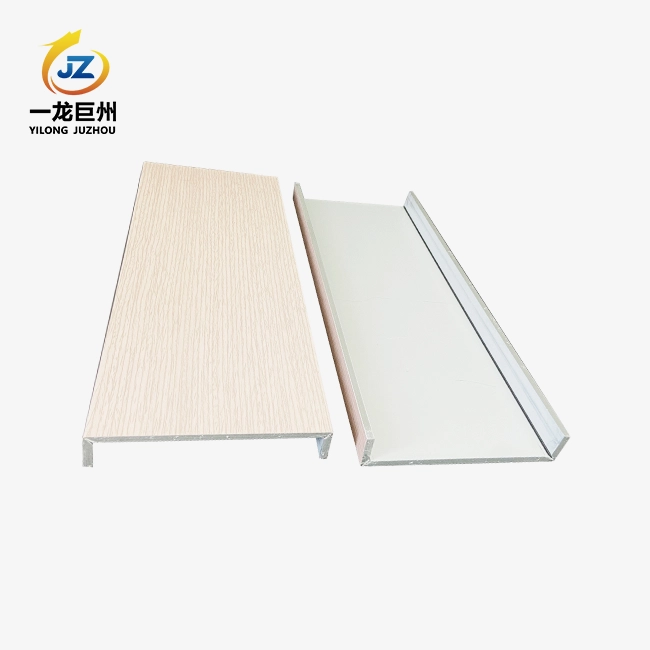
The YILONG JUZHOU negative ions panel is made up of a calcium silicate board base that has a special negative ions protective covering applied to the top. The core, made of calcium silicate, keeps its shape, is fire-resistant (Class A), and doesn't let water in. The active ingredients are on the surface. These are natural mineral additives, like tourmaline, that react with the heat and moisture in the air to keep releasing hydroxyl-based air anions.
How Negative Ion Release Works
Small changes in the room's temperature and humidity cause the piezoelectric materials in the surface layer to self-polarize. Ionization of water molecules in the air by this process creates a steady accumulation of negative oxygen ions close to the wall surface. These ions stick to positively charged dust, germs, and smoke particles, pushing them out of the breathing zone. There is no need for electricity, and the effect will last as long as the panel does.
Performance Specifications at a Glance
These are the most important technical details for B2B specifications:
- Antibacterial rate: 99.99% of common pathogens are killed by this product.
- Fire rating: Class A fire rating (substrate that doesn't catch fire).
- Environmental grade: ENF (formaldehyde-free) is the environmental grade.
- Certification: This item has CE/EU certification.
- Thickness options: 4.5 / 5 / 5.5 / 6 / 8 / 10 / 12 / 14 / 15 mm of thickness.
- Standard sheet size: 1220 mm × 2440 mm; tallest point: 3050 mm.
- Surface: The color is solid, and the surface is smooth.
The panel can be used in hospitals, operating rooms, CT rooms, schools, kindergartens, airports, subway stations, hotels, villas, shopping malls, and more because it meets these requirements.
Step-by-Step Installation Guide for Negative Ion Panels
The Negative ion antibacterial panel's structural stability and its ability to clean the air are both protected by proper placement. From checking out the site to the last fastening, this is how the process works.
Pre-Installation Assessment
Before you place your order, make sure you correctly measure the wall area and choose the right panel thickness. A thickness of 8–12 mm makes walls more resistant to impact and keeps them from getting dented in places like hospitals or transit hubs with a lot of foot traffic. Make sure the wall of the substrate is dry, level, and mold-free. If the moisture level is more than 8%, you should put down a primer coat or waterproof membrane before moving on. Before installing, lay the panels flat in a climate-controlled area for 24 hours to give them time to get used to the room.
Mounting Techniques and Tool Requirements
The calcium silicate board can be put up on a flat concrete wall with building glue or mechanical fastening (screws into a steel or aluminum frame). For mechanical support, place stainless steel screws every 300 mm along the vertical frame members. Keep a 3–5 mm expansion gap at the joints between panels to allow for small changes in temperature. A circular saw with a carbide blade or a scoring knife is a common cutting tool that can be used on the board without damaging the coating.
Avoiding Common Installation Errors
Two mistakes happen a lot in the field. First, workers don't leave enough space for growth, which causes the edges to buckle in damp places like food processing plants or hospital bathrooms. Second, panels are sometimes put up with the covering on the outside facing inward by accident. Always make sure the side with the antibacterial paint is facing the inside of the room. When the job is done, wipe the surface down with a clean, damp cloth to get rid of any building dust that might temporarily stop ions from being emitted near the surface.
Maintenance Best Practices to Maximize Performance and Longevity
YILONG JUZHOU guarantees the quality of its negative ion panels for three years, but regular maintenance makes them last much longer.
Routine Cleaning Protocol
The coating on the surface has a small anti-static charge, so dust doesn't gather as much as it does on painted drywall or ceramic tile. In most places, wiping down once a week with a damp microfiber cloth is enough. Use neutral pH disinfectants in healthcare areas that need to be cleaned with chemicals. Strong acids (bleach ratios above 5%) and rough scrub pads should not be used on antibiotic paint because they can wear it away over time. The waterproof and mildew-proof core means that regular wet cleaning doesn't pose a risk of water getting in.
Inspecting for Wear and Surface Damage
Walk over the fixed surface every six months while looking at it with a raking light to find any point impacts that might have made tiny cracks in the coating. The calcium silicate base is strong and doesn't dent easily from equipment trolleys or luggage carts. However, any surface chips should be fixed right away with the manufacturer's patch coating to keep the 99.99% antibacterial rating where it is. For warranty reasons, write down the dates and results of inspections in a repair log.
Monitoring Ion Output Over Time
It is a passive, long-lasting feature that is linked to the mineral stability of the surface coating. Emission doesn't get worse under normal circumstances. But if someone else paints over the surface or covers it with a sealant that doesn't work with it, the mineral layer gets blocked. Before adding a second finish, you should always check with the provider. Handheld air anion meters (that measure in ions/cm³) can be used to quickly check the area near the wall in places that need to be checked.
Choosing the Right Negative Ions Panel for Your Business Needs
Key Selection Criteria
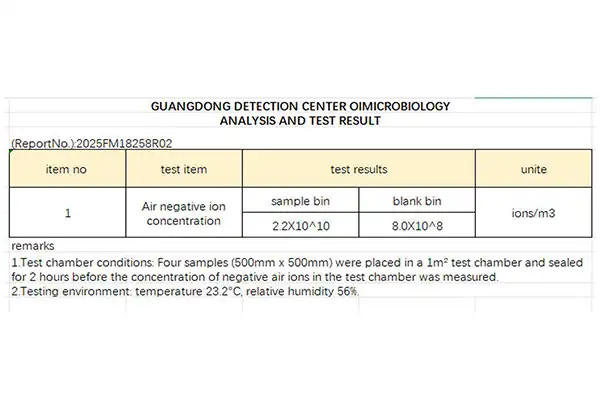
When looking at different options on the market, you should pay attention to four things: the substrate material (calcium silicate is better than plain PVC at resisting fire and staying stable in wet conditions), the mineral content of the surface coating (ask for test reports that show measurable ion output in ions/cm³), the fire certification paperwork, and the environmental certification grade. Negative ion antibacterial panels don't have any formaldehyde that can be measured, which is a law in most U.S. and EU countries that healthcare and education facilities must follow.
Compared to Alternative Wall Systems
Standard coated drywall doesn't kill germs or clean the air, and it needs to be repainted often in healthcare settings. Even though ceramic tile doesn't let water in, it doesn't improve indoor air quality and breaks easily when hit directly. Ion emission is not a function of HPL laminates. The negative-ion antibacterial panel is unique because it combines structural wall-covering performance with a passive IAQ benefit that lasts for the full lifecycle of the renovation, which is usually 15 to 20 years, at no cost to the energy used.
Evaluating Supplier Credibility for Bulk Orders
There are two production bases for YILONG JUZHOU. They are in Foshan, Guangdong, and Xianyang, Shaanxi. They have a working stock of 50,000 m² and a production lead time of 3–7 days. Shenzhen, Guangzhou, Shanghai, and Qingdao are all seaports that handle exports. The business has been approved by ISO, CE, and the China Environmental Protection Standard. OEM and ODM orders are welcome from traders and wholesalers who need to buy a lot of items. Free samples will be sent out within 3–5 days. When building a house in stages, these transportation issues are important because delays in materials can really cost a lot.
Troubleshooting and Preventing Common Installation and Maintenance Issues
Even panels with clear instructions don't work well when field execution isn't consistent. Most of the time, these problems happen. Here's how to avoid them.
Improper Placement and Coverage Gaps
In big open-plan rooms, installers may leave large sections of wall unfinished in between runs of panels. This lowers the quantity of ions in the area that people are using. Plan the layout of your panels so that they cover entire walls without any gaps bigger than standard expansion joints. It is common practice to cover the whole range in CT rooms and operating rooms.
Inconsistent Cleaning and Wrong Products
Using cleaning products with solvents breaks down the surface layer over time. Teach people who work in the building to only use damp cloths or disinfectants with a neutral pH. Put up a laminated cleaning protocol card in the maintenance room that lists the right products to use, how often to clean, and what not to do. The most common cause of early surface wear can be stopped by consistent adhesion.
Building a Preventive Maintenance Schedule
A simple schedule—a monthly wipe of the surface, a visual review every six months, and an ion-output spot check once a year—ensures efficiency and backs up guarantee claims. Use one maintenance file to keep track of your buy records, panel batch numbers, and inspection logs. For big buildings with lots of installed zones, the process can be managed without special software by using a spreadsheet to keep track of inspection dates by zone.
Conclusion
The only difference between a 5-year wall surface and a 20-year one is how well it was installed and how often it is maintained. The YILONG JUZHOU negative ions panel has a calcium silicate core and an active antibacterial surface coating. It works well in hospitals, schools, transit hubs, and commercial spaces as long as it is installed correctly and cleaned with products that are safe for it. Its passive ion-emission system doesn't need power or new parts. All it needs is to be checked and cleaned regularly. This type of panel has a clear advantage over traditional wall finishes for buying teams that need to balance performance needs with long-term running costs.
FAQ
1. How often should I clean a negative ions panel?
In most business settings, wiping down once a week with a damp microfiber cloth is enough. Use a neutral-pH disinfectant and stay away from bleach concentrations above 5% in healthcare settings that need to be cleaned every day. Because the surface is anti-static, dust doesn't stick to it as much, so cleaning processes are usually shorter than with painted drywall.
2. Does the antibacterial function wear off over time?
No, the mineral additives that are mixed in with the layer are stable. For the 15–20 years that the product is supposed to last, the antibacterial and ion-emission functions will still work as long as the coating is not painted over or worn down.
3. Can these panels be used in wet areas like hospital washrooms?
Yes. By its very nature, the calcium silicate base doesn't let water or wetness through and doesn't grow mildew. The panels can be used in places with a lot of moisture, like bathrooms, kitchens, areas where food is processed, and clean rooms for pharmaceuticals.
4. What certifications should I request before purchasing?
A fire classification report (Class A), an ENF environmental grade certificate, an antibiotic test report (confirming a 99.99% rate), and an ion-output test report should all be asked for. For projects in the United States, make sure that the interior wall panels meet the relevant ASTM standards.
5. Does the panel require any electrical connection?
No, ion release is an inactive process that is caused by changes in the temperature and humidity around the surface coating's piezoelectric minerals. No wiring is needed, no power is used, and electrical parts don't need to be maintained.
Partner with YILONG JUZHOU for Your Next Project
Certified negative ion panel products from YILONG JUZHOU are sold to business developers, healthcare facilities, and foreign wholesalers in over 30 countries. We have 50,000 m² in stock, can produce negative ions panel in 3–7 days, do OEM/ODM, and offer a three-year quality guarantee, so we can help you meet your procurement timeline. Get a free sample right now; it'll be sent to you in 3–5 days. As a reliable provider of negative ion panels, you can email us at cnyang2000114@gmail.com to talk about bulk prices.
References
1. Krueger, A. P., & Reed, E. J. (1976). Biological impact of small air ions. Science.
2. Perez, V., Alexander, D. D., & Bailey, W. H. (2013). Air ions and mood outcomes: A review and meta-analysis. BMC Psychiatry.
3. Air-Conditioning, Heating, and Refrigeration Institute. (2021). Indoor Air Quality and Ventilation Standards for Commercial Buildings. AHRI Publications.
4. U.S. Environmental Protection Agency. (2022). Introduction to Indoor Air Quality. EPA Office of Air and Radiation.
5. ASTM International. (2020). ASTM E84: Standard Test Method for Surface Burning Characteristics of Building Materials. ASTM International.
6. International Organization for Standardization. (2021). ISO 22196: Measurement of Antibacterial Activity on Plastics and Other Non-Porous Surfaces. ISO Publications.

Send Inquiry

Related Industry Knowledge
- How to Paint an Aluminum Composite Panel Professionally
- How to Paint Aluminum Panels | 6 Steps for Facade Durability
- ice fireproof board Structural Composition and Material Science
- How to Choose the Best Negative Ions Healthy Panel for Your Project
- ice fireproof board Applications in Cold Storage and Fire Safety
- What Is ice fireproof board and How Does It Resist High Heat?
- Aluminium Composite Panels (ACP/ACM): 8 Essential Points
- How to Prepare Aluminum Composite Material (ACM) for Painting
- Exploring Modern Aluminum Composite Panel Innovations
- Where to buy aluminum composite panel?