
Painting Aluminum Composite Panel for Exterior Applications
November 13, 2026
Only if the coating is weather-resistant can a painting aluminum composite panel be used outside. PVDF or FEVE coatings that have been tested to standards like AAMA 2605 are often chosen by architects for exterior walls that will be exposed to sun, rain, wind, and changes in temperature. Polyester coatings are good for work that is done inside or in low light. Before you buy or paint, make sure you know the local code, the damage of the panel, the coating system, and the fire rating of the core. There are many paint problems that can happen, and this guide was written to help builders, developers, and distributors avoid them and make sure they get the right specification from the start.
Understanding Painted Aluminum Composite Panels
What the Panel Is Made Of
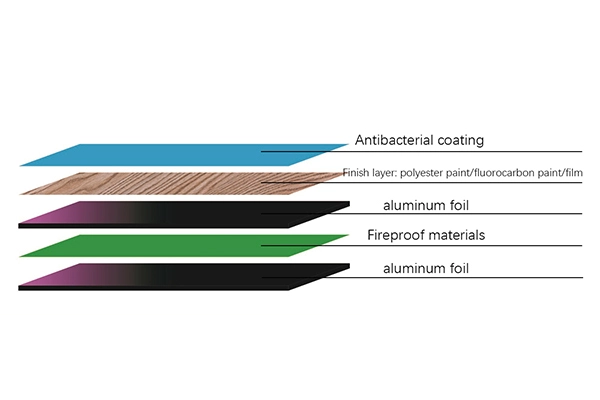
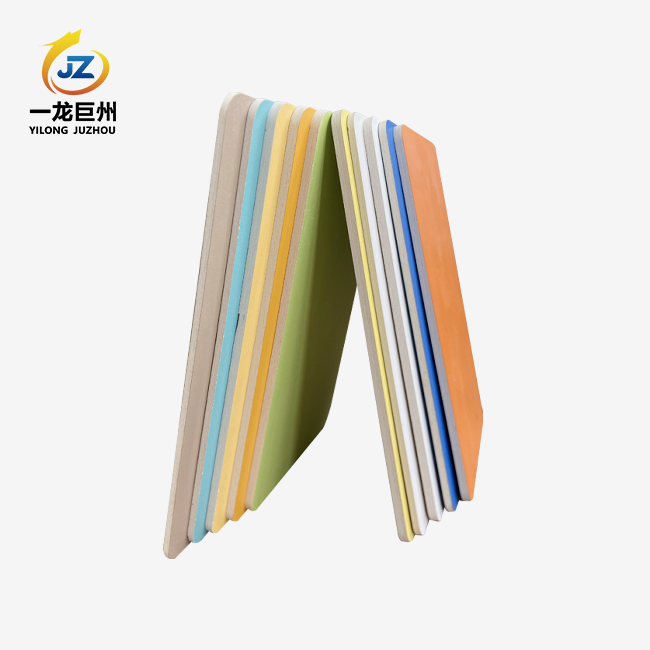
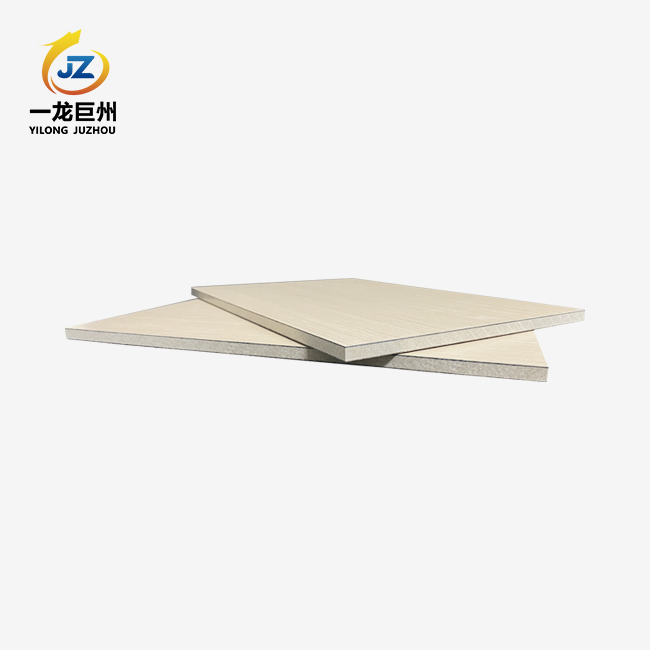
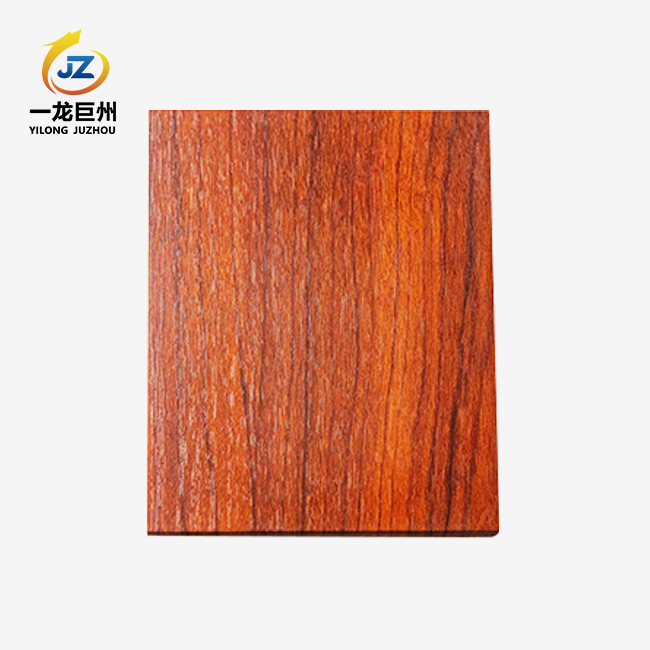
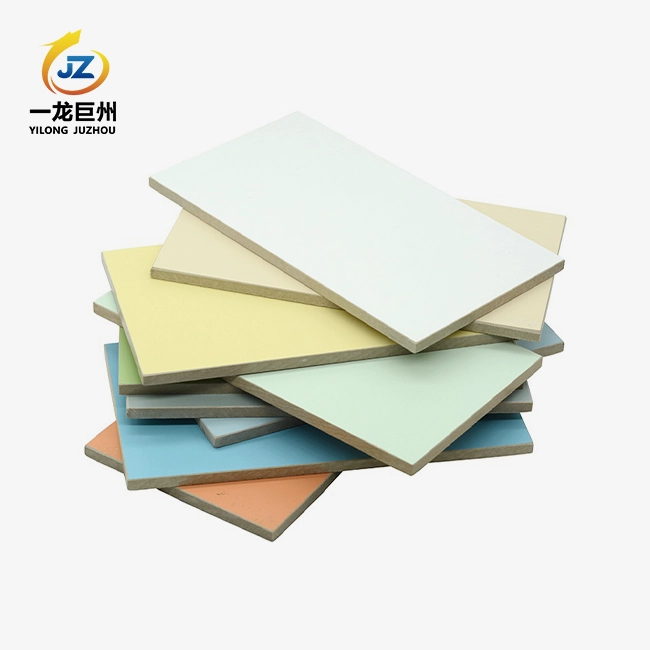
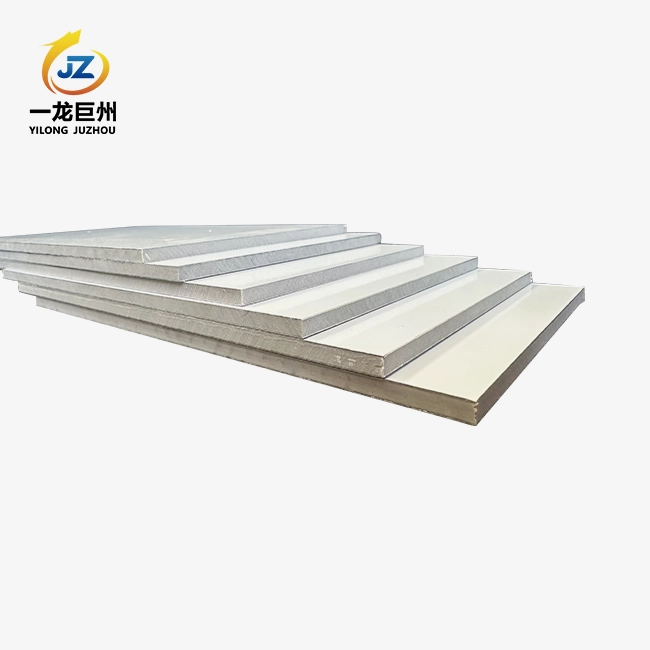
Two skins are made of aluminum, and the middle is made of polyethylene or a mineral-filled material that doesn't catch fire. The paint determines the skin's color, gloss, and ability to withstand the weather. Many factory panels are coated with a continuous coil line before they are laminated. Like this, the film is even, and there aren't many color differences between batches. This is important for big buildings that are being built in stages. This is the YILONG JUZHOU panel. It has polyester paint on the outside and fire-resistant material between two aluminum skins, as you can see. The skin is between 0.1 mm and 0.5 mm thick.
Factory-Coated, Site-Painted, and Refurbished Panels
There are three types of "painted ACP" panels: ones that were painted on-site, ones that were coated at the factory, and ones that are older panels that have been fixed up and given new paint. Each route has a different thickness, consistency of finish, length of time, and warranty coverage. In a factory coating process, the temperature and humidity are kept in check, so the end result is always the same. The weather and how the crew gets the surface ready all have an effect on how the site is painted. One more thing that could go wrong during the restoration process is that the new paint has to stick to the wood's finish. I always ask which of the three prices a quote is for before I compare them.
When to Repaint and When to Replace
Repainting an aluminum composite board can be done once the aluminum skins, core, and current coating are stable. You should get a new one if there is delamination, corrosion, severe deformation, or the fire performance is too old. Painting won't fix those issues. PVDF and FEVE finishes that are applied at the factory don't stick, so they need to be specially prepared and painted with a tried-and-true method. I also think access is important. For a while, it might cost more to paint a tall facade until the cost of scaffolding or lifts makes painting panels less expensive. For most people, the answer is a short inspection by a qualified technician and adhesion tests on a few test areas before they spend any money.
Preparing and Painting Exterior Panels
Factors to Check Before You Paint
First, look at how the panel is in shape. Water damage, blistering, deep dents, and joints that don't work are all signs that paint can't fix. Next, find out whether the finish is PE, PVDF, FEVE, or anodized aluminum. It tells you what to sand, what primer to use, and how to see if the paint sticks. After that, look at the place. A coating's life can be cut short by UV light, humidity, salt spray, pollution, temperature changes, and freeze-thaw cycles, among other things. In the north, projects need to know how to handle freeze-thaw cycles. On the coast, projects need to know how to handle salt spray. Last, write down the goals in the assignment. These should include things like how long the color lasts, how glossy it is, how well it resists scratches and fire, how long the warranty lasts, and the local standards.
How to Prepare the Surface
The finish will last as long as you prep the surface. The panel must be clean and free of grease, dirt, silicone, salts, and buildup. Be mindful of the "skin" or covering of the aluminium. Remove any loose or non-adhering layers. Next, scuff the glossy spots with sandpaper so the fresh coat has something to grab onto. Look closely and examine the edges, dents, joints, sealants, fasteners, and fasteners. If any of the panels are significantly broken, don’t attempt to disguise it; replace them. Test a tiny spot before you complete the whole job to ensure the colour, gloss, and compatibility all play well together. That small spot can salvage the whole front.
The Painting Process Step by Step
First of all, note down the primer, the top coat, colour, gloss, film thickness, number of coatings, and life expectancy. This is the initial stage of a good procedure. Clean up the workspace and get some fresh air in. Check the temperature and humidity, and protect any surrounding surfaces that could be oversprayed. Let it dry and apply a primer that is compatible with it. Then, using a spray, roller, or brush, coat the exterior of the panel with the topcoat. Which one you use will depend on the size and finish. One thin coat is preferable to one heavy coat. Finally, make sure that the colour, adherence, edge coverage, gloss level, defects, and cure are all consistent. Work on the panels safely.
Choosing Coatings and Comparing Options
PVDF, FEVE, and Polyester Compared
When selecting a painting aluminum composite panels, people often put PVDF and FEVE coatings on the outside of buildings because, if made and put on correctly, they usually do a good job of protecting against UV light, weather, and losing their color. Most people in the US use AAMA 2605 to figure out how good high-performance organic coatings on aluminum panels are. Polyester (PE) coatings can be used for short-term or low-exposure work inside, but they need to be carefully checked out before being used outside. You may pick a matte, glossy, metallic, or rough finish. You need to approve a sample and keep an eye on the whole batch for custom colors like RAL or Pantone references. Besides being different in color and consistency, powder coating and factory coil coating also come in different sizes and costs.
Painted ACP Versus Alternative Solutions
If you need to make something new, fix something up, replace a big facade, or make a few small parts, there is a best way to do it. It is usually easier to control and the coatings stay the same for longer when PVDF or FEVE coatings are put on at the factory instead of on-site. If sound panels only need to look better, painting them might do the trick. Compare painted ACP, painted aluminum sheet, and powder-coated parts in terms of how flat, rigid, easy to make, expensive, and simple to fix they are. The word "painted" is not enough to trust it. You should check the whole system, which includes the condition of the substrate, the chemistry of the coating, the production environment, the warranty, and how well it works over time.
Common Problems and How to Prevent Them
A lot of the time, problems like peeling, bad adhesion, uneven color, blistering, cracking, fading, and chalking happen. It's usually because the surface wasn't cleaned well, the primers didn't mix well, there was too much moisture, the film was too thick, the curing process wasn't done right, or the conditions during the application weren't stable. A flaw in the coating could mean there is a bigger issue, such as delamination, panel movement, corrosion, or a problem with how it was installed. So, before any repairs are made, they should be looked at by a professional. To stop this from happening, it's important to check the substrate, use coatings that are compatible, prepare the surface carefully, use approved samples, apply the coatings correctly, and record adhesion tests. It is usually safer to tear down and rebuild a building instead of painting it when there are issues with the core, the structure, or the fire safety.
Applications, Quality, and Procurement
Exterior Applications and Fire Requirements
A painting ACP panel can be used for storefronts, facades, signs, column cladding, and feature walls, and each one has its own needs. When it comes to facades, you should think about sun damage, wind loads, joints, edges, and fire safety. In the US, the International Building Code says that metal composite materials can't be used on the outside of walls. Also, NFPA 285 checks wall assemblies that have parts that can catch fire. Fire-rated panels should be checked as a whole, not just by themselves. When working in stores or on signs, it's important that brand colors are accurate, easy to clean, and don't scratch easily. Sample corners are needed for formed panels to make sure that all of the seams and finishes are the same.
How to Evaluate Quality
The lab records, visual checks, and production tests should all be put together. A cross-hatch test, as described in ASTM D3359, checks to see if the paint sticks to the aluminum skin. According to ASTM B117, testing for salt spray tells you about corrosion. This is important near the coast and on roads that have de-icing salt on them. Measure the coating on the faces, edges, folds, and corners; don't just guess how thick it is. To make sure the color and gloss are right, they should be compared to a physical control sample that will be lit the same way throughout the project. You should ask for warranties, records of inspections, certificates, and the ability to keep track of each batch. Check to see if the reports cover the item you want to buy.
Cost, RFQ, and Manufacturer Selection
How thick it is, what kind of core it has, how long it lasts, what color it is, how it was made, how it was packed, and how far it has to be shipped affect the price per square meter. Some panels may cost more at first, but they can save you money in the long run on labor, tools, and quality control. A full RFQ has details about the size, core, coating, color, gloss, quantity, where the goods are going, certifications, schedule, warranty, and other things.
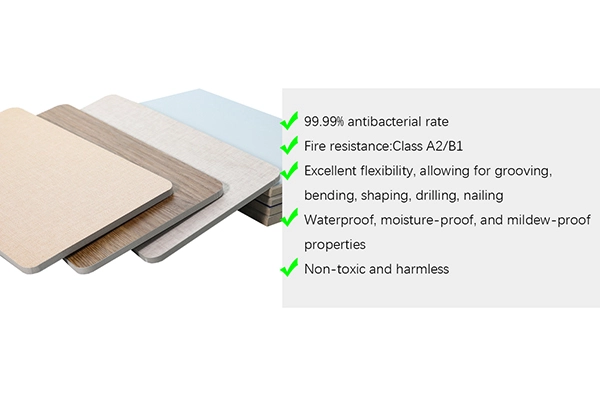
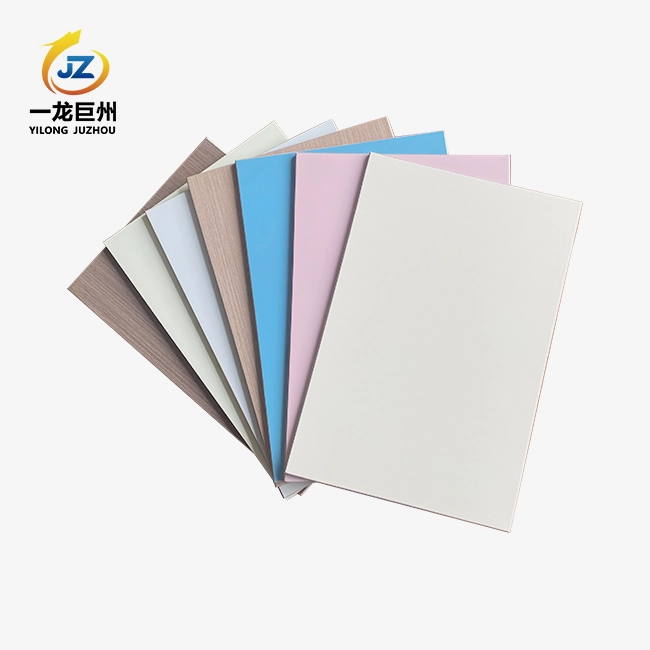
Painting aluminum composite panel is available from YILONG JUZHOU in thicknesses of 2, 3, 4, 5, and 6 mm, as well as widths of 1220, 1500, and 2000 mm and lengths that can be altered. In this line, you can choose fireproof materials that are Class A2 or B1. These materials are also waterproof, resistant to moisture and mildew, and do not contain formaldehyde. Our polyester-coated panels are used to make the walls of schools, hospitals, airports, hotels, and offices look nice. Send us information about the weather, and we'll let you know what works for the outside of your project. Eco-Friendly China, ISO, and CE have all given their approval to our products. From 50,000 m² of stock, it takes 3–7 days to make something.
Conclusion
A painting aluminum composite panel can only be used outside if the core, coating, and installation are all right for the weather and the building code. For difficult facades, factory-applied PVDF or FEVE systems work best. Polyester, on the other hand, is better for work inside or that doesn't get as much sun. If you want to paint it again, you need stable cores and sound skins. You should also clean, abrade, prime, and test the piece carefully. It needs to be replaced if it is corroded, delaminated, or is too old for fire safety. Tests for adhesion, salt spray, thickness, and color approval, along with certificates and fire reports that are specific to the product, show which panels are safe and which ones are not. People get the best deal when they compare more than just the unit price. They look at all the features and the value over time.
FAQ
Q1: Can I repaint an existing aluminum composite panel?
Yes, as long as the core, skins, and coating stay stable most of the time. First, check out a small area. For PVDF finishes, you need special primers and abrasives. Also, panels that are peeling off or corroding need to be replaced.
Q2: Is polyester coating suitable for exterior use?
Polyester is good for work that will not be exposed to direct sunlight. Polyester shouldn't be used outside because it gets too hot or too cold, so before you use polyester outside, make sure you know about the exposure and warranty information.
Q3: Does paint change the fire rating?
The core is still bad after painting it. The tested wall pieces and core did a good job of putting out fires. You can pick between our Class A2 or B1 panels, and I suggest that you ask for reports that are made just for your package.
Q4: Can I get free samples?
Yes. You can get free samples at YILONG JUZHOU, and they can usually make them in three to five days. They will also do OEM and ODM work. It takes three to seven days to make.
Request a Painting Aluminum Composite Panel Quote for Your Project
Painting aluminum composite panels is done by YILONG JUZHOU. There are 50,000 m² ready to go, and they can make them in 3–7 days. They will also send you free samples. Send them your drawings, as well as examples of thickness, width, and color. After you email cnyang2000114@gmail.com, someone from our team will get back to you within 24 hours. When you buy from us, we promise quality for three years and offer OEM and ODM items.
References
1. International Code Council, International Building Code, 2021.
2. National Fire Protection Association, NFPA 285: Standard Fire Test Method for Evaluation of Fire Propagation Characteristics of Exterior Non-Load-Bearing Wall Assemblies Containing Combustible Components, 2023.
3. American Architectural Manufacturers Association, AAMA 2605: Voluntary Specification, Performance Requirements and Test Procedures for Superior Performing Organic Coatings on Aluminum Extrusions and Panels, 2022.
4. ASTM International, ASTM D3359: Standard Test Methods for Rating Adhesion by Tape Test, 2023.
5. ASTM International, ASTM B117: Standard Practice for Operating Salt Spray (Fog) Apparatus, 2019.
6. ASTM International, ASTM E84: Standard Test Method for Surface Burning Characteristics of Building Materials, 2023.

Send Inquiry

Related Industry Knowledge
- What Are The Advantages of an exterior ACP Sheet?
- What is an aluminum composite panel?
- Is Calcium silicate aluminum composite board Eco-Friendly?
- PE aluminum composite board Installation: A Practical Guide
- Can Antibacterial Wall Panels Improve Indoor Hygiene?
- Top Manufacturer of Calcium Silicate Fireproof Board
- Why Paint Peels Off Aluminum Composite Panels and How to Fix It
- How Does a Negative Ion Healthy Panel Improve Indoor Air Quality?
- What is a PP healthy panel? Uses, Benefits & Future Trends Explained
- What Are Inorganic pre-coated panels and How Are They Made?