
PE aluminum composite board Installation: A Practical Guide
November 9, 2026
PE aluminum composite board has to be set up in 5 stages to function. Check the wall substrate. Make a level subframe. Use the correct tools to cut and install the panels. Check the joints before removing the protective film. Make sure the panels are up to the task. This is the best way for projects within walls such as hospitals, schools, hotels, and offices where the flat surfaces and clean joints are important. This guide leads U.S. buyers, contractors, and architects through the process, in simple language, from selection of the panels to their maintenance. That way, they can keep on schedule and avoid extra work.
Understanding the Panel and Planning Your Project
What PE Aluminum Composite Board Is Made Of
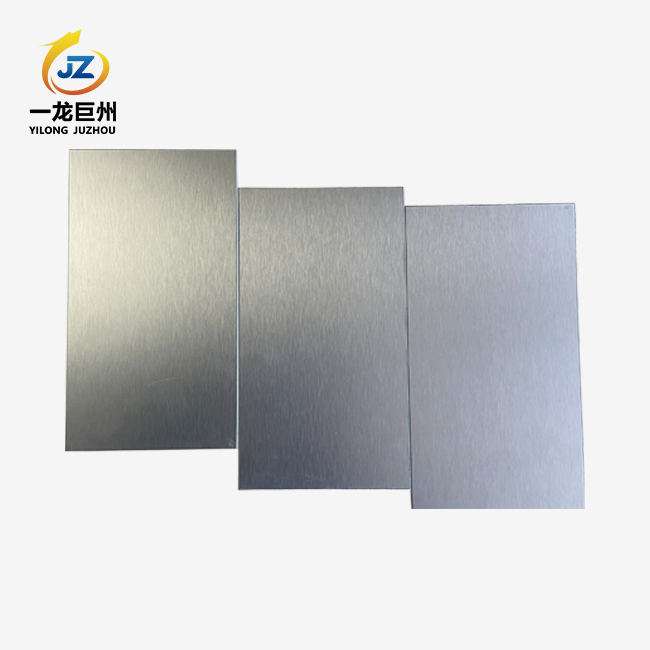
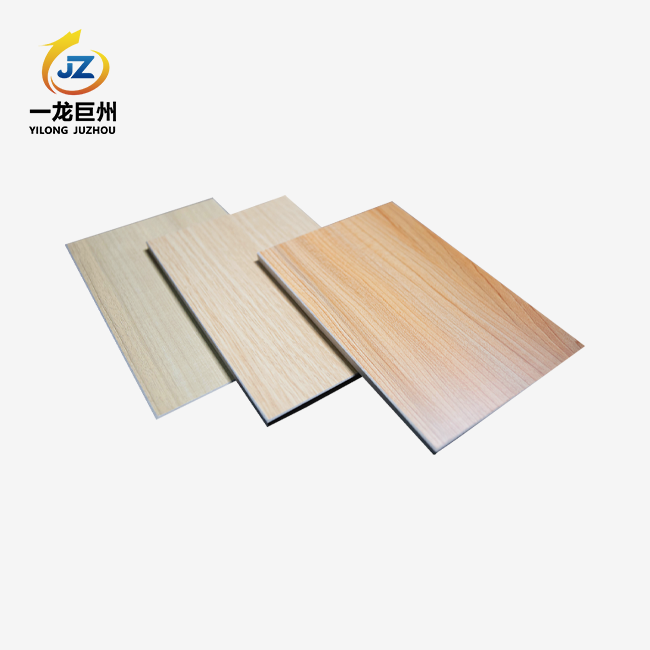
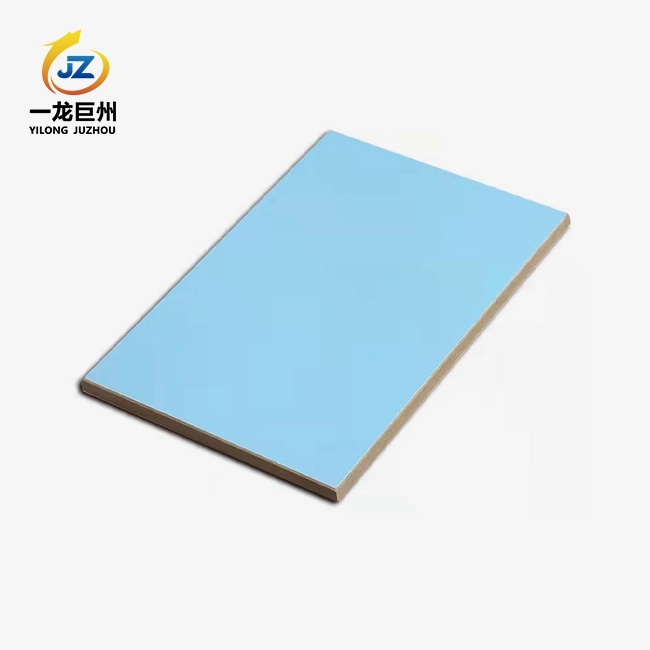
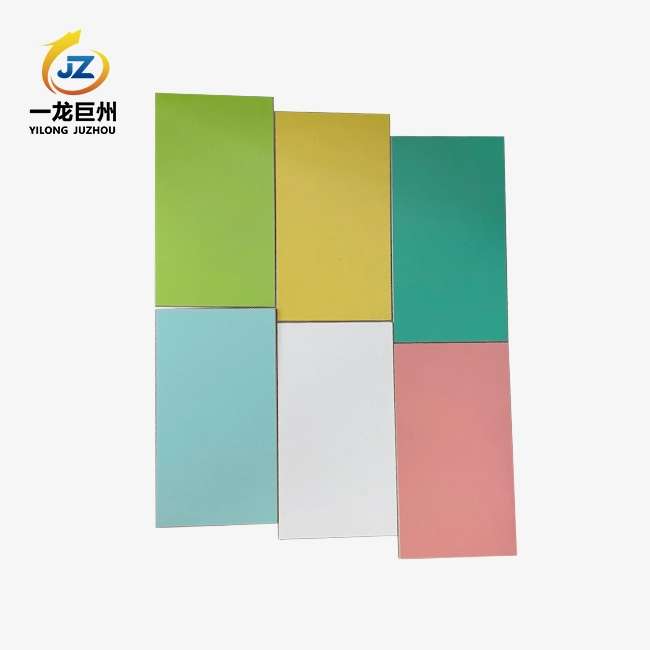
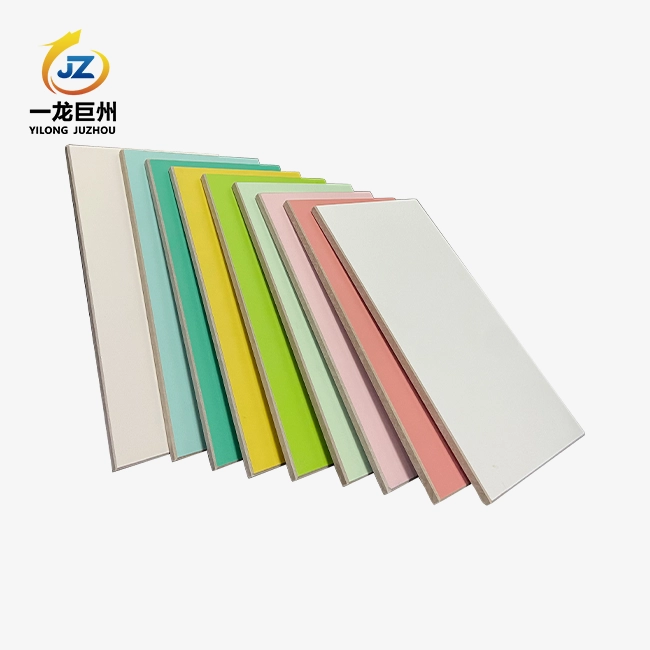
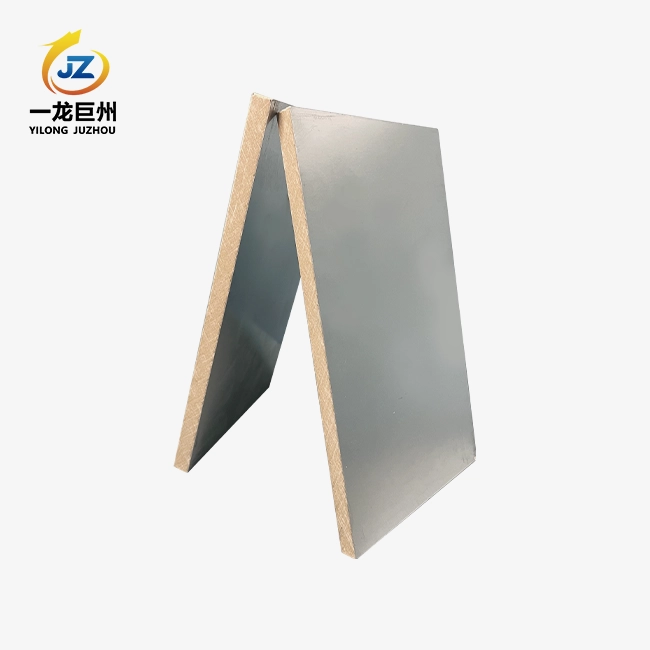
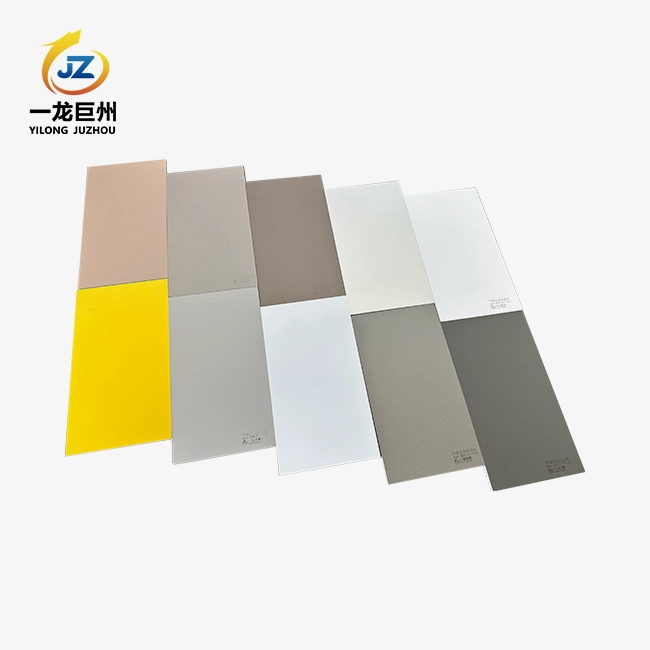
The PE aluminum composite board is used to build a sandwich panel. It’s got a polyethylene core in the middle, and two aluminium skins on the outside. It has a polyethylene layer on top of the face. At YILONG JUZHOU, we have polyester paint, PET film, PVC film, and walls constructed of PP film. You can choose between 2, 3, 4, 5, and 6 mm. The length is variable, and the widths are 1220, 1500, and 2000 mm. Silver skins vary in thickness from 0.1 mm to 0.5 mm. The hues available are solid, woodgrain, marble, metallic, and textile patterns. The fire rating for the panel is Class B1. It doesn't absorb water or moisture and doesn't contain formaldehyde. These things will affect how you cut the wall, put it together, and finish it.


Planning the Layout and Checking the Substrate
The blueprints are the first stage in a proper installation. After selecting where the panels will go, inspect the wall to make sure it is sturdy, level, and free of dampness. Because it's thin, a damp or uneven substrate may be seen through, and it's not simple to correct afterward. For a marble or woodgrain finish, develop a blueprint that indicates the pattern direction, joints, apertures, corners, and permissible bends. Before you purchase, determine how much cutting waste you will have. To choose the proper thickness, don't only look at the price. Also, consider the size of the panel, the distances between the supports, and how it will be fastened. Thick panels are stiffer across extended distances, whereas thin panels are preferable for tiny sections that are adequately supported. At this stage, our staff can assist from a technical point of view with both design and implementation.
Matching the Panel to Code and Application
In the US, interior wall coverings, including pe acp board, must meet the requirements for interior finishes. The International Building Code Chapter 8 determines a finish quality of Class A, B, or C by using the ASTM E84 surface burning test. Our Class B1 classification comes from China; thus, it is not the same as a US test result. Your supplier should provide you with datasheets and fire records. Then you should check with the local government to make sure they’re happy with it. Also make sure the terms are simple to grasp. PE = polyethylene core; PVDF = coating. Hotels, hospitals, airports, subways, and art galleries are just a few of the areas where our panels may be utilised indoors.
Tools, Safety, and the Step-by-Step Process
Tools, Materials, and Safety Gear
Before you begin cutting, make sure you have the proper instruments. To shape and lay out the wood, you’ll need a laser level, a fine-tooth carbide-blade saw, clamps, a drill, a rivet gun, and a tool for removing burrs. Aluminium or galvanised steel subframes, brackets, screws, rivets, backer rod, corner profiles, adhesive, and sealant all function together as supporting pieces. When the panels arrive, check to see what colour they are, how large they are, how thick they are, how many there are, how flat they are, and if they have any shipping damage. When routing, use safety eyewear, non-cutting gloves, a dust mask, and hearing protection. If you prepare beforehand, you may prevent the project site from being delayed.

Cutting, Routing, and Bending
Cut panels on a clean surface completely supported so they don’t get damaged or shake. Another approach is to keep the film on while you cut. Our panels are flexible and can be drilled, nailed, and bent, so you may V-groove and fold them to produce column coverings, returns, and corners. Take care to adjust the depth of the groove. If the groove is too deep, the front skin and coating will fracture. If the groove isn't deep enough, the paper won't fold. Sharp CNC bits cut clean edges; dull ones chip. 1. The pieces are numbered so you know where they belong. This continues the same pattern in the same direction. We can trim the panels to suit walls over 3 meters high so there are fewer horizontal seams.
Fixing, Joints, and Finishing
Refer to the drawings provided. Then, position the subframe in place, ensuring it is neither too near nor too far apart. Depending on the project, you may rivet, mechanically fasten, glue, or use a combination of these to join the panels. Do not over-tighten the fasteners, as this can harm the skin and bend the panel. Use a sealant and backer rod indicated in the design that are compatible with each other to fill the joints. Make sure that all joint widths are the same. Make sure any edges or corners that aren't covered by profiles are protected. No protective film should be removed until completion of major building, sealing, and making up. This is because the light will set any adhesive that is still on the film.
Quality Control and Common Installation Problems
Quality Checks During and After Installation
Instead of checking at the end, check as you go when installing PE aluminum composite board. Check the panel's size, whether it is flat or square, the quality of its edges, and how well the joints are lined up. Check the colors on several panels side by side since they may have different tones from one production run to the next. Watch out for the right amount of space between the fasteners, a stable subframe, and sealant lines that never end. Check with the suppliers to see the test results too. The thickness of the coating, how hard it is to scratch with a pencil, how well it bends, and how strong it peels are often checked at the factory. To test the strength of a bond, ASTM D1781 describes a climbing drum peel method. People who buy our goods can ask for proof that they have been approved by the China Environmental Protection Standard, ISO, and CE.
Typical Defects and Their Causes
The most common flaws are cracks in the corners, oil cans, warping, uneven joints, leaks, and changes in color. Most of the time, they are caused by easy things. When there are weak subframes, the skin gets dents, tools that are too dull chip the edges, and corners get broken because the grooves are too shallow. The color changes when sealants that don't work well together fail. If you follow a strict process, most repairs won't happen because you can track each problem back to a step you control. Water behind the wall can loosen screws and bolts in damp places like bathrooms and kitchens. The subframe and joints still need to be dry and sound, even though the board itself doesn't get wet or mildewed.
Prevention Through Storage and Trial Panels
Cuts must be stopped before they happen. Panels should be kept inside, flat, off the ground, and away from water. They will scratch the surface if you drag them, so you should lift them instead. Check that the support structures are level and that your shop drawings are correct. In natural light, set up a test panel on big projects to check the color, how it bends, and the joints. We send free samples within three to five days so that your team can see how they work before they place a big order. We keep 50,000 m² in stock, which helps with building schedules that are broken up into stages. It takes 3–7 days to make.
Procurement, Maintenance, and the Final Checklist
Writing a Clear RFQ
When requesting quotes for a pe acp board, people give you similar quotes when you ask for exact ones. How it will be packed, where it's going, any certifications that are needed, how thick it is, how big it is, how many of them there are, what color they are, what the top layer is, and any fire requirements. You should compare more than just price per square meter when you do this. Take a look at the export history, lead time, warranty, packaging, and tolerances. We ship things from Shenzhen, Guangzhou, Shanghai, and Qingdao. The things we make are in Shaanxi and Foshan. Over 30 countries have bought from us. We answer emails within 24 hours, take OEM and ODM orders, and for three years we have promised that our products will be of good quality.
Maintenance After Handover
If you take care of the wall, it stays clean. To get rid of dust, use clean water and a soft cloth or sponge. If the dirt is really tough, use a mild detergent. Rough pads and strong solvents can scratch or dull the finish, so don't use them on it. It's good for school and hospital hallways because the smooth surface is easy to clean. In its guidelines for environmental infection control, the CDC talks about how to keep surfaces in health care facilities clean. Regularly check for damage from hits, loose fasteners, open joints, and sealant that has cracked. Panels that are broken should be replaced with ones from the same series, thickness, color, and finish. If there are extra panels from the first order, they should be kept.
Final Installation Checklist
It's safer and faster to hand over when you have a short list. Check the fire documents, wood condition, application, and panel specifications, as well as the shop drawings, tools, fasteners, and sealants. Watch out for the guidelines, frame alignment, cutting accuracy, fastener spacing, joint widths, corner details, and how the sealant is prepared as you work. After the work is done, check for levelness, alignment, surface condition, joint consistency, and the safety of the fixings. First, remove the protective film and clean the surface. Next, keep the drawings, records of inspections, maintenance instructions, and information about extra panels. Our tech team can look over your list and the project drawings before you start.
Conclusion
For a good PE aluminum composite board installation, you need to make the right decisions at the right time. It is made up of polyethylene cores wrapped in aluminum skins, and polyester, PET, PVC, or PP make up the surface. The skin gauge, thickness, and size of the wall should all match. So should the space between the supports. Before the work starts, plan the layout, test the substrate, and check that the fire documentation matches the US interior finish rules. This will help avoid a lot of problems. Tools that are very sharp, groove depth that is controlled, moderate fastener pressure, and joints that are all the same protect the surface. Problems are found quickly when checks are made while the work is being done. It's more important to control the process than to fix it when there are problems, like subframes that aren't level, grooves that are too deep, sealant that doesn't stick to the subframes, or batches that aren't mixed up. Specific RFQs, sample testing, gentle cleaning, and a final checklist see the project through from the beginning to the end.
FAQ
Q1: Can I use PE aluminum composite board on interior walls in the United States?
Yes, it can be used inside for many things as long as the fire paperwork follows the rules in your area. There are different types of interior finishes based on ASTM E84. Get the test report and make sure the local government agrees with it.
Q2: Which thickness should I choose?
Choose the right thickness for the panel's size, the space between the supports, and how it will be attached. We have sizes 2, 3, 4, 5, and 6 mm. Our team will help you choose a size after looking at your plans.
Q3: Can I cut and bend the panels on site?
Yes. You can drill, nail, and bend them. Use sharp tools, hold the panel up all the way, and keep an eye on the groove depth.
Q4: How fast can I receive a sample?
In 3–5 days, free samples are usually sent out.
Request a Free PE Aluminum Composite Board Sample from YILONG JUZHOU
Want to find a company that makes PE aluminum composite board for an upcoming project inside? They offer free samples, OEM and ODM service, 50,000 m² of stock, and a quality guarantee for three years. They can make something in three to seven days. Send us an email at cnyang2000114@gmail.com with the quantity, thickness, size, and finish you want, and we'll get back to you in 24 hours.
References
1. International Building Code, International Code Council, 2021
2. ASTM E84, Standard Test Method for Surface Burning Characteristics of Building Materials, ASTM International, 2023
3. ASTM D1781, Standard Test Method for Climbing Drum Peel for Adhesives, ASTM International, 2021
4. NFPA 101, Life Safety Code, National Fire Protection Association, 2021
5. Guidelines for Environmental Infection Control in Health-Care Facilities, Centers for Disease Control and Prevention, 2003
6. ISO 9001, Quality Management Systems: Requirements, International Organization for Standardization, 2015

Send Inquiry

Related Industry Knowledge
- UV light curing board vs Traditional Laminated Boards Comparison
- Is an aluminum composite panel Fire-Resistant and Weatherproof?
- Negative ions panel vs Air Purifiers: Which Is Better?
- How Is PE aluminum composite board Used?
- Medical Clean Board for Hygienic Wall Panel Systems
- Is PE aluminum composite board Fire Resistant?
- ACP Sheets: Pros, Cons, and Uses Explained
- Negative ion boards: natural enemies of bacteria and viruses
- What Are Inorganic pre-coated panels and How Are They Made?
- Inorganic pre-coated panels for Modern Architectural Applications