
UV light curing board vs Traditional Laminated Boards Comparison
October 30, 2026
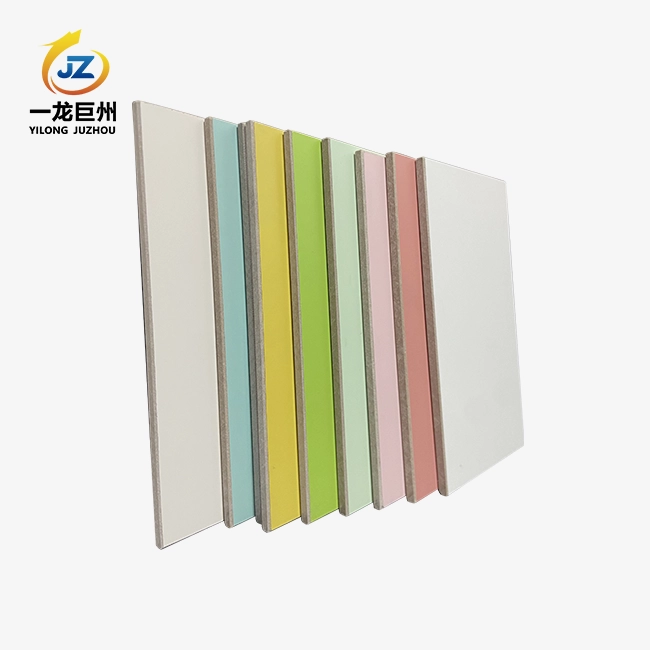
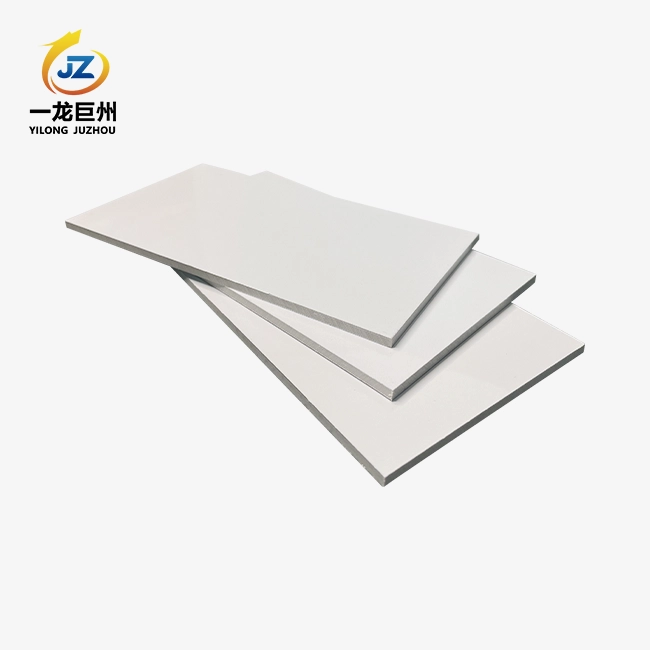
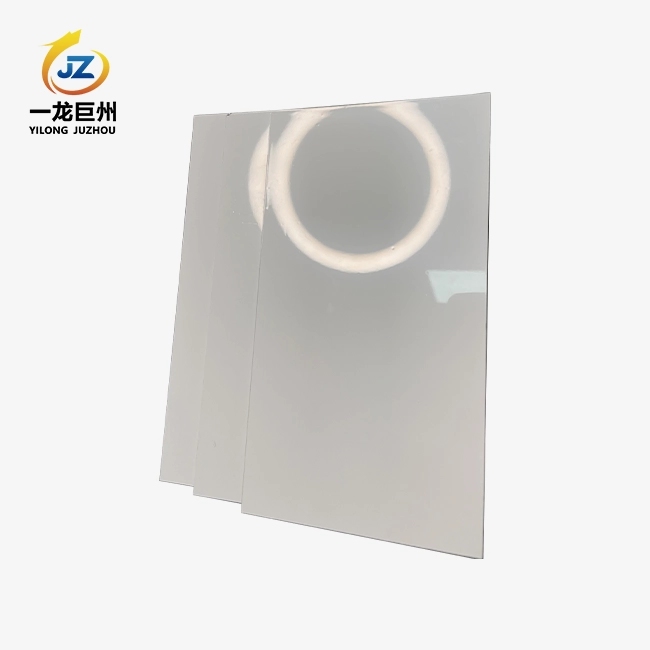
When comparing UV light curing board with traditional laminated boards, the differences go far beyond surface appearance. A UV light curing board uses a calcium silicate substrate coated with UV antibacterial paint, cured instantly by high-intensity ultraviolet radiation. This process creates a dense, hard, low-emission surface film. Traditional laminated boards rely on adhesive layers bonded under heat and pressure, resulting in longer curing cycles and higher VOC output. For procurement teams in healthcare, commercial construction, and industrial sectors, understanding these distinctions directly influences material performance, compliance outcomes, and long-term project costs.
Introduction to UV Light Curing Boards and Traditional Laminated Boards
What Defines Each Board Type?
When UV light hits UV curing panels, the coating on the surface sets in seconds, making them designed artistic wall systems. The base, which is usually a calcium silicate board, has a layer of UV-resistant paint that forms a cross-linked polymer film. This film is thick, doesn't contain any solvents, and has a uniform hardness on the surface without taking a long time to dry.
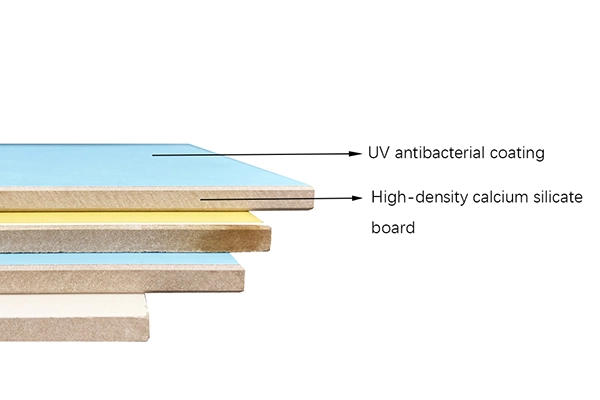
Heat-activated adhesives or solvent-based coatings are used to attach decorative films or veneers to substrates on traditional laminated boards. The process takes longer, needs to be done in places with controlled temperatures, and formaldehyde and other volatile compounds are released at levels that can be measured during and after production.
Both kinds of boards are used for decorating interior walls, but they come into that market with very different performance and production profiles.
Performance and Technology Comparison
Surface Hardness, Durability, and Emissions
The UV curing process makes the surface as hard as 3H to 5H on the pencil hardness scale. This means that UV panels are much harder to scratch than most laminated options. The cross-linked layer is resistant to common chemicals, acids, and bases, which is a big plus in places like food processing plants and drug labs.
When traditional laminated boards are exposed to moisture for a long time, they often become soft or peel. When temperature or humidity changes a lot, adhesive layers can come apart. This is a known weakness in public places with a lot of foot traffic.
This is the main difference in performance that procurement teams should look at:
YILONG JUZHOU UV light curing panels have a 99.99% antibacterial rate thanks to the UV antibacterial paint layer. This makes them perfect for operating rooms, medical beauty centers, and clean rooms where keeping germs away is a must.

- Antibacterial performance: YILONG JUZHOU UV light curing panels achieve a 99.99% antibacterial rate through the UV antibacterial paint layer, making them suitable for operating rooms, medical aesthetic centers, and clean rooms where infection control is non-negotiable.
- Fire resistance: These panels meet GB8624 non-combustible Class A classification. Traditional laminated boards with organic adhesive layers frequently fall into Class B or C fire ratings, limiting their use in tunnels, stadiums, and public transit infrastructure.
- Moisture and mold resistance: The calcium silicate core combined with the cured surface film delivers excellent moisture-proof performance, eliminating mold risk in high-humidity environments. Standard laminated boards absorb moisture at the edges and core, accelerating degradation.
- VOC emissions: UV-cured coatings are 100% solids and solvent-free. The cured film reduces gas release from the substrate, meaning installed spaces are odorless and ready for immediate occupancy — a direct advantage over laminated boards that continue off-gassing for weeks after installation.
These differences in performance lead to measured savings over the span. Over the course of a 10- to 15-year building's life, UV panels are a more logical investment because they require less maintenance, need to be replaced less often, and must meet stricter environmental standards.
Application Scenarios and Industry Relevance
Where UV Panels Outperform Laminated Alternatives
UV light curing panels are used in a lot of different controlled and busy places. YILONG JUZHOU's products are used in schools, hospitals, shopping stores, subways, high-speed transit tunnels, pet hospitals, and home improvements.
UV light curing board outperforms traditional laminated boards, which are still used for low-cost home projects and commercial spaces that aren't regulated and don't need to meet fire safety or antibacterial performance standards. There are cost benefits to using traditional laminated boards in these situations, but they aren't as good when there are health, safety, or environmental rules to follow.
When looking for wall panels for a hospital renovation, a pharmaceutical cleanroom, or a subway station, the procurement manager has certain duties. Because UV curing panels are antibacterial, fire-rated, and don't produce any smell during installation, they remove compliance uncertainty that laminated boards can't.
Cost, Procurement, and Supplier Considerations
Total Cost of Ownership Beyond Unit Price
When you buy something, unit price makes standard laminated boards more appealing. Cost of ownership, on the other hand, tells a different story. UV decorative panels keep their colors from fading for a lot longer than coated surfaces. This means that you don't have to worry about color differences when installing them again and again, as you do with regular boards. Because they don't crack or dent easily when hit, they save money on touch-ups and replacements in areas with a lot of foot traffic.
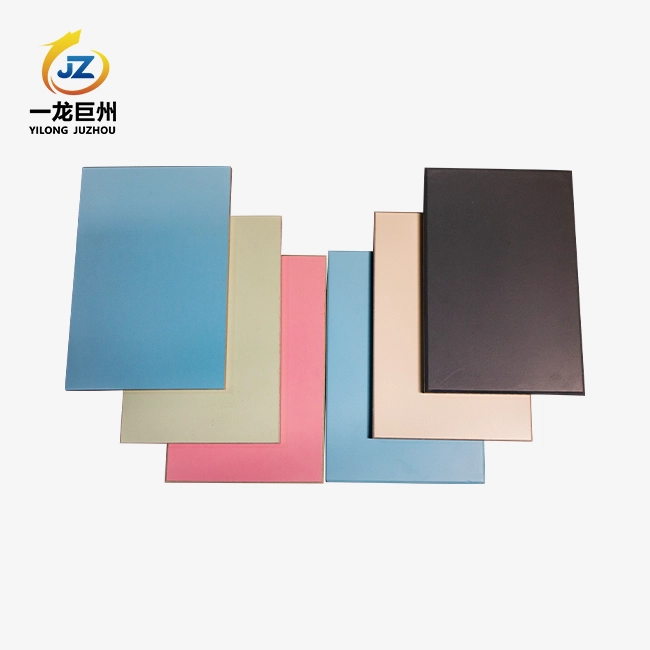
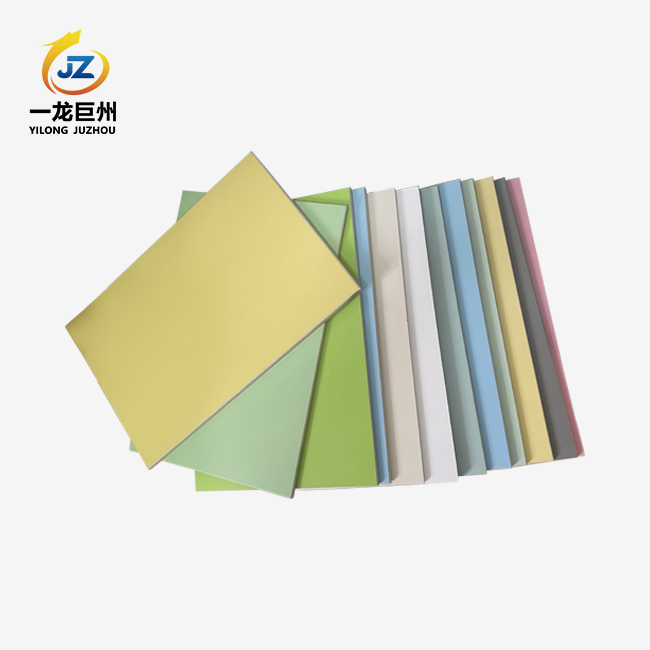
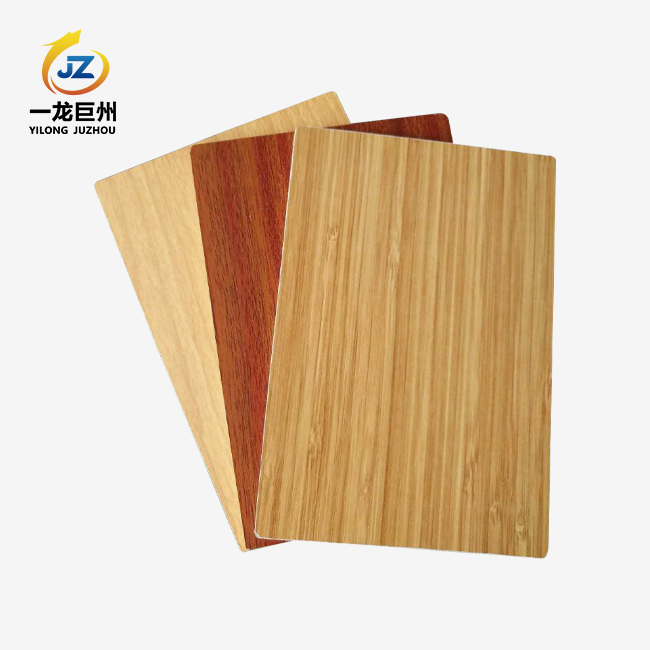
With OEM and ODM services, YILONG JUZHOU supports variable sourcing, letting specification teams change panel sizes, surface patterns, and thicknesses. The usual width is 1220mm, and the lengths can go up to 3050mm. The thicknesses run from 4.5mm to 20mm. You can choose from solid colors, woodgrains, marble, metallic finishes, and cloth patterns for the surfaces. These can be used in both functional industrial spaces and aesthetically demanding commercial interiors.
Some of the best things about buying from YILONG JUZHOU are:
- Production lead time of 3–7 days with a standing stock of 50,000 m²
- Free sample availability with delivery within 3–5 days for specification approval
- Three-year quality guarantee with after-sales technical support
- Export-ready logistics through Shenzhen, Guangzhou, Shanghai, and Qingdao seaports, and land transport via Xi'an, Guangzhou, Shenzhen, and Foshan

These supply chain agreements lower the risk of buying things for foreign wholesalers and EPC companies working on projects with more than one phase.
Making the Right Choice: Decision Criteria for B2B Procurement
Matching Board Technology to Project Requirements
Three things determine whether UV Antibacterial wall boards or laminated boards are better: the regulations in the space where the panels will be used, how long they need to last, and the total cost of the project over its entire lifecycle, not just the cost of the materials themselves.
Because they are fire-resistant, antibacterial, resistant to wetness, and don't produce any volatile organic compounds (VOCs), UV-cure panels are a great choice for projects in healthcare, public infrastructure, food manufacturing, or transit systems. The colorfastness and impact resistance make refurbishment cycles longer, which is good for commercial developers who are in charge of the interiors of hotels or office buildings.
Traditional laminated boards can still be used in low-risk, low-regulation areas where cost is an issue and compliance needs are low. But as building codes get stricter in business and educational buildings in the U.S., the performance gap between UV-cured surfaces and traditional laminated systems keeps growing.
Conclusion
When it comes to longevity, safety, antibacterial performance, and being good for the environment, UV light curing board technology is a clear step forward over standard bonded panels. The data consistently shows that UV-cured wall panels are the better choice for procurement professionals who work in healthcare, commercial construction, industrial facilities, or international distribution. YILONG JUZHOU offers these panels with guaranteed performance, easy customization, and dependable global operations, which makes the switch from traditional laminated materials possible and smart for business.
FAQ
Q1: Are UV light curing panels safe for indoor air quality?
Yes. The UV curing process forms a fully cross-linked, solvent-free film. The panels contain no benzene or other volatile organic compounds. After installation, the space is odorless and immediately habitable — a critical advantage in healthcare and school environments.
Q2: How do UV antibacterial panels perform against pathogens?
YILONG JUZHOU panels achieve a 99.99% antibacterial rate through the UV antibacterial paint layer. This performance level meets the hygiene requirements of operating rooms, clean rooms, and pharmaceutical manufacturing environments.
Q3: Can UV curing panels be customized for specific project dimensions?
OEM and ODM customization is fully supported. Panels are available in thicknesses from 4.5mm to 20mm and lengths up to 3050mm, with surface patterns covering solid colors, woodgrain, marble, metallic, and cloth finishes.
Q4: How does installation compare with traditional laminated boards?
UV panels use a quick pressure strip system that is factory pre-customized. Installation requires no curing wait time on-site, reducing labor hours significantly compared to adhesive-bonded laminated systems.
Partner with YILONG JUZHOU for Your Next Wall Panel Project
YILONG JUZHOU makes approved UV light curing boards that meet the needs of businesses, hospitals, and factories. We have two production bases in Foshan and Shaanxi, an inventory of 50,000 m², and production lead times of 3–7 days. This means that we can help buying teams that need a stable, large-scale supply. Email us at cnyang2000114@gmail.com to get a free sample, learn about OEM customization options, or get a bulk price. Within 24 hours, our team will get back to you.
References
1. ASTM International. ASTM D3363: Standard Test Method for Film Hardness by Pencil Test. ASTM International, 2020.
2. ISO. ISO 2409: Paints and Varnishes — Cross-Cut Test. International Organization for Standardization, 2020.
3. National Fire Protection Association. NFPA 286: Standard Methods of Fire Tests for Evaluating Contribution of Wall and Ceiling Interior Finish. NFPA, 2019.
4. European Coatings Journal. UV Curing Technology: Advances in Low-VOC Surface Coatings for Construction Materials. Vincentz Network, 2021.
5. China National Standard. GB 8624: Classification for Burning Behavior of Building Materials and Products. Standardization Administration of China, 2012.
6. World Health Organization. WHO Guidelines on Indoor Air Quality: Selected Pollutants. WHO Press, 2010.

Send Inquiry


Related Industry Knowledge
- Fiberglass Resin Board: Benefits and Applications
- Top 10 Interesting Facts about Aluminium Composite Panels
- Fire-Retardant ACP Panels: Elevating Safety Standards in Modern Infrastructure
- Best Way to Paint Aluminum Composite Panel for Long-Lasting Results
- Why Should Architects Consider Aluminum Composite Panels for Facades?
- The Benefits Of Antimicrobial Wall Cladding For Hygienic Spaces
- What are the key steps for installing aluminum composite panels?
- What are aluminum composite panels used for?
- Where to buy aluminum composite panel?
- What safety precautions should I take when cutting aluminum composite panels?