
UV light curing board Applications in Furniture and Interior Design
November 16, 2026
The development of UV light curing board has changed the way we make furniture and do interior design projects. This modern material is made on a calcium silicate board base and has an antibacterial UV-cured covering. It is very durable, looks great, and is safe. The ultraviolet hardening process makes a thick, protected film that forms right away and is very resistant to damage from cuts, water, and germs. UV-cured panels are essential for architects, procurement managers, and construction professionals looking for reliable, high-performance interior solutions that meet strict safety and environmental standards. This is because more and more people want materials that are clean, long-lasting, and aesthetically pleasing in both commercial and residential settings.
Understanding UV Light Curing Boards in Furniture and Interior Design
What Makes UV Curing Technology Different
UV light curing boards use ultraviolet rays to harden surface coats right away, so they don't need to be heated or left to dry in the air for a long time. Compared to traditional painting methods, this process turns liquid materials into hardened, safe layers in seconds, cutting the time it takes to make things by a huge amount. The method makes a cross-linked polymer structure that makes the surface harder, getting Pencil Hardness Test scores between 3H and 5H.
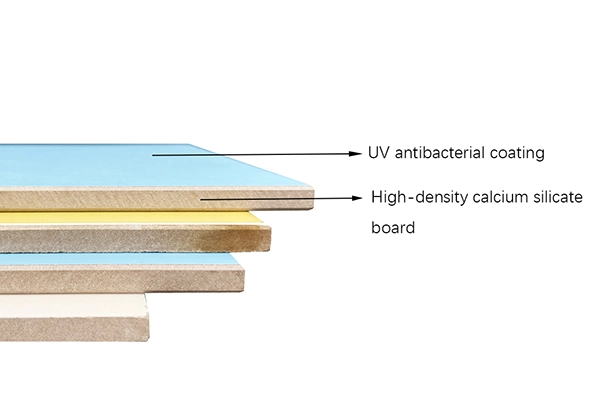
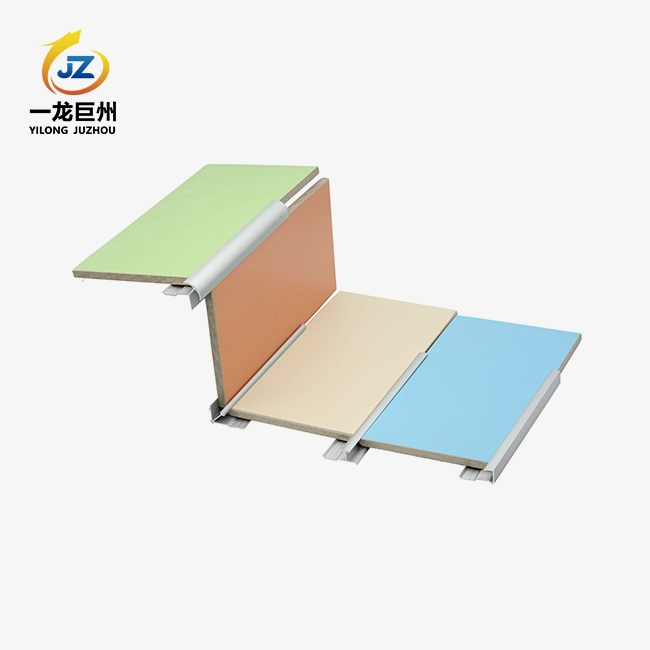
Calcium silicate board is often used as the base because it doesn't catch fire and stays the same size. When put on top of this base, the UV antibacterial layer creates a smooth defense against germs while still allowing for some freedom in how it looks. Thicknesses range from 4.5mm to 20mm, and standard sizes are 1220mm wide and 2440mm long. However, they can be extended to 3050mm to meet specific architectural needs.
Environmental and Production Advantages
When traditional solvent-based finishes cure, they release large amounts of volatile organic compounds that are bad for the environment and your health. UV light curing boards don't contain any benzene or other dangerous volatiles, so they can be used right away after they are installed. The quick curing process uses less energy than thermal methods, which means that factories leave smaller carbon impacts.
There are big gains in production efficiency. Manufacturers say that compared to polyurethane finishing systems, run times are cut by more than 60%. Cost savings on big projects are made possible by getting rid of drying rooms and lowering the number of rejects. These practical benefits are very important for procurement teams that have to keep up with tight building plans and meet sustainability standards.
Performance Characteristics That Matter
The GB8624 non-combustible Class A fire grade meets important safety standards in public buildings and areas with a lot of people. The 99.99% antibacterial rate meets infection control standards for healthcare facilities, and the moisture resistance stops mold growth and structural damage in damp places. The ability to withstand impact shields against everyday wear and tear, stopping wall cracks and surface dents that are common with other materials.
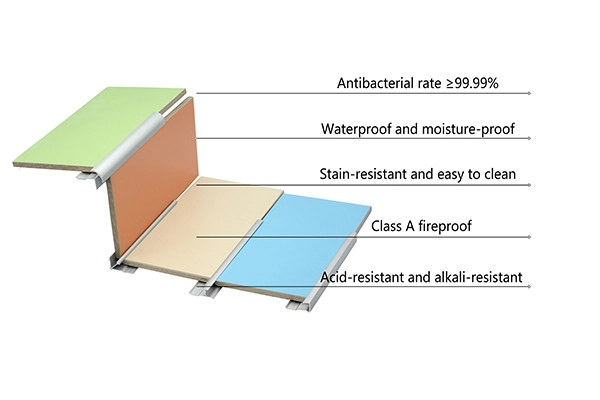
Another big benefit is that the color stays the same. The UV-cured surface keeps its color without fading or yellowing. This solves a long-standing problem with color uniformity in building projects that are done in stages. This durability makes sure that the building looks good for as long as it's used, which saves money on upkeep and stays true to the original purpose.
Core Applications of UV Light Curing Boards in the Furniture Industry
High-Traffic Commercial Installations
Materials used in retail settings need to be able to handle regular human touch while still looking good. UV light curing boards work great in places like shopping malls, hotel lobbies, and stadiums where scratch resistance and ease of cleaning are very important. The high-gloss finish with more than 95 Gloss Units makes surfaces that look like mirrors, which improves lighting design and makes rooms seem bigger.
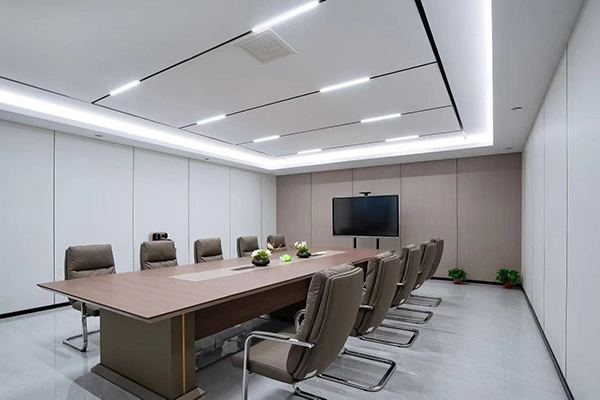
These panels are used as accents in conference rooms, at reception desks, and in modular wall systems in office buildings and corporate headquarters. The quick installation method that uses pressure strips cuts down on construction time, which means that businesses are less affected by the work that is being done. Factory customization makes sure that the measurements are exact, so there are no changes to be made in the field that would slow down the project's finish.
Healthcare and Cleanroom Applications
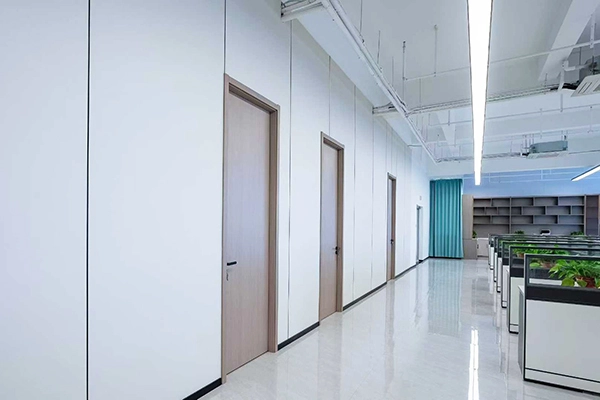
Hospitals, operating rooms, and factories that make medicines need surfaces like UV interior wall panels that can handle strict cleanliness rules. The antibacterial UV covering stops germs from growing between cleaning processes, so infections are always kept at bay. Smooth, non-porous surfaces keep germs from sticking around, so they meet strict cleanroom standards.
The material is chemically resistant, so it can be used over and over again in medical beauty centers and animal hospitals without losing its surface. The ability to resist wetness keeps the base from swelling in places where it is cleaned with water often, keeping the structure strong where other materials would fail.
Industrial and Specialized Environments
Food processing plants and drug factories have different rules about the walls they have to follow. UV light curing boards meet standards for food safety and don't rust when cleaned or when the temperature changes. The fire-resistant calcium silicate base is an important safety feature in areas where burning materials are handled.
Fire safety and longevity are very important in new uses like subway systems and high-speed train tunnels. The non-combustible Class A rating and impact resistance make the underground transportation system strong enough to handle harsh circumstances. Long-term color stability makes sure that tunnels keep up with standards for sight and appearance, even in difficult working conditions.
Comparing UV Light Curing Boards to Traditional and LED Curing Boards
Performance and Speed Comparisons
Traditional solvent-based finishes need 24 to 48 hours to fully cure, which takes up valuable warehouse space and production time. UV light curing boards fixing is done in seconds, so you can handle and place them right away. When it comes to big projects, this speed advantage adds up, letting builders cut corners on schedules that traditional materials can't handle.
LED fixing technology uses less energy than mercury-vapor UV systems, but the performance of the materials is still the same. Choosing between UV and LED often has less to do with the quality of the end result and more to do with how much equipment is needed and how much it costs. Compared to air-dried coatings, both of these offer better hardness and chemical resistance.
Testing for scratch resistance shows big differences. Normal melamine panels usually break at 2H, but UV-cured surfaces can handle 3H pencil hardness. Total cost of ownership calculations show that this measurable benefit leads to longer service life in high-contact uses, which is why the price is higher.
Sustainability and Cost Analysis
The initial costs of materials for UV light curing boards are usually 15% to 25% higher than those for other options. A lifecycle study, on the other hand, shows strong economic benefits. Within three to five years for business projects, higher purchase costs are canceled out by lower upkeep frequency, no more repainting cycles, and longer replacement intervals.
Metrics that measure energy use strongly favor UV technology. When compared to thermal curing processes, not having heated drying chambers cuts electricity use by about 40%. Greenhouse gas emissions go down when you do a carbon footprint analysis, which supports LEED certification goals and business sustainability promises.
Getting rid of waste is another cost factor. The accuracy of UV application cuts down on overspray and material loss, and the safety of treated surfaces keeps them from getting damaged while being shipped or put up. When evaluating bids, procurement teams that handle big contracts see these savings as competitive benefits.
How to Select the Right UV Light Curing Board for Your Furniture Projects
Assessing Project Requirements
Before choosing a material, it's important to know what the product needs in terms of efficiency and the environment. In healthcare projects, antibacterial qualities and resistance to cleaning chemicals are very important. In store settings, on the other hand, scratch resistance and aesthetic effect are very important. In industrial settings, fire ratings and weather safety are more important than looks.
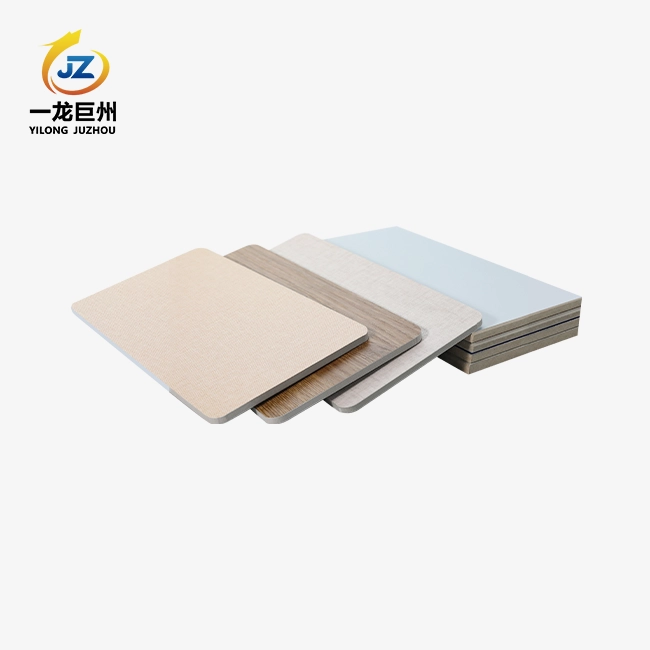
Choosing the right thickness affects both how well the structure works and how hard it is to place. Thinner panels (4.5mm to 6mm) work well for lightweight cabinet doors and partitions, while thicker ones (12mm to 20mm) give large-span wall applications the strength they need. Weight affects the amount of structural support needed and the cost of labor for installation.
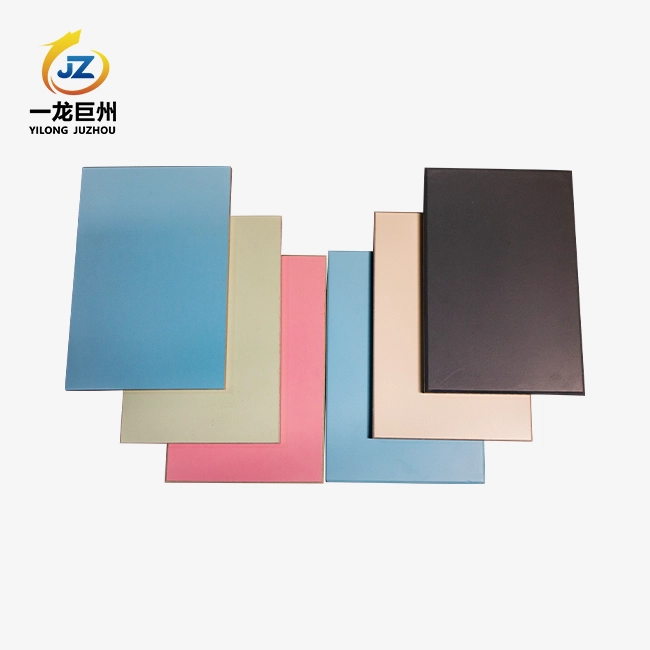
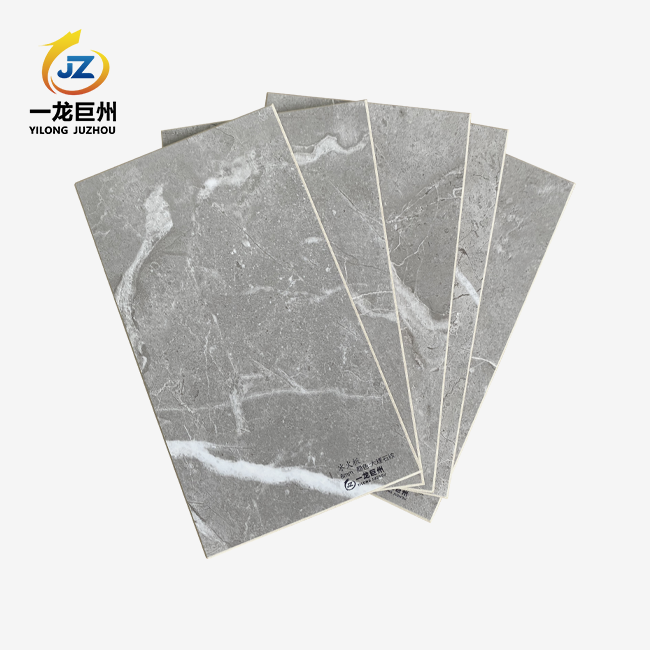
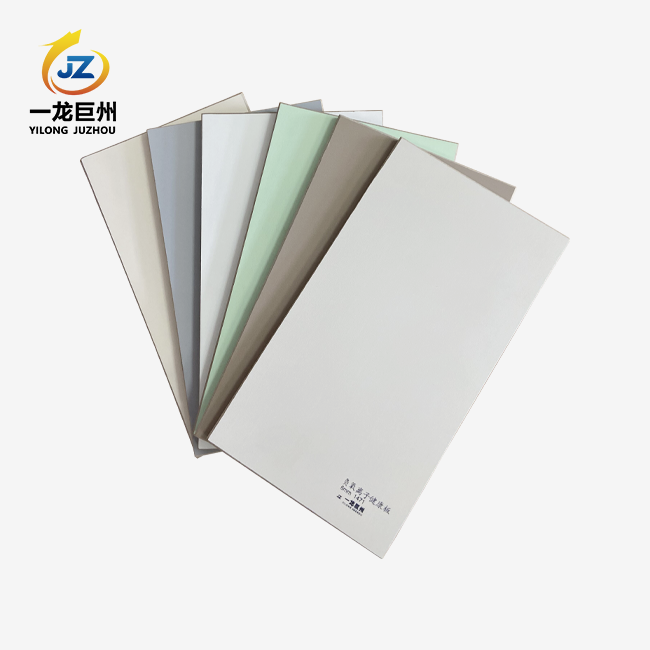
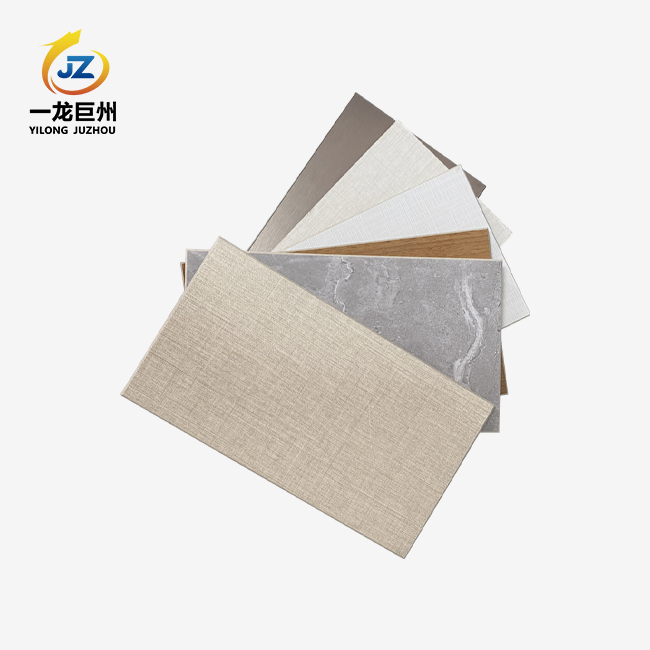
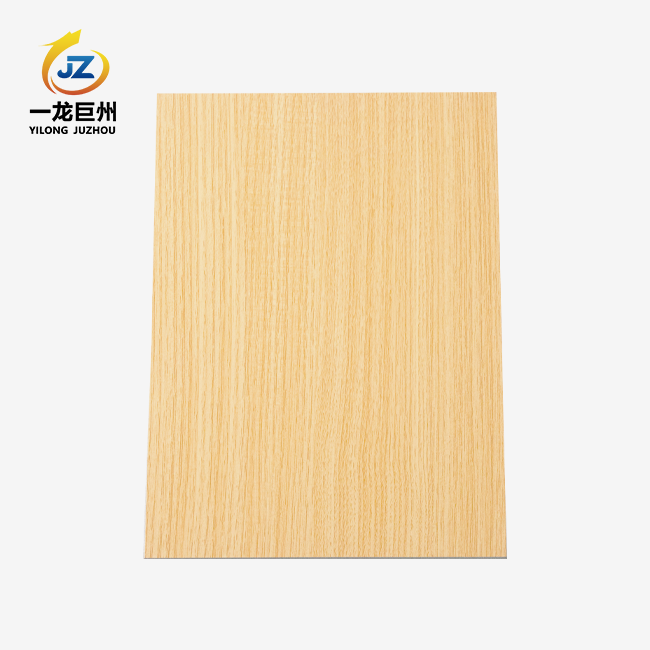
Color and pattern choices for interior wall decoration 6mm solid color UV light curing board aren't just about how they look; they're also about how they work. Solid colors make maintenance and repair matching easier, while patterns like woodgrain, marble, metal, and cloth give you more design options and lower the need for extra finishing. Pattern stability across production runs keeps seams from showing, which is a problem with some standard materials.
Supplier Evaluation Criteria
Verification of certification is the basis of evaluating a seller. Check to see if the product has CE marking, ISO certification, and meets the requirements of the China Environmental Protection Standard. To back up marketing claims, ask for third-party test results that show how well the product resists fire, kills germs, and reduces emissions.
Production capacity and store levels have a direct effect on how reliable a project timeline is. Suppliers who keep 50,000 square meters of stock inventory show that they can meet quick needs, while those with 3–7-day production wait times let you meet your own requirements. Response times of less than 24 hours show that an organization is ready to meet procurement needs.
Professional suppliers are different from commodity suppliers because they offer warranty coverage and expert support services. Large contracts have less risk when they come with three-year quality guarantees backed by helpful service teams. Help with design and professional installation services are valuable in addition to providing materials, especially for complicated building uses.
Customization and Lead Time Management
When you can offer OEM and ODM, you can make solutions for specific projects that standard UV light curing boards can't do. Custom size works with different building conditions, and pattern customization helps with branding spaces and signature design elements. Sample customization services, which are usually sent within three to five days, let you see how the material works before committing to full-scale orders.
International supply chains need to work together carefully to make delivery systems work. Two production bases in Shaanxi and Guangdong provinces give the company geographical flexibility, and the four ports (Shenzhen, Guangzhou, Shanghai, and Qingdao) make shipping routes more efficient. Inland distribution works better when you can get to Xi'an, Guangzhou, Shenzhen, and Foshan by land.
Maintenance Tips and Troubleshooting for Optimal UV Light Curing Board Performance
With proper care, the efficiency features that make UV light curing boards worth the money can be kept up. Cleaning the surface every day with pH-neutral cleaners and soft microfiber cloths keeps it looking good without wearing away the UV coating. Don't use rough scrubbers or harsh solvents on the protective film; they can damage it.
The way materials are stored before they are installed affects how well they work. Keep the panels in climate-controlled spaces that are between 15°C and 25°C and have a relative humidity of less than 70%. Keep surfaces safe from direct sunlight and damage while they are being moved and staged. When you handle things the right way, you can stop edge damage that can lead to bigger problems after installation.
Even when good production practices are used, surface flaws can still happen. If you don't clean properly, you might get small scratches. Curing differences are usually caused by problems during the fitting process, not problems with the material itself. If you have problems, you should contact the technical support teams of your suppliers right away, because guarantee coverage often needs written reports within certain timeframes. When you take care of small problems right away, they don't get worse and cost more to fix.
Conclusion
In conclusion, UV light curing board technology is a big step forward in internal surface materials because it combines great performance with care for the environment. The calcium silicate base with an antibacterial UV coating meets the tough needs of healthcare facilities, business spaces, and industrial settings. It also gives designers a lot of design options by giving them a lot of color and pattern choices. Better fire resistance, moisture protection, and antibacterial qualities add value over the entire span of a building. When procurement professionals look at these materials, they gain a competitive edge through lower maintenance costs, faster installation schedules, and better safety for people inside. UV light curing boards are the best choice for modern interior projects that need long-lasting quality and reliable performance because they combine technical performance, environmental benefits, and cost-effectiveness.
FAQ
1. Is UV Light Curing Board Safe for Indoor Use?
There is no benzene or volatile organic compounds in UV light curing boards, so they meet strict indoor air quality standards. Instant UV curing makes a sealed surface that stops substrate emissions, so the building can be used right away after installation. Products that have been certified by the China Environmental Protection Standard and meet E0 pollution limits are known to be safe for use in sensitive areas like schools and hospitals.
2. What is the Expected Lifespan of UV Curing Boards?
When placed correctly, UV light curing boards usually keep working well for 15 to 20 years in business settings. The length of time something lasts depends on its surroundings and how well it is maintained. Indoor climate-controlled spaces can make it last longer than outdoor or high-moisture areas. The color-stable UV layer doesn't fade or yellow during this time, so it keeps its good looks in a way that regular materials can't.
3. Can UV Curing Boards Be Recycled?
The calcium silicate substrate can be recycled through programs that collect building materials, but supply varies by area. Modern separation technologies can effectively process composite materials, so the UV coating doesn't affect how well they can be recycled. As infrastructure continues to grow to handle more advanced building materials, check with your local waste management officials about special recycling rules.
Partner with YILONG JUZHOU for Premium UV Light Curing Board Solutions
YILONG JUZHOU has been making UV light curing boards for decades and has high-tech production facilities in the provinces of Shaanxi and Guangdong. We can find UV light curing board suppliers in more than 30 countries, and the quality we get is always up to par with international certification standards. Get a free sample of our antibacterial UV screens today to see how they work for yourself. As part of our three-year warranty, our engineering team backs up every project with full planning support and installation advice. We make sure that your building plans stay on track by keeping 50,000m² of stock ready to ship right away and having production lead times of 3–7 days. Please email us at cnyang2000114@gmail.com to talk about your specific needs and find out how our OEM/ODM services can help you with your toughest interior applications.
References
1. Chen, W., & Liu, H. (2021). Advanced Surface Treatment Technologies for Interior Building Materials. Journal of Construction Materials Science, 15(3), 245-262.
2. International Association of Interior Designers. (2022). Sustainable Material Selection Guide for Commercial Spaces. New York: IAID Publishing.
3. Zhang, Q., et al. (2020). Antibacterial Performance of UV-Cured Coatings in Healthcare Environments. Building and Environment Journal, 178, 106-118.
4. American Society for Testing and Materials. (2023). ASTM D3363: Standard Test Method for Film Hardness by Pencil Test. West Conshohocken: ASTM International.
5. Green Building Research Institute. (2021). Lifecycle Assessment of Interior Wall Finishing Systems. Environmental Construction Review, 28(4), 89-104.
6. Thompson, R. (2022). Fire Safety Engineering in Modern Building Design. London: Construction Safety Press.

Send Inquiry

Related Industry Knowledge
- What Is a Fiberglass Resin Board Used For?
- ice fireproof board Moisture Resistance and Durability Features
- Calcium Silicate Fireproof Board - the reliable and safe choice for fire doors
- What is HPL fireproof board?
- ice fireproof board Applications in Cold Storage and Fire Safety
- Medical Clean Board Installation and Maintenance Guide
- The Benefits Of Antimicrobial Wall Cladding For Hygienic Spaces
- What are the key steps for installing aluminum composite panels?
- How do I choose the right aluminum composite panels for my building?
- What are the common issues faced during aluminum panel installation, and how to avoid them?