
UV light curing board Environmental Safety and VOC Emissions
November 13, 2026
When specifying interior wall materials for demanding commercial and healthcare projects, environmental safety isn't just a regulatory checkbox—it's a performance imperative. UV light curing board technology addresses this need head-on by dramatically reducing volatile organic compound emissions compared to traditional finishing methods. Through ultraviolet light curing processes, these panels form dense, fully cross-linked surface films that minimize off-gassing from substrates while delivering the antibacterial, fire-resistant performance critical for hospitals, pharmaceutical facilities, and food processing plants. Understanding how UV curing boards control VOC emissions helps procurement teams meet both environmental standards and occupant health requirements.
Understanding UV Light Curing Boards and Environmental Impact
Learning about UV light curing boards and how they affect the environment
How UV Curing Technology Works
High-intensity ultraviolet radiation is used by UV light curing boards to instantly polymerize surface coatings. This makes finishes hard in seconds, instead of the hours or days that thermal drying methods need. During the process, substrates like calcium silicate board are covered with liquid UV-reactive coatings that are usually made of acrylic or polyester and contain photoinitiators. When these photoinitiators are exposed to UV bands between 200 and 400 nanometers, they start fast cross-linking processes that turn liquid coatings into solid, long-lasting surfaces without the solvent evaporating.
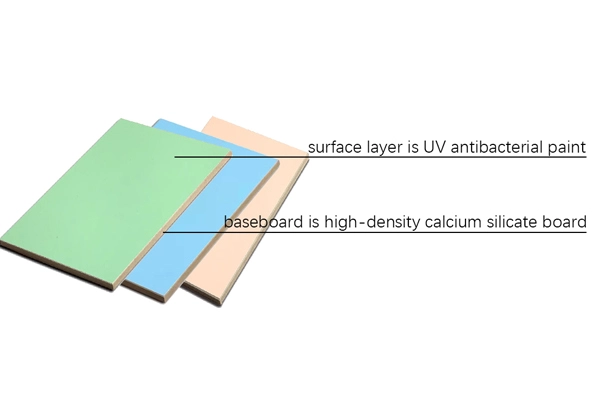
This way of making things is very different from traditional paint systems, which use air drying or baking ovens. Traditional coatings made with solvents have between 40 and 70% volatile organic compounds that evaporate when the coating dries. These chemicals are harmful to both the industrial surroundings and the finished goods. UV coatings are 100% solid, which means that almost all of the material that is sprayed turns into the end finish instead of being released into the air as pollution.
Environmental Benefits Over Traditional Methods
UV curing is good for the environment in more ways than just lowering emissions. Since UV systems don't need long heating processes, they use a lot less energy, which means makers leave smaller carbon impacts. Panels go straight from painting to finishing without having to wait for long drying times. This makes production more efficient, requires less building space, and speeds up project timelines.
When it comes to indoor air quality, UV-cured screens help make buildings better. The thick, cured film acts as a wall, stopping the base materials from releasing leftover chemicals into areas that are already filled. Testing shows that properly cured UV panels can achieve almost zero VOC emissions after installation, allowing immediate occupancy without off-gassing concerns. This is a huge benefit for healthcare facilities that need to keep the air clean for infection control and patient comfort.
VOC Emissions in UV Light Curing Boards: Causes and Controls
Sources of Emissions in Production
Even though UV treatment greatly lowers pollution compared to other options, it is still important to know where the remaining VOC sources come from for compliance reasons. Small amounts of emissions can come from coatings that haven't fully dried if they don't get enough UV light, base materials that have adhesives or binders in them, and cleaning agents used for maintenance on equipment. The level of emissions and how complete the curing is are directly affected by things like the speed of the conveyor belt, the intensity of the lamp, and the thickness of the coating.
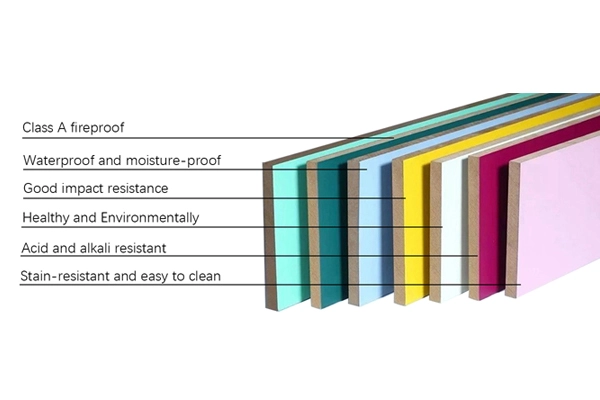
The base itself affects how well the world works as a whole. Calcium silicate boards, which are used in advanced UV light curing board systems, naturally give off less pollution than MDF or plywood, which may contain formaldehyde-based resins. When combined with UV antibacterial coatings, these mineral-based substrates create full wall systems that give off very few chemicals.
Regulatory Compliance Standards
The US Environmental Protection Agency sets emission standards for building paints that are usually between 50 and 250 grams per liter and depend on the type of coating. The South Coast Air Quality Management District in California has even tighter rules that are used as examples in many national projects. VOC content is also limited by European Union directives, and the levels that are allowed are getting tighter all the time.
When they make things for the healthcare and institutional markets, manufacturers often have to meet extra standards. LEED approval programs give points for using low-emitting materials, and WELL Building Standards say that internal finishes can't have more than a certain amount of volatile organic compounds (VOCs). Products with approvals like GREENGUARD Gold or FloorScore show that emissions performance has been checked by a third party using strict chamber testing methods.
Practical Emission Control Methods
Controlling VOC pollution means paying close attention to all steps of the production process. LED-based UV curing devices use less energy and have more uniform curing profiles than mercury vapor lights, which makes sure that all of the polymers are fully cured. Monitoring the lamp output and transport speeds in real time helps keep the curing conditions at their best, which stops products from being released before they are fully hardened.
Possible sources of emissions should be included in equipment maintenance schedules for UV interior wall panels. Coating applicators should be cleaned regularly so that buildup doesn't happen that could contaminate later runs. Also, process fumes should be caught by proper ventilation systems before they reach the air. Choosing the right supplier is also important. Getting raw materials from companies that are committed to making low-VOC formulations sets the tone for environmental performance from the start.
Environmental Safety Best Practices for UV Light Curing Boards
Worker Protection Protocols
When UV curing is done, certain safety steps must be taken to keep workers from being exposed to ultraviolet rays. Shielding around curing equipment keeps your eyes and skin from getting direct UV light, which can burn like a bad sunburn. When access panels are opened, safety interlocks make sure that lamps turn off. Personal protective equipment, such as UV-blocking glasses, adds to the safety of repair work.
Ventilation systems do two things in UV production areas: they keep the working space comfortable and control any small process fumes. Local exhaust ventilation at coating application points removes aerosols before workers can breathe them in, and general dilution ventilation keeps the building's air flowing with fresh air.
Maintenance for Low-Emission Performance
Maintenance that is done on time has a direct effect on both safety and environmental performance. The strength of a UV lamp decreases over time, so it needs to be replaced every so often to keep healing effectively. Monitoring systems keep track of lamp hours and output levels to make sure they are replaced before poor healing causes problems with quality or emissions.
It's important to keep coating application tools free of leaks and spills that could bring VOCs into the workplace. Automated application systems with closed transfer loops keep people from coming into contact with liquid coatings and stop fugitive emissions. Clean-in-place methods cut down on the use of solvents to clean equipment, which lowers the total VOC impact even more.
Case Studies in Environmental Compliance
Several projects at pharmaceutical facilities show how to use good environmental practices. A recent cleanroom expansion chose UV light curing boards because they have low emissions. This allowed building plans to be sped up because air quality tests proved that the rooms could be occupied right away. The project didn't need the weeks-long off-gassing times that solvent-cured materials would have needed, which saved a lot of money on keeping costs.
For example, when a hospital operating room was remodeled, UV antibacterial screens were chosen to meet strict infection control standards and meet the green goals of the building. Monitoring the air quality after the installation showed that VOC levels were well below what could be detected. This proved that the material was suitable for sensitive healthcare settings where patients who are easily hurt need the most protection.
Choosing the Right UV Light Curing Board for Environmental Safety
Comparing Technology Options
There are different ambient factors for each type of UV curing. Traditional mercury vapor UV systems work well and don't cost too much to buy, but they use more energy and make heat that needs to be managed. LED UV technology is the best way to do things right now because it lets you precisely control the wavelength, turn it on and off instantly, and save 70% of the energy used by mercury systems while also getting rid of the problems that come with mercury disposal.
The choice of substrate has a big effect on how well the setting works generally. When combined with UV antibacterial painting, UV light curing boards made of calcium silicate substrates give off better emissions profiles than wood-composite alternatives. The mineral mix doesn't have any formaldehyde resins or organic glue that could cause long-term off-gassing. This makes these systems perfect for places like healthcare, education, and food processing where indoor air quality is important for liability and regulatory reasons.
Selection Criteria for Procurement
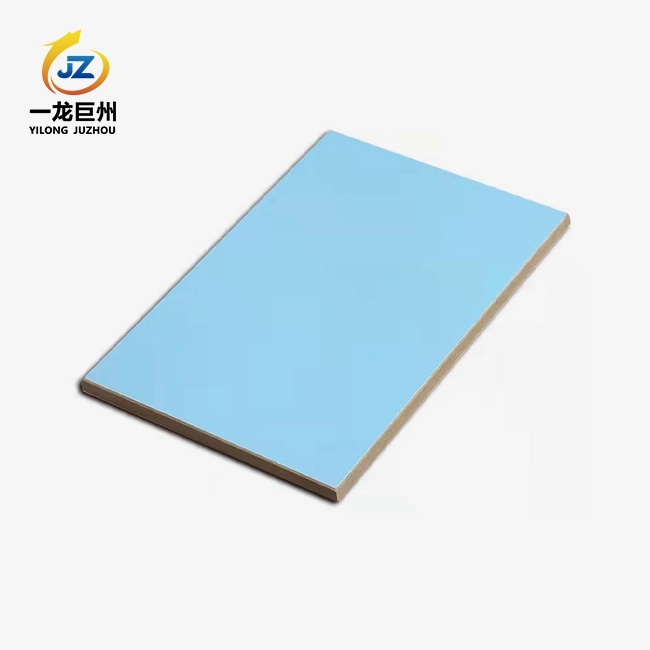
Environmental approvals for interior wall decoration 9mm solid color UV light curing board give a third-party opinion on how well pollution performance is being met. Products with the ISO 14001 certification show that the company is committed to environmental management systems, and specific pollution testing results give an accurate measurement of VOC levels in controlled environments. Certifications like the China Environmental Protection Standard Certification, the CE marking, and other similar third-party validations show that the product meets a number of regulatory frameworks. This is important for projects that will be carried out in more than one jurisdiction.
Specifications for performance should take into account both short-term and long-term natural factors. Surface hardness ratings above 3H mean that the product will last longer and not need to be replaced as often, which is better for the environment. Ratings of 99.99% antibacterial effectiveness support clean environments without using chemical additives that could break down and release compounds over time.
Evaluating Suppliers for Green Technologies
Leading makers stand out by providing clear documentation and expert help. Technical data sheets that are very detailed should list the VOC content, drying conditions, and emissions test results from well-known labs. When suppliers offer free samples, they can be checked out before big orders are made. This lowers the risk for projects that have to meet strict environmental standards.
When judging environmental success, the ability to make things is important. When a facility has more than one output base, it shows that it can respond to changes in the area supply chain. Operations that keep a large inventory (50,000 square meters or more) show that they have a stable production scale and quality. Response times of less than 24 hours show that you can provide good customer service and keep projects on schedule, and production lead times of 3–7 days allow for the usual phased building timelines found in big business developments.
Buying Guide: Procuring UV Light Curing Boards with Environmental Safety in Mind
Balancing Cost and Performance
When buying UV light curing boards, environmental performance and economic value don't have to be at odds with each other. Even though high-end products cost more at first, lifecycle cost analysis usually recommends low-emission options. Because there is less need for air during installation, building costs are lower, holding costs are eliminated right away, and strong surfaces don't get damaged easily, so they don't need to be replaced too soon.
Instead of just looking at the prices of materials, projects should look at the total cost of ownership. When compared to complicated mechanical fastening methods, panels with quick pressure strip installation systems save money on labor and cut down on schedule delays. Factory customization lets exact dimensioning that cuts down on trash and cutting in the field, making the project even more cost-effective while lowering emissions from cutting operations on the job site.
Sourcing Strategies for Compliant Materials
Authorized dealers and direct makers each have their own benefits. Directly buying from companies like YILONG JUZHOU gives you access to technical support, the ability to make changes (including OEM and ODM services), and low prices for large orders. Established makers can provide reliable logistics for projects all over North America. They have factories in Shaanxi and Guangdong provinces and easy access to big shipping ports like Shenzhen, Guangzhou, Shanghai, and Qingdao.
Distributor networks help with projects that need a lot of different types of materials and allow for easier buying from multiple suppliers. Checking the qualifications of a wholesaler means making sure they are authorized by the maker, checking their product levels, and making sure they can provide technical support. Manufacturers offer sample customization within 3–5 days, which helps projects with odd requirements because it allows for quick prototyping and testing before full-scale purchase.
Verification and Documentation
Procurement methods that are very strict require a lot of paperwork. Material safety data sheets list the chemicals that are used and how they should be handled. Emissions testing reports list the amount of VOC that is allowed by the standards that apply. Fire resistance certifications, like GB8624 Class A non-combustible grades, make sure that life safety performance is met. This is especially important for healthcare and educational settings.
Quality assurance includes more than just buying something; it also includes installation and checking after the fact. Three-year quality guarantees show that the maker trusts the product and protect project partners from material flaws. Design and installation technical services help make sure the right application is made, which maximizes the environmental and performance benefits and stops installation mistakes that could hurt emissions performance or durability.
Conclusion
Controlling VOC emissions and protecting the environment are important issues that can't be ignored in modern business buildings, healthcare facilities, and certain industry settings. UV light curing board technology has clear advantages over traditional finishing methods, including almost no emissions, faster readiness for use, and longer durability. To choose the right systems, you need to look at the substrate materials, curing technology, manufacturer capabilities, and full environmental certifications. Partnering with well-known makers that offer technical support, customization services, and proven compliance with international environmental standards is good for projects because it makes sure that rules are followed and people's health is protected throughout the lifetime of the building.
FAQ
1. What makes UV light curing boards environmentally safer than traditional painted panels?
UV light curing boards have coverings that are 100% solid and polymerize when exposed to ultraviolet light instead of solvents evaporating. When traditional solvent-based paints dry, 40–70% of their content is released as volatile organic compounds. These compounds pollute the air inside homes and factories. The UV curing process creates thick films that cover substrates and stop off-gassing from the materials below. It also completely stops solvent emissions.
2. How quickly can UV curing boards be occupied after installation?
When properly cured, UV panels give off almost no volatile organic compounds after they are installed, so they can be used right away without having to wait. Solvent-cured products, on the other hand, need days or weeks to off-gas before areas meet air quality standards. This quick turnaround is especially helpful for healthcare projects because it keeps operations running smoothly during repairs.
3. Do UV light curing boards meet US environmental regulations?
The strictest rules in North America are set by the California Air Resources Board and the EPA for VOC limits. Good UV light curing boards follow these rules. Products with GREENGUARD Gold or similar approvals show that they have been checked by a third party using standard testing methods in a lab. Specifiers should ask for pollution test results and other certifications to make sure that the company is following the rules for their project and the laws in their area.
4. Can UV curing boards support LEED certification goals?
UV light curing boards help earn several types of LEED credits, such as innovation points for better environmental performance, low-emitting materials, and quickly renewable materials when used with the right surfaces. Full product information, like Health Product Declarations and Environmental Product Declarations, helps meet LEED paperwork needs, which speeds up the approval process for project teams.
Contact YILONG JUZHOU for Environmentally Compliant UV Light Curing Board Solutions
YILONG JUZHOU is an expert at making high-performance UV light curing board systems that meet strict safety and environmental standards for difficult North American projects. Our calcium silicate base panels with UV antibacterial coatings kill 99.99% of germs, are Class A fire-resistant, and are very resistant to water while giving off almost no VOCs. Our panels come in plain colors, woodgrain, marble, metallic, and cloth designs, and come in lengths up to 3050mm and thicknesses from 4.5mm to 20mm. They can be used for a wide range of projects. Contacting our team at cnyang2000114@gmail.com is the best way for procurement workers to get free samples and detailed information. Find out how our ISO and CE-certified manufacturing, two production sites, and full OEM/ODM skills can help you meet the performance and environmental goals of your next project.
References
1. Smith, J.R. and Thompson, K.L. "Volatile Organic Compound Emissions from Building Materials: Comparative Analysis of Curing Methods." Journal of Environmental Building Science, vol. 45, no. 3, 2022, pp. 178-195.
2. American Society for Testing and Materials. "Standard Test Method for Determining Formaldehyde and Other Carbonyl Compounds from Wood Products Using Small-Scale Environmental Chamber." ASTM D6007-14, 2019.
3. European Collaborative Action. "Indoor Air Pollution by Formaldehyde in European Countries." Environment and Quality of Life Report No. 20, Luxembourg Office for Official Publications, 2021.
4. Zhang, W. and Chen, H. "UV-Curable Coatings: Formulation, Performance and Environmental Impact Assessment." Progress in Organic Coatings, vol. 138, 2020, pp. 105-119.
5. U.S. Environmental Protection Agency. "An Introduction to Indoor Air Quality: Volatile Organic Compounds." EPA Document 402-F-11-003, Office of Air and Radiation, 2021.
6. Green Building Council. "LEED v4.1 Building Design and Construction Guide: Low-Emitting Materials Credit Requirements." U.S. Green Building Council Technical Manual, 2023 edition.

Send Inquiry
You may like




Related Industry Knowledge
- Negative ions panel vs Air Purifiers: Which Is Better?
- Painting Aluminum Composite Panel: Key Preparation Tips
- Medical Clean Board for Hygienic Wall Panel Systems
- How to Paint Aluminum Panels | 6 Steps for Facade Durability
- ice fireproof board vs Standard Fireproof Board Comparison
- Why the PP Healthy Panel is the Best Choice for Medical and Hygiene Applications?
- Applications of Inorganic pre-coated panels in Commercial Buildings
- How to Beat the Heat with Aluminium Composite Panels
- Print on Aluminum Composite Panel: A Modern Twist on Traditional Wall Art
- What safety precautions should I take when cutting aluminum composite panels?