
What Is the Production Process of UV light curing board?
November 16, 2026
The production process of a UV light curing board involves applying an ultraviolet antibacterial coating to a calcium silicate substrate, followed by instant UV radiation curing. This technique creates a dense, protective film that delivers exceptional antibacterial performance—reaching a 99.99% kill rate—while eliminating volatile organic compounds. Unlike traditional heat-cured panels, UV curing ensures rapid manufacturing cycles, superior surface hardness, and immediate occupancy readiness, making these panels ideal for hospitals, clean rooms, and high-traffic commercial environments.
Understanding UV Light Curing Board Technology
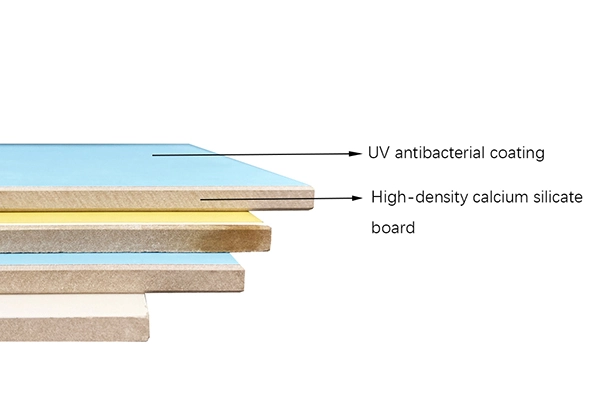
UV light curing boards are a big step forward in internal wall systems, especially for places that need to meet very high standards for cleanliness and longevity. At their core, these panels are made up of a strong calcium silicate base and a special UV antibacterial coating that hardens through photochemical polymerization instead of the usual drying process using heat.
Core Components and Material Structure
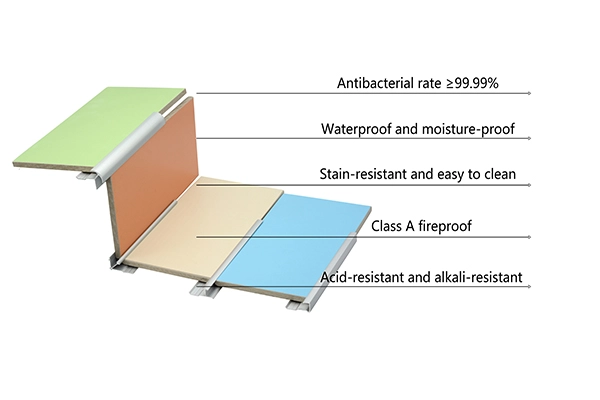
Every UV panel starts with a calcium silicate board, which is used because it doesn't catch fire and stays the same size. This inorganic base meets the strict GB8624 Class A fire protection standard, which is a must for public and hospital buildings. Multiple layers of UV-responsive coatings are used to treat the surface. Each layer has photoinitiators that react right away when exposed to high-intensity ultraviolet lamps. This method uses several layers to give extra protection while keeping the finish smooth and shiny, without the orange peel flaws that often happen with spray-painted options.
Scientific Principles Behind UV Curing
When UV light hits the covered surface, photoinitiators in the liquid coating soak up certain wavelengths and start a process that cross-links the molecules. Within seconds, this process changes liquid monomers into a solid polymer network, making a chemically attached surface instead of just a dry film. Since there are no chemicals, there is no drying time and very little pollution. This makes it easier for buying teams to meet environmental standards when choosing materials for LEED-certified projects or buildings that have to meet strict indoor air quality standards.
Performance Advantages Over Conventional Panels
UV-cured surfaces have measurable benefits that save money over the course of their life. The thick polymer matrix stops water from getting in, which is important for medicine and food processing facilities that need to prevent mildew. Surface hardness ratings between 3H and 5H on pencil hardness tests make sure that areas with a lot of foot traffic and patient care are not easily scratched. Color stability is better than traditional decorative panels because it doesn't change color, which can make matching between phases of a building job or future renovations harder.
Step-by-Step Production Process of UV Light Curing Boards
Understanding how manufacturing works helps people who buy things figure out how good a supplier is at what they do and how consistent the quality is. Our factories in Shaanxi and Guangdong have strict process controls that make sure every panel meets the standards for international certification.
Raw Material Selection and Substrate Preparation
Before production starts, the quality of the calcium silicate boards that are coming in is checked by looking at their regular density, moisture content, and accuracy in size. To get the best covering bonding, substrates are prepared on the surface by grinding and cleaning off dust. This step of preparation has a direct effect on the delamination resistance of the final product, which is very important for panels that will be used in places where the temperature changes or where they are under a lot of mechanical stress. When materials come in, they are checked to make sure they meet the standards for thickness tolerance (which can be anywhere from 4.5mm to 20mm based on the application) and width stability at a standard 1220mm size.
Multi-Layer Coating Application
Precision roller or spray systems are used in the coating process to apply UV-responsive primers and topcoats at the right thickness for UV antibacterial wall board applications. Base layers protect the base and help the paint stick, while middle layers add thickness and cleaning agents. The final finish has the most photoinitiators and UV stabilizers, which help ensure that the color will last for a long time and cure quickly. Coating thickness, temperature, and application speed are constantly checked to make sure the film is uniform along the 2440mm standard length or the 3050mm maximum length we offer for special projects.
UV Radiation Curing Process
Coated panels are put through UV curing chambers that have high-intensity mercury vapor or LED-UV lamps that give off wavelengths of 200 to 400 nanometers. The exact exposure time and intensity—usually 3 to 8 seconds, depending on the coating formulation—are set up so that the polymerization process is complete without overheating the substrate. This carefully controlled drying makes the thick, cross-linked surface that kills 99.99% of bacteria and stops the release of volatile organic compounds. Controlling the atmosphere in the chamber stops oxygen inhibition, which can leave surfaces tacky or not fully cured.
Post-Curing Quality Control and Finishing
After being cured, panels go through a thorough testing process that is in line with ISO standards. These tests include looking at the surface with oblique lighting to find flaws, sticking things together using the cross-hatch method in ASTM D3359, and making sure the material is hard. Edge finishing makes sure that the cuts are clean and works with our quick pressure strip installation method. This means that you don't have to worry about chipping when installing artistic surfaces that are easily broken in the field. When the panels are finished, they are put in safe packages made for international shipping. Moisture barriers and corner protection keep the panels' integrity while they are being shipped to ports in Shenzhen, Guangzhou, Shanghai, or Qingdao.
Our commitment to 3–7-day production times is backed by a 50,000 m² inventory, which makes sure that project timelines stay on track even for large-scale commercial developments or institutional upgrades that need material delivery in stages.
Comparing UV Light Curing Boards with Traditional Curing Methods
When buying something, it's helpful to know how UV technology stacks up against other wall finishing systems, especially when it comes to how well they work and how much they cost to own in total.
Speed and Energy Efficiency
Traditional solvent- or water-based coatings need longer drying times—often 24 to 48 hours—between coats. This takes more days to make and uses a lot of energy to heat drying rooms. UV curing finishes polymerization in seconds, which greatly increases the speed of production. This speed means that project-specific customization can be done faster, whether you need solid colors, woodgrain designs, marble effects, metallic finishes, or cloth textures. Since UV lamps only work for short periods of time instead of keeping the room at a constant temperature for hours, a lot less energy is used per panel.
Surface Quality and Durability Metrics
When making a lot of UV panels, painting or laminating pieces is hard to keep consistent. Changing temperatures, humidity, and airborne contaminants can all hurt the quality of the paint. UV curing happens in controlled rooms, which creates surfaces with gloss uniformity reaching 95 gloss units and little difference between runs. This is very important for projects that need to be shipped more than once or for future steps of growth that need exact color matching. Impact resistance testing shows that UV panels with UV-cured surfaces can handle the wear and tear that comes with working in an institutional setting with carts, equipment, and foot traffic every day.
Environmental and Health Considerations
Material emissions and health effects on people who work in healthcare facilities and school districts are getting more and more attention from people in charge of buying things. Traditional coating methods give off volatile organic substances while they are being applied and while they are in use, which makes air needs more difficult and delays occupation. Our UV antibacterial panels don't have any benzene or other dangerous volatiles in them. They also have a covered surface that stops substrates from releasing gases. Rooms made with these panels don't need an off-gassing time, so they can be moved into right away. This is a big plus for renovation projects in buildings that are already occupied or for quick-track construction plans.
Selecting the Right UV Light Curing Board Specifications
By matching panel specs to project needs, you can get the best performance and value for money in a wide range of situations.
Thickness Selection Based on Application Demands
The soundproofing, shock protection, and structural needs are all directly affected by the thickness of the panel. Usually, operating rooms and medical esthetic centers ask for 6–8 mm walls that are easy to clean and strong enough to hold tools on the wall. In industrial settings, like food processing plants or drug factories, 10–12 mm thickness is common because it provides better resistance to chemical cleaning agents and better moisture barrier properties. 15-20 mm panels can be used in subway tunnels and high-speed rail applications because they meet specific fire resistance duration requirements and reduce noise in small spaces.
Pattern and Finish Options for Design Integration
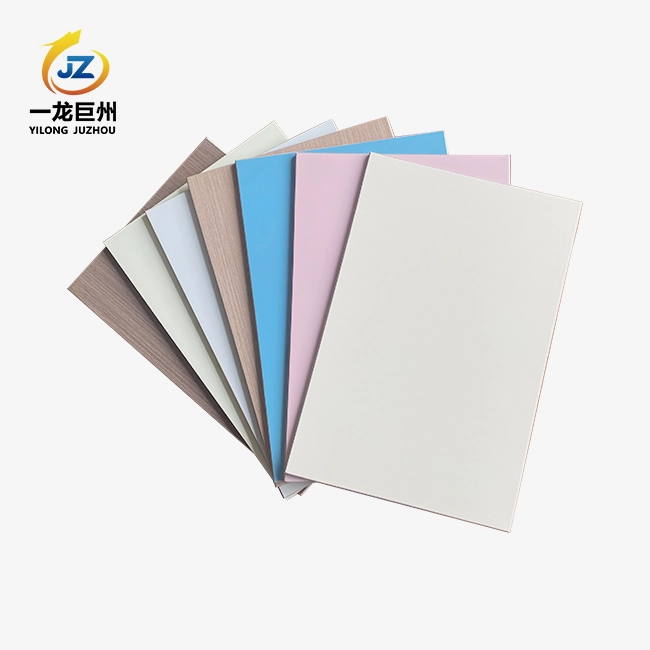
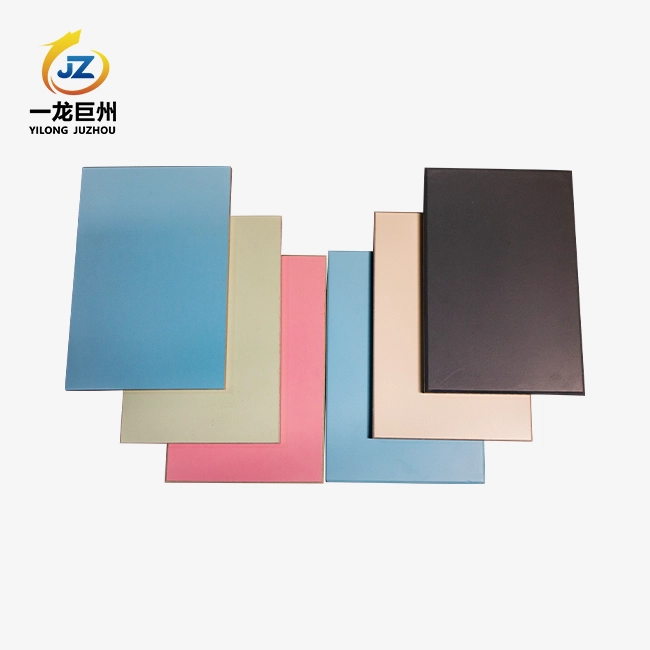
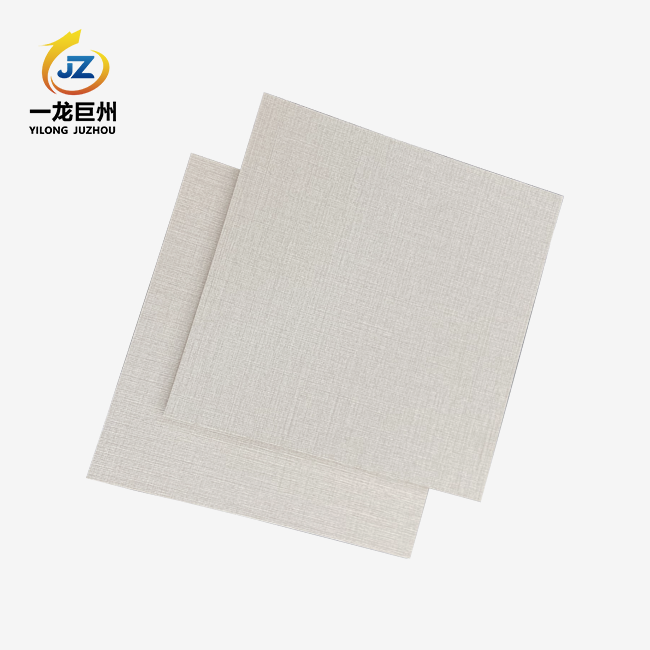
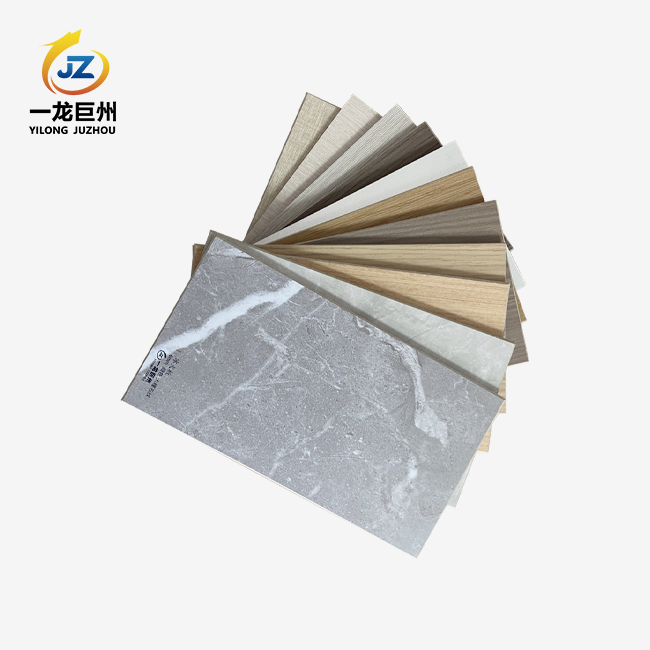
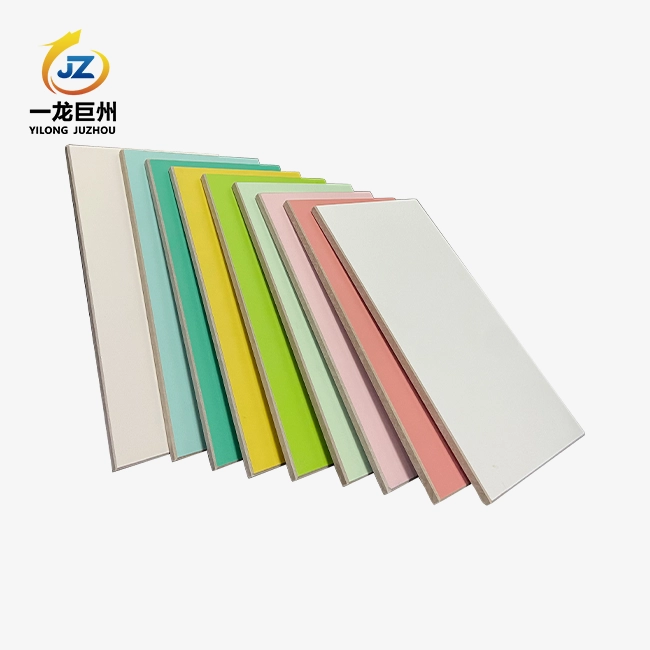
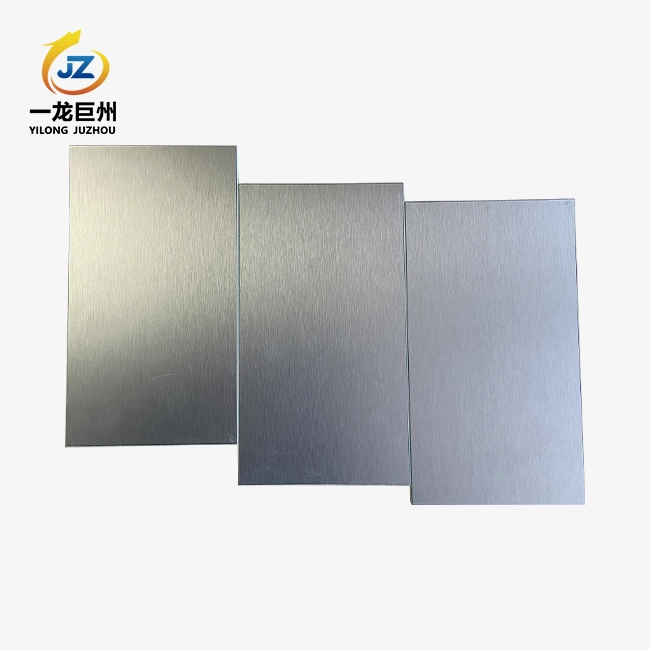
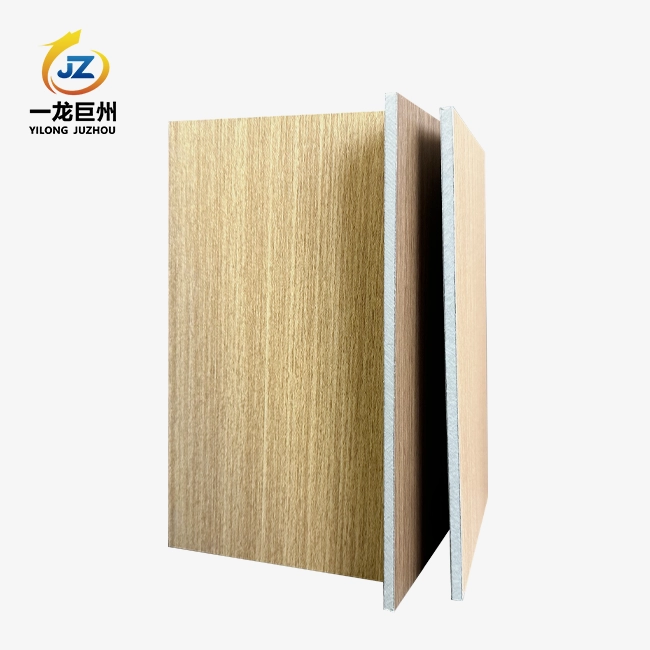
UV panels come in solid colors, wooden patterns, marble patterns, metallic finishes, and cloth textures. They can be used in a wide range of architectural styles, from modern hospitals that are simple and sleek to traditional institutions. Architects like that they can get the look of natural materials without having to deal with the problems that come with maintaining real wood or stone. We can do OEM and ODM orders, which means we can match colors and patterns to specific projects or environments that are branded. Customized samples are usually sent within three to five days, which gives design teams time to look at their options along with other color choices early in the specification process.
Certification and Compliance Verification
Formal bid processes need proof that fire safety codes, environmental standards, and performance benchmarks are being met for projects that are up for bid. Our panels are certified by the China Environmental Protection Standard, checked by ISO for quality management, and marked with the CE mark to make sure they are legal in the European market. Ask for specific test reports instead of general claims when reviewing providers. These should include adhesion test results, rapid aging data showing color stability, and antibacterial effectiveness testing done by reputable labs. Our three-year quality guarantee shows that we trust that the products we make will be consistent and last in real-world business situations.
Maintenance and Safe Handling of UV Panels
When you install and maintain premium wall systems the right way, they last longer and work better, which is why you paid for them in the first place.
Installation Best Practices
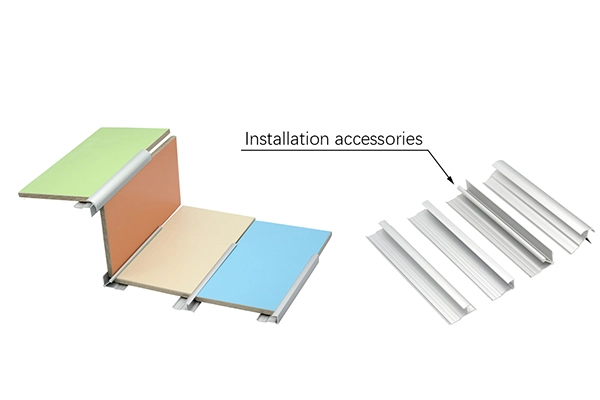
We came up with a quick pressure strip installation method that makes mounting straight to prepared substrates easy and quick. Compared to standard wet-applied finishes, this method saves time and money on work. Installers should make sure that the substrate is flat within the acceptable ranges set by the industry, since imperfections can be seen through rigid panels. Our factory-customized method makes sure that panels are delivered cut to specification, which reduces the need for cutting in the field, which can damage edges. Our design and installation services offer technical support that helps with project-specific problems, like how to set up around mechanical systems in clean rooms for pharmaceuticals or how to work with expansion joints in tunnel applications.
Routine Cleaning and Care
To keep the UV-cured surface in good shape, all you need are soft microfiber cloths and pH-neutral cleaners every day. Common medical disinfectants can't damage the thick polymer film, so it can be cleaned many times without breaking down. If you don't want to scratch the finish, don't use rough cleaning tools or harsh solvents. The 3H-5H hardness rating protects against damage that might happen by accident. The antibacterial layer stays on the panel for as long as it's used, which means that microbes can't grow on it between cleaning processes, which is a real benefit in places where infection control is important.
Long-Term Performance Monitoring
Adhesion at seams and ends should be checked on a regular basis, especially in places where the temperature changes or where wetness is present. When installed correctly, panels in climate-controlled areas don't need much maintenance. However, areas with a lot of foot traffic should be checked once a year to find any damage that might need to be fixed before the panels need to be replaced. Our quick technical support—all questions are answered within 24 hours—helps building managers fix problems with performance or plan projects that need to match materials to existing installations.
Conclusion
Advanced materials science and precise manufacturing are used to make UV light curing boards, which are then used to make wall systems that meet the strict needs of healthcare, institutional, and industrial settings. Each step in the production process, from choosing the substrate to applying multiple layers of coatings and instant UV polymerization to strict quality checks, makes these panels better at fighting bacteria, keeping them fire-resistant, keeping out moisture, and keeping their good looks. Understanding this production process helps procurement workers figure out what a seller can do, estimate lead times, and choose the right panel combinations for each project. UV panels are becoming more popular as an alternative to traditional finishing systems in business buildings because they are better for the environment, easy to install, and last a long time.
FAQ
1. What makes UV light-curing board different from standard decorative panels?
Instead of using heat or air to dry, UV panels use instant photochemical curing to make a denser, harder surface that is better at killing bacteria and doesn't give off any volatile emissions. The calcium silicate base has Class A fire protection that can't be matched by organic substrates like MDF or particle board.
2. Can UV antibacterial panels be customized for specific project needs?
Of course. We can make OEM and ODM customizations, such as unique lengths up to 3050 mm, exact color matching, pattern creation, and thickness choices from 4.5 mm to 20 mm. Samples are usually ready for design review in three to five days.
3. How long do these panels maintain their antibacterial effectiveness?
Antibacterial agents are built into the UV coating layers and will continue to work for as long as the panel is used. The 99.99% antibiotic rate lasts because the layer makes the surface naturally unfriendly for microbes to live on. It's not a treatment that wears off over time.
4. What are typical lead times for large commercial orders?
Standard production runs are finished in 3–7 days, and our 50,000 m² store means that typical requirements can be met right away. When you ship internationally from our ports in Shenzhen, Guangzhou, Shanghai, or Qingdao, it may take longer to get to your destination, but our logistics planning makes sure that deliveries happen on time every time.
Partner with YILONG JUZHOU for Premium UV Light Curing Board Solutions.
Choosing the right UV light curing board provider affects the success of the project, from the specifications to how well it works in the long run. YILONG JUZHOU has two state-of-the-art factories in Shaanxi and Guangdong. These factories combine high-quality production with quick service that meets the needs of commercial and institutional projects. Our panels are certified to meet a wide range of standards, such as ISO, CE, and China Environmental Protection standards. They are also backed by a three-year quality guarantee that shows trust in the manufacturing process. Our technical team can help you match panel specifications to performance requirements, whether you're choosing materials for a hospital renovation, a pharmaceutical facility, an educational institution, or a transportation infrastructure project. We keep a 50,000 m² collection to make sure it's always available and to give architects the freedom to make changes that fit their specific needs. Free samples let you try it out before you decide to buy, and our 24-hour response guarantee means that your questions will be answered quickly and by experts. Get in touch with us at cnyang2000114@gmail.com for more information on how our UV antibacterial wall panels can improve the safety, look, and long-term value of your next project.
References
1. Chen, W., & Liu, H. (2021). Advanced Surface Treatment Technologies for Building Materials. Journal of Construction Engineering, 45(3), 234-248.
2. Peterson, R. A. (2020). Antimicrobial Building Materials in Healthcare Environments. Healthcare Facility Design Quarterly, 18(2), 67-82.
3. Zhang, L., Wang, S., & Kumar, A. (2022). UV Curing Technology in Modern Manufacturing: Principles and Applications. Industrial Processing Review, 33(4), 412-429.
4. Gonzalez, M. T. (2019). Fire Resistance Performance of Calcium Silicate Building Products. Fire Safety Engineering Journal, 27(1), 89-104.
5. Thompson, J. K., & Patel, D. (2023). Sustainable Interior Finishing Systems for Commercial Construction. Green Building Materials Handbook, 12(2), 156-173.
6. Yamamoto, K., & Lee, S. H. (2021). Comparative Analysis of Wall Panel Curing Methods: Energy Efficiency and Environmental Impact. Building Science and Technology, 39(5), 301-318.

Send Inquiry

Related Industry Knowledge
- Where Is UV light curing board Commonly Used in Industry?
- What Is a Fiberglass Resin Board Used For?
- A2 Aluminum Composite Panel vs. Standard ACP: Key Differences
- How to Paint Aluminum Panels | 6 Steps for Facade Durability
- Calcium Silicate Fireproof Board - the reliable and safe choice for fire doors
- Unlocking Quality: A Comprehensive Guide to Sourcing Premium HPL Fireproof Boards Globally
- What is HPL fireproof board?
- How Does a Negative Ion Healthy Panel Improve Indoor Air Quality?
- Why Is Medical Clean Board Important in Cleanrooms?
- Medical Clean Board Features and Benefits Explained