
Where Is UV light curing board Commonly Used in Industry?
October 30, 2026
UV light curing board has emerged as one of the most versatile interior wall solutions across regulated and high-performance environments. Built on a calcium silicate substrate with a UV antibacterial coating cured instantly by high-intensity ultraviolet radiation, this decorative panel delivers measurable advantages over conventional wall materials. Hospitals, pharmaceutical factories, food processing plants, subway tunnels, and commercial complexes all rely on it because it combines a 99.99% antibacterial rate, Class A fire resistance, and zero VOC emissions — properties that most traditional panels simply cannot match simultaneously.
Understanding UV Light Curing Board Technology
How the Curing Process Works
The UV coating on these panels hardens in seconds when exposed to intense ultraviolet light, unlike finishes that are heated or dried in the air. The process starts a photochemical reaction that quickly connects polymer chains, making a thick film that can't be broken through. This stops the solvent from evaporating, which is why the final panel doesn't have any benzene or other volatile organic chemicals in it. Once it's set up, the room doesn't smell and can be used right away, which is very helpful for renovations in buildings that are already occupied.

Core Material Structure and Specifications
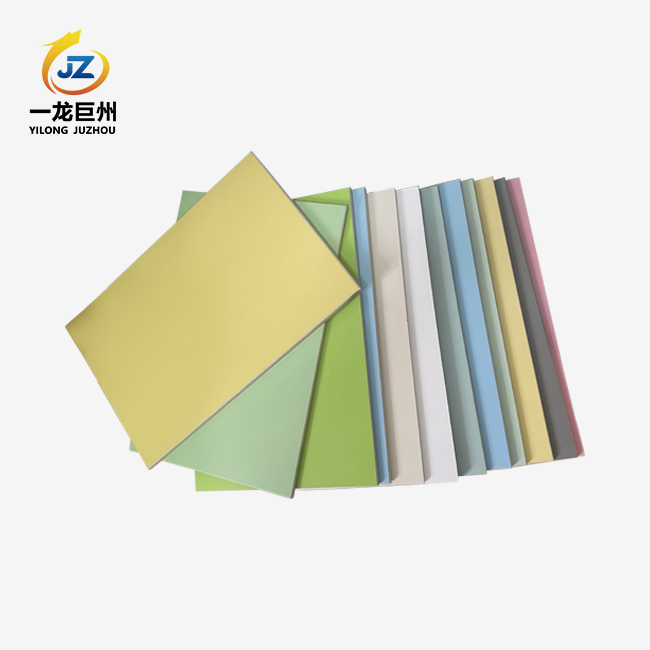
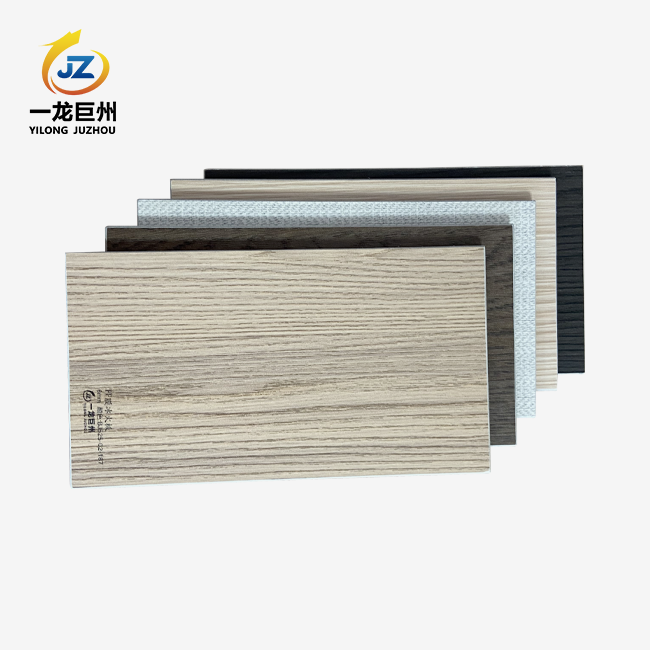
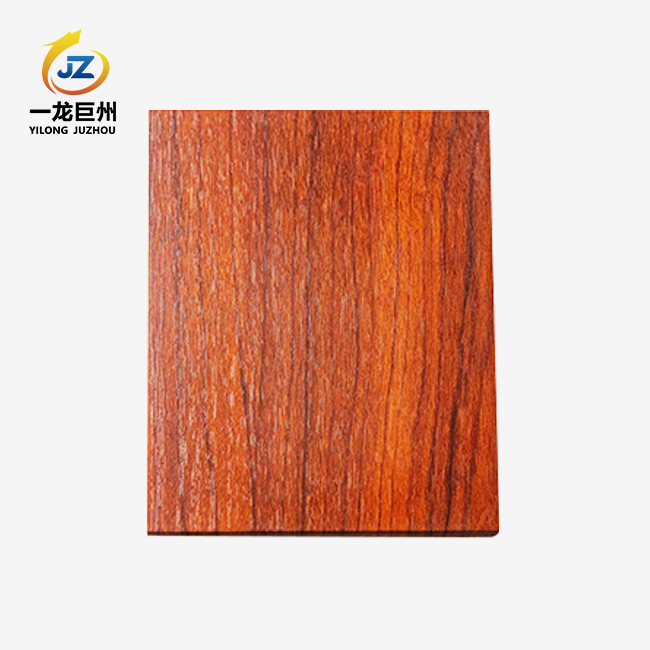
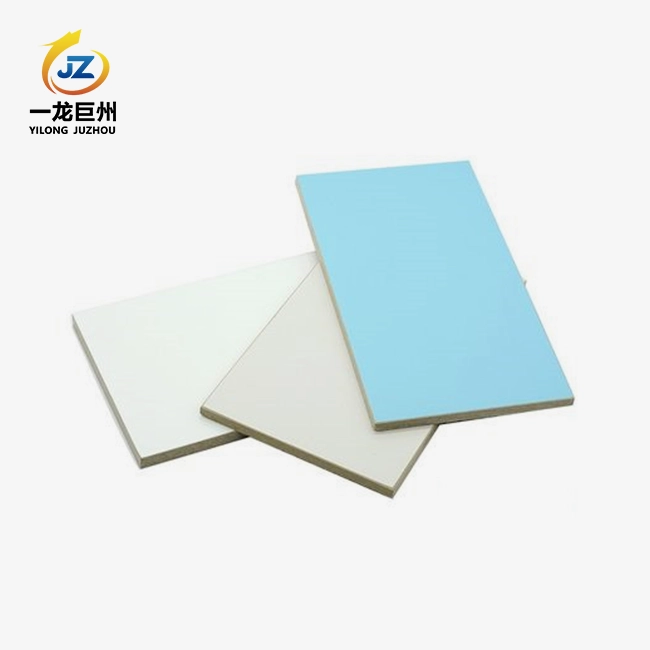
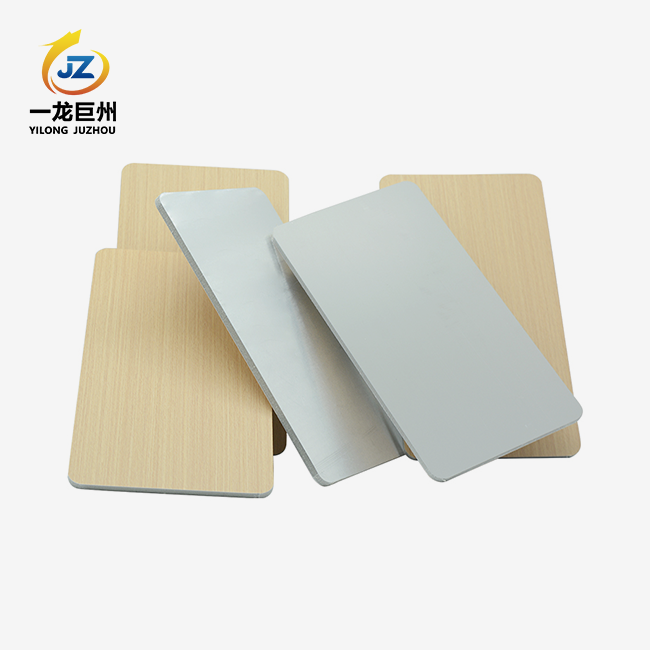
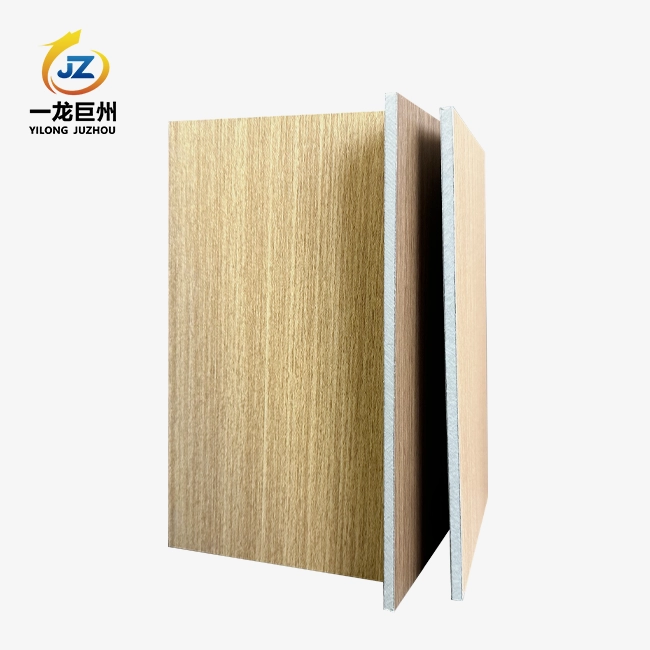
A calcium silicate core and an antibacterial finish that has been UV-cured make up the panel structure of YILONG JUZHOU's UV Antibacterial wall board. The UV light curing board from YILONG JUZHOU comes in thicknesses of 4.5, 5, 5.5, 6, 8, 10, 12, 15, 18, and 20 mm. Its standard width is 1,220 mm, and it can be as long as 3,050 mm. Surface finishes come in solid colors, woodgrains, metallics, and cloth patterns. This gives architects and project managers real design freedom without sacrificing technical performance.
Common Industrial Applications of UV Light Curing Boards
Many procurement teams don't realize how useful this panel is in so many different settings. Because it has good hygiene, structural, and visual qualities, it can be used in many different areas that don't usually use the same wall materials.

Here are the primary application environments where demand is strongest:
- Healthcare & Medical Facilities: Hospitals, operating rooms, medical aesthetic centers, and pet clinics need surfaces that can be cleaned and disinfected many times without breaking down. The 99.99% antibiotic surface and moisture-resistant core of these panels make them comply with infection-control rules. This keeps germs from building up on walls between cleanings.
- Pharmaceutical & Food Processing Factories: Food plants, clean rooms, and lines that make medicines all have to follow strict rules about cleanliness and fire safety. The GB8624 non-combustible Class A certification meets fire safety standards, and the mold-resistant calcium silicate core can handle the high humidity that is typical in production settings.
- Transportation Infrastructure: High-speed subway tunnels and transit stations need panels that can withstand long-term mechanical stress, exposure to moisture, and heavy foot traffic. The strong impact resistance of these UV decorative panels keeps walls from getting cracks and dents, even in places with a lot of vibration.
- Commercial & Institutional Spaces: The colorfast surface of the panel makes it perfect for places like shopping malls, schools, stadiums, and government buildings where color differences are a problem. When doing large-scale fit-outs, the quick pressure strip installation method cuts down on work time by a big amount.
- Residential Renovation: More and more, homeowners and property developers are choosing UV light curing boards for living spaces because they can be installed in a house that isn't even furnished, so there is no waiting period before moving in.
All of these application areas need the same thing: a wall surface that works the same way for years without needing to be refinished often, which is a lot of work. This panel area really shines when needs come together like that.
Comparing UV Light Curing Boards with Alternative Solutions
Performance Against Conventional Wall Panels
Traditional white gypsum board or normal PVC panels are cheaper up front, but they have problems that add up over the life of a building. Paint-finished surfaces need to be re-coated every so often, give off VOCs when they are applied, and don't have any real antibacterial properties. Ceramic tiles last a long time, but they are heavy, hard to install, and the grout lines can get dirty in places that care about cleanliness.
Where UV Curing Panels Hold a Clear Advantage
A UV light curing board wall panel that is antibiotic fills in several of these gaps at once. Its surface hardness is much higher than that of standard melamine or painted finishes. This means that industrial cleaning equipment won't be able to scratch it. The zero-VOC drying process also fits with the US's stricter environmental rules. For example, rules on indoor air quality are getting stricter for school and healthcare building projects. The colorfast topcoat lowers lifetime costs even more because the surface doesn't need to be refinished during the guarantee period, so it keeps its look.
Procurement Considerations for UV Light Curing Boards
Matching Specifications to Project Requirements
Before committing to a supplier, procurement teams looking for interior wall panels for big or regulated projects should check several layers of specifications. The acoustic and structural performance of a panel is directly related to its thickness. A 10 mm or 12 mm panel is best for most business wall uses, while a 4.5 mm or 5 mm panel is best for lightweight partition systems. Customization options, such as OEM and ODM production, are very important for projects that need to be made in non-standard sizes or with a specific brand's look.
Evaluating Supplier Reliability
For UV panels, certification paperwork is a must-have starting point. Panels meant for projects in the US should have fire, environmental, and antibiotic test results that are known around the world. Aside from certification, lead time and stock availability also have a direct effect on construction schedules. YILONG JUZHOU keeps a stock of 50,000 m² in two production bases in Foshan, Guangdong, and Xianyang, Shaanxi. The company's standard production lead time is 3–7 days, and they respond to inquiries within 24 hours. Exports go through the seaports of Shenzhen, Guangzhou, Shanghai, and Qingdao. This gives foreign transportation planning a lot of freedom.
Maintenance and Safety Tips for UV Light Curing Boards
Keeping the Surface in Optimal Condition
The cross-linked UV finish is not affected by common disinfectants, acids, or alkalis found in home items. This makes cleaning easier in healthcare or food production settings. Using a wet microfiber cloth to wipe the surface clean gets rid of dirt and grime without scratching it. You should stay away from rough scrubbers and cleaners that use solvents because they can damage the coating over time, making it less shiny and less resistant to bacteria.
Installation and Long-Term Performance
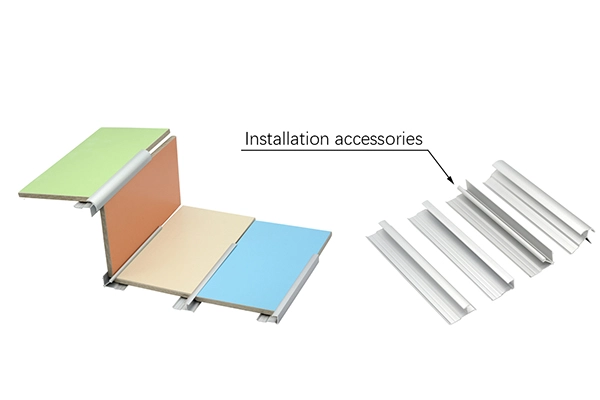
The quick pressure strip fitting method that YILONG JUZHOU offers is factory-engineered, which means that the panels come already cut and finished. On-site assembly doesn't need any wet trades, which speeds up the project and protects workers from dust. Every package comes with a quality guarantee that lasts for three years and covers things like surface delamination, color deviations that go beyond the agreed-upon limits, and structural integrity under normal use conditions.
Conclusion
UV light curing boards have proven to be a reliable and effective inner wall option in the infrastructure, healthcare, industrial, and business sectors. It doesn't hold moisture and doesn't give off any volatile organic compounds (VOCs). Its antibacterial surface, Class A fire rating, and resistance to moisture all meet the basic compliance and durability needs that procurement teams face in regulated environments. When paired with the right thickness and finish, it beats traditional wall materials in terms of both cost over time and ease of installation. This makes it a good long-term investment for any project where wall soundness and cleanliness are important.
FAQ
Q1: What thicknesses are available for UV light curing board?
Panels from YILONG JUZHOU come in ten different thicknesses: 4.5, 5, 5.5, 6, 8, 10, 12, 15, 18, and 20 mm. Standard panel sizes are 1,220 × 2,440 mm, but they can be made as tall as 3,050 mm for projects that need to cover the whole room without any horizontal joints.
Q2: Does the antibacterial coating remain effective after repeated cleaning?
The antibacterial topcoat that is cured by UV light has a verified 99.99% success rate and is made to keep working even after regular cleaning. Cleansers won't remove the layer because it's a chemically cross-linked film and not a treatment that is applied to the surface.
Q3: Can panels be customized for specific project requirements?
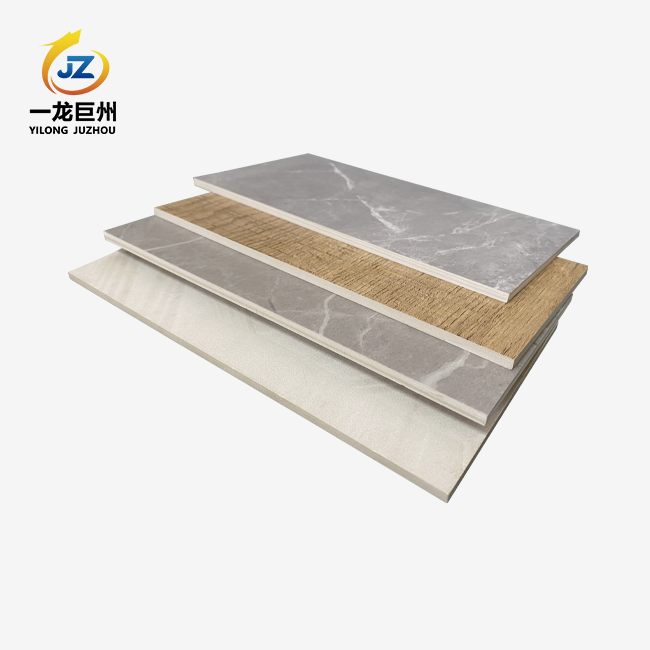
Both OEM and ODM production can be done. You can choose your own size, color, and surface design, with options like woodgrain, marble, silver, and cloth finishes. Free samples can be sent within 3–5 days to help with the review of specifications and bids.
Q4: Is the product compliant with fire safety standards applicable to US construction projects?
The panel has a GB8624 non-combustible Class A fire resistance label on it. During the design process, procurement teams should ask for full test paperwork and compare it with any local or project-specific fire codes that apply.
Partner with YILONG JUZHOU — Trusted UV Light Curing Board Supplier
In more than 30 countries, YILONG JUZHOU sells approved UV light curing board to commercial companies, hospitals, and other businesses. The team is ready to help you with your next project, from the specifications to the delivery. They have two production bases, a 50,000 m² inventory, and they promise to respond within 24 hours. You can email cnyang2000114@gmail.com to get a free sample or project quote right away.
References
1. Journal of Coatings Technology and Research, 2021 — UV-Curable Coatings: Chemistry, Applications, and Performance Benchmarks.
2. Construction Specifier Magazine, 2022 — Interior Wall Panel Selection for Healthcare Environments: Hygiene, Fire, and Durability Standards.
3. ASHRAE Journal, 2020 — Indoor Air Quality Standards and Low-VOC Material Specifications in Commercial Construction.
4. Building and Construction Materials Journal, 2023 — Calcium Silicate Board Applications in Fire-Resistant Interior Systems.
5. Journal of Hospital Infection, 2021 — Antibacterial Surface Materials and Infection Control Outcomes in Clinical Environments.
6. International Journal of Adhesion and Adhesives, 2022 — Cross-Linking Mechanisms in UV-Cured Polymer Coatings and Their Impact on Surface Durability.

Send Inquiry

Related Industry Knowledge
- Painting Aluminum Composite Panel: Key Preparation Tips
- Is PE aluminum composite board Fire Resistant?
- Ice fireproof board Safety Certification and Testing Standards
- How to Choose PE aluminum composite board for Cladding
- What Is a PE aluminum composite board?
- Inorganic pre-coated panels Surface Technology and Durability Guide
- Why Paint Peels Off Aluminum Composite Panels and How to Fix It
- UV light curing board Gloss Finish and Surface Performance Guide
- Composite Fireproof Boards Compared: Why Calcium Silicate Aluminum Panels Stand Out
- Top 10 Tips for Working with Aluminum Composite Material Panels